
caste
US /kæst/
UK /kɑ:st/
- Noun
- Social class, e.g. in Hinduism
B2Morecompost
US /ˈkɑmˌpost/
UK /'kɒmpɒst/
- Uncountable Noun
- Dead plants, leaves or grass, used as fertilizer
- Transitive Verb
- To make dead plants, leaves etc. into fertilizer
B2Morecookbook
US /ˈkʊkˌbʊk/
UK /ˈkʊkbʊk/
- Countable Noun
- Book containing recipes showing how to make dishes
B1Moredistinction
US /dɪˈstɪŋkʃən/
UK /dɪˈstɪŋkʃn/
- Noun (Countable/Uncountable)
- Special quality that makes something different
- A prize of award for a high level of achievement
A2TOEICMoregarbage
US /ˈgɑ:rbɪdʒ/
UK /ˈgɑ:bɪdʒ/
- Uncountable Noun
- Waste material that has been thrown out
B1TOEICMoregrandma
US /ˈɡrændˌmɑ,/
UK /ˈgrænmɑ:/
- Noun
- Mother of your father or mother
B2Moregrandmother
US /ˈɡrændˌmʌðɚ, ˈɡræn-/
UK /ˈgrænmʌðə(r)/
- Noun
- Your mother or father's mother
B2Morehedge
US /hɛdʒ/
UK /hedʒ/
- Intransitive Verb
- To select words to avoid saying something directly
- Countable Noun
- A fence made with small trees or bushes
B1Morehem
US /hɛm/
UK /hem/
- Noun
- Edge of a cloth folded and stitched down
- Transitive Verb
- To sew the edge of a cloth and stitch it down
- To hold or contain without allowing to escape
B2TOEICMorehem in
US /hɛm ɪn/
UK /hem in/
- other
- To surround something closely to restrict its movement or freedom.
B2Morein fact
US /ɪn fækt/
UK /in fækt/
- Adverb
- Used to emphasize the truth of a statement, especially one that contrasts with or contradicts something else.
- Used to introduce a more detailed or surprising piece of information.
- Phrase
- Used to emphasize the truth of a statement, especially one that is surprising or contrary to what might be expected.
C1Morein school
US /ɪn skul/
UK /ɪn sku:l/
- other
- Attending an educational institution.
A1Morelinguistic
US /lɪŋˈɡwɪstɪk/
UK /lɪŋˈgwɪstɪk/
- Adjective
- Of or relating to language
- Relating to the scientific study of language.
B1Moremetal
US /ˈmɛtl/
UK /ˈmetl/
- Noun (Countable/Uncountable)
- Usually hard shiny material mined from rock
- An object made of metal.
- Adjective
- Made something such as gold, steel, iron
A2Moreoriginally
US /əˈrɪdʒənəli/
UK /əˈrɪdʒənəli/
- Adverb
- At first; in the beginning
- In a new and unique manner
A2TOEICMoreplastic
US /ˈplæstɪk/
UK /'plæstɪk/
- Uncountable Noun
- Stiff but usually flexible man-made material
- Adjective
- Being easily formed or shaped
A2Morerecipe
US /ˈrɛsəˌpi/
UK /'resəpɪ/
- Noun
- Conditions likely to create a particular result
- Directions for making a dish, with the ingredients
B1Morestraw
US /strɔ/
UK /strɔ:/
- Adjective
- Dry yellow stems of crops such as wheat
- Countable Noun
- Thin tube used for sucking up liquids to drink
B1Moretear
US /tɛr/
UK /teə(r)/
- Noun (Countable/Uncountable)
- Drop of salty water from the eye
- Hole or rip in something after it has been damaged
- Intransitive Verb
- To move very quickly, often with carelessness
A2Moretrash
US /træʃ/
UK /træʃ/
- Uncountable Noun
- Garbage or anything that is worthless
- Transitive Verb
- To throw away in the garbage
- To criticize; claim person/thing is inferior
B2TOEICMorewaste
US /west/
UK /weɪst/
- Transitive Verb
- To kill or severely harm someone
- To use valuable things ineffectively
- Uncountable Noun
- Materials left over after a process has finished
A2TOEICMorewood
US /wʊd/
UK /wʊd/
- Proper Noun
- Person's name
- Noun (Countable/Uncountable)
- Land covered with trees, smaller than a forest
- Cut tree used for making fires or building things
A2More
Vocabulary
- in school: Attending an educational institution.
- in fact: Used to emphasize the truth of a statement, especially one that contrasts with or contradicts something else.
- hem in: To surround something closely to restrict its movement or freedom.
- early: Coming/happening before others in a time sequence
- animal: A living creature that is not a plant or person
- teach: To help someone learn or do something
- learn: To get knowledge or skills by study or experience
- food: What people and animals eat to live
- word: Unit of language that has a meaning
- school: Large group of fish that swim together
- live: To be alive
- wood: Person's name
- cookbook: Book containing recipes showing how to make dishes
- grandmother: Your mother or father's mother
- plastic: Stiff but usually flexible man-made material
- mean: Average of a set of numbers
- record: Highest or most extreme level achieved
- break: To create a new record e.g. running the 100m dash
- difference: A thing or issue that people do not agree about
- guess: To give an answer without knowing if it is correct
- fact: Something that is known or proved to be true
- call: A order or request for action
- garbage: Waste material that has been thrown out
- trash: Garbage or anything that is worthless
- waste: To kill or severely harm someone
- tear: Drop of salty water from the eye
- recipe: Conditions likely to create a particular result
- metal: Usually hard shiny material mined from rock
- meaning: To express a particular idea or thought
- originally: At first; in the beginning
- hedge: To select words to avoid saying something directly
- distinction: Special quality that makes something different
- linguistic: Of or relating to language
- straw: Dry yellow stems of crops such as wheat
- hem: Edge of a cloth folded and stitched down
- compost: Dead plants, leaves or grass, used as fertilizer
- caste: Social class, e.g. in Hinduism
- grandma: Mother of your father or mother
Get the full experience in the app
Learn anywhere with detailed sentence and usage analysis
01:03
She took a brave step forward, leaving behind her comfort zone to chase her dreams.
Vocabulary
- brave
adj. Having courage
- comfort zone
phr. A familiar situation where one feels safe
Explanation
a brave step is a noun phrase, where brave is an adjective modifying the noun step, meaning "a courageous step".
forward is an adverb modifying step, meaning "ahead".
The whole phrase serves as the object, answering the "what" of took (verb) — she took a brave step forward.
Get the full experience in the app
Look up words anytime with pronunciation, part of speech, and usage
brave
US/brev/
UK/breɪv/
adj.Brave
v.t.To bravely face
A2 Elementary
Get the full experience in the app
Practice speaking anytime and get instant pronunciation feedback
Try this speaking exercise.
Try practicing with this sentence.
80
0
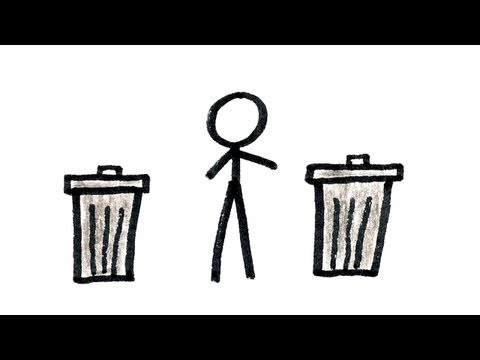
Halu Hsieh posted on 2013/10/04Ever wondered if 'trash' and 'garbage' are the same? Dive into the fascinating etymology of these everyday words, exploring their Middle English roots and how they're used differently in American English today! You'll pick up some fun language trivia and gain a deeper cultural understanding with this quick, conversational lesson.
Learn this video on the APP!
The VoiceTube App has more in-depth practice for videos!