
absolutely
US /ˈæbsəˌlutli, ˌæbsəˈlutli/
UK /ˈæbsəlu:tli/
- Adverb
- Completely; totally; very
- Considered independently and without relation to other things; viewed abstractly; as, quantity absolutely considered.
A2Moreahead of the game
US /əˈhɛd əv ðə ɡeɪm/
UK /əˈhed əv ðə geim/
- other
- Being well prepared or in an advantageous position.
C1Moreat least
US /æt list/
UK /æt li:st/
- Adverb
- As a minimum
- Not less than
- Phrase
- No less than; at the minimum
- Used to indicate that something is positive in a bad situation.
C2Moreaware
US /əˈwɛr/
UK /əˈwɛə/
- Adjective
- Knowing or feeling that something exists
A2TOEICMoreback down
US /bæk daʊn/
UK /bæk daun/
- Phrasal Verb
- To admit you were wrong; stop claiming
A1Moreback into
US /bæk ˈɪntu/
UK /bæk ˈɪntuː/
- Phrasal Verb
- To drive a vehicle backwards into a space or area.
- To accidentally collide with something while moving backwards.
A1Morebeggar
US /ˈbɛɡɚ/
UK /ˈbegə(r)/
- Noun
- Poor person who asks others for money and food
B1Morebelly
US /ˈbɛli/
UK /'belɪ/
- Noun (Countable/Uncountable)
- Middle part of the body; the stomach
- A bulging or rounded part of something.
- Verb (Transitive/Intransitive)
- To expand outward; swell
- To swell like a balloon
B2Morebill
US /bɪl/
UK /bɪl/
- Noun
- Plan for a new law being discussed by a government
- Sign or poster advertising something
- Transitive Verb
- To request payment by handing over an invoice
A2TOEICMorebizarre
US /bɪˈzɑr/
UK /bɪˈzɑ:(r)/
- Adjective
- Odd or strange
B2Morebottom
US /ˈbɑtəm/
UK /'bɒtəm/
- Noun
- The part of your body you sit on
- Lowest position, often in a company or contest
- Verb (Transitive/Intransitive)
- To hit the lowest part of something
- To provide with a bottom.
A2TOEICMorebreak up
US /brek ʌp/
UK /breik ʌp/
- Phrase
- Phrasal Verb
- (Of party, relationship) to come to an end
- To end something, e.g. a fight
A1Morebring back
US /brɪŋ bæk/
UK /briŋ bæk/
- Phrasal Verb
- To cause to remember
- To return something
A1Morebunch
US /bʌntʃ/
UK /bʌntʃ/
- Noun (Countable/Uncountable)
- A group of things of the same kind
- A group of people.
- Transitive Verb
- To group people or things closely together
B1Moreby itself
US /baɪ ɪtˈsɛlf/
UK /bai itˈself/
- Adverb
- Alone; without help or assistance.
- Without any external influence or aid.
A2Morechest
US /tʃɛst/
UK /tʃest/
- Noun (Countable/Uncountable)
- Strong, lidded container for storing things
- Front of the body between neck and stomach
A2Morecome back
US /kʌm bæk/
UK /kʌm bæk/
- Phrasal Verb
- To reply to someone, often forcefully
- To be remembered
A1Morecut out
US /kʌt aʊt/
UK /kʌt aut/
- Phrasal Verb
- To leave out of something, e.g. a social event
- To cut something from, e.g. a picture from a book
- Verb (Transitive/Intransitive)
- To stop doing or using something.
- To be naturally suited or fitted for something.
A1Morediploma
US /dɪˈplomə/
UK /dɪˈpləʊmə/
- Noun
- Document certifying graduation
B2Moreduck
US /dʌk/
UK /dʌk/
- Verb (Transitive/Intransitive)
- To avoid doing something that is difficult
- To lower your head to avoid hitting something
- Noun (Countable/Uncountable)
- Common type of water bird
B1Moreexperiment
US /ɪkˈspɛrəmənt/
UK /ɪk'sperɪmənt/
- Noun (Countable/Uncountable)
- Test performed to assess new ideas or theories
- A course of action tentatively adopted without being sure of the eventual outcome.
- Verb (Transitive/Intransitive)
- To create and perform tests to research something
- To try something new that you haven't tried before
A2TOEICMoreexperimentation
US /ɪkˌspɛrəmɛnˈteʃən/
UK /ɪkˌsperɪmenˈteɪʃn/
- Uncountable Noun
- Act of making and performing experiments or tests
- The act of trying out new ideas or methods in order to innovate or improve something.
B1Morefor the hell of it
US /fɚ ðə hɛl əv ɪt/
UK /fə ðə hel əv ɪt/
- other
- Doing something for no good reason, often impulsively or rebelliously.
B2Morefound out
US
UK
- Phrasal Verb
- To learn or discover something, often after some effort.
- To become known; be revealed.
B2Moregeneration
US /ˌdʒɛnəˈreʃən/
UK /ˌdʒenəˈreɪʃn/
- Noun (Countable/Uncountable)
- Act or process of producing or causing something
- People born and living at about the same time
A2TOEICMorego back to
US /ɡo bæk tu/
UK /ɡəu bæk tu:/
- Phrasal Verb
- To return to a starting point
A1Morego out
US /ɡo aʊt/
UK /ɡəu aut/
- Phrase
- To leave a building (e.g. a house)
- Phrasal Verb
- (Of a fire) to burn out; be extinguished
- Go out of fashion to stop being fashionable
A1Morehave on
US /hæv ɑn/
UK /hæv ɔn/
- Phrasal Verb
- To be wearing something.
- To deceive or trick someone, often in a playful way.
A1Morehuge
US /hjudʒ/
UK /hju:dʒ/
- Adjective
- Very very large
A2Morein love with
US //ɪn lʌv wɪð//
UK
- Adjective
- Feeling romantic love for someone.
- Extremely enthusiastic about or fond of something.
A1Morelook to
US
UK
- Phrasal Verb
- Be looking to. be planning to (do something)
- To expect someone to do something for you; rely on
A1Moremartial
US /ˈmɑ:rʃl/
UK /ˈmɑ:ʃl/
- Adjective
- Concerning fighting, war, or soldiers
B1Morememorization
US /ˌmemə'rɪzeɪʃən/
UK /ˌmemə'rɪzeɪʃən/
- Uncountable Noun
- Conscious learning of something e.g. words
B1Morememorize
US /ˈmɛməˌraɪz/
UK /ˈmeməraɪz/
- Transitive Verb
- To study something so that you remember it
A2Moremoan
US /moʊn/
UK /məʊn/
- Intransitive Verb
- To complain about something
- To make a low, mournful cry of sorrow or pain
- Noun
- Low, sustained, mournful cry of sorrow or pain
B1Moreoften seen
US
UK
- Adjective
- Frequently observed; commonly encountered.
- Frequently observed, especially due to popularity or prevalence.
A1Moreorder in
US
UK
- Phrasal Verb
- To request food from a restaurant to be delivered to one's home or other location.
out there
US /aʊt ðɛr/
UK /aut ðɛə/
- Adverb
- In or to a place that is far away
- Existing in the universe
- Adjective
- Unconventional; strange; avant-garde
- Existing or available.
A1Moreplastic
US /ˈplæstɪk/
UK /'plæstɪk/
- Uncountable Noun
- Stiff but usually flexible man-made material
- Adjective
- Being easily formed or shaped
A2Morepoke
US /pok/
UK /pəʊk/
- Transitive Verb
- To give a push, thrust, or jab
B2Morepresident
US /ˈprɛzɪdənt,-ˌdɛnt/
UK /ˈprezɪdənt/
- Noun
- Person in charge of a country, or organization
- The highest-ranking executive in a corporation or organization.
A2TOEICMoreprocess
US /ˈprɑsˌɛs, ˈproˌsɛs/
UK /prə'ses/
- Transitive Verb
- To organize and use data in a computer
- To deal with official forms in the way required
- Noun (Countable/Uncountable)
- Dealing with official forms in the way required
- Set of changes that occur slowly and naturally
A2TOEICMorepsychology
US /saɪˈkɑlədʒi/
UK /saɪ'kɒlədʒɪ/
- Uncountable Noun
- The study of the mind and how it affects behavior
- Way in which a person or group thinks and behaves
C2Morepure
US /pjʊr/
UK /pjʊə(r)/
- Adjective
- Not mixed with anything else
- Being morally good
A2Moreray
US /re/
UK /reɪ/
- Proper Noun
- Person's name
- Noun (Countable/Uncountable)
- Lines of light coming from an object
- Fish with a pointed tail and flat body
B1Moreregardless of
US /rɪˈɡɑrdlɪs ʌv/
UK /riˈɡɑ:dlis ɔv/
- Phrase
- Preposition
- Without being affected or influenced by something; despite.
A2Moreremind
US /rɪˈmaɪnd/
UK /rɪ'maɪnd/
- Transitive Verb
- To cause someone to remember what they forgot
- To cause someone to think of something similar or related.
A2TOEICMorerumble
US /ˈrʌmbəl/
UK /ˈrʌmbl/
- Noun
- Low, heavy continuous sound or series of sounds
- Intransitive Verb
- To make low, heavy continuous sounds
B2Moresee in
US /si ɪn/
UK /si: in/
- Phrasal Verb
- To accompany someone to the entrance of a building or room.
A1Moresit back
US /sit bæk/
UK /sit bæk/
- Phrasal Verb
- To relax and take it easy.
- To refrain from taking action or getting involved.
A1Moreswollen
US /ˈswolən/
UK /ˈswəʊlən/
- Verb (Transitive/Intransitive)
- To increase in size or number larger than normal
- To become larger than normal, often due to injury
- Adjective
- Increased in size due to injury
B1Moretake with
US
UK
- Phrasal Verb
- To bring something or someone along when you go somewhere.
- Verb (Transitive/Intransitive)
- To accept or endure something, especially something unpleasant, as a necessary part of an experience.
A1Morethink of
US /θɪŋk ʌv/
UK /θiŋk ɔv/
- Phrasal Verb
- To look on as (being something specific); consider
- To consider or remember something.
- Verb (Transitive/Intransitive)
- To imagine or call something to mind
A1Moretiny
US /ˈtaɪni/
UK /'taɪnɪ/
- Adjective
- Very, very small
A2Moretrumpet
US /ˈtrʌmpɪt/
UK /ˈtrʌmpɪt/
- Noun
- Brass wind instrument with a flared bell
- Device for making sound louder
- Intransitive Verb
- To make a sound like a trumpet
B2Moreturn around
US /tɚn əˈraʊnd/
UK /tə:n əˈraund/
- Phrasal Verb
- To change your body to the opposite direction
- To make something running badly into a success
- Verb (Transitive/Intransitive)
- To change direction so as to face the opposite way.
- To improve or cause to improve.
A1Morevibrate
US /ˈvaɪˌbret/
UK /vaɪˈbreɪt/
- Intransitive Verb
- To shake side to side quickly in small movements
B2Morevisualization
US /ˌvɪʒʊəlɪˈzeʃən/
UK /ˌvɪʒʊəlaɪ'zeɪʃn/
- Uncountable Noun
- Act of creating an image in your mind
C1Morewait for
US /wet fɔr/
UK /weit fɔ:/
- Phrasal Verb
- To wait until someone comes, or something happens
A1Morewith it
US /wɪð ɪt/
UK /wið it/
- Adjective
- Intelligent, alert, and up-to-date.
- Understanding and knowledgeable about current trends or information.
A1Morewrite down
US /raɪt daʊn/
UK /rait daun/
- Phrasal Verb
- To record in writing
A1More
Vocabulary
- write down: To record in writing
- sit back: To relax and take it easy.
- think of: To look on as (being something specific); consider
- look to: Be looking to. be planning to (do something)
- found out: To learn or discover something, often after some effort.
- order in: To request food from a restaurant to be delivered to one's home or other location.
- with it: Intelligent, alert, and up-to-date.
- cut out: To leave out of something, e.g. a social event
- go back to: To return to a starting point
- for the hell of it: Doing something for no good reason, often impulsively or rebelliously.
- in love with: Feeling romantic love for someone.
- bring back: To cause to remember
- back into: To drive a vehicle backwards into a space or area.
- see in: To accompany someone to the entrance of a building or room.
- by itself: Alone; without help or assistance.
- turn around: To change your body to the opposite direction
- come back: To reply to someone, often forcefully
- ahead of the game: Being well prepared or in an advantageous position.
- have on: To be wearing something.
- back down: To admit you were wrong; stop claiming
- often seen: Frequently observed; commonly encountered.
- break up
- at least: As a minimum
- regardless of
- take with: To bring something or someone along when you go somewhere.
- wait for: To wait until someone comes, or something happens
- go out: To leave a building (e.g. a house)
- out there: In or to a place that is far away
- absolutely: Completely; totally; very
- process: To organize and use data in a computer
- bunch: A group of things of the same kind
- experience: Thing a person has done or that happened to them
- aware: Knowing or feeling that something exists
- experiment: Test performed to assess new ideas or theories
- bizarre: Odd or strange
- psychology: The study of the mind and how it affects behavior
- tiny: Very, very small
- belly: Middle part of the body; the stomach
- huge: Very very large
- generation: Act or process of producing or causing something
- suddenly: In an unexpected or very quick manner
- throw: To use your arm to make something fly in the air
- chest: Strong, lidded container for storing things
- fall: Season after summer and before winter; Autumn
- poke: To give a push, thrust, or jab
- plastic: Stiff but usually flexible man-made material
- bottom: The part of your body you sit on
- swollen: To increase in size or number larger than normal
- bill: Plan for a new law being discussed by a government
- order: Religious or social group, as of nuns
- pure: Not mixed with anything else
- president: Person in charge of a country, or organization
- memorize: To study something so that you remember it
- remind: To cause someone to remember what they forgot
- learn: To get knowledge or skills by study or experience
- lot: What happens to a person in life from chance; fate
- stand: To be a candidate in an election
- step: Movement done as part of a particular dance
- grow: To get bigger and more mature; make plants do this
- diploma: Document certifying graduation
- martial: Concerning fighting, war, or soldiers
- check: Paper showing how much you owe at a restaurant
- feel: To be aware of or experience an emotion, sensation
- vibrate: To shake side to side quickly in small movements
- light: To cause something to burn; put a burning match to
- hobby: Regular activity done in free time, for pleasure
- begin: To do the first part of an action; to start
- moan: To complain about something
- visualization: Act of creating an image in your mind
- rumble: Low, heavy continuous sound or series of sounds
- trumpet: Brass wind instrument with a flared bell
- experimentation: Act of making and performing experiments or tests
- duck: To avoid doing something that is difficult
- ray: Person's name
- beggar: Poor person who asks others for money and food
- memorization: Conscious learning of something e.g. words
Get the full experience in the app
Learn anywhere with detailed sentence and usage analysis
01:03
She took a brave step forward, leaving behind her comfort zone to chase her dreams.
Vocabulary
- brave
adj. Having courage
- comfort zone
phr. A familiar situation where one feels safe
Explanation
a brave step is a noun phrase, where brave is an adjective modifying the noun step, meaning "a courageous step".
forward is an adverb modifying step, meaning "ahead".
The whole phrase serves as the object, answering the "what" of took (verb) — she took a brave step forward.
Get the full experience in the app
Look up words anytime with pronunciation, part of speech, and usage
brave
US/brev/
UK/breɪv/
adj.Brave
v.t.To bravely face
A2 Elementary
Get the full experience in the app
Practice speaking anytime and get instant pronunciation feedback
Try this speaking exercise.
Try practicing with this sentence.
80
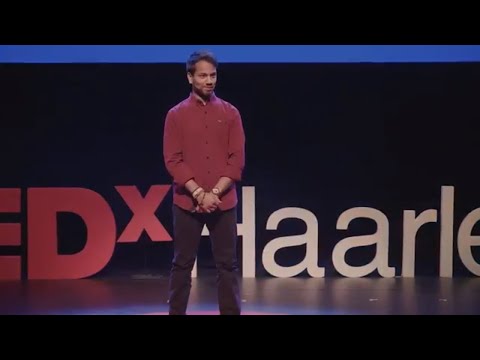
How to triple your memory by using this trick | Ricardo Lieuw On | TEDxHaarlem
0
Vivian Chen posted on 2018/09/20Ever wish you could remember more? This talk reveals a super-effective memory trick, the Method of Loci, that can help you triple your recall! You'll learn practical visualization exercises and discover how learning science can boost your memory power.
Learn this video on the APP!
The VoiceTube App has more in-depth practice for videos!