
abandon
US /əˈbændən/
UK /ə'bændən/
- Transitive Verb
- To discard or intentionally get rid of an item
- To withdraw your support, or leave someone
- Uncountable Noun
- Wild, carefree behavior
B1Moreadopt
US /əˈdɑ:pt/
UK /əˈdɒpt/
- Transitive Verb
- To legally take a child into your family
- To take on responsibility for something
A2TOEICMorebuckle
US /'bʌkl/
UK /'bʌkl/
- Noun
- Metal attachment or hook on the end of a belt
- Intransitive Verb
- To bend and lose strength when under pressure
B2Moreburst
US /bɚst/
UK /bɜ:st/
- Verb (Transitive/Intransitive)
- To move (arrive, exit, etc.) suddenly or hurriedly
- To break apart/open in a sudden and violent way
- Noun
- Brief time period when something happens and ends
- A sudden outbreak or display of something.
A2Morebury
US /ˈbɛri/
UK /'berɪ/
- Transitive Verb
- To put something into the ground and cover it
B1Morecatastrophic
US /ˌkætəˈstrɑfɪk/
UK /ˌkætə'strɒfɪk/
- Adjective
- Causing a lot of damage or suffering
B2Moreclimate
US /ˈklaɪmɪt/
UK /ˈklaɪmət/
- Noun (Countable/Uncountable)
- Typical weather conditions in a particular place
- The general attitudes, feelings, or opinions that people have at a particular time.
A2Morecollapse
US /kəˈlæps/
UK /kə'læps/
- Verb (Transitive/Intransitive)
- To fold (e.g. a stroller) down to make it smaller
- To suddenly fall down or break apart into pieces
- Noun
- The sudden failure of a structure or system.
- The sudden failure of a bodily organ or function.
B1Moreconcrete
US /kɑnˈkrit, kɑŋ-, ˈkɑnˌkrit, ˈkɑŋ-/
UK /'kɒŋkri:t/
- Uncountable Noun
- Hard building material made of cement, sand, water
- Transitive Verb
- To cover or make with a hard grey building material
- To lay or cover with concrete.
B1Morecontinent
US /ˈkɑntənənt/
UK /ˈkɒntɪnənt/
- Noun (Countable/Uncountable)
- Very large piece of land, e.g. Africa or Asia
- Adjective
- Able to control excretory functions (bowel and bladder).
B1Morecrack
US /kræk/
UK /kræk/
- Noun (Countable/Uncountable)
- Attempt to achieve a goal or objective
- Unexpected and hard hit to the body
- Verb (Transitive/Intransitive)
- To attempt to achieve a goal or objective
- To hit someone or something hard and unexpectedly
B1Morecrush
US /krʌʃ/
UK /krʌʃ/
- Noun
- Strong attraction to someone
- Transitive Verb
- To break something into small pieces by pressing
- To defeat someone or something (in a game)
B1TOEICMoredie out
US /daɪ aʊt/
UK /dai aut/
- Phrasal Verb
- To disappear completely; to become extinct
A1Moredisrupt
US /dɪsˈrʌpt/
UK /dɪsˈrʌpt/
- Transitive Verb
- To cause a disturbance in an activity in progress
B2TOEICMoredomesticate
US /dəˈmɛstɪˌket/
UK /də'mestɪkeɪt/
- Transitive Verb
- To train an animal as a pet or to do work; tame
- To breed a plant to be used or consumed by humans
C1Moredrainage
US /ˈdrenɪdʒ/
UK /ˈdreɪnɪdʒ/
- Uncountable Noun
- Process of removing water or liquid from something
B2Moreemergency
US /ɪˈmɚdʒənsi/
UK /ɪ'mɜ:dʒənsɪ/
- Noun (Countable/Uncountable)
- Sudden event needing an immediate action
- A medical condition manifesting itself by acute symptoms of sufficient severity such that the absence of immediate medical attention could reasonably be expected to result in placing the patient's health in serious jeopardy.
- Adjective
- Used in an emergency; for use when something dangerous happens.
- Designed for use in an emergency.
A2TOEICMoreeventually
US /ɪˈvɛntʃuəli/
UK /ɪˈventʃuəli/
- Adverb
- After a long time; after many attempts; in the end
- At some later time; in the future
A2Morefauna
US /'fɔ:nə/
UK /'fɔ:nə/
- Noun
- All of the animals living in a certain area, time
B2Moreferal
US /ˈfɪrəl, ˈfɛr-/
UK /ˈferəl/
- Adjective
- Wild; behaving like a wild animal
C1TOEICMoreflora
US /'flɔ:rə/
UK /'flɔ:rə/
- Noun
- Group of all plants that grow in a particular area
B2Moreflourish
US /ˈflɚrɪʃ, ˈflʌr-/
UK /'flʌrɪʃ/
- Verb (Transitive/Intransitive)
- To show and direct attention by waving something
- To add a fancy addition or decoration
- Noun
- Fancy addition or decoration
B2TOEICMoregradually
US /ˈɡrædʒʊəlɪ/
UK /ˈgrædʒuəli/
- Adverb
- Occurring in a slow manner over a period of time
- Little by little; in a slow and progressive manner.
B1TOEICMoregranite
US /ˈɡrænɪt/
UK /ˈgrænɪt/
- Uncountable Noun
- Type of very hard stone used in buildings
B2Morehandful
US /ˈhændˌfʊl/
UK /'hændfʊl/
- Noun (Countable/Uncountable)
- an amount of something that can be held in one hand; small quantity or amount of people or things
- A thing requiring great effort to control, manage
B1Morehomeowner
US /ˈhomˌonɚ/
UK /ˈhəʊməʊnə(r)/
- Countable Noun
- Someone who owns a home
C2Morehumanity
US /hjuˈmænɪti/
UK /hju:ˈmænəti/
- Uncountable Noun
- Quality of being understanding or sympathetic
- Compassionate behavior, especially towards those suffering.
- Noun (Countable/Uncountable)
- All human beings collectively; the human race.
A2Moreimpact
US /ˈɪmˌpækt/
UK /'ɪmpækt/
- Noun
- A striking effect or result to hit with force
- Act or force of one thing hitting something else
- Verb (Transitive/Intransitive)
- To hit or strike someone or something with force
- To have a strong effect on someone or something.
A2TOEICMorein general
US /ɪn ˈdʒɛnərəl/
UK /in ˈdʒenərəl/
- Phrase
- Typically; usually; on the whole.
- Not specific or detailed; broadly.
- Adjective
- Not detailed or specific; overall.
C2Morein time
US /ɪn taɪm/
UK /in taim/
- Adverb
- Eventually; after a period of time.
- Not late; with enough time to spare.
- Phrase
- Eventually; before it is too late.
- According to the scheduled time; punctual.
A1Moreindustrial
US /ɪnˈdʌstriəl/
UK /ɪnˈdʌstriəl/
- Adjective
- Concerning making things in factories
- Noun
- A worker in industry.
- A company involved in industrial production.
A2Moreinfrastructure
US /ˈɪnfrəˌstrʌktʃɚ/
UK /'ɪnfrəstrʌktʃə(r)/
- Uncountable Noun
- Basic necessary equipment for a country or region
- The underlying framework or system of an organization.
B1Moreinvestigate
US /ɪnˈvɛstɪˌɡet/
UK /ɪn'vestɪɡeɪt/
- Verb (Transitive/Intransitive)
- To try to find out facts; to carry out research
A2Moreleftover
US /ˈlɛftˌovɚ/
UK /ˈleftəʊvə(r)/
- Adjective
- (Of food) that you didn't eat at a meal
C2Morelegacy
US /ˈlɛɡəsi/
UK /'leɡəsɪ/
- Noun (Countable/Uncountable)
- Literature, arts etc. from previous generations
- Something left or given by a person who has died
- Adjective
- Relating to old or outdated computer systems or software.
B2TOEICMoremaintain
US /menˈten/
UK /meɪn'teɪn/
- Transitive Verb
- To keep saying something a certain way
- To keep (machine) working by checking, repairing
A2TOEICMoremalfunction
US /mælˈfʌŋkʃən/
UK /ˌmæl'fʌŋkʃn/
- Noun
- A failure of something to work properly
- Intransitive Verb
- To fail to work correctly
C1Moremold
US /mold/
UK /məʊld/
- Noun
- Distinctive type of character or nature
- Fungus growing on old food or in wet dark places
- Transitive Verb
- To influence a person's character or behavior
- To form something into a shape
B1Morenative
US /ˈnetɪv/
UK /ˈneɪtɪv/
- Noun (Countable/Uncountable)
- Someone from or born in a specific country
- Original inhabitant, e.g. before others
- Adjective
- Caused by natural ability; innate
A2Moreon earth
US /ɑn ɚθ/
UK /ɔn ə:θ/
- Phrase
- Used to emphasize a question expressing surprise or anger.
- Used to emphasize that something is not possible or will not happen.
A1Morepreserve
US /prɪˈzɜ:rv/
UK /prɪˈzɜ:v/
- Transitive Verb
- To cook food so it can be kept for long periods
- To protect something from harm, loss or damage
- Noun (Countable/Uncountable)
- Sweet fruit spread; jam
- Protected area of land with plants and animals
B1TOEICMoreresult
US /rɪˈzʌlt/
UK /rɪ'zʌlt/
- Noun
- Something produced through tests or experiments
- Final score of a competition, election or game
- Intransitive Verb
- To be the outcome of other causes and effects
- To happen or exist as a consequence of something.
A2Morerodent
US /ˈroʊdnt/
UK /ˈrəʊdnt/
- Noun
- Animal that gnaws/bites, e.g. rat, mouse, rabbit
B2Morerural
US /ˈrʊrəl/
UK /ˈruərəl/
- Adjective
- Concerning the country as opposed to the city
B1Moresave for
US
UK
- Phrasal Verb
- To keep money so that you can buy something with it in the future.
A2Moreshut down
US /ʃʌt daʊn/
UK /ʃʌt daun/
- Phrasal Verb
- To close an operating system, e.g. on a computer
- To stop a factory/machine from operating
- Transitive Verb
- To deactivate a nuclear reactor.
- To turn off a computer or other electronic device.
A2Moresink
US /sɪŋk/
UK /sɪŋk/
- Transitive Verb
- To push something down into the ground
- To dig (a well)
- Countable Noun
- Large bowl in a kitchen or washroom for washing
A2TOEICMoresoil
US /sɔɪl/
UK /sɔɪl/
- Uncountable Noun
- Conditions in which something develops
- Mix of natural material in which plants grow
- Transitive Verb
- To get or become dirty
B1Moresurvive
US /sɚˈvaɪv/
UK /sə'vaɪv/
- Intransitive Verb
- To continue to live despite illness or trouble
A2TOEICMoretension
US /ˈtɛnʃən/
UK /'tenʃn/
- Uncountable Noun
- Feeling of anxiety and inability to relax
- Degree to which something is stretched tight
A2TOEICMorethrive
US /θraɪv/
UK /θraɪv/
- Intransitive Verb
- To be or become healthy or successful
- To grow or develop well; to flourish.
B2TOEICMoretumble down
US
UK
- Phrasal Verb
- To fall quickly and in a chaotic way.
A1Moreurban
US /ˈɚbən/
UK /'ɜ:bən/
- Adjective
- Concerning a city; located in a city
- Relating to the style of dress and music popular in cities.
B1TOEICMorewash away
US /wɑʃ əˈwe/
UK /wɔʃ əˈwei/
- Phrasal Verb
- To remove something by the action of water.
- To gradually eliminate or make something disappear.
A2More
Vocabulary
- on earth: Used to emphasize a question expressing surprise or anger.
- shut down: To close an operating system, e.g. on a computer
- tumble down: To fall quickly and in a chaotic way.
- wash away: To remove something by the action of water.
- in general: Typically; usually; on the whole.
- die out: To disappear completely; to become extinct
- save for: To keep money so that you can buy something with it in the future.
- in time: Eventually; after a period of time.
- eventually: After a long time; after many attempts; in the end
- thrive: To be or become healthy or successful
- native: Someone from or born in a specific country
- impact: A striking effect or result to hit with force
- infrastructure: Basic necessary equipment for a country or region
- catastrophic: Causing a lot of damage or suffering
- climate: Typical weather conditions in a particular place
- legacy: Literature, arts etc. from previous generations
- crush: Strong attraction to someone
- continent: Very large piece of land, e.g. Africa or Asia
- crack: Attempt to achieve a goal or objective
- concrete: Hard building material made of cement, sand, water
- disrupt: To cause a disturbance in an activity in progress
- collapse: To fold (e.g. a stroller) down to make it smaller
- maintain: To keep saying something a certain way
- gradually: Occurring in a slow manner over a period of time
- handful: an amount of something that can be held in one hand; small quantity or amount of people or things
- preserve: To cook food so it can be kept for long periods
- adopt: To legally take a child into your family
- burst: To move (arrive, exit, etc.) suddenly or hurriedly
- tension: Feeling of anxiety and inability to relax
- result: Something produced through tests or experiments
- survive: To continue to live despite illness or trouble
- humanity: Quality of being understanding or sympathetic
- leftover: (Of food) that you didn't eat at a meal
- sink: To push something down into the ground
- mold: Distinctive type of character or nature
- flourish: To show and direct attention by waving something
- rural: Concerning the country as opposed to the city
- emergency: Sudden event needing an immediate action
- urban: Concerning a city; located in a city
- abandon: To discard or intentionally get rid of an item
- soil: Conditions in which something develops
- investigate: To try to find out facts; to carry out research
- bury: To put something into the ground and cover it
- leave: To go away from; depart
- industrial: Concerning making things in factories
- rodent: Animal that gnaws/bites, e.g. rat, mouse, rabbit
- buckle: Metal attachment or hook on the end of a belt
- build: Your physical shape; physique
- malfunction: A failure of something to work properly
- disappear: To no longer see because it's not there any more
- world: All the humans, events, activities on the earth
- human: A person; a man, woman or child
- post: To send a letter or package using stamps
- earth: Wire connecting an electrical device to the ground
- domesticate: To train an animal as a pet or to do work; tame
- drainage: Process of removing water or liquid from something
- feral: Wild; behaving like a wild animal
- western: Movies often about cowboys in the American West
- granite: Type of very hard stone used in buildings
- fauna: All of the animals living in a certain area, time
- flora: Group of all plants that grow in a particular area
- river: Flowing water that runs from mountains to the sea
- month: One of 12 28-31 day periods in the year
- slowly: In an unhurried or not speedy manner
- city: Area with many buildings, roads and people
- homeowner: Someone who owns a home
- shanghai: Take (someone) against his will for compulsory service, especially on board a ship
- co2
Get the full experience in the app
Learn anywhere with detailed sentence and usage analysis
01:03
She took a brave step forward, leaving behind her comfort zone to chase her dreams.
Vocabulary
- brave
adj. Having courage
- comfort zone
phr. A familiar situation where one feels safe
Explanation
a brave step is a noun phrase, where brave is an adjective modifying the noun step, meaning "a courageous step".
forward is an adverb modifying step, meaning "ahead".
The whole phrase serves as the object, answering the "what" of took (verb) — she took a brave step forward.
Get the full experience in the app
Look up words anytime with pronunciation, part of speech, and usage
brave
US/brev/
UK/breɪv/
adj.Brave
v.t.To bravely face
A2 Elementary
Get the full experience in the app
Practice speaking anytime and get instant pronunciation feedback
Try this speaking exercise.
Try practicing with this sentence.
80
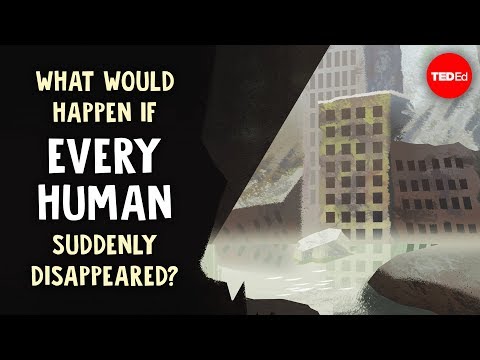
What would happen if every human suddenly disappeared? - Dan Kwartler
0
April Lu posted on 2018/09/20Ever wondered what our planet would look like if humans vanished overnight? This fascinating video explores the incredible process of urban rewilding and infrastructure collapse, showing how nature would reclaim everything! You'll pick up tons of advanced vocabulary related to ecology and speculative science along the way.
Learn this video on the APP!
The VoiceTube App has more in-depth practice for videos!