
accurately
US /'ækjərətlɪ/
UK /'ækjərətlɪ/
- Adverb
- Exactly and without any mistakes; correctly
A2Moreauthority
US /əˈθɔrɪti, əˈθɑr-, ɔˈθɔr-, ɔˈθɑr-/
UK /ɔ:ˈθɒrəti/
- Noun (Countable/Uncountable)
- The power to give orders to people
- Person who is an expert on a particular topic
A2TOEICMorechannel
US /ˈtʃænəl/
UK /'tʃænl/
- Noun (Countable/Uncountable)
- Long hole dug in the ground, e.g. to move water
- TV or radio station or its programs
- Transitive Verb
- To dig a long hole for carrying water
- To send (e.g. money) to a certain place or person
B1Moreclient
US /ˈklaɪənt/
UK /'klaɪənt/
- Countable Noun
- Person paying for professional services
A2Moreconstruction
US /kənˈstrʌkʃən/
UK /kən'strʌkʃn/
- Noun (Countable/Uncountable)
- Act of building something; thing that is built
- Something that is made using different parts
A2Moreconversation
US /ˌkɑnvɚˈseʃən/
UK /ˌkɒnvəˈseɪʃn/
- Uncountable Noun
- Talking with other people; discussion or chat
- General communication or interaction.
A2Moreconvey
US /kənˈve/
UK /kən'veɪ/
- Transitive Verb
- To carry or transport something
- To make aware or tell others information
B1Moredaily conversation
US
UK
- Uncountable Noun
- Informal talk about matters of common interest; everyday conversation.
A1Moredepend
US /dɪˈpend/
UK /dɪˈpend/
- Verb (Transitive/Intransitive)
- Be controlled or determined by (someone/something)
- To rely on someone or something for support, help, or existence.
B1TOEICMoredirect
US /dɪˈrɛkt, daɪ-/
UK /də'rekt/
- Transitive Verb
- To tell someone in a very clear way to do something
- To show the way by conducting or leading
- Adverb
- Coming straight from something
A2TOEICMoredistance
US /ˈdɪstəns/
UK /'dɪstəns/
- Uncountable Noun
- Lack of friendliness toward another person
- Noun (Countable/Uncountable)
- Amount of space between two places or things
- A point or place that is far away.
A2Moredistant
US /ˈdɪstənt/
UK /'dɪstənt/
- Adjective
- Unfriendly; cold
- Existing or happening far away in place or time
B1Moreebook
US
UK
- Countable Noun
- Book displayed on a digital device e.g. a phone
B1Moreenglish speaker
US
UK
- Noun
- A person who speaks English.
- A person with fluency in English.
A2Morefamiliar
US /fəˈmɪljɚ/
UK /fəˈmɪliə(r)/
- Adjective
- Well-known or easily recognized
- Having a good knowledge of something.
- Noun
- A close friend or associate.
- (In folklore) a spirit, often in animal form, believed to attend and serve a witch.
A2TOEICMorefluently
US /ˈfluəntlɪ/
UK /'flu:əntlɪ/
- Adverb
- In an able and easy manner
- In a way that shows the ability to speak a language easily and well.
B1Moreformal
US / ˈfɔrməl/
UK /'fɔ:ml/
- Adjective
- Observing rules and procedures strictly
- Behaving well, politely; wearing your best clothes
A2TOEICMorego on
US /ɡo ɑn/
UK /ɡəu ɔn/
- Phrasal Verb
- To continue doing something
- To happen (usually negative)
- Interjection
- Used to encourage someone
A1Morein the past
US
UK
- Phrase
- During a former period of time; previously.
A1Morejournalist
US /ˈdʒɚnəlɪst/
UK /ˈdʒɜ:nəlɪst/
- Noun
- Writer of news reports for newspapers etc.
A2TOEICMorelook at
US /lʊk æt/
UK /luk æt/
- Phrasal Verb
- To use your eyes to focus on something
- To focus your eyes on something carefully
A1Moreoften used to
US
UK
- Phrase
- Frequently employed or utilized for a specific purpose or action.
- Commonly applied or implemented in a particular situation or context.
A1Moreon equal terms
US /ɑn ˈikwəl tɝmz/
UK /ɒn ˈi:kwəl tɜ:mz/
- Preposition
- Having the same rights, conditions, or opportunities.
B2Moreon to
US /ɑn tu/
UK /ɔn tu:/
- Preposition
- Toward something; forward
- Aware of someone's activities.
- Adjective
- Aware of someone's deception or illegal activities.
A1Moreorganization
US /ˌɔrɡənɪˈzeʃən/
UK /ˌɔ:gənaɪˈzeɪʃn/
- Noun (Countable/Uncountable)
- Group of people with a particular purpose
- The way in which something is structured or arranged.
A2Morepowerpoint
US
UK
- Noun
- Software package to make presentations
C2Morepresentation
US /ˌprɛzənˈteʃən, ˌprizən-/
UK /ˌpreznˈteɪʃn/
- Noun (Countable/Uncountable)
- Act of giving a formal talk about something
- Way in which something is displayed or shown
A2Morepreviously
US /ˈprivɪəslɪ/
UK /'pri:vɪəslɪ/
- Adverb
- At an earlier time
- In the past; formerly.
B1TOEICMorepuppy
US /ˈpʌpi/
UK /ˈpʌpi/
- Countable Noun
- Very young dog (and some other animals)
B1Morerelational
US /rɪ'leɪʃənl/
UK /rɪˈleɪʃənl/
- Adjective
- To do with relations or relationships
B1Morerevolutionary
US /ˌrɛvəˈluʃəˌnɛri/
UK /ˌrevə'lu:ʃənərɪ/
- Adjective
- Marking a significant change in something
- Relating to a violent replacement of a government
- Countable Noun
- Person fighting to replace a government
B2Moresee in
US /si ɪn/
UK /si: in/
- Phrasal Verb
- To accompany someone to the entrance of a building or room.
A1Morespeak to
US /spik tu/
UK /spi:k tu:/
- Verb (Transitive/Intransitive)
- To address or communicate with someone.
- To indicate or suggest something; to be relevant to.
A1Morespeech
US /spitʃ/
UK /spi:tʃ/
- Uncountable Noun
- A formal talk to an audience
- Expression of ideas or opinions by talking
A2TOEICMoretalk about it
US /tɔk əˈbaʊt ɪt/
UK /tɔ:k əˈbaut it/
- Verb (Transitive/Intransitive)
- To discuss a particular subject.
A1Moretalking about
US
UK
- Phrasal Verb
- To discuss a particular topic.
- To be constantly mentioning or bringing up a subject.
A1Moretense
US /tɛns/
UK /tens/
- Noun
- The use of grammar to state the time things happen
- Adjective
- Unable to relax; feeling nervous or stressed
- Stretched tight and stiff
A2TOEICMoreto let
US /tu lɛt/
UK /tu let/
- Preposition
- Indicates that a property is available for rent.
A2Moreuncomfortable
US /ʌnˈkʌmfətəbəl, -ˈkʌmftə-/
UK /ʌnˈkʌmftəbl/
- Adjective
- Not being relaxed; worried about something
- Causing or feeling slight pain or physical unease.
B1Moreupset
US /ʌpˈsɛt/
UK /ʌpˈset/
- Adjective
- (Of stomach, etc.) not functioning well; sick
- Troubled, worried, or angry
- Transitive Verb
- To turn upside down or on its side
- To trouble, worry, or anger someone
A2Moreused to
US /juzd tu/
UK /ˈju:st tə/
- Adjective
- Did regularly before, but don't do now
- Auxiliary Verb
- Have done before, but do not do now
A1More
Vocabulary
- used to: Did regularly before, but don't do now
- talk about it: To discuss a particular subject.
- daily conversation: Informal talk about matters of common interest; everyday conversation.
- in the past: During a former period of time; previously.
- look at: To use your eyes to focus on something
- on to: Toward something; forward
- go on: To continue doing something
- talking about: To discuss a particular topic.
- speak to: To address or communicate with someone.
- often used to: Frequently employed or utilized for a specific purpose or action.
- see in: To accompany someone to the entrance of a building or room.
- on equal terms: Having the same rights, conditions, or opportunities.
- to let: Indicates that a property is available for rent.
- english speaker: A person who speaks English.
- present: Being in attendance; being there; having turned up
- situation: Place, position or area that something is in
- familiar: Well-known or easily recognized
- conversation: Talking with other people; discussion or chat
- imagine: To think creatively about; form mental picture of
- bit: Device put in a horse's mouth to control it
- presentation: Act of giving a formal talk about something
- convey: To carry or transport something
- authority: The power to give orders to people
- tense: The use of grammar to state the time things happen
- direct: To tell someone in a very clear way to do something
- upset: (Of stomach, etc.) not functioning well; sick
- distance: Lack of friendliness toward another person
- construction: Act of building something; thing that is built
- break: To create a new record e.g. running the 100m dash
- formal: Observing rules and procedures strictly
- scary: Causing fear; frightening
- distant: Unfriendly; cold
- fluently: In an able and easy manner
- organize: To arrange and plan things, e.g. a party
- previously: At an earlier time
- lot: What happens to a person in life from chance; fate
- revolutionary: Marking a significant change in something
- depend: Be controlled or determined by (someone/something)
- channel: Long hole dug in the ground, e.g. to move water
- important: Having power or authority
- journalist: Writer of news reports for newspapers etc.
- client: Person paying for professional services
- organization: Group of people with a particular purpose
- accurately: Exactly and without any mistakes; correctly
- natural: Being as one would expect; being usual or normal
- speech: A formal talk to an audience
- daily: Happening every day
- great: Very good; better than before
- verb: Word that expresses an action or state
- remember: To give someone a gift, e.g. birthday, wedding
- question: To ask for or try to get information
- uncomfortable: Not being relaxed; worried about something
- puppy: Very young dog (and some other animals)
- relational: To do with relations or relationships
- powerpoint: Software package to make presentations
- ebook: Book displayed on a digital device e.g. a phone
Get the full experience in the app
Learn anywhere with detailed sentence and usage analysis
01:03
She took a brave step forward, leaving behind her comfort zone to chase her dreams.
Vocabulary
- brave
adj. Having courage
- comfort zone
phr. A familiar situation where one feels safe
Explanation
a brave step is a noun phrase, where brave is an adjective modifying the noun step, meaning "a courageous step".
forward is an adverb modifying step, meaning "ahead".
The whole phrase serves as the object, answering the "what" of took (verb) — she took a brave step forward.
Get the full experience in the app
Look up words anytime with pronunciation, part of speech, and usage
brave
US/brev/
UK/breɪv/
adj.Brave
v.t.To bravely face
A2 Elementary
Get the full experience in the app
Practice speaking anytime and get instant pronunciation feedback
Try this speaking exercise.
Try practicing with this sentence.
80
0
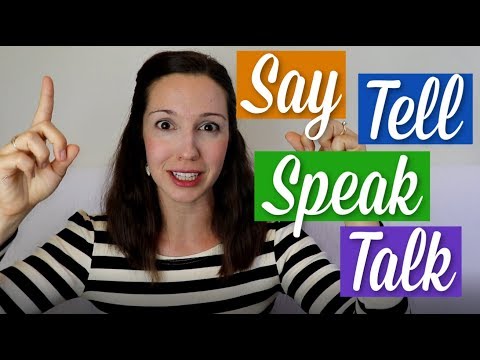
Samuel posted on 2024/11/27Ever get confused between 'say', 'tell', 'speak', and 'talk'? This video breaks down these tricky English verbs with simple explanations and everyday examples, perfect for boosting your conversational skills! You'll learn exactly when to use each one so you can communicate more clearly and confidently.
Learn this video on the APP!
The VoiceTube App has more in-depth practice for videos!