
action
US /ˈækʃən/
UK /'ækʃn/
- Noun (Countable/Uncountable)
- Something that a person or thing does
- A lawsuit.
- Intransitive Verb
- To act to do something
A2Moreassociate
US /əˈsoʊʃiˌeɪt/
UK /ə'səʊʃɪeɪt/
- Countable Noun
- Partner in professional work, e.g. in law
- Verb (Transitive/Intransitive)
- To spend time with other people; mix with
- To form a connection in your mind between things
B1TOEICMoreaverage
US /ˈævərɪdʒ, ˈævrɪdʒ/
UK /'ævərɪdʒ/
- Noun (Countable/Uncountable)
- Total of numbers divided by the number of items
- Transitive Verb
- To add numbers then divide by the number of items
A2TOEICMorecategory
US /ˈkætɪˌɡɔri, -ˌɡori/
UK /ˈkætəgəri/
- Noun
- Groups of things that are similar in some way
B1Moreclimate
US /ˈklaɪmɪt/
UK /ˈklaɪmət/
- Noun (Countable/Uncountable)
- Typical weather conditions in a particular place
- The general attitudes, feelings, or opinions that people have at a particular time.
A2Moreconcern
US /kənˈsɚn/
UK /kənˈsɜ:n/
- Verb (Transitive/Intransitive)
- To be about a particular topic
- To have a direct impact on someone
- Noun (Countable/Uncountable)
- Company, firm or business
- Feeling of worry or anxiety
A2TOEICMoredeadly
US /ˈdɛdli/
UK /ˈdedli/
- Adjective
- Causing or capable of causing death
- Being very accurate
- Adverb
- Extremely; intensely.
A2Moredegree
US /dɪˈɡri/
UK /dɪˈgri:/
- Noun (Countable/Uncountable)
- Amount or extent of something
- Unit for measuring temperature or angles
A2TOEICMoredestruction
US /dɪˈstrʌkʃən/
UK /dɪ'strʌkʃn/
- Noun
- Act of destroying; damaging beyond repair
- The state of being destroyed or ruined.
B1TOEICMoreenergy
US /ˈɛnədʒi/
UK /'enədʒɪ/
- Noun (Countable/Uncountable)
- Physical or mental strength
- Enthusiasm and determination.
A2Morefuel
US /ˈfjuəl/
UK /'fju:əl/
- Transitive Verb
- To give power to (a mob, anger, etc.); incite
- To provide gas or petrol for something
- Uncountable Noun
- Material used to produce heat or power when burned
A2TOEICMoregulf
US /ɡʌlf/
UK /gʌlf/
- Noun (Countable/Uncountable)
- Part of a sea partially surrounded by land
- Wide separation or difference between two groups
B1Moreharm
US /hɑrm/
UK /hɑ:m/
- Transitive Verb
- To damage, injure, or hurt someone or something
- Noun
- Damage or injury
A2Morehavoc
US /'hævək/
UK /ˈhævək/
- Uncountable Noun
- Situation with destruction, damage and confusion
B2Morehurricane
US /ˈhɚrɪˌken, ˈhʌr-/
UK /'hʌrɪkən/
- Noun
- Very severe storm usually occurs near the ocean
B1Morein places
US
UK
- Phrase
- In some locations but not others
A1Moreinland
US /ˈɪnlənd/
UK /ˌɪnˈlænd/
- Adjective
- Concerning areas that are not near a coast
B1Moremitigate
US /ˈmɪtˌɪɡet/
UK /'mɪtɪɡeɪt/
- Transitive Verb
- To make less severe or serious
B2TOEICMoreobvious
US /ˈɑbviəs/
UK /ˈɒbviəs/
- Adjective
- Easily understood and clear; plain to see
- Easy to see or notice.
A2TOEICMoreon average
US /ɑn ˈævərɪdʒ/
UK /ɔn ˈævəridʒ/
- Phrase
- Typically; usually; based on an average calculation.
B1Morepotentially
US /pəˈtɛnʃəlɪ/
UK /pə'tenʃəlɪ/
- Adverb
- That could happen or become reality
B1Morereality
US /riˈælɪti/
UK /rɪ'ælətɪ/
- Noun (Countable/Uncountable)
- What is true, as opposed to what is imagined
- The state of things as they actually exist, rather than as they may appear or might be imagined.
A2Morescale
US /skel/
UK /skeɪl/
- Noun (Countable/Uncountable)
- Size, level, or amount when compared
- Small hard plates that cover the body of fish
- Verb (Transitive/Intransitive)
- To change the size of but keep the proportions
- To climb something large (e.g. a mountain)
A2TOEICMoresevere
US /səˈvɪr/
UK /sɪ'vɪə(r)/
- Adjective
- Very bad; harsh
- (Of clothes, etc.) plain; simple; not decorated
A2TOEICMorestick
US /stɪk/
UK /stɪk/
- Verb (Transitive/Intransitive)
- To push a sharp or pointed object into something
- To join together using glue or paste
- Countable Noun
- Long thin piece of wood from a tree
A2Morestick around
US /stɪk əˈraʊnd/
UK /stik əˈraund/
- Phrasal Verb
- To remain in place; not leave or go
A2Morethink of
US /θɪŋk ʌv/
UK /θiŋk ɔv/
- Phrasal Verb
- To look on as (being something specific); consider
- To consider or remember something.
- Verb (Transitive/Intransitive)
- To imagine or call something to mind
A1Moretraditionally
US /trə'dɪʃənəlɪ/
UK /trə'dɪʃənəlɪ/
- Adverb
- Something done in a customary, traditional manner
B2Moretrail
US /trel/
UK /treɪl/
- Noun (Countable/Uncountable)
- Series of marks or signs left by something moving
- Rough path, as through a forest or field
- Verb (Transitive/Intransitive)
- To follow behind someone
- To be losing to a competitor
B1TOEICMoreunited
US /juˈnaɪtɪd/
UK /jʊ'naɪtɪd/
- Verb (Transitive/Intransitive)
- To join or come together for the same goal
- Adjective
- Joined or combined together
A2Moreunusually
US /ʌnˈjuʒʊəlɪ/
UK /ʌnˈju:ʒuəli/
- Adverb
- To an uncommon degree or extent
B1Moreused to
US /juzd tu/
UK /ˈju:st tə/
- Adjective
- Did regularly before, but don't do now
- Auxiliary Verb
- Have done before, but do not do now
A1More
Vocabulary
- think of: To look on as (being something specific); consider
- used to: Did regularly before, but don't do now
- on average: Typically; usually; based on an average calculation.
- stick around: To remain in place; not leave or go
- in places: In some locations but not others
- sort: To organize things by putting them into groups
- stick: To push a sharp or pointed object into something
- obvious: Easily understood and clear; plain to see
- evidence: Factual proof that helps to establish the truth
- scale: Size, level, or amount when compared
- average: Total of numbers divided by the number of items
- potentially: That could happen or become reality
- severe: Very bad; harsh
- associate: Partner in professional work, e.g. in law
- common: Area in a city or town that is open to everyone
- category: Groups of things that are similar in some way
- climate: Typical weather conditions in a particular place
- reality: What is true, as opposed to what is imagined
- exist: To be present, alive or real
- fuel: To give power to (a mob, anger, etc.); incite
- concern: To be about a particular topic
- wonder: Surprise caused by experiencing something amazing
- form: Sports team or person's current winning record
- havoc: Situation with destruction, damage and confusion
- raise: To increase a bet above another when playing cards
- trail: Series of marks or signs left by something moving
- create: To make, cause, or bring into existence
- degree: Amount or extent of something
- suggest: To mention something that could be done; propose
- mitigate: To make less severe or serious
- energy: Physical or mental strength
- destruction: Act of destroying; damaging beyond repair
- haven: Place where people can feel safe and happy
- hurricane: Very severe storm usually occurs near the ocean
- storm: To act violently or angrily
- important: Having power or authority
- system: Set of organized, planned ideas that work together
- harm: To damage, injure, or hurt someone or something
- kind: In a caring and helpful manner
- continue: To do something without stopping, or after pausing
- deadly: Causing or capable of causing death
- action: Something that a person or thing does
- united: To join or come together for the same goal
- gulf: Part of a sea partially surrounded by land
- traditionally: Something done in a customary, traditional manner
- inland: Concerning areas that are not near a coast
- unusually: To an uncommon degree or extent
Get the full experience in the app
Learn anywhere with detailed sentence and usage analysis
01:03
She took a brave step forward, leaving behind her comfort zone to chase her dreams.
Vocabulary
- brave
adj. Having courage
- comfort zone
phr. A familiar situation where one feels safe
Explanation
a brave step is a noun phrase, where brave is an adjective modifying the noun step, meaning "a courageous step".
forward is an adverb modifying step, meaning "ahead".
The whole phrase serves as the object, answering the "what" of took (verb) — she took a brave step forward.
Get the full experience in the app
Look up words anytime with pronunciation, part of speech, and usage
brave
US/brev/
UK/breɪv/
adj.Brave
v.t.To bravely face
A2 Elementary
Get the full experience in the app
Practice speaking anytime and get instant pronunciation feedback
Try this speaking exercise.
Try practicing with this sentence.
80
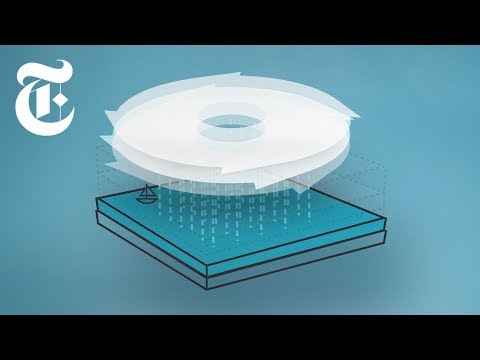
Why Climate Change Is Making Hurricanes Worse | NYT News
0
Aniceeee posted on 2019/01/02Ever wonder why hurricanes seem to be getting stronger? This video breaks down the science behind hurricane formation and how ocean warming is fueling more intense storms, like Harvey and Florence. You'll boost your knowledge of extreme weather and pick up useful vocabulary related to climate change!
Learn this video on the APP!
The VoiceTube App has more in-depth practice for videos!