Vocabulary

  • have to: Must do
  • in a row: One after another without a break.
  • on the order of: Approximately; about a certain amount or number.
  • think about: To consider something carefully.
  • look at: To use your eyes to focus on something
  • on to: Toward something; forward
  • interact with
  • of a sudden: Quickly and unexpectedly; suddenly.
  • school district: A specific geographic area or region responsible for the administration and operation of public schools.
  • frees up time: To make time available by dealing with things more efficiently or by postponing or cancelling activities.
  • work at: To have a job at a particular place or organization.
  • going on: To continue doing something
  • up there: In or to a higher place or position; far away.
  • have on: To be wearing something.
  • know about: To have information or understanding of a subject or situation.
  • just kind of: Used to express a feeling or state in a vague or hesitant way.
  • as soon as: In a short time after (something happens)
  • in person: Physically present; not by proxy or remotely.
  • go ahead: To start an activity; start doing, working etc.
  • around the world: In or to many countries.
  • go on: To continue doing something
  • social value: The worth or importance of something to society.
  • dawn on: If something dawns on you, you realize it for the first time.
  • used to: Did regularly before, but don't do now
  • in the way: Obstructing someone or something; hindering progress.
  • at home: In one's own residence or country.
  • walk around: To stroll or wander in a leisurely way.
  • no matter: Regardless of; it does not matter.
  • move on: To decide to change or go to a different place
  • build on: To develop or expand something; to use something as a foundation for further progress.
  • analogous to: Comparable in certain respects, typically in a way that clarifies the nature of the things compared.
  • ahead of time: Before the scheduled time; early.
  • come back: To reply to someone, often forcefully
  • as long as: For the period that; provided that.
  • fit together: To combine or join parts properly or correctly.
  • fit into: To be small enough to go inside something.
  • off of: From a position on something; down from.
  • based on: To use something as the foundation or starting point for something else.
  • come from: To have as your native country or city
  • race ahead: To progress or advance very quickly; to be in a leading position.
  • get through: To arrive at the end of or finish something
  • due to: Because of; owing to
  • next to: Being located along side another
  • up to speed: Fully informed; aware of the latest information
  • get up to: To do something slightly naughty
  • inside of: Within; in the inner part of.
  • out of time: Having no more time available to do something.
  • to do with: To be about something; concern
  • depending on: To rely on for support (financial or emotional)
  • come about: To turn a boat around; (of boat) to turn around
  • start in: To begin a job or activity.
  • in school: Attending an educational institution.
  • write in: To add text to a document or form.
  • log in
  • go places: To be successful in life or in a particular field.
  • literally: In a literal manner or sense; exactly as stated.
  • concept: Abstract idea of something or how it works
  • applause: The sound made by clapping a performance or speech
  • flip: To turn your body in the air, as in gymnastics
  • expect: To believe something is probably going to happen
  • interact: To talk or do things with each other
  • track: To use marks to follow a wild animal
  • imagine: To think creatively about; form mental picture of
  • notion: Sudden idea or desire to do something
  • encourage: To increase the chance of something happening
  • conclusion: End of something; finish
  • advanced: (Of an army) to move forward
  • bit: Device put in a horse's mouth to control it
  • interaction: Process of people or things affecting each other
  • paradigm: A set of ideas for understanding or explaining
  • valuable: Being useful or important
  • lecture: To speak to someone to show anger or warn them
  • pause: To stop doing for a while before continuing
  • embarrassed: To cause someone to feel ashamed
  • district: Area of a country, city, or town
  • couple: To join something to something else
  • reason: To think and make conclusions in a logical manner
  • pace: Rate of speed at which something moves or happens
  • peer: A noble, but not royal, person, e.g. lord or duke
  • topic: Subject or issue people talk or write about
  • feedback: A response or opinion, about a service, etc.
  • fundamentally: In a basic and important way
  • academy: School that specializes in certain subjects
  • supplement: Added extra to support or make something complete
  • system: Set of organized, planned ideas that work together
  • prefer: To like something better than something else
  • learn: To get knowledge or skills by study or experience
  • fail: To be unsuccessful in passing a class or exam
  • kind: In a caring and helpful manner
  • natural: Being as one would expect; being usual or normal
  • sudden: Happening or done quickly or unexpectedly
  • wrong: Action that is harmful, unjust or illegal
  • algebra: Math using letters or symbols in place of numbers
  • galaxy: A group of stars and planets in space
  • intervene: To get involved to try to prevent trouble
  • lot: What happens to a person in life from chance; fate
  • hedge: To select words to avoid saying something directly
  • proficient: Being very skilled at something; being expert at
  • interesting: Taking your attention; making you want to know
  • start: First time or place that a thing exists; beginning
  • grade: To give a road the required angle of slope
  • tutor: A teacher who deals with students personally
  • clear: Empty; without anything in it or on it
  • arithmetic: Math of adding, subtracting, dividing, multiplying
  • derivative: Not from original ideas; from somewhere else
  • dashboard: Console of a car or vehicle
  • analyst: Someone who is skilled at studying details of data
  • snapshot: A photograph, especially an informal one
  • calculus: Branch of math dealing with rates of change, etc.
  • homework: Work that a student is given to do at home
Placeholder Image

Preparing usage notes, please check back later

  • not found vocabularyNo vocabulary matches your filters
    • academy

      US /əˈkædəmi/

      UK /ə'kædəmɪ/

      • Noun
      • School that specializes in certain subjects
      A2
      More
    • advanced

      US /ædˈvænst/

      UK /ədˈvɑ:nst/

      • Verb (Transitive/Intransitive)
      • (Of an army) to move forward
      • To change or improve
      • Adjective
      • With a high level of skill or development
      • very old
      A2
      More
    • ahead of time

      US

      UK

      • Phrase
      • Before the scheduled time; early.
      A1
      More
    • algebra

      US /ˈældʒəbrə/

      UK /ˈældʒɪbrə/

      • Uncountable Noun
      • Math using letters or symbols in place of numbers
      C1
      More
    • analogous to

      US

      UK

      • Adjective
      • Comparable in certain respects, typically in a way that clarifies the nature of the things compared.
      A1
      More
    • analyst

      US /ˈænəlɪst/

      UK /ˈænəlɪst/

      • Noun (Countable/Uncountable)
      • Someone who is skilled at studying details of data
      B1
      More
    • applause

      US /əˈplɔz/

      UK /ə'plɔ:z/

      • Noun (Countable/Uncountable)
      • The sound made by clapping a performance or speech
      B1
      More
    • arithmetic

      US /əˈrɪθmɪtɪk/

      UK /əˈrɪθmətɪk/

      • Uncountable Noun
      • Math of adding, subtracting, dividing, multiplying
      B2
      More
    • around the world

      US /əˈraʊnd ði wɜrld/

      UK /əˈraund ðə wɜː(r)ld/

      • Phrase
      • In or to many countries.
      • In various places throughout the world.
      A2
      More
    • as long as

      US /æz lɔŋ æz/

      UK /æz lɔŋ æz/

      • Conjunction
      • For the period that; provided that.
      • For the length of time that
      • Preposition
      • On the condition that; providing that.
      • Having the same length as.
      A1
      More
    • as soon as

      US /æz sun æz/

      UK /æz su:n æz/

      • Phrase
      • In a short time after (something happens)
      • Without any delay; immediately
      • Conjunction
      • At the moment that, or immediately after.
      A1
      More
    • at home

      US /æt hom/

      UK /æt həum/

      • Phrase
      • In one's own residence or country.
      • Adjective
      • Feeling comfortable and relaxed.
      More
    • based on

      US

      UK

      • Phrasal Verb
      • To use something as the foundation or starting point for something else.
      • Preposition
      • Using something as the main idea or foundation.
      • Relying on something as evidence or justification.
      A1
      More
    • build on

      US /bɪld ɑn/

      UK /bild ɔn/

      • Phrasal Verb
      • To develop or expand something; to use something as a foundation for further progress.
      • To use something as a base or foundation for further development or success.
      A2
      More
    • calculus

      US /ˈkælkjələs/

      UK /ˈkælkjələs/

      • Uncountable Noun
      • Branch of math dealing with rates of change, etc.
      C1
      More
    • come about

      US /kʌm əˈbaʊt/

      UK /kʌm əˈbaut/

      • Phrasal Verb
      • To turn a boat around; (of boat) to turn around
      • To take place; happen
      A1
      More
    • come back

      US /kʌm bæk/

      UK /kʌm bæk/

      • Phrasal Verb
      • To reply to someone, often forcefully
      • To be remembered
      A1
      More
    • come from

      US /kʌm frʌm/

      UK /kʌm frɔm/

      • Phrasal Verb
      • To have as your native country or city
      A1
      More
    • concept

      US /ˈkɑnˌsɛpt/

      UK /'kɒnsept/

      • Noun (Countable/Uncountable)
      • Abstract idea of something or how it works
      • A plan or intention; a conception.
      A2TOEIC
      More
    • conclusion

      US /kənˈkluʒən/

      UK /kənˈklu:ʒn/

      • Noun
      • End of something; finish
      • Judgment or opinion after thinking for a while
      A2
      More
    • couple

      US /ˈkʌpəl/

      UK /'kʌpl/

      • Transitive Verb
      • To join something to something else
      • (Two animals) to engage in sexual relations
      • Noun (Countable/Uncountable)
      • Two people in a romantic relationship
      • Two of something; two people; a pair
      A2
      More
    • dashboard

      US /ˈdæʃˌbɔrd, -ˌbord/

      UK /ˈdæʃbɔ:d/

      • Noun
      • Console of a car or vehicle
      C1
      More
    • dawn on

      US /dɔn ɑn/

      UK /dɔ:n ɔn/

      • Phrasal Verb
      • If something dawns on you, you realize it for the first time.
      B2
      More
    • depending on

      US

      UK

      • Phrasal Verb
      • To rely on for support (financial or emotional)
      • Influenced or determined by.
      • Preposition
      • Subject to; contingent on
      • Relying on someone or something for support or assistance.
      A2
      More
    • derivative

      US /dɪˈrɪvətɪv/

      UK /dɪˈrɪvətɪv/

      • Adjective
      • Not from original ideas; from somewhere else
      B1TOEIC
      More
    • district

      US /ˈdɪstrɪkt/

      UK /'dɪstrɪkt/

      • Noun (Countable/Uncountable)
      • Area of a country, city, or town
      • A region or area known for a particular activity, industry, or feature.
      A2
      More
    • due to

      US /du tu/

      UK /dju: tu:/

      • Preposition
      • Because of; owing to
      • Adjective
      • Attributable to; caused by.
      A1
      More
    • embarrassed

      US /ɪmˈbærəst/

      UK /ɪmˈbærəst/

      • Transitive Verb
      • To cause someone to feel ashamed
      • Feeling awkward, self-conscious, or ashamed.
      • Adjective
      • Ashamed
      • Showing signs of embarrassment.
      A2
      More
    • encourage

      US /ɛnˈkɚrɪdʒ, -ˈkʌr-/

      UK /ɪn'kʌrɪdʒ/

      • Transitive Verb
      • To increase the chance of something happening
      • To make someone more determined or confident
      A2TOEIC
      More
    • feedback

      US /ˈfidˌbæk/

      UK /ˈfi:dbæk/

      • Noun (Countable/Uncountable)
      • A response or opinion, about a service, etc.
      • Information about reactions to a product, a person's performance of a task, etc. which is used as a basis for improvement.
      • Verb (Transitive/Intransitive)
      • To give information or opinions about something to someone, especially in order to improve it.
      B1TOEIC
      More
    • fit into

      US /fɪt ˈɪntu/

      UK /fit ˈɪntuː/

      • Phrasal Verb
      • To be small enough to go inside something.
      • To feel like you belong to a group.
      A2
      More
    • fit together

      US /fɪt təˈɡɛðɚ/

      UK /fɪt təˈɡeðə/

      • other
      • To combine or join parts properly or correctly.
      B1
      More
    • flip

      US /flɪp/

      UK /flɪp/

      • Verb (Transitive/Intransitive)
      • To turn your body in the air, as in gymnastics
      • To move into a different position quickly
      • Noun
      • Act of turning your body in the air; somersault
      • Movement of something from one position to another
      B2
      More
    • frees up time

      US

      UK

      • Phrasal Verb
      • To make time available by dealing with things more efficiently or by postponing or cancelling activities.
      More
    • fundamentally

      US /ˌfʌndəˈmɛntl:ɪ/

      UK /ˌfʌndəˈmentəli/

      • Adverb
      • In a basic and important way
      • In a complete and thorough way
      B1
      More
    • galaxy

      US /ˈɡæləksi/

      UK /'ɡæləksɪ/

      • Noun (Countable/Uncountable)
      • A group of stars and planets in space
      B2
      More
    • get through

      US /ɡɛt θru/

      UK /ɡet θru:/

      • Phrasal Verb
      • To arrive at the end of or finish something
      • To succeed in contacting someone by phone
      A1
      More
    • get up to

      US /ɡɛt ʌp tu/

      UK /ɡet ʌp tu:/

      • Phrasal Verb
      • To do something slightly naughty
      A1
      More
    • go ahead

      US /ɡo əˈhɛd/

      UK /ɡəu əˈhed/

      • Phrasal Verb
      • To start an activity; start doing, working etc.
      • To give permission to do something
      • Intransitive Verb
      • To start or proceed with something
      • To proceed despite potential obstacles or doubts.
      A1
      More
    • go on

      US /ɡo ɑn/

      UK /ɡəu ɔn/

      • Phrasal Verb
      • To continue doing something
      • To happen (usually negative)
      • Interjection
      • Used to encourage someone
      A1
      More
    • go places

      US

      UK

      • Intransitive Verb
      • To be successful in life or in a particular field.
      A1
      More
    • going on

      US /ˈɡoɪŋ ɑn/

      UK /ˈgəʊɪŋ ɔn/

      • Phrasal Verb
      • To continue doing something
      • To happen (usually negative)
      A1
      More
    • grade

      US /ɡred/

      UK /ɡreɪd/

      • Transitive Verb
      • To give a road the required angle of slope
      • To determine the level or quality of something
      • Noun
      • Level or quality of something e.g. a diamond
      • Mark that shows the quality of a student's work
      B1TOEIC
      More
    • have on

      US /hæv ɑn/

      UK /hæv ɔn/

      • Phrasal Verb
      • To be wearing something.
      • To deceive or trick someone, often in a playful way.
      A1
      More
    • have to

      US /hæv tu/

      UK /ˈhæv tə/

      • Auxiliary Verb
      • Must do
      A1
      More
    • hedge

      US /hɛdʒ/

      UK /hedʒ/

      • Intransitive Verb
      • To select words to avoid saying something directly
      • Countable Noun
      • A fence made with small trees or bushes
      B1
      More
    • homework

      US /ˈhomˌwɚk/

      UK /ˈhəumwə:k/

      • Noun
      • Work that a student is given to do at home
      B2
      More
    • in a row

      US /ɪn e ro/

      UK /in ə rəu/

      • Phrase
      • One after another without a break.
      • Arranged in a straight line.
      • Idiom
      • To have an argument.
      A1
      More
    • in person

      US /ɪn ˈpɜːrsn/

      UK /in ˈpɜːsn/

      • Adverb
      • Physically present; not by proxy or remotely.
      • Face-to-face; not through electronic communication.
      A1
      More
    • in school

      US /ɪn skul/

      UK /ɪn sku:l/

      • other
      • Attending an educational institution.
      A1
      More
    • in the way

      US /ɪn ði we/

      UK /in ðə wei/

      • Phrase
      • Obstructing someone or something; hindering progress.
      • Stored or placed so as to be available or ready when needed.
      A1
      More
    • inside of

      US /ɪnˈsaɪd ʌv/

      UK /inˈsaid ɔv/

      • Preposition
      • Within; in the inner part of.
      • Within a certain period of time.
      A1
      More
    • interact

      US /ˌɪntɚˈækt/

      UK /ˌɪntər'ækt/

      • Intransitive Verb
      • To talk or do things with each other
      A2
      More
    • interact with

      US /ˌɪntɚˈækt wɪð/

      UK /ˌɪntərˈækt wið/

      • Phrase
      • Verb (Transitive/Intransitive)
      • To engage in communication or action involving mutual or reciprocal influence.
      • To use a computer interface to achieve a specific goal.
      A2
      More
    • interaction

      US /ˌɪntɚˈækʃən/

      UK /ˌɪntər'ækʃn/

      • Noun (Countable/Uncountable)
      • Process of people or things affecting each other
      • The activity of talking to other people, working together etc
      A2
      More
    • intervene

      US /ˌɪntərˈvi:n/

      UK /ˌɪntəˈvi:n/

      • Intransitive Verb
      • To get involved to try to prevent trouble
      • To interrupt a situation, argument, etc.
      B1
      More
    • just kind of

      US

      UK

      • Phrase
      • Used to express a feeling or state in a vague or hesitant way.
      • Used to indicate something is approximately or generally similar to something else.
      A2
      More
    • know about

      US /noʊ əˈbaʊt/

      UK /nəʊ əˈbaut/

      • Phrasal Verb
      • To have information or understanding of a subject or situation.
      More
    • lecture

      US /ˈlɛktʃɚ/

      UK /'lektʃə(r)/

      • Transitive Verb
      • To speak to someone to show anger or warn them
      • To give a talk or speech about a subject
      • Noun (Countable/Uncountable)
      • Telling someone off for doing something wrong
      • Talk or speech about a particular subject
      A2TOEIC
      More
    • literally

      US /ˈlɪtərəli/

      UK

      • Adverb
      • In a literal manner or sense; exactly as stated.
      • Used for emphasis to describe something that is actually true, often to highlight surprise or intensity.
      B1
      More
    • log in

      US /lɔɡ ɪn/

      UK /lɔɡ in/

      • Phrasal Verb
      • Intransitive Verb
      • To enter a website or computer system by typing a username and password.
      B1
      More
    • look at

      US /lʊk æt/

      UK /luk æt/

      • Phrasal Verb
      • To use your eyes to focus on something
      • To focus your eyes on something carefully
      A1
      More
    • move on

      US /muv ɑn/

      UK /mu:v ɔn/

      • Phrasal Verb
      • To decide to change or go to a different place
      • To start talking about something different.
      A1
      More
    • next to

      US /nɛkst tu/

      UK /nekst tu:/

      • Preposition
      • Being located along side another
      • In comparison with
      • Adverb
      • Almost; nearly
      A1
      More
    • no matter

      US

      UK

      • Conjunction
      • Regardless of; it does not matter.
      • Adverb
      • Regardless of; it is not important
      A1
      More
    • notion

      US /ˈnoʃən/

      UK /ˈnəuʃən/

      • Noun
      • Sudden idea or desire to do something
      B1TOEIC
      More
    • of a sudden

      US

      UK

      • Phrase
      • Quickly and unexpectedly; suddenly.
      B2
      More
    • off of

      US /ɔf ʌv/

      UK /ɔf ɔv/

      • Preposition
      • From a position on something; down from.
      A1
      More
    • on the order of

      US /ɑn ðə ˈɔrdɚ ʌv/

      UK /ɒn ðə ˈɔ:də ɒv/

      • Preposition
      • Approximately; about a certain amount or number.
      C1
      More
    • on to

      US /ɑn tu/

      UK /ɔn tu:/

      • Preposition
      • Toward something; forward
      • Aware of someone's activities.
      • Adjective
      • Aware of someone's deception or illegal activities.
      A1
      More
    • out of time

      US /aʊt ʌv taɪm/

      UK /aut ɔv taim/

      • Adjective
      • Having no more time available to do something.
      A1
      More
    • pace

      US /pes/

      UK /peɪs/

      • Noun (Countable/Uncountable)
      • Rate of speed at which something moves or happens
      • Single step, often used to measure a distance
      • Verb (Transitive/Intransitive)
      • To set and control your speed, as in a race
      • To walk with slow purposeful steps
      A2
      More
    • paradigm

      US /ˈpærəˌdaɪm, -ˌdɪm/

      UK /ˈpærədaɪm/

      • Noun (Countable/Uncountable)
      • A set of ideas for understanding or explaining
      • Way of looking at things
      B1TOEIC
      More
    • pause

      US /pɔz/

      UK /pɔ:z/

      • Verb (Transitive/Intransitive)
      • To stop doing for a while before continuing
      • To temporarily interrupt the execution of a program or process.
      • Noun (Countable/Uncountable)
      • A temporary break before continuing
      • Function on a device to stop and restart it
      A2
      More
    • peer

      US /pɪr/

      UK /pɪə(r)/

      • Noun (Countable/Uncountable)
      • A noble, but not royal, person, e.g. lord or duke
      • Person of the same age, class or situation
      • Intransitive Verb
      • To look closely and carefully, as if hard to see
      B2
      More
    • proficient

      US /prəˈfɪʃənt/

      UK /prəˈfɪʃnt/

      • Adjective
      • Being very skilled at something; being expert at
      B2
      More
    • race ahead

      US

      UK

      • Phrasal Verb
      • To progress or advance very quickly; to be in a leading position.
      B1
      More
    • school district

      US

      UK

      • Noun
      • A specific geographic area or region responsible for the administration and operation of public schools.
      B1
      More
    • snapshot

      US /ˈsnæpʃɑ:t/

      UK /ˈsnæpʃɒt/

      • Countable Noun
      • A photograph, especially an informal one
      B2
      More
    • social value

      US /ˈsoʃəl ˈvælju/

      UK /ˈsəuʃəl ˈvælju/

      • Noun (Countable/Uncountable)
      • The worth or importance of something to society.
      • A principle or belief that is considered important by a society.
      B1
      More
    • start in

      US /stɑrt ɪn/

      UK /stɑ:t in/

      • Phrasal Verb
      • To begin a job or activity.
      A1
      More
    • sudden

      US /ˈsʌdn/

      UK /ˈsʌdn/

      • Adjective
      • Happening or done quickly or unexpectedly
      B1
      More
    • supplement

      US /ˈsʌpləmənt/

      UK /'sʌplɪmənt/

      • Noun (Countable/Uncountable)
      • Added extra to support or make something complete
      • Vitamins, etc. added to diet for health reasons
      • Transitive Verb
      • To add extra to support or make something complete
      B1TOEIC
      More
    • think about

      US /θɪŋk əˈbaʊt/

      UK /θiŋk əˈbaut/

      • Phrasal Verb
      • To consider something carefully.
      • To remember or call to mind.
      A1
      More
    • to do with

      US

      UK

      • Phrasal Verb
      • To be about something; concern
      A1
      More
    • topic

      US /ˈtɑpɪk/

      UK /'tɒpɪk/

      • Noun (Countable/Uncountable)
      • Subject or issue people talk or write about
      A2TOEIC
      More
    • track

      US /træk/

      UK /træk/

      • Transitive Verb
      • To use marks to follow a wild animal
      • To move a certain way/follow a particular course
      • Noun
      • A circular course for running
      • Course or way someone takes, e.g. in education
      A2TOEIC
      More
    • tutor

      US /ˈtu:tə(r)/

      UK /ˈtju:tə(r)/

      • Noun
      • A teacher who deals with students personally
      • Transitive Verb
      • To give private instruction to someone
      B1
      More
    • up there

      US /ʌp ðɛr/

      UK /ʌp ðɛə/

      • Adverb
      • In or to a higher place or position; far away.
      • In heaven.
      A1
      More
    • up to speed

      US /ʌp tu spid/

      UK /ʌp tu: spi:d/

      • Adjective
      • Fully informed; aware of the latest information
      More
    • used to

      US /juzd tu/

      UK /ˈju:st tə/

      • Adjective
      • Did regularly before, but don't do now
      • Auxiliary Verb
      • Have done before, but do not do now
      A1
      More
    • valuable

      US /ˈvæljuəbəl, ˈvæljə-/

      UK /ˈvæljuəbl/

      • Adjective
      • Being useful or important
      • Being worth a lot of money
      B1TOEIC
      More
    • walk around

      US

      UK

      • Phrasal Verb
      • To stroll or wander in a leisurely way.
      • To move about in order to inspect something.
      A2
      More
    • work at

      US /wɚk æt/

      UK /wə:k æt/

      • Phrasal Verb
      • To have a job at a particular place or organization.
      • To make an effort to improve something.
      A1
      More
    • write in

      US

      UK

      • Phrasal Verb
      • To add text to a document or form.
      • To vote for a candidate whose name is not printed on the ballot by writing it in.
      A1
      More
    Video not in English?
    Video not in English?

    Get the full experience in the app

    Learn anywhere with detailed sentence and usage analysis

    preview
    01:03

    She took a brave step forward, leaving behind her comfort zone to chase her dreams.

    Vocabulary
    • brave

      adj. Having courage

    • comfort zone

      phr. A familiar situation where one feels safe

    Explanation
    a brave step is a noun phrase, where brave is an adjective modifying the noun step, meaning "a courageous step". forward is an adverb modifying step, meaning "ahead". The whole phrase serves as the object, answering the "what" of took (verb) — she took a brave step forward.

    Get the full experience in the app

    Look up words anytime with pronunciation, part of speech, and usage

    preview

    brave

    US/brev/
    UK/breɪv/
    adj.Brave
    v.t.To bravely face
    A2 Elementary

    Get the full experience in the app

    Practice speaking anytime and get instant pronunciation feedback

    preview

    Try this speaking exercise.

    Try practicing with this sentence.

    80
    A2
    #classroom#teacher#student#los#algebra#khan

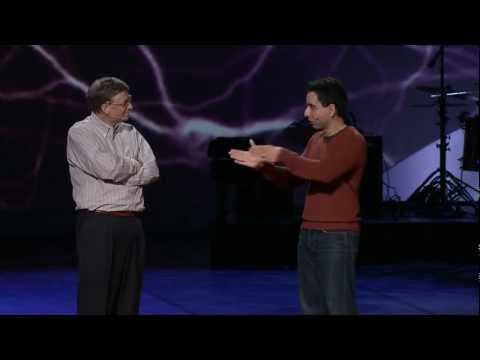
    Salman Khan:Videos change education

    0
    陳劭杰 posted on 2013/09/28
    Ever wondered how technology is revolutionizing education? Dive into Sal Khan's inspiring vision for how videos and innovative tools like mastery learning and knowledge maps can transform the classroom! You'll pick up advanced vocabulary and see simple sentence structures in action, making learning accessible to everyone.

    Learn this video on the APP!

    The VoiceTube App has more in-depth practice for videos!

    Recommended Videos

    Auto Next Video

    Footer

    Download on the App StoreGet it on Google Play

    About

    • About Us
    • Our Learning Services
    • Join Us
    • FAQ
    • Hot Tags

    Services

    • Pronunciation Challenge
    • Saved
    • Search Vocabulary
    • Blog

    Channels

    Levels

    • A1
    • A2
    • B1
    • B2
    • C1
    • C2

    Privacy˙Terms˙
    ©2026 VoiceTube Corporation. All rights reserved