
account of
US /əˈkaʊnt ʌv/
UK /əˈkaunt ɔv/
- Noun
- A spoken or written description of an event.
- Preposition
- Because of; for the reason of.
B1Moreactual
US /ˈæktʃuəl/
UK /ˈæktʃuəl/
- Adjective
- Real or existing in fact, not imagined; real
- Current; existing at the present time.
A2TOEICMoreafter all
US /ˈæftɚ ɔl/
UK /ˈɑ:ftə ɔ:l/
- Adverb
- In spite of what was expected; used to introduce a statement that supports a previous statement or explains why it was made
- Considering everything; used to indicate that something is happening or is true despite some difficulty or obstacle
- Phrase
- Despite what was expected or thought; in spite of everything.
- Taking everything into consideration; considering that.
B1Moreallow for
US
UK
- Verb (Transitive/Intransitive)
- To take into consideration
A1Moreanalysis
US /əˈnælɪsɪs/
UK /əˈnæləsɪs/
- Uncountable Noun
- Careful study to better understand something
B1TOEICMoreanswer to
US
UK
- Phrasal Verb
- To be responsible to someone and have to explain your actions to them.
- To correspond to or match a description or requirement.
A1Moreapart from
US /əˈpɑrt frʌm/
UK /əˈpɑ:t frɔm/
- Preposition
- Except for; not considering
- In addition to; as well as
as a whole
US /æz e hol/
UK /æz ə həul/
- Phrase
- Considering everything together; in general.
- Complete; not divided or incomplete.
- Adjective
- Complete; not divided or fragmented.
A1Moreas for
US /æz fɔr/
UK /æz fɔ:/
- Preposition
- Concerning; regarding.
- Phrase
- Used to introduce a new topic or aspect of a subject.
A1Moreat home
US /æt hom/
UK /æt həum/
- Phrase
- In one's own residence or country.
- Adjective
- Feeling comfortable and relaxed.
at least
US /æt list/
UK /æt li:st/
- Adverb
- As a minimum
- Not less than
- Phrase
- No less than; at the minimum
- Used to indicate that something is positive in a bad situation.
C2Moreat sea
US /æt si/
UK /æt si:/
- Phrase
- Adjective
- Confused; not knowing what to do.
A1Morebenefit
US /ˈbɛnəfɪt/
UK /'benɪfɪt/
- Noun (Countable/Uncountable)
- Good result or effect, something advantageous
- A payment made by the state or an insurance policy to someone
- Verb (Transitive/Intransitive)
- To have a good effect or be helpful
- To receive an advantage; to be helped
A2TOEICMorebook on
US
UK
- Noun
- A book about a particular subject.
- Verb (Transitive/Intransitive)
- To place a bet on something.
A1Morebranch out
US /bræntʃ aʊt/
UK /brɑ:ntʃ aut/
- Intransitive Verb
- To expand or diversify one's interests or activities.
- Phrasal Verb
- To expand or extend one's interests, activities, or business.
- To extend or spread out from a central point.
calculus
US /ˈkælkjələs/
UK /ˈkælkjələs/
- Uncountable Noun
- Branch of math dealing with rates of change, etc.
C1Morecare for
US /kɛr fɔr/
UK /kɛə fɔ:/
- Phrasal Verb
- To want or desire a thing
- To look after someone who is ill, old, or very young.
A1Moreconsists of
US
UK
- Phrasal Verb
- Is made up or composed of.
A1Morecouch potato
US /kaʊtʃ pəˈteto/
UK /kautʃ pəˈteitəu/
- Countable Noun
- A person who spends a lot of time sitting or lying down, usually watching television.
A1Morecut off
US /kʌt ɔf/
UK /kʌt ɔf/
- Phrasal Verb
- To end a process, e.g. a phone call
- To cut the end of something
- Transitive Verb
- To isolate or prevent access to a place or person.
- To interrupt someone while they are speaking.
A1Moredepression
US /dɪˈprɛʃən/
UK /dɪ'preʃn/
- Noun (Countable/Uncountable)
- Medical condition of a lack of vitality
- Period of unemployment and low economic activity
B2Moredisagree
US /ˌdɪsəˈɡri/
UK /ˌdɪsə'ɡri:/
- Intransitive Verb
- To have a different opinion; to fail to agree
B2TOEICMoredisagree with
US /ˌdɪsəˈɡri wɪð/
UK /ˌdisəˈɡri: wið/
- Phrasal Verb
- To have a different opinion from someone else.
- Intransitive Verb
- To cause someone to feel ill or uncomfortable.
A1Moredispense with
US /dɪˈspɛns wɪð/
UK /disˈpens wið/
- Phrasal Verb
- To get rid of; do without; eliminate.
dissatisfied
US /dɪsˈsætɪsˌfaɪd/
UK /dɪsˈsætɪsfaɪd/
- Adjective
- Feeling displeased or unhappy about something
- Feeling or expressing discontentment about something specific.
- Transitive Verb
- To cause not to be content; displease
B1Moredistinction
US /dɪˈstɪŋkʃən/
UK /dɪˈstɪŋkʃn/
- Noun (Countable/Uncountable)
- Special quality that makes something different
- A prize of award for a high level of achievement
A2TOEICMoredistinguish
US /dɪˈstɪŋɡwɪʃ/
UK /dɪˈstɪŋgwɪʃ/
- Transitive Verb
- To make something clearly different from others
- To make noticeable or different; to set apart.
A2TOEICMoredue to
US /du tu/
UK /dju: tu:/
- Preposition
- Because of; owing to
- Adjective
- Attributable to; caused by.
A1Moreengage in
US /ɪn'gedʒ ɪn/
UK /ɪnˈɡeɪdʒ in/
- Phrasal Verb
- To participate or become involved in something.
B1Morefactor
US /ˈfæktɚ/
UK /'fæktə(r)/
- Noun
- Something that influences a result
- Transitive Verb
- To consider or include in an estimate or judgment
- To find the two numbers a number can be divided by
A2TOEICMorefeel like
US
UK
- Intransitive Verb
- To have a desire or inclination for something.
- To have a particular quality or sensation; resemble.
A1Morefor certain
US /fɔr ˈsɚtn/
UK /fɔ: ˈsə:tn/
- Idiom
- Definitely; without a doubt.
- Phrase
- Without any doubt; definitely.
for example
US
UK
- Phrase
- As an illustration or instance.
for the most part
US
UK
- Phrase
- Generally; mostly; on the whole.
- Mostly; generally; in most cases.
A1Morefor the sake of
US /fɔr ði sek ʌv/
UK /fɔ: ðə seik ɔv/
- Phrase
- For the purpose of; in the interest of.
A1Morefuel
US /ˈfjuəl/
UK /'fju:əl/
- Transitive Verb
- To give power to (a mob, anger, etc.); incite
- To provide gas or petrol for something
- Uncountable Noun
- Material used to produce heat or power when burned
A2TOEICMorego ahead
US /ɡo əˈhɛd/
UK /ɡəu əˈhed/
- Phrasal Verb
- To start an activity; start doing, working etc.
- To give permission to do something
- Intransitive Verb
- To start or proceed with something
- To proceed despite potential obstacles or doubts.
A1Morego out
US /ɡo aʊt/
UK /ɡəu aut/
- Phrase
- To leave a building (e.g. a house)
- Phrasal Verb
- (Of a fire) to burn out; be extinguished
- Go out of fashion to stop being fashionable
A1Moregoing on
US /ˈɡoɪŋ ɑn/
UK /ˈgəʊɪŋ ɔn/
- Phrasal Verb
- To continue doing something
- To happen (usually negative)
A1Moregot to
US /ɡɑt tu/
UK /gɔt tu:/
- Verb (Transitive/Intransitive)
- To arrive at some place
- To have the opportunity or permission to do something
- Phrasal Verb
- To appeal to the emotions of; move
- To finally begin to start something after a delay
A1Morehave to
US /hæv tu/
UK /ˈhæv tə/
- Auxiliary Verb
- Must do
A1Morein action
US
UK
- Phrase
- Actively doing something; performing a task or duty.
in answer to
US
UK
- Phrase
- As a response to something.
- As a reaction or response to something, often a problem or request.
A1Morein comparison
US /ɪn kəmˈpærɪsən/
UK /in kəmˈpærisən/
- Adverb
- When compared to something else.
- Phrase
- When compared to something else.
- When considering the differences between two or more things.
A1Morein form
US /ɪn fɔrm/
UK /in fɔ:m/
- Adjective
- In good physical condition; fit.
- Performing at a high level; doing well.
- Phrase
- In the correct or prescribed format.
A1Morein mind
US /ɪn maɪnd/
UK /in maind/
- Phrase
- Being aware of or considering something.
- To remember or consider something.
A2Morein order to
US /ɪn ˈɔrdɚ tu/
UK /in ˈɔ:də tu:/
- Preposition
- For the purpose of; with the aim of.
- Phrase
- In a specific sequence or arrangement.
- With the aim of; for the purpose of.
C1Morein other words
US
UK
- Phrase
- Stating something in a different way, often to make it clearer or more understandable.
in practice
US /ɪn ˈpræktɪs/
UK /in ˈpræktis/
- Phrase
- In reality or actual use; as opposed to in theory.
A1Morein reason
US /ɪn ˈrizən/
UK /ɪn ˈri:zən/
- other
- Within sensible or acceptable limits.
B2Morein the long run
US
UK
- Phrase
- Eventually; over a long period of time.
A1Moreindividual
US /ˌɪndəˈvɪdʒuəl/
UK /ˌɪndɪˈvɪdʒuəl/
- Countable Noun
- Single person, looked at separately from others
- A single thing or item, especially when part of a set or group.
- Adjective
- Made for use by one single person
- Having a distinct manner different from others
A2Moreinflation
US /ɪnˈfleʃən/
UK /ɪn'fleɪʃn/
- Noun (Countable/Uncountable)
- Act of filling something with air or gas
- Continual rise in the prices of products
B1TOEICMoreintense
US /ɪnˈtɛns/
UK /ɪn'tens/
- Adjective
- Very strong, great or extreme in degree
- Experiencing or showing great force or strength; extreme.
A2TOEICMorejudge
US /dʒʌdʒ/
UK /dʒʌdʒ/
- Noun (Countable/Uncountable)
- Person who decides on the results of a contest
- Person who has the power to make a decision
- Verb (Transitive/Intransitive)
- To reach a decision about who won a contest
- To form an opinion after careful consideration
A2TOEICMorelike anything
US /laɪk ˈɛniθɪŋ/
UK /laɪk ˈeniθɪŋ/
- other
- Used to emphasize strong intensity or effort.
B2Morelook at
US /lʊk æt/
UK /luk æt/
- Phrasal Verb
- To use your eyes to focus on something
- To focus your eyes on something carefully
A1Moremajority
US /məˈdʒɔrɪti, -ˈdʒɑr-/
UK /mə'dʒɒrətɪ/
- Noun (Countable/Uncountable)
- Amount that is more than half of a group
- The age at which a person is legally considered an adult.
B1TOEICMoremaximize
US /ˈmæksəˌmaɪz/
UK /ˈmæksɪmaɪz/
- Transitive Verb
- To make as large or great as possible
B1Moreminority
US /məˈnɔrɪti, -ˈnɑr-, maɪ-/
UK /maɪ'nɒrətɪ/
- Noun (Countable/Uncountable)
- Group that is smaller and different from the rest
- Part that is less than half the whole; small part
- Adjective
- Being part of a smaller group within a larger one.
B1TOEICMoremoral
US /ˈmɔrəl, ˈmɑr-/
UK /ˈmɒrəl/
- Adjective
- In a way considered proper and good by most people
- Uncountable Noun
- In a way considered proper and good by most people
A2TOEICMoremoral obligation
US /ˈmɔrəl ˌɑblɪˈɡeʃən/
UK /ˈmɔ:rəl ˌɔbliˈɡeiʃən/
- Noun (Countable/Uncountable)
- A duty based on moral principles and values.
- An ethical responsibility to act in a certain way.
B2Morename for
US
UK
- Phrasal Verb
- To give someone or something a particular name, often in honor of someone else.
A1Moreof value
US /ʌv ˈvælju/
UK /ɔv ˈvælju/
- Adjective
- Having worth, importance, or usefulness.
- Providing a benefit or advantage.
A1Moreon a plate
US /ɑn e plet/
UK /ɔn ə pleit/
- Phrase
- To receive something easily, without much effort.
- Presented to someone without them having to work for it.
A1Moreon the other hand
US
UK
- Phrase
- Considering a different aspect of the matter; alternatively.
A1Moreon the other side of
US /ɑn ði ˈʌðɚ ˈsaɪd ʌv/
UK /ɒn ði ˈʌðə ˈsaɪd ɒv/
- Preposition
- Located across something from a given point.
A2Moreon the table
US /ɑn ði ˈtebəl/
UK /ɔn ðə ˈteibl/
- Phrase
- Located on the surface of a table.
- Available for consideration or discussion.
A1Moreovernight
US /ˈovɚˌnaɪt/
UK /ˌəʊvə'naɪt/
- Adverb
- (Becoming famous, etc.) in a short amount of time
- For or during the night
- Adjective
- Lasting or taking place during the night
- Delivered or intended to be delivered on the next day
B1Morephilosophy
US /fɪˈlɑsəfi/
UK /fə'lɒsəfɪ/
- Uncountable Noun
- Study of ideas about the basic nature of life
- Attitude to life that a person has
C1Morepinto
US /ˈpɪntoʊ/
UK /ˈpɪntəʊ/
- Noun
- Spotted or calico horse or pony
C2Morepleasure
US /ˈplɛʒɚ/
UK /'pleʒə(r)/
- Noun (Countable/Uncountable)
- Feeling of happiness, enjoyment, or satisfaction
- A thing that causes enjoyment or delight.
- Transitive Verb
- To give someone pleasure or satisfaction.
A2TOEICMoreprinciple
US /ˈprɪnsəpəl/
UK /ˈprɪnsəpl/
- Noun (Countable/Uncountable)
- Moral rule or belief governing a person's behavior
- Natural law that explains how things work
A2TOEICMorequalitative
US /ˈkwɑ:ləteɪtətɪv/
UK /ˈkwɒlɪtətɪv/
- Adjective
- Of the quality of (rather than quantity)
- refers to the characteristics, properties, or attributes of something rather than its measurable size or amount
C1Morerat
US /ræt/
UK /ræt/
- Countable Noun
- Long-tailed rodent similar to/bigger than a mouse
- Person who is not loyal and reveals secrets
B1Moreregardless of
US /rɪˈɡɑrdlɪs ʌv/
UK /riˈɡɑ:dlis ɔv/
- Phrase
- Preposition
- Without being affected or influenced by something; despite.
A2Morerespect
US /rɪˈspɛkt/
UK /rɪ'spekt/
- Transitive Verb
- To follow the established rules
- To think very highly of another person
- Noun
- Behavior that follows the established rules
- Regard or admiration for someone or something
A2TOEICMoreroughly speaking
US
UK
- Phrase
- Used to indicate that what you are saying is not exact but is still generally true.
- Generally speaking; in a broad sense.
sacred
US /ˈsekrɪd/
UK /ˈseɪkrɪd/
- Adjective
- Worthy of religious worship; very holy
- Being highly valued and respected
B1Moreset about
US /sɛt əˈbaʊt/
UK /set əˈbaut/
- Phrasal Verb
- To begin or start to do something
A1Moresmoke
US /smoʊk/
UK /sməʊk/
- Intransitive Verb
- To give off a cloud of grey gas from burning
- Uncountable Noun
- Grey gas from fires and cigarettes
- Fog of air coming from e.g. a cigarette, fire
B1Morestand for
US /stænd fɔr/
UK /stænd fɔ:/
- Phrasal Verb
- To support a particular idea, e.g. in politics
- To represent or symbolize
A1Moresuffer
US / ˈsʌfɚ/
UK /'sʌfə(r)/
- Verb (Transitive/Intransitive)
- To experience pain, illness, or injury
- To allow or permit something, especially something unpleasant.
A2Moretake in
US
UK
- Phrasal Verb
- To allow to enter; receive as a guest
- To include or add
- Transitive Verb
- To absorb (liquid).
- To understand or comprehend something.
A1Moretalking about
US
UK
- Phrasal Verb
- To discuss a particular topic.
- To be constantly mentioning or bringing up a subject.
A1Moretank
US /tæŋk/
UK /tæŋk/
- Noun (Countable/Uncountable)
- Container for holding liquid or gas
- Military vehicle that can go over rough areas
- Intransitive Verb
- To fail completely or badly
- To deliberately lose a game or contest
B1Morethe following
US
UK
- Adjective
- Next in order or sequence.
- Uncountable Noun
- What is about to be said or written.
B1Moretheory
US /ˈθiəri, ˈθɪri/
UK /ˈθiəri/
- Noun (Countable/Uncountable)
- Ideas or principles that explain facts or events
- An idea or belief about something
A2TOEICMorethink about
US /θɪŋk əˈbaʊt/
UK /θiŋk əˈbaut/
- Phrasal Verb
- To consider something carefully.
- To remember or call to mind.
A1Morethink back
US /θɪŋk bæk/
UK /θiŋk bæk/
- Phrasal Verb
- To recapture the past
A1Moreto death
US /tu dɛθ/
UK /tu: deθ/
- Phrase
- Extremely; to a great degree
- Until death
B1Moreto do with
US
UK
- Phrasal Verb
- To be about something; concern
A1Moreturn back
US /tɚn bæk/
UK /tə:n bæk/
- Phrasal Verb
- To stop and move backward on some issue
B2Moreturn to
US /tɚn tu/
UK /tə:n tu:/
- Phrasal Verb
- To go to someone for help, advice, or information.
- To start doing or using something, often something bad or undesirable.
A1Moreturned out
US
UK
- Phrasal Verb
- To arrive for a public event or entertainment
- To happen to be in the end
- Transitive Verb
- To extinguish or switch off lights.
A1Moreuse up
US /juz ʌp/
UK /ju:z ʌp/
- Phrasal Verb
- To use all of; consume
A1Moreutilitarian
US /juˌtɪlɪˈtɛriən/
UK /ˌju:tɪlɪˈteəriən/
- Adjective
- Intended to be useful; plain; practical
- Noun
- One thinking that worth comes from usefulness
B2Moreutility
US /juˈtɪləti/
UK /ju:ˈtɪləti/
- Noun (Countable/Uncountable)
- Public services such as gas, water, or electricity
- Something useful, especially a tool or piece of equipment.
- Uncountable Noun
- Fact of being useful; usefulness
- The capacity to be useful and provide satisfaction
B1Morewith it
US /wɪð ɪt/
UK /wið it/
- Adjective
- Intelligent, alert, and up-to-date.
- Understanding and knowledgeable about current trends or information.
A1Moreworm
US /wɚm/
UK /wɜ:m/
- Noun
- Small thin tube-shaped animal without legs
- Transitive Verb
- To remove worms from an animals stomach
- To get information, etc. out of, by tricking them
B2More
Vocabulary
- have to: Must do
- of value: Having worth, importance, or usefulness.
- the following: Next in order or sequence.
- with it: Intelligent, alert, and up-to-date.
- look at: To use your eyes to focus on something
- in mind: Being aware of or considering something.
- after all: In spite of what was expected; used to introduce a statement that supports a previous statement or explains why it was made
- disagree with: To have a different opinion from someone else.
- turned out: To arrive for a public event or entertainment
- think about: To consider something carefully.
- go ahead: To start an activity; start doing, working etc.
- turn to: To go to someone for help, advice, or information.
- as a whole: Considering everything together; in general.
- feel like: To have a desire or inclination for something.
- answer to: To be responsible to someone and have to explain your actions to them.
- to do with: To be about something; concern
- in other words: Stating something in a different way, often to make it clearer or more understandable.
- at least: As a minimum
- regardless of
- take in: To allow to enter; receive as a guest
- in order to: For the purpose of; with the aim of.
- apart from: Except for; not considering
- at sea
- turn back: To stop and move backward on some issue
- account of: A spoken or written description of an event.
- stand for: To support a particular idea, e.g. in politics
- on the other hand : Considering a different aspect of the matter; alternatively.
- on the other side of: Located across something from a given point.
- for the most part: Generally; mostly; on the whole.
- due to: Because of; owing to
- allow for: To take into consideration
- go out: To leave a building (e.g. a house)
- on the table: Located on the surface of a table.
- roughly speaking: Used to indicate that what you are saying is not exact but is still generally true.
- got to: To arrive at some place
- in practice: In reality or actual use; as opposed to in theory.
- for the sake of: For the purpose of; in the interest of.
- in comparison: When compared to something else.
- for example: As an illustration or instance.
- cut off: To end a process, e.g. a phone call
- to death: Extremely; to a great degree
- consists of: Is made up or composed of.
- talking about: To discuss a particular topic.
- use up: To use all of; consume
- dispense with: To get rid of; do without; eliminate.
- think back: To recapture the past
- going on: To continue doing something
- set about: To begin or start to do something
- book on: A book about a particular subject.
- moral obligation: A duty based on moral principles and values.
- in reason: Within sensible or acceptable limits.
- in form: In good physical condition; fit.
- in action: Actively doing something; performing a task or duty.
- like anything: Used to emphasize strong intensity or effort.
- care for: To want or desire a thing
- branch out: To expand or diversify one's interests or activities.
- in answer to: As a response to something.
- engage in: To participate or become involved in something.
- couch potato: A person who spends a lot of time sitting or lying down, usually watching television.
- at home: In one's own residence or country.
- for certain: Definitely; without a doubt.
- name for: To give someone or something a particular name, often in honor of someone else.
- in the long run: Eventually; over a long period of time.
- as for: Concerning; regarding.
- on a plate: To receive something easily, without much effort.
- intense: Very strong, great or extreme in degree
- individual: Single person, looked at separately from others
- figure: To appear in a game, play or event
- depression: Medical condition of a lack of vitality
- majority: Amount that is more than half of a group
- experience: Thing a person has done or that happened to them
- philosophy: Study of ideas about the basic nature of life
- fear: Unpleasant feeling caused by being aware of danger
- measure: Plan to achieve a desired result
- fuel: To give power to (a mob, anger, etc.); incite
- moral: In a way considered proper and good by most people
- theory: Ideas or principles that explain facts or events
- suffer: To experience pain, illness, or injury
- distinguish: To make something clearly different from others
- judge: Person who decides on the results of a contest
- benefit: Good result or effect, something advantageous
- principle: Moral rule or belief governing a person's behavior
- factor: Something that influences a result
- respect: To follow the established rules
- minority: Group that is smaller and different from the rest
- actual: Real or existing in fact, not imagined; real
- inflation: Act of filling something with air or gas
- pleasure: Feeling of happiness, enjoyment, or satisfaction
- fair: Neither very good nor very bad; average
- sacred: Worthy of religious worship; very holy
- distinction: Special quality that makes something different
- utility: Public services such as gas, water, or electricity
- analysis: Careful study to better understand something
- pain: Strong feeling of hurt or discomfort
- place: To put someone in a particular type of situation
- prefer: To like something better than something else
- argue: To fight or disagree over something
- government: Group of people and system that rule a nation
- kind: In a caring and helpful manner
- question: To ask for or try to get information
- include: To make someone, something part of a group
- part: Division of a book
- great: Very good; better than before
- maximize: To make as large or great as possible
- overnight: (Becoming famous, etc.) in a short amount of time
- worm: Small thin tube-shaped animal without legs
- utilitarian: Intended to be useful; plain; practical
- disagree: To have a different opinion; to fail to agree
- tank: Container for holding liquid or gas
- rat: Long-tailed rodent similar to/bigger than a mouse
- calculus: Branch of math dealing with rates of change, etc.
- dissatisfied: Feeling displeased or unhappy about something
- qualitative: Of the quality of (rather than quantity)
- smoke: To give off a cloud of grey gas from burning
- pinto: Spotted or calico horse or pony
Get the full experience in the app
Learn anywhere with detailed sentence and usage analysis
01:03
She took a brave step forward, leaving behind her comfort zone to chase her dreams.
Vocabulary
- brave
adj. Having courage
- comfort zone
phr. A familiar situation where one feels safe
Explanation
a brave step is a noun phrase, where brave is an adjective modifying the noun step, meaning "a courageous step".
forward is an adverb modifying step, meaning "ahead".
The whole phrase serves as the object, answering the "what" of took (verb) — she took a brave step forward.
Get the full experience in the app
Look up words anytime with pronunciation, part of speech, and usage
brave
US/brev/
UK/breɪv/
adj.Brave
v.t.To bravely face
A2 Elementary
Get the full experience in the app
Practice speaking anytime and get instant pronunciation feedback
Try this speaking exercise.
Try practicing with this sentence.
80
How to evaluate happiness.
0
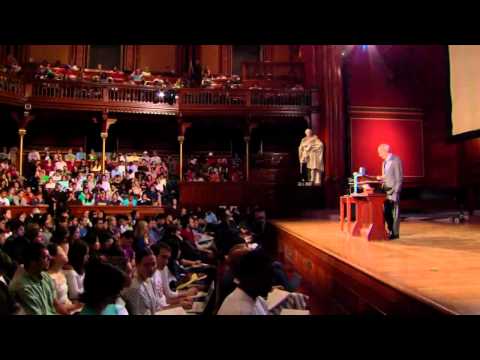
姚易辰 posted on 2013/09/28Ever wondered how to actually measure happiness? This video dives into the fascinating philosophy of utilitarianism, exploring concepts like cost-benefit analysis with real-world examples like the Ford Pinto case! You'll pick up advanced vocabulary and complex sentence structures while thinking critically about how we evaluate well-being.
Learn this video on the APP!
The VoiceTube App has more in-depth practice for videos!