
achieve
US /əˈtʃiv/
UK /ə'tʃi:v/
- Transitive Verb
- To succeed in doing good, usually by working hard
- To succeed in reaching a particular goal, status, or standard, often after effort or perseverance.
A2TOEICMoreassumption
US /əˈsʌmpʃən/
UK /ə'sʌmpʃn/
- Noun (Countable/Uncountable)
- Something you believe to be so, but aren't sure of
A2Morebark
US /bɑ:rk/
UK /bɑ:k/
- Intransitive Verb
- To make the loud sound of a dog (when angry)
- Noun
- Sound made by a dog
- Tough outer covering of a tree or other plant
B1Morebarking up the wrong tree
US /ˈbɑrkɪŋ ʌp ðə rɔŋ tri/
UK /ˈbɑ:kɪŋ ʌp ðə rɒŋ tri:/
- other
- To make a wrong assumption or pursue a false lead.
B2Morebasically
US /ˈbesɪkəli,-kli/
UK /ˈbeɪsɪkli/
- Adverb
- Used before you explain something simply, clearly
- In essence; when you consider the most important aspects of something.
A2Morebite
US /baɪt/
UK /baɪt/
- Noun (Countable/Uncountable)
- Amount of food taken into your mouth at one time
- Wound left from being bitten
- Intransitive Verb
- (E.g. of fish) to take bait and be caught
A2Moreblame
US /blem/
UK /bleɪm/
- Transitive Verb
- To say someone is responsible for something bad
- Noun (Countable/Uncountable)
- Act of saying someone did something bad
A2TOEICMorecalm
US /kɑm/
UK /kɑ:m/
- Adjective
- Without wind or storm; quiet; peaceful
- Relaxed and not worried or angry
- Verb (Transitive/Intransitive)
- To make or become relaxed and not worried or angry
A2Morecalm down
US /kɑm daʊn/
UK /kɑ:m daun/
- Phrasal Verb
- To make or become relaxed after being stressed
A2Morecrime
US /kraɪm/
UK /kraɪm/
- Noun (Countable/Uncountable)
- Act that is believed to be a mistake or foolish
- Act that is against the law; murder, theft etc.
A2Moredetective
US /dɪˈtɛktɪv/
UK /dɪˈtektɪv/
- Noun (Countable/Uncountable)
- Person who investigates and solves crimes
- A story or film about a detective solving a crime.
- Adjective
- Relating to the work of a detective.
- Relating to the detection of crime.
A2Moregrowl
US /ɡraʊl/
UK /graʊl/
- Intransitive Verb
- To utter a deep sound of anger or hostility
- Noun
- A deep sound of anger or hostility
B2Morehold on
US /hold ɑn/
UK /həuld ɔn/
- Phrasal Verb
- To wait for someone (e.g. on a phone call)
- To wait for a short time.
A1Morehorrible
US /ˈhɔrəbəl, ˈhɑr-/
UK /ˈhɒrəbl/
- Adjective
- Very bad; causing annoyance, distaste or fear
A2TOEICMoreimply
US /ɪmˈplaɪ/
UK /ɪmˈplaɪ/
- Transitive Verb
- To suggest something, without saying it directly
- To involve or indicate by inference, association, or necessary consequence rather than by direct statement
A2TOEICMorephrase
US /frez/
UK /freɪz/
- Noun
- Common expression or saying
- Section of musical notes in a piece of music
- Verb (Transitive/Intransitive)
- To choose words to say what you mean clearly
A2Moresolve
US /sɑ:lv/
UK /sɒlv/
- Transitive Verb
- To figure out a way to handle a difficult problem
A2TOEICMorespare
US /spɛr/
UK /speə(r)/
- Transitive Verb
- To make (money or time) available for
- To save from being hurt or punished
- Adjective
- Being extra or in reserve
A2Morespill
US /spɪl/
UK /spɪl/
- Noun
- Accident when someone falls
- Act of allowing a fluid to escape
- Verb (Transitive/Intransitive)
- To come out of and spread beyond limits
- To tell secrets or let information escape
B1Moretalking about
US
UK
- Phrasal Verb
- To discuss a particular topic.
- To be constantly mentioning or bringing up a subject.
A1Moretrouble
US /ˈtrʌbəl/
UK /ˈtrʌbl/
- Transitive Verb
- To worry, bother or disturb someone
- To make an effort to do something; bother
- Uncountable Noun
- Lack of public order; disturbance
- State of difficulty or stress
A2TOEICMorewaste
US /west/
UK /weɪst/
- Transitive Verb
- To kill or severely harm someone
- To use valuable things ineffectively
- Uncountable Noun
- Materials left over after a process has finished
A2TOEICMore
Vocabulary
- barking up the wrong tree: To make a wrong assumption or pursue a false lead.
- hold on: To wait for someone (e.g. on a phone call)
- calm down: To make or become relaxed after being stressed
- talking about: To discuss a particular topic.
- phrase: Common expression or saying
- basically: Used before you explain something simply, clearly
- achieve: To succeed in doing good, usually by working hard
- spare: To make (money or time) available for
- blame: To say someone is responsible for something bad
- assumption: Something you believe to be so, but aren't sure of
- calm: Without wind or storm; quiet; peaceful
- bit: Device put in a horse's mouth to control it
- horrible: Very bad; causing annoyance, distaste or fear
- leave: To go away from; depart
- crime: Act that is believed to be a mistake or foolish
- spill: Accident when someone falls
- waste: To kill or severely harm someone
- arrest: To attract someone's attention and hold interest
- imply: To suggest something, without saying it directly
- solve: To figure out a way to handle a difficult problem
- kind: In a caring and helpful manner
- wrong: Action that is harmful, unjust or illegal
- worse: Comparative of 'bad'; more bad
- drive: A person's ambition and motivation to do something
- find: To become aware of something that is happening
- person: Man, woman or child
- bite: Amount of food taken into your mouth at one time
- make: To arrange or prepare something e.g. dinner
- detective: Person who investigates and solves crimes
- understand: To know the meaning of language, what someone says
- hold: To agree to keep something for someone
- problem: Something difficult to deal with or causes trouble
- work: The product of some artistic or literary endeavor
- time: Speed at which music is played; tempo
- trouble: To worry, bother or disturb someone
- bark: To make the loud sound of a dog (when angry)
- growl: To utter a deep sound of anger or hostility
Get the full experience in the app
Learn anywhere with detailed sentence and usage analysis
01:03
She took a brave step forward, leaving behind her comfort zone to chase her dreams.
Vocabulary
- brave
adj. Having courage
- comfort zone
phr. A familiar situation where one feels safe
Explanation
a brave step is a noun phrase, where brave is an adjective modifying the noun step, meaning "a courageous step".
forward is an adverb modifying step, meaning "ahead".
The whole phrase serves as the object, answering the "what" of took (verb) — she took a brave step forward.
Get the full experience in the app
Look up words anytime with pronunciation, part of speech, and usage
brave
US/brev/
UK/breɪv/
adj.Brave
v.t.To bravely face
A2 Elementary
Get the full experience in the app
Practice speaking anytime and get instant pronunciation feedback
Try this speaking exercise.
Try practicing with this sentence.
80
0
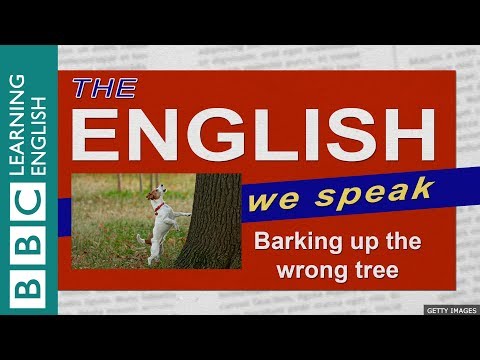
吃v的春天 posted on 2025/12/24Ever accused someone wrongly? This fun "English We Speak" video breaks down the hilarious idiom "barking up the wrong tree" with practical examples you can use right away! You'll pick up a fantastic phrase for everyday conversations and avoid misunderstandings in no time.
Learn this video on the APP!
The VoiceTube App has more in-depth practice for videos!