
against the law
US
UK
- Adjective
- Not allowed according to the law; illegal.
A1Moreauthority
US /əˈθɔrɪti, əˈθɑr-, ɔˈθɔr-, ɔˈθɑr-/
UK /ɔ:ˈθɒrəti/
- Noun (Countable/Uncountable)
- The power to give orders to people
- Person who is an expert on a particular topic
A2TOEICMorechallenge
US /ˈtʃæləndʒ/
UK /'tʃælɪndʒ/
- Noun (Countable/Uncountable)
- An activity you wish to try that may be hard to do
- Act of formally inviting someone to compete
- Transitive Verb
- To formally invite someone to compete at something
- To question the correctness of something
A2Moreconfident
US /ˈkɑnfɪdənt/
UK /ˈkɒnfɪdənt/
- Adjective
- Feeling that you can do well at something
- Having a strong belief in the truth or certainty of something.
- Noun
- A person who is self-assured and believes in their abilities.
A2Moreconnotation
US /ˌkɑnəˈteʃən/
UK /ˌkɒnəˈteɪʃn/
- Noun
- Idea associated with another one
C1TOEICMoreconversation
US /ˌkɑnvɚˈseʃən/
UK /ˌkɒnvəˈseɪʃn/
- Uncountable Noun
- Talking with other people; discussion or chat
- General communication or interaction.
A2Morecurious
US /ˈkjʊriəs/
UK /ˈkjʊəriəs/
- Adjective
- Wanting to know more about something
- Attracting interest by being strange or unusual
A2Moredesire
US / dɪˈzaɪr/
UK /dɪ'zaɪə(r)/
- Transitive Verb
- To wish for, hope or want something
- Noun (Countable/Uncountable)
- Thing that is wished for or wanted
- A strong feeling of sexual wanting.
A2Moredistract
US /dɪˈstrækt/
UK /dɪ'strækt/
- Transitive Verb
- To draw someone's attention away from something
B1TOEICMorefeedback
US /ˈfidˌbæk/
UK /ˈfi:dbæk/
- Noun (Countable/Uncountable)
- A response or opinion, about a service, etc.
- Information about reactions to a product, a person's performance of a task, etc. which is used as a basis for improvement.
- Verb (Transitive/Intransitive)
- To give information or opinions about something to someone, especially in order to improve it.
B1TOEICMorefor example
US
UK
- Phrase
- As an illustration or instance.
generally
US /ˈdʒɛnərəli/
UK /ˈdʒenrəli/
- Adverb
- Usually; as a rule; by, to or for most people
A2Morego on
US /ɡo ɑn/
UK /ɡəu ɔn/
- Phrasal Verb
- To continue doing something
- To happen (usually negative)
- Interjection
- Used to encourage someone
A1Morehaircut
US /ˈhɛrˌkʌt/
UK /ˈheəˌkʌt/
- Noun
- Act of cutting the hair; way the hair is cut
B2Morehave to
US /hæv tu/
UK /ˈhæv tə/
- Auxiliary Verb
- Must do
A1Morein general
US /ɪn ˈdʒɛnərəl/
UK /in ˈdʒenərəl/
- Phrase
- Typically; usually; on the whole.
- Not specific or detailed; broadly.
- Adjective
- Not detailed or specific; overall.
C2Morein real life
US /ɪn ˈriəl laɪf/
UK /in riəl laif/
- Phrase
- In the physical world; not online or in a fictional setting.
- Actually; genuinely; not made up or fictional.
A2Morelikelihood
US /ˈlaɪkliˌhʊd/
UK /ˈlaɪklihʊd/
- Uncountable Noun
- Chance that something might happen
B1TOEICMorelook at
US /lʊk æt/
UK /luk æt/
- Phrasal Verb
- To use your eyes to focus on something
- To focus your eyes on something carefully
A1Morenative
US /ˈnetɪv/
UK /ˈneɪtɪv/
- Noun (Countable/Uncountable)
- Someone from or born in a specific country
- Original inhabitant, e.g. before others
- Adjective
- Caused by natural ability; innate
A2Morenecessity
US /nəˈsɛsɪti/
UK /nəˈsesəti/
- Noun (Countable/Uncountable)
- Something that you must have or do
- The state of being forced to do something because it is required.
B1TOEICMorenegative
US /ˈnɛɡətɪv/
UK /'neɡətɪv/
- Noun
- The opposite to a positive electrical charge
- In grammar, containing words such as 'no' or 'not'
- Adjective
- Being harmful, unwanted or unhelpful
- In mathematics, being less than zero
A2Moreobligation
US /ˌɑblɪˈɡeʃən/
UK /ˌɒblɪ'ɡeɪʃn/
- Noun
- Duty to be done because of a law, rule or promise
- Fact of being forced morally to do something
B2TOEICMoreon my birthday
US
UK
- Phrase
- Referring to the day of one's birth, often used in the context of celebrations or events.
- Used to express wishes, hopes, or plans related to one's birthday.
A1Moreon time
US /ɑn taɪm/
UK /ɔn taim/
- Phrase
- Adjective
- Arriving at or done by the required time
- Meeting a deadline; punctual in fulfilling obligations.
A1Moreon to
US /ɑn tu/
UK /ɔn tu:/
- Preposition
- Toward something; forward
- Aware of someone's activities.
- Adjective
- Aware of someone's deception or illegal activities.
A1Moreonline
US /ˌɑ:nˈlaɪn/
UK /ˌɒnˈlaɪn/
- Adjective
- Connected to the internet
- Adverb
- Via the internet.
B1Moreout of control
US /aʊt ʌv kənˈtrol/
UK /aut ɔv kənˈtrəul/
- Adjective
- Impossible to manage or control.
- Not able to be directed or steered.
A1Morepassport
US /ˈpæspɔ:rt/
UK /ˈpɑ:spɔ:t/
- Countable Noun
- Official book of identification allowing travel
- Noun
- Way to achieve something
B1TOEICMorepositive
US /ˈpɑzɪtɪv/
UK /ˈpɒzətɪv/
- Adjective
- Showing agreement or support for something
- Being sure about something; knowing the truth
- Noun
- A photograph in which light areas are light and dark areas are dark
A2Morepractice
US /ˈpræktɪs/
UK /'præktɪs/
- Noun
- The office and place for legal or medical work
- Doing something many times to become better at it
- Verb (Transitive/Intransitive)
- To work as a doctor or lawyer
- To live according to the teachings of a religion
A2TOEICMoreprohibit
US /proˈhɪbɪt/
UK /prə'hɪbɪt/
- Transitive Verb
- To make something impossible
- To prevent, forbid to use or do something
B1TOEICMorerequire
US /rɪˈkwaɪr/
UK /rɪ'kwaɪə(r)/
- Transitive Verb
- To demand that someone does something
- To need to do something, to make it necessary
A2TOEICMoresection
US / ˈsɛkʃən/
UK /'sekʃn/
- Noun (Countable/Uncountable)
- A part of a whole
- Specific group of people from a larger group
- Transitive Verb
- To divide something into smaller parts
B1TOEICMoresmoke
US /smoʊk/
UK /sməʊk/
- Intransitive Verb
- To give off a cloud of grey gas from burning
- Uncountable Noun
- Grey gas from fires and cigarettes
- Fog of air coming from e.g. a cigarette, fire
B1Morestress
US / strɛs/
UK /stres/
- Transitive Verb
- To emphasize one or more parts of a word, sentence
- To put pressure on something or someone
- Noun (Countable/Uncountable)
- Emphasis on part of a word or sentence
- Pressure on something or someone
A2TOEICMoresyllable
US /ˈsɪləbəl/
UK /'sɪləbl/
- Countable Noun
- Part of a word containing a vowel
B2Moretalking about
US
UK
- Phrasal Verb
- To discuss a particular topic.
- To be constantly mentioning or bringing up a subject.
A1Moretend
US /tɛnd/
UK /tend/
- Intransitive Verb
- To move or act in a certain manner
- Transitive Verb
- To take care of
A2Morethink about
US /θɪŋk əˈbaʊt/
UK /θiŋk əˈbaut/
- Phrasal Verb
- To consider something carefully.
- To remember or call to mind.
A1Moretravel abroad
US
UK
- Intransitive Verb
- To go to a foreign country.
B1Moretricky
US /ˈtrɪki/
UK /'trɪkɪ/
- Adjective
- Difficult, so needing skill to do or deal with
- Likely to use tricks; dishonest or deceptive
A2Moreturn off
US
UK
- Phrasal Verb
- To make someone feel negatively about something
A1Moreunacceptable
US /ˌʌnɪkˈsɛptəbəl, -æk-/
UK /ˌʌnəkˈseptəbl/
- Adjective
- Not being or behaving in the correct or right way
B1Moreused to
US /juzd tu/
UK /ˈju:st tə/
- Adjective
- Did regularly before, but don't do now
- Auxiliary Verb
- Have done before, but do not do now
A1Moreworkplace
US /ˈwɚkˌples/
UK /ˈwɜ:kpleɪs/
- Noun (Countable/Uncountable)
- Place where work is done
B2More
Vocabulary
- have to: Must do
- for example: As an illustration or instance.
- look at: To use your eyes to focus on something
- turn off
- used to: Did regularly before, but don't do now
- on my birthday: Referring to the day of one's birth, often used in the context of celebrations or events.
- in real life: In the physical world; not online or in a fictional setting.
- out of control: Impossible to manage or control.
- on time
- travel abroad: To go to a foreign country.
- in general: Typically; usually; on the whole.
- talking about: To discuss a particular topic.
- think about: To consider something carefully.
- on to: Toward something; forward
- go on: To continue doing something
- against the law: Not allowed according to the law; illegal.
- practice: The office and place for legal or medical work
- native: Someone from or born in a specific country
- positive: Showing agreement or support for something
- negative: The opposite to a positive electrical charge
- tend: To move or act in a certain manner
- tricky: Difficult, so needing skill to do or deal with
- general: Widespread, normal or usual
- conversation: Talking with other people; discussion or chat
- distract: To draw someone's attention away from something
- curious: Wanting to know more about something
- express: To send something by fast mail
- confident: Feeling that you can do well at something
- obligation: Duty to be done because of a law, rule or promise
- stress: To emphasize one or more parts of a word, sentence
- sentence: (Of a judge) to decide the punishment of
- desire: To wish for, hope or want something
- bit: Device put in a horse's mouth to control it
- authority: The power to give orders to people
- similar: Nearly the same; alike
- mean: Average of a set of numbers
- generally: Usually; as a rule; by, to or for most people
- require: To demand that someone does something
- form: Sports team or person's current winning record
- section: A part of a whole
- challenge: An activity you wish to try that may be hard to do
- syllable: Part of a word containing a vowel
- risk: To do something potentially dangerous or foolish
- likelihood: Chance that something might happen
- break: To create a new record e.g. running the 100m dash
- discuss: To talk about seriously or in great detail
- feedback: A response or opinion, about a service, etc.
- moment: Very short or brief period of time
- important: Having power or authority
- allow: To admit the validity or truth of something
- necessity: Something that you must have or do
- connotation: Idea associated with another one
- lot: What happens to a person in life from chance; fate
- build: Your physical shape; physique
- prohibit: To make something impossible
- unacceptable: Not being or behaving in the correct or right way
- workplace: Place where work is done
- passport: Official book of identification allowing travel
- online: Connected to the internet
- smoke: To give off a cloud of grey gas from burning
- haircut: Act of cutting the hair; way the hair is cut
Get the full experience in the app
Learn anywhere with detailed sentence and usage analysis
01:03
She took a brave step forward, leaving behind her comfort zone to chase her dreams.
Vocabulary
- brave
adj. Having courage
- comfort zone
phr. A familiar situation where one feels safe
Explanation
a brave step is a noun phrase, where brave is an adjective modifying the noun step, meaning "a courageous step".
forward is an adverb modifying step, meaning "ahead".
The whole phrase serves as the object, answering the "what" of took (verb) — she took a brave step forward.
Get the full experience in the app
Look up words anytime with pronunciation, part of speech, and usage
brave
US/brev/
UK/breɪv/
adj.Brave
v.t.To bravely face
A2 Elementary
Get the full experience in the app
Practice speaking anytime and get instant pronunciation feedback
Try this speaking exercise.
Try practicing with this sentence.
80
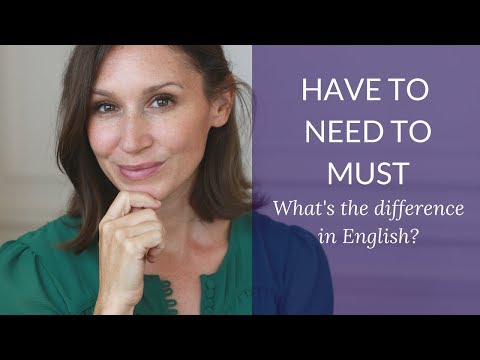
Have to vs. Need to vs. Must - What's the difference in English?
0
Samuel posted on 2018/07/15Ever get confused between 'have to,' 'need to,' and 'must'? This video breaks down the subtle differences in obligation and necessity, giving you the confidence to use them correctly in everyday conversations and even at work! You'll pick up practical grammar tips that make your English sound more natural and fluent.
Learn this video on the APP!
The VoiceTube App has more in-depth practice for videos!