
ancestor
US /ˈænˌsɛstɚ/
UK /'ænsestə(r)/
- Noun
- A person from your family that lived in the past
B1Moreancient
US /ˈenʃənt/
UK /'eɪnʃənt/
- Adjective
- Very old; having lived a very long time ago
- Relating to a period in history, especially in the distant past.
- Noun
- A person who lived in ancient times.
A2Moreapplause
US /əˈplɔz/
UK /ə'plɔ:z/
- Noun (Countable/Uncountable)
- The sound made by clapping a performance or speech
B1Morebackbone
US /ˈbækˌbon/
UK /'bækbəʊn/
- Uncountable Noun
- Strength and determination
- Noun
- strength; the most important part of something, providing support for everything else
B2Morebacteria
US /bækˈtɪriə/
UK /bæk'tɪərɪə/
- Noun (plural)
- The very small creatures that can cause disease
B2Morechimpanzee
US /ˌtʃɪmpænˈzi,-pən-,tʃɪmˈpænzi/
UK /ˌtʃɪmpæn'zi:/
- Countable Noun
- Animal similar to a monkey but without a tail
B2Morecommon ancestor
US
UK
- Noun
- An ancestor that two or more species have in common and from which they both evolved.
B1Moreconnect
US /kəˈnɛkt/
UK /kə'nekt/
- Transitive Verb
- To associate a thing with something else
- To join or attach things together
A2Morecorrupt
US /kəˈrʌpt/
UK /kə'rʌpt/
- Transitive Verb
- To persuade someone to act illegal or immorally
- To cause to become damaged or spoiled
- Adjective
- Being damaged or spoiled
- Misusing power, as by taking bribes, to get rich
B1Morecreature
US /ˈkritʃɚ/
UK /ˈkri:tʃə(r)/
- Noun (Countable/Uncountable)
- Animal of any type
- An animal, as distinct from a human being.
A2Moredatum
US /ˈdetəm, ˈdætəm, ˈdɑtəm/
UK /ˈdeɪtəm/
- Noun
- Item of factual information
B1Moredie off
US /daɪ ɔf/
UK /dai ɔf/
- Phrasal Verb
- To decrease in number so few or none are left
A1Moredna
US
UK
- Noun (Countable/Uncountable)
- Chemical in living cells with genetic information
B2Moreevolution
US /ˌɛvəˈluʃən, ˌivə-/
UK /ˌi:və'lu:ʃn/
- Uncountable Noun
- Theory that living things change over time
- Process by which something develops over time
B1Moreevolutionary
US /ˌiːvəˈluːʃəneri/
UK /ˌi:vəˈlu:ʃənri/
- Adjective
- Concerning gradual change over time
B2Moreevolve
US /ɪˈvɑlv/
UK /ɪ'vɒlv/
- Verb (Transitive/Intransitive)
- To develop certain features
- To develop or change slowly over time
B1Moreextinct
US /ɪkˈstɪŋkt/
UK /ɪkˈstɪŋkt/
- Adjective
- (Of animal, etc.) having died out; with none left
- (E.g. of volcano) not active
B1TOEICMorefish out of water
US /fɪʃ aʊt ʌv ˈwɑtɚ/
UK /fɪʃ aut əv ˈwɔ:tə/
- other
- Feeling uncomfortable or out of place in a situation.
B2Morefit
US /fɪt/
UK /fɪt/
- Adjective
- Good looking; physically attractive
- Having good physical health and strength
- Verb (Transitive/Intransitive)
- To install a machine, equipment etc.
- To adjust or change to the right size or shape
A2Morefor instance
US /fɔr ˈɪnstəns/
UK /fɔ: ˈinstəns/
- Adverb
- As an example.
- Phrase
- As an example.
- As an illustration or case in point
B1Morefor sure
US /fɔr ʃʊr/
UK /fɔ: ʃuə/
- Adverb
- Definitely; certainly; without a doubt.
- Used to emphasize a statement.
- Interjection
- An expression of strong agreement or affirmation.
A2Morefungus
US /ˈfʌŋɡəs/
UK /ˈfʌŋgəs/
- Noun (Countable/Uncountable)
- Plant, e.g. mushroom/mold, growing in damp places
B2Moregender
US /ˈdʒɛndɚ/
UK /'dʒendə(r)/
- Noun
- State of being male or female
- The socially constructed roles, behaviours, expressions and identities of people.
- Transitive Verb
- To assign a gender to; to consider something in terms of gender.
B1Moregigantic
US /dʒaɪˈɡæntɪk/
UK /dʒaɪ'ɡæntɪk/
- Adjective
- Extremely large
- Of very great size, extent, or degree.
B2Moregoal
US /ɡol/
UK /ɡəʊl/
- Noun (Countable/Uncountable)
- Something you try to do or achieve; an aim
- (Sports) net into which you put a ball to score
A2TOEICMoregravity
US /ˈɡrævɪti/
UK /ˈgrævəti/
- Uncountable Noun
- (Of a situation) extreme seriousness
- Force making things fall towards the ground
B1TOEICMorehave to
US /hæv tu/
UK /ˈhæv tə/
- Auxiliary Verb
- Must do
A1Morein terms of
US
UK
- Phrase
- With regard to; concerning a particular aspect.
A1Moreinstance
US /ˈɪnstəns/
UK /'ɪnstəns/
- Noun (Countable/Uncountable)
- An example of something; case
- An occurrence of something.
- Transitive Verb
- To give as an example of something else
A2TOEICMoreinvisible
US /ɪnˈvɪzəbəl/
UK /ɪnˈvɪzəbl/
- Adjective
- Being unable to be seen
- Of money earned from services, instead of products
B1TOEICMorelineage
US /ˈlɪniɪdʒ/
UK /ˈlɪniɪdʒ/
- Noun
- People in someone's family who lived in the past
B2Morelook at
US /lʊk æt/
UK /luk æt/
- Phrasal Verb
- To use your eyes to focus on something
- To focus your eyes on something carefully
A1Moremake up
US /mek ʌp/
UK /meik ʌp/
- Phrasal Verb
- To invent or create a story
- To add up to
- Verb (Transitive/Intransitive)
- To invent a story, excuse, etc.
- To compensate for something lost, missed, or deficient.
A1Moremisunderstand
US /ˌmɪsʌndərˈstænd/
UK /ˌmɪsʌndəˈstænd/
- Transitive Verb
- To fail to get the meaning correctly
B1TOEICMoreon earth
US /ɑn ɚθ/
UK /ɔn ə:θ/
- Phrase
- Used to emphasize a question expressing surprise or anger.
- Used to emphasize that something is not possible or will not happen.
A1Moreorganism
US /ˈɔrɡəˌnɪzəm/
UK /'ɔ:ɡənɪzəm/
- Noun
- Living thing, often one that is small
- System with many parts that function as a whole
B2Moreplanet
US /ˈplænɪt/
UK /'plænɪt/
- Noun (Countable/Uncountable)
- One of the bodies that orbit the sun
- A different world or sphere of existence.
- Proper Noun
- The earth.
A2Morepop
US /pɑp/
UK /pɒp/
- Verb (Transitive/Intransitive)
- To cause something to open or burst suddenly
- To go to or in a place for a brief period of time
- Noun (Countable/Uncountable)
- Sweet soda drink
- A short, sharp, explosive sound.
B2Morepop up
US /pɑp ʌp/
UK /pɔp ʌp/
- Intransitive Verb
- To appear suddenly.
- Phrasal Verb
- To appear suddenly and unexpectedly.
- To appear on a computer screen.
A1Moreportray
US /pɔ:rˈtreɪ/
UK /pɔ:ˈtreɪ/
- Transitive Verb
- To play a character in theater or on film
- To represent something for artistic purposes
B2Moreprimitive
US /ˈprɪmɪtɪv/
UK /ˈprɪmətɪv/
- Adjective
- Lacking a written language and advanced technology
- Being rough and underdeveloped
- Noun (Countable/Uncountable)
- Self-taught artist; the art done in this style
- Offensive people considered lacking a culture
B1Moreprocess
US /ˈprɑsˌɛs, ˈproˌsɛs/
UK /prə'ses/
- Transitive Verb
- To organize and use data in a computer
- To deal with official forms in the way required
- Noun (Countable/Uncountable)
- Dealing with official forms in the way required
- Set of changes that occur slowly and naturally
A2TOEICMoreprove
US /pruv/
UK /pru:v/
- Transitive Verb
- To demonstrate truth by providing evidence
- To test the quality or worth of something.
- Intransitive Verb
- To turn out to be; be found to be.
A2TOEICMorerace
US /res/
UK /reɪs/
- Noun (Countable/Uncountable)
- Speed contest between people, animals or vehicles
- People who share physical features or culture
- Intransitive Verb
- To take part in a running or swimming competition
- To move or go at a very fast pace
A2Morerelate
US /rɪˈlet/
UK /rɪ'leɪt/
- Transitive Verb
- To demonstrate a logical relationship between
- To understand or sympathize with, e.g. a problem
A2TOEICMorereproduce
US /ˌriprəˈdus, -ˈdjus/
UK /ˌri:prə'dju:s/
- Verb (Transitive/Intransitive)
- To make a copy of something
- To have children/young; grow roots/new plants
B1Moresteady
US /ˈstɛdi/
UK /'stedɪ/
- Adjective
- Happening or developing at a regular rate
- Continuing without stopping or changing over time
- Transitive Verb
- To make constant, unchanging or staying the same
- To hold something/someone so they stop moving
B2Moresurvive
US /sɚˈvaɪv/
UK /sə'vaɪv/
- Intransitive Verb
- To continue to live despite illness or trouble
A2TOEICMoretechnically
US /ˈtɛknɪkl:ɪ/
UK /ˈteknɪkli/
- Adverb
- In an exact and particular manner
- With technical skill or expertise.
A2Moretheory
US /ˈθiəri, ˈθɪri/
UK /ˈθiəri/
- Noun (Countable/Uncountable)
- Ideas or principles that explain facts or events
- An idea or belief about something
A2TOEICMorethink of
US /θɪŋk ʌv/
UK /θiŋk ɔv/
- Phrasal Verb
- To look on as (being something specific); consider
- To consider or remember something.
- Verb (Transitive/Intransitive)
- To imagine or call something to mind
A1Moreunfinished
US /ʌnˈfɪnɪʃt/
UK /ʌnˈfɪnɪʃt/
- Adjective
- Not yet ended; not complete; still being done
C2Morevariety
US /vəˈraɪɪti/
UK /və'raɪətɪ/
- Noun
- Particular type of thing or person
- The quality or state of being different or diverse; the absence of uniformity, sameness, or monotony.
A2TOEICMore
Vocabulary
- think of: To look on as (being something specific); consider
- on earth: Used to emphasize a question expressing surprise or anger.
- have to: Must do
- for instance: As an example.
- die off: To decrease in number so few or none are left
- look at: To use your eyes to focus on something
- pop up: To appear suddenly.
- in terms of
- make up: To invent or create a story
- common ancestor: An ancestor that two or more species have in common and from which they both evolved.
- for sure: Definitely; certainly; without a doubt.
- fish out of water: Feeling uncomfortable or out of place in a situation.
- process: To organize and use data in a computer
- matter: To be of great importance; to count
- ancient: Very old; having lived a very long time ago
- instance: An example of something; case
- evolve: To develop certain features
- applause: The sound made by clapping a performance or speech
- common: Area in a city or town that is open to everyone
- treat: To pay for the food or enjoyment of someone else
- develop: To explain something in steps and in detail
- variety: Particular type of thing or person
- bacteria: The very small creatures that can cause disease
- environment: Natural world in which plants and animals live
- evolutionary: Concerning gradual change over time
- gravity: (Of a situation) extreme seriousness
- theory: Ideas or principles that explain facts or events
- primitive: Lacking a written language and advanced technology
- ancestor: A person from your family that lived in the past
- evolution: Theory that living things change over time
- gigantic: Extremely large
- planet: One of the bodies that orbit the sun
- survive: To continue to live despite illness or trouble
- steady: Happening or developing at a regular rate
- gender: State of being male or female
- technically: In an exact and particular manner
- lead: Wire for electricity, computer, etc.; cable
- extinct: (Of animal, etc.) having died out; with none left
- relate: To demonstrate a logical relationship between
- invisible: Being unable to be seen
- fit: Good looking; physically attractive
- race: Speed contest between people, animals or vehicles
- portray: To play a character in theater or on film
- prove: To demonstrate truth by providing evidence
- organism: Living thing, often one that is small
- goal: Something you try to do or achieve; an aim
- creature: Animal of any type
- pop: To cause something to open or burst suddenly
- favorite: A thing that someone likes best or enjoys most
- corrupt: To persuade someone to act illegal or immorally
- single: One run in cricket or a hit baseball
- fungus: Plant, e.g. mushroom/mold, growing in damp places
- fact: Something that is known or proved to be true
- learn: To get knowledge or skills by study or experience
- simple: Not hard to understand or do; not complex
- connect: To associate a thing with something else
- natural: Being as one would expect; being usual or normal
- rise: To wake up and get out of bed after sleeping
- wrong: Action that is harmful, unjust or illegal
- question: To ask for or try to get information
- reproduce: To make a copy of something
- lineage: People in someone's family who lived in the past
- backbone: Strength and determination
- chimpanzee: Animal similar to a monkey but without a tail
- datum: Item of factual information
- misunderstand: To fail to get the meaning correctly
- unfinished: Not yet ended; not complete; still being done
- dna: Chemical in living cells with genetic information
Get the full experience in the app
Learn anywhere with detailed sentence and usage analysis
01:03
She took a brave step forward, leaving behind her comfort zone to chase her dreams.
Vocabulary
- brave
adj. Having courage
- comfort zone
phr. A familiar situation where one feels safe
Explanation
a brave step is a noun phrase, where brave is an adjective modifying the noun step, meaning "a courageous step".
forward is an adverb modifying step, meaning "ahead".
The whole phrase serves as the object, answering the "what" of took (verb) — she took a brave step forward.
Get the full experience in the app
Look up words anytime with pronunciation, part of speech, and usage
brave
US/brev/
UK/breɪv/
adj.Brave
v.t.To bravely face
A2 Elementary
Get the full experience in the app
Practice speaking anytime and get instant pronunciation feedback
Try this speaking exercise.
Try practicing with this sentence.
80
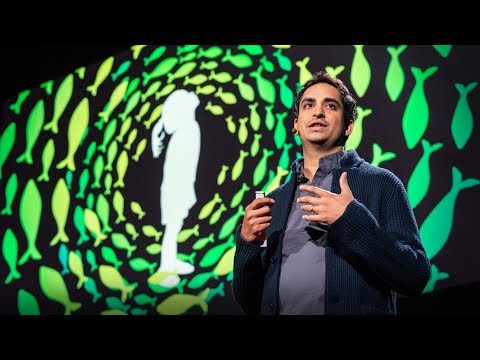
【TED】Prosanta Chakrabarty: Four billion years of evolution in six minutes (Four billion years of evolution in six minutes | Prosanta Chakrabarty)
0
林宜悉 posted on 2018/07/06Ever wondered how we got here? This fascinating TED talk by evolutionary biologist Prosanta Chakrabarty takes you on a whirlwind tour of four billion years of evolution in just six minutes! You'll pick up some advanced vocabulary and gain a deeper understanding of our common ancestry, even learning why humans are surprisingly like fish!
Learn this video on the APP!
The VoiceTube App has more in-depth practice for videos!