
alternative
US /ɔlˈtɚnətɪv, æl-/
UK /ɔ:lˈtɜ:nətɪv/
- Countable Noun
- Something different you can choose
- Adjective
- A different choice
A2TOEICMoreanalyze
US /ˈænəˌlaɪz/
UK /'ænəlaɪz/
- Transitive Verb
- To study carefully to find out the meaning of
B1TOEICMoreapplause
US /əˈplɔz/
UK /ə'plɔ:z/
- Noun (Countable/Uncountable)
- The sound made by clapping a performance or speech
B1Morearound the world
US /əˈraʊnd ði wɜrld/
UK /əˈraund ðə wɜː(r)ld/
- Phrase
- In or to many countries.
- In various places throughout the world.
A2Moreas a result of
US
UK
- Phrase
- Because of something; owing to.
A1Moreat the same time
US
UK
- Phrase
- Simultaneously; at the identical moment.
- Nevertheless; however; used to introduce a contrasting or qualifying statement.
A1Morecheck out
US /tʃɛk aʊt/
UK /tʃek aut/
- Phrase
- Phrasal Verb
- To find out information about something
- To take books out of a library
A1Morecoup
US /ku/
UK /ku:/
- Noun (Countable/Uncountable)
- Successful taking over of a thing; sudden success
- Attempt to take control from the government
B2Morecrucifixion
US /ˌkrusəˈfɪkʃən/
UK /ˌkru:səˈfɪkʃn/
- Noun
- Act of execution by being nailed to a cross
B2Moreculture
US /ˈkʌltʃɚ/
UK /'kʌltʃə(r)/
- Noun (Countable/Uncountable)
- Beliefs and customs of a particular group
- The customs, beliefs, art, and all the other things that a group of people share and consider important.
- Transitive Verb
- To grow cells, tissues, bacteria, etc. in a controlled environment.
A2Moredeliberate
US /dɪˈlɪbərɪt/
UK /dɪ'lɪbərət/
- Adjective
- Carefully thought out in advance
- Done purposely
- Verb (Transitive/Intransitive)
- To consider a problem or decision carefully
B2Moredemocracy
US /dɪˈmɑkrəsi/
UK /dɪ'mɒkrəsɪ/
- Noun (Countable/Uncountable)
- System of government in which everyone is equal
- Principles of social equality and respect for the individual within a society.
B1Moredepend
US /dɪˈpend/
UK /dɪˈpend/
- Verb (Transitive/Intransitive)
- Be controlled or determined by (someone/something)
- To rely on someone or something for support, help, or existence.
B1TOEICMoredistinguish
US /dɪˈstɪŋɡwɪʃ/
UK /dɪˈstɪŋgwɪʃ/
- Transitive Verb
- To make something clearly different from others
- To make noticeable or different; to set apart.
A2TOEICMoredramatic
US /drəˈmætɪk/
UK /drəˈmætɪk/
- Adjective
- Gripping the attention; causing an effect
- (Of an event) sudden and extreme
B1Moreemotional
US /ɪˈmoʃənəl/
UK /ɪˈməʊʃənl/
- Adjective
- Causing, feeling, or appealing to the emotions
- Relating to or characterized by emotion
A2Morefaith
US /feθ/
UK /feɪθ/
- Uncountable Noun
- Belief in a god or gods; religion
- Belief that that something is true without proof
- Proper Noun
- Person's name
A2TOEICMorefake
US /fek/
UK /feɪk/
- Adjective
- Not real; made to look like something real
- Countable Noun
- A copy of something made to trick people
B1Morefascist
US /'fæʃɪst/
UK /'fæʃɪst/
- Noun
- Person advocate an authoritarian government
B2Morehub
US /hʌb/
UK /hʌb/
- Noun (Countable/Uncountable)
- Center of action or interest
- Central part of a wheel
B1Moreidentify
US /aɪˈdɛntəˌfaɪ/
UK /aɪ'dentɪfaɪ/
- Transitive Verb
- To indicate who or what someone or something is
- To say exactly what something is
B1TOEICMorein fact
US /ɪn fækt/
UK /in fækt/
- Adverb
- Used to emphasize the truth of a statement, especially one that contrasts with or contradicts something else.
- Used to introduce a more detailed or surprising piece of information.
- Phrase
- Used to emphasize the truth of a statement, especially one that is surprising or contrary to what might be expected.
C1Morein reality
US /ɪn riˈælɪti/
UK /in riˈæliti/
- Phrase
- Actually; in fact; truly.
B2Moreincident
US / ˈɪnsɪdənt/
UK /ˈɪnsɪdənt/
- Noun (Countable/Uncountable)
- Event, usually unusual or important; accident
- A political event that causes difficulties.
A2Moreinformational
US /ˌɪnfə'meɪʃənl/
UK /ˌɪnfə'meɪʃənl/
- Adjective
- Concerning or having the nature of information
B2Moreinvestigate
US /ɪnˈvɛstɪˌɡet/
UK /ɪn'vestɪɡeɪt/
- Verb (Transitive/Intransitive)
- To try to find out facts; to carry out research
A2Morejournalism
US /ˈdʒɜ:rnəlɪzəm/
UK /ˈdʒɜ:nəlɪzəm/
- Uncountable Noun
- Profession of writing or reporting news
B2Moreknow about
US /noʊ əˈbaʊt/
UK /nəʊ əˈbaut/
- Phrasal Verb
- To have information or understanding of a subject or situation.
license
US /ˈlaɪsəns/
UK /ˈlaɪsns/
- Transitive Verb
- To give official permission to do something
- Uncountable Noun
- Freedom to do what you want or act as you want
B1TOEICMorelook at
US /lʊk æt/
UK /luk æt/
- Phrasal Verb
- To use your eyes to focus on something
- To focus your eyes on something carefully
A1Moremilitant
US /ˈmɪlɪtənt/
UK /'mɪlɪtənt/
- Adjective
- Using strong forceful methods to achieve a goal
- Noun
- People advocating force to achieve a goal
B2Moremisinformation
US /ˌmɪsɪnfə'meɪʃn/
UK /ˌmɪsɪnfə'meɪʃn/
- Uncountable Noun
- Information that is incorrect
B1Morepeninsula
US /pəˈnɪnsjələ, -sələ/
UK /pə'nɪnsjələ/
- Noun
- Narrow strip of land projecting into a sea or lake
B2Morepress
US /prɛs/
UK /pres/
- Noun
- Machine using pressure to shape, flatten, squeeze
- General term for TV, radio, newspapers
- Transitive Verb
- To make clothes smooth using a heated iron; iron
- To repeatedly ask someone to do something
A2TOEICMoreprey
US /pre/
UK /preɪ/
- Intransitive Verb
- To hunt (other animals) in order to eat them
- Noun (Countable/Uncountable)
- The victim of another person's aggression
- The victim of another person's aggression
B1Morepropaganda
US /ˌprɑ:pə'ɡændə/
UK /ˌprɒpə'ɡændə/
- Uncountable Noun
- (Use of) message that you want people to accept
- The systematic dissemination of information, especially in a biased or misleading way, in order to promote a political cause or point of view.
B1Moreprove
US /pruv/
UK /pru:v/
- Transitive Verb
- To demonstrate truth by providing evidence
- To test the quality or worth of something.
- Intransitive Verb
- To turn out to be; be found to be.
A2TOEICMorereality
US /riˈælɪti/
UK /rɪ'ælətɪ/
- Noun (Countable/Uncountable)
- What is true, as opposed to what is imagined
- The state of things as they actually exist, rather than as they may appear or might be imagined.
A2Morerefugee
US /ˌrɛfjʊˈdʒi/
UK /ˌrefjuˈdʒi:/
- Countable Noun
- Person forced to leave their home e.g. due to war
B2Moreresearch
US /rɪˈsɚtʃ, ˈriˌsɚtʃ/
UK /rɪ'sɜ:tʃ/
- Verb (Transitive/Intransitive)
- To study in order to discover new ideas and facts
- To study the market relating to marketing products and services.
- Noun (Countable/Uncountable)
- Study done to discover new ideas and facts
- A particular area or topic of study.
A2TOEICMoreresult
US /rɪˈzʌlt/
UK /rɪ'zʌlt/
- Noun
- Something produced through tests or experiments
- Final score of a competition, election or game
- Intransitive Verb
- To be the outcome of other causes and effects
- To happen or exist as a consequence of something.
A2Moreruin
US /ˈruɪn/
UK /'ru:ɪn/
- Transitive Verb
- To damage or completely destroy something
- To cause someone to lose their money or status
- Noun (Countable/Uncountable)
- Remains of a building that has been destroyed
- The state of being destroyed or severely damaged.
B1Morerun by
US
UK
- Phrasal Verb
- To be managed or controlled by someone or a group.
- To show or tell something to someone briefly to get their opinion or approval.
A1Moresame time
US
UK
- Phrase
- Occurring simultaneously or at the same point in time.
- At the identical time as before; recurring at a fixed hour.
- Noun
- An equal duration or period.
A1Moresociety
US /səˈsaɪɪti/
UK /sə'saɪətɪ/
- Noun (Countable/Uncountable)
- A group who meet to share values or interests
- Group of people living together
A2TOEICMoresuch as
US /sʌtʃ æz/
UK /sʌtʃ æz/
- Preposition
- For example; like
A1Moresuffer
US / ˈsʌfɚ/
UK /'sʌfə(r)/
- Verb (Transitive/Intransitive)
- To experience pain, illness, or injury
- To allow or permit something, especially something unpleasant.
A2Moretake a piece
US
UK
- Phrase
- To remove a portion of something.
- Idiom
- To gain an advantage or share of something, especially in business.
A1Morethreat
US /θrɛt/
UK /θret/
- Noun
- Warning of probable trouble
- A warning that you may be harmed
A2TOEICMoreuncover
US /ʌnˈkʌvɚ/
UK /ʌn'kʌvə(r)/
- Transitive Verb
- To remove what is on top to show something
- (Journalist) to discover some news to be reported
B1Morewarfare
US /ˈwɔrˌfɛr/
UK /ˈwɔ:fɛə/
- Uncountable Noun
- Methods used by those fighting in a war
- Engagement in or the activities involved in war or conflict.
B2More
Vocabulary
- around the world: In or to many countries.
- in fact: Used to emphasize the truth of a statement, especially one that contrasts with or contradicts something else.
- in reality: Actually; in fact; truly.
- know about: To have information or understanding of a subject or situation.
- at the same time: Simultaneously; at the identical moment.
- same time: Occurring simultaneously or at the same point in time.
- take a piece: To remove a portion of something.
- such as: For example; like
- as a result of: Because of something; owing to.
- run by: To be managed or controlled by someone or a group.
- look at: To use your eyes to focus on something
- check out
- deliberate: Carefully thought out in advance
- alternative: Something different you can choose
- evidence: Factual proof that helps to establish the truth
- ruin: To damage or completely destroy something
- applause: The sound made by clapping a performance or speech
- identify: To indicate who or what someone or something is
- emotional: Causing, feeling, or appealing to the emotions
- reality: What is true, as opposed to what is imagined
- research: To study in order to discover new ideas and facts
- suffer: To experience pain, illness, or injury
- society: A group who meet to share values or interests
- state: Region within a country, with its own government
- dramatic: Gripping the attention; causing an effect
- faith: Belief in a god or gods; religion
- distinguish: To make something clearly different from others
- democracy: System of government in which everyone is equal
- prey: To hunt (other animals) in order to eat them
- result: Something produced through tests or experiments
- threat: Warning of probable trouble
- propaganda: (Use of) message that you want people to accept
- create: To make, cause, or bring into existence
- incident: Event, usually unusual or important; accident
- refugee: Person forced to leave their home e.g. due to war
- analyze: To study carefully to find out the meaning of
- press: Machine using pressure to shape, flatten, squeeze
- click: To work well with someone or something
- social: Involving activity with people, e.g. in free time
- prove: To demonstrate truth by providing evidence
- investigate: To try to find out facts; to carry out research
- organize: To arrange and plan things, e.g. a party
- fake: Not real; made to look like something real
- culture: Beliefs and customs of a particular group
- depend: Be controlled or determined by (someone/something)
- peninsula: Narrow strip of land projecting into a sea or lake
- hub: Center of action or interest
- fact: Something that is known or proved to be true
- information: Collection of facts and details about something
- act: To behave in a certain way
- public: Owned by the government
- simple: Not hard to understand or do; not complex
- piece: A counter in a board game
- language: Words or signs used to communicate messages
- active: Moving around a lot or doing many things
- fail: To be unsuccessful in passing a class or exam
- license: To give official permission to do something
- coup: Successful taking over of a thing; sudden success
- militant: Using strong forceful methods to achieve a goal
- misinformation: Information that is incorrect
- warfare: Methods used by those fighting in a war
- journalism: Profession of writing or reporting news
- uncover: To remove what is on top to show something
- fascist: Person advocate an authoritarian government
- informational: Concerning or having the nature of information
- crucifixion: Act of execution by being nailed to a cross
Get the full experience in the app
Learn anywhere with detailed sentence and usage analysis
01:03
She took a brave step forward, leaving behind her comfort zone to chase her dreams.
Vocabulary
- brave
adj. Having courage
- comfort zone
phr. A familiar situation where one feels safe
Explanation
a brave step is a noun phrase, where brave is an adjective modifying the noun step, meaning "a courageous step".
forward is an adverb modifying step, meaning "ahead".
The whole phrase serves as the object, answering the "what" of took (verb) — she took a brave step forward.
Get the full experience in the app
Look up words anytime with pronunciation, part of speech, and usage
brave
US/brev/
UK/breɪv/
adj.Brave
v.t.To bravely face
A2 Elementary
Get the full experience in the app
Practice speaking anytime and get instant pronunciation feedback
Try this speaking exercise.
Try practicing with this sentence.
80
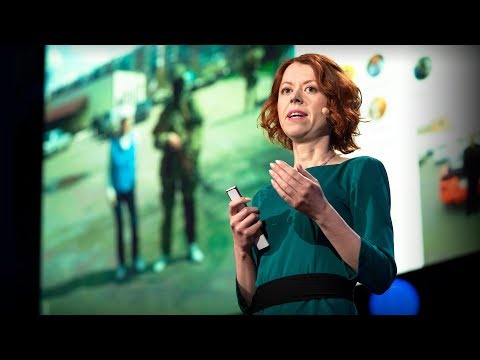
【TED】Olga Yurkova: Inside the fight against Russia's fake news empire (Inside the fight against Russia's fake news empire | Olga Yurkova)
0
林宜悉 posted on 2018/06/29Ever wondered how fake news empires operate and how people fight back? This fascinating TED talk dives into the incredible work of Olga Yurkova and StopFake in combating Russian propaganda, giving you a chance to pick up advanced vocabulary related to information warfare. You'll gain valuable insights into media literacy and how to spot misinformation in today's world!
Learn this video on the APP!
The VoiceTube App has more in-depth practice for videos!