
align
US /əˈlaɪn/
UK /əˈlaɪn/
- Transitive Verb
- To arrange (e.g. objects) in line with one another
- Intransitive Verb
- To be in a line or in the correct position in relation to something else.
B2Moreas soon as
US /æz sun æz/
UK /æz su:n æz/
- Phrase
- In a short time after (something happens)
- Without any delay; immediately
- Conjunction
- At the moment that, or immediately after.
A1Moreat random
US /æt ˈrændəm/
UK /æt ˈrændəm/
- Phrase
B1Moreat some point
US /æt sʌm pɔɪnt/
UK /æt sʌm pɔint/
- Phrase
- At an unspecified time, usually in the future.
A1Moreat will
US /æt wɪl/
UK /æt wil/
- Adverb
- Whenever or wherever you want; without needing permission.
- Adjective
- Relating to an employment agreement where the employer can terminate the employee at any time for any reason that is not illegal.
bandwidth
US /ˈbændˌwɪdθ, -ˌwɪθ/
UK /'bændwɪdθ/
- Uncountable Noun
- Data transmission rate over the internet
B2Morebasically
US /ˈbesɪkəli,-kli/
UK /ˈbeɪsɪkli/
- Adverb
- Used before you explain something simply, clearly
- In essence; when you consider the most important aspects of something.
A2Morebasis
US /ˈbesɪs/
UK /ˈbeɪsɪs/
- Noun
- Main ingredient or part of something
- Starting situation, fact, idea to develop from
A2TOEICMorecommercial
US /kəˈmɚʃəl/
UK /kəˈmə:ʃəl/
- Noun
- Radio or television advertisement
- Adjective
- A notice, picture, or film telling people about a product, job, or service.
- Designed for or primarily concerned with financial success.
B1Morecorrective
US /kəˈrɛktɪv/
UK /kə'rektɪv/
- Adjective
- Designed to promote discipline
B1Moredefine
US /dɪˈfaɪn/
UK /dɪ'faɪn/
- Transitive Verb
- To explain the meaning of words
- To set or mark the limits of something
A2TOEICMoredepression
US /dɪˈprɛʃən/
UK /dɪ'preʃn/
- Noun (Countable/Uncountable)
- Medical condition of a lack of vitality
- Period of unemployment and low economic activity
B2Morediagnosis
US /ˌdaɪəgˈnoʊsɪs/
UK /ˌdaɪəgˈnəʊsɪs/
- Noun (plural)
- Judgments by a doctor about a person's illness
- Noun
- The identification of a disease or condition.
B1Moredisease
US /dɪˈziz/
UK /dɪˈzi:z/
- Noun (Countable/Uncountable)
- Illness that affects a person, animal, or plant
- A disorder of structure or function in a plant, especially one caused by a pathogen.
- Transitive Verb
- To affect with disease; to corrupt or sicken.
A2TOEICMoredorsal
US /ˈdɔrsəl/
UK /'dɔ:sl/
- Adjective
- Of the back of an animal, plane, etc.
C2Moredrill
US /drɪl/
UK /drɪl/
- Noun (Countable/Uncountable)
- A machine that makes holes with a metal bit
- Exercise done to learn military skills
- Transitive Verb
- To make a deep hole to find oil, gas etc.
- To put a hole in something by using a boring tool
B1TOEICMoredue to
US /du tu/
UK /dju: tu:/
- Preposition
- Because of; owing to
- Adjective
- Attributable to; caused by.
A1Moreemotion
US /ɪˈmoʃən/
UK /iˈməuʃən/
- Noun (Countable/Uncountable)
- A feeling such as sadness, anger or love
- A mental state that arises spontaneously rather than through conscious effort
A2Moreengage
US /ɪn'gedʒ/
UK /ɪn'ɡeɪdʒ/
- Transitive Verb
- To start to fight with an enemy
- To hire someone for a task or job
A2TOEICMoreengage in
US /ɪn'gedʒ ɪn/
UK /ɪnˈɡeɪdʒ in/
- Phrasal Verb
- To participate or become involved in something.
B1Moreessentially
US /ɪˈsenʃəli/
UK /ɪˈsenʃəli/
- Adverb
- Basically; (said when stating the basic facts)
- Used to emphasize the basic truth or fact of a situation.
A2Moreexcept that
US /ɪkˈsɛpt ðæt/
UK /ikˈsept ðæt/
- Conjunction
- But; with the exception that.
A2Morefetch
US /fɛtʃ/
UK /fetʃ/
- Transitive Verb
- To go and get something and bring it back
A2TOEICMorefigure out
US /ˈfɪɡjɚ aʊt/
UK /ˈfiɡə aut/
- Phrasal Verb
- To understand the behavior of someone
- To think through logically to find a solution
- Verb (Transitive/Intransitive)
- To understand or find an answer to something.
- To find a solution to a problem or understand something.
A1Morefor example
US
UK
- Phrase
- As an illustration or instance.
for some reason
US /fɔr sʌm ˈrizən/
UK /fɔ: sʌm ˈri:zən/
- Phrase
- For a reason that is not known or not easily explained.
A1Morefor the better
US /fɔr ði ˈbɛtɚ/
UK /fɔ: ðə ˈbetə/
- Phrase
- Resulting in improvement; to a more favorable condition.
A1Moreget at
US /ɡɛt æt/
UK /ɡet æt/
- Phrasal Verb
- To criticize someone, often personally
- To imply something; hint at
A1Moreget through
US /ɡɛt θru/
UK /ɡet θru:/
- Phrasal Verb
- To arrive at the end of or finish something
- To succeed in contacting someone by phone
A1Morego on
US /ɡo ɑn/
UK /ɡəu ɔn/
- Phrasal Verb
- To continue doing something
- To happen (usually negative)
- Interjection
- Used to encourage someone
A1Morehave to
US /hæv tu/
UK /ˈhæv tə/
- Auxiliary Verb
- Must do
A1Morehindsight
US /ˈhaɪndˌsaɪt/
UK /'haɪndsaɪt/
- Uncountable Noun
- Understanding the nature of an event afterwards
C1Morehook
US /hʊk/
UK /hʊk/
- Noun (Countable/Uncountable)
- Bent tool used to catch fish or to hang things on
- The start of a story which catches your interest
- Transitive Verb
- To make a bent or curved shape
- To catch your interest completely
B1Morein different ways
US
UK
- Phrase
- Using various methods or approaches; with variety.
- In varying manners or styles; not uniformly.
A1Morein retrospect
US /ɪn ˈrɛtrəˌspɛkt/
UK /in ˈretrəspekt/
- Uncountable Noun
- Thinking back on what happened
C1Morein the end
US /ɪn ði ɛnd/
UK /in ðə end/
- Phrase
- Finally; after a period of time or series of events.
- Ultimately; as the final result or consequence.
A1Morein the past
US
UK
- Phrase
- During a former period of time; previously.
A1Morejar
US /dʒɑr/
UK /dʒɑ:(r)/
- Verb (Transitive/Intransitive)
- To have a harsh or unsettling effect on someone
- To make a harsh sound to the ears
- Countable Noun
- Glass container for foods
B2Moreleft and right
US
UK
- Adverb
- In both the left and right directions.
- Everywhere; in all directions.
- Noun
- Referring to both liberal and conservative political viewpoints.
- Two opposing options or directions.
A1Morelight up
US /laɪt ʌp/
UK /lait ʌp/
- Phrasal Verb
- To illuminate something; to make something brighter with light.
- To ignite a cigarette, cigar, or pipe for smoking.
A1Morelook at
US /lʊk æt/
UK /luk æt/
- Phrasal Verb
- To use your eyes to focus on something
- To focus your eyes on something carefully
A1Moremicroscope
US /ˈmaɪkrəskoʊp/
UK /ˈmaɪkrəskəʊp/
- Noun
- Scientific device making small things look bigger
B1Moremicroscopic
US /ˌmaɪkrəˈskɑ:pɪk/
UK /ˌmaɪkrəˈskɒpɪk/
- Adjective
- Too small to be seen with the eyes
- Relating to or involving the use of a microscope.
B1Moreneural
US /ˈnʊrəl, ˈnjʊr-/
UK /ˈnjuərəl/
- Adjective
- About the nerves or nervous system
B2Moreneuron
US /ˈnʊrˌɑn, ˈnjʊr-/
UK /ˈnʊərˌɔn, ˈnjʊər-/
- Noun
- A nerve cell
B2Moreno matter
US
UK
- Conjunction
- Regardless of; it does not matter.
- Adverb
- Regardless of; it is not important
A1Moreobserve
US /əbˈzɜ:rv/
UK /əbˈzɜ:v/
- Verb (Transitive/Intransitive)
- To celebrate a particular holiday/religious event
- To obey or follow laws, rules, or customs
A2TOEICMoreof the century
US /ʌv ðə ˈsɛnʧəri/
UK /əv ðə ˈsenʧəri/
- other
- The most notable or important in a hundred-year period.
B2Moreon the basis of
US
UK
- Phrase
- Because of; using as a reason or justification.
A1Morepathology
US /pæˈθɑlədʒi/
UK /pə'θɒlədʒɪ/
- Uncountable Noun
- Study of diseases and their effect on the body
C1Morepervasive
US /pɚˈvesɪv/
UK /pə'veɪsɪv/
- Adjective
- Occurring or existing throughout all the parts
B2TOEICMorephysicist
US /ˈfɪzɪsɪst/
UK /ˈfɪzɪsɪst/
- Noun
- Person who studies and works in physics
B2Morepierce
US /pɪrs/
UK /pɪəs/
- Proper Noun
- Person's name
- Transitive Verb
- To force a way into
- To make a hole with something sharp
B2Moreproxy
US /ˈprɑksi/
UK /'prɒksɪ/
- Noun
- Person authorized to act for another
B2TOEICMorepsychology
US /saɪˈkɑlədʒi/
UK /saɪ'kɒlədʒɪ/
- Uncountable Noun
- The study of the mind and how it affects behavior
- Way in which a person or group thinks and behaves
C2Morerather than
US
UK
- Adverb
- More exactly; more correctly
- Preferably; instead
- Preposition
- Instead of
A1Morerecall
US /rɪˈkɔl/
UK /rɪˈkɔ:l/
- Noun (Countable/Uncountable)
- (Company) asking for the return of faulty goods
- Act of remembering events or details of the past
- Transitive Verb
- (Company) to ask for the return of faulty goods
- To remember events or details of the past
A2Morerecognizable
US /ˈrekəɡnaɪzəbl/
UK /ˈrekəgnaɪzəbl/
- Adjective
- Being easily identified because of some quality
- Having a distinct or identifiable character or quality.
B1TOEICMoreresearch
US /rɪˈsɚtʃ, ˈriˌsɚtʃ/
UK /rɪ'sɜ:tʃ/
- Verb (Transitive/Intransitive)
- To study in order to discover new ideas and facts
- To study the market relating to marketing products and services.
- Noun (Countable/Uncountable)
- Study done to discover new ideas and facts
- A particular area or topic of study.
A2TOEICMorerespond
US /rɪˈspɑnd/
UK /rɪ'spɒnd/
- Verb (Transitive/Intransitive)
- To answer something or someone
- To have a good reaction to e.g. medical treatment
A2TOEICMoreretrospect
US /ˈrɛtrəˌspɛkt/
UK /ˈretrəspekt/
- Uncountable Noun
- A survey or review of a past course of events or period of time.
- Verb (Transitive/Intransitive)
- To look back on or think about (past events or a period of time).
C2Morerobotic
US /roʊˈbɑ:tɪk/
UK /rəʊˈbɒtɪk/
- Adjective
- Concerning mechanical robots
B1Moresatirical
US /səˈtɪrɪkəl/
UK /səˈtɪrɪkl/
- Adjective
- Exposing human folly to ridicule
B2Moresee into
US /si ˈɪntu/
UK /si: ˈɪntə/
- other
- To investigate or examine closely.
B2Moresit down
US /sit daʊn/
UK /sit daun/
- Phrasal Verb
- To take a seat
A1Moreskeptical
US /'skeptɪkəl/
UK /'skeptɪkəl/
- Adjective
- Doubting that something is true/probable/useful
C2Moreskull
US /skʌl/
UK /skʌl/
- Noun
- Structure of bones forming the face and head
B2Moresophisticated
US /səˈfɪstɪˌketɪd/
UK /səˈfɪstɪkeɪtɪd/
- Adjective
- Making a good sounding but misleading argument
- Wise in the way of the world; having refined taste
- Transitive Verb
- To make someone more worldly and experienced
B1TOEICMorestroke
US /strok/
UK /strəʊk/
- Noun (Countable/Uncountable)
- When blood cannot get to brain, causing damage
- Mark made by a pen, pencil or brush
- Transitive Verb
- To rub your hand in a caring way on something
B1Moretechnology
US /tɛkˈnɑlədʒi/
UK /tek'nɒlədʒɪ/
- Uncountable Noun
- Use or knowledge of science in industry etc.
- Machinery and equipment developed from scientific knowledge.
A2TOEICMoretheoretical
US /ˌθiəˈrɛtɪkəl/
UK /ˌθɪəˈretɪkl/
- Adjective
- Concerning the unproved aspects of a subject
- Based on or using the ideas and abstract principles that relate to a subject
B1Morethick
US /θɪk/
UK /θɪk/
- Adjective
- Difficult to see through, as fog
- Full of (people, etc.)
- Adverb
- In close association or friendship.
A2Moretissue
US /ˈtɪʃu/
UK /ˈtɪʃu:/
- Noun (Countable/Uncountable)
- Substance formed by cells of living thing; flesh
- Kind of thin, light paper used to pack objects
A2Moreto do with
US
UK
- Phrasal Verb
- To be about something; concern
A1Moreused to
US /juzd tu/
UK /ˈju:st tə/
- Adjective
- Did regularly before, but don't do now
- Auxiliary Verb
- Have done before, but do not do now
A1Morevisionary
US /ˈvɪʒəneri/
UK /ˈvɪʒənri/
- Adjective
- Thinking about the future in an imaginative way
- Countable Noun
- A person with original ideas about what the future will or could be like.
B1Morework to do
US
UK
- Phrase
- Tasks or activities that need to be accomplished.
- Obligations or responsibilities that require effort and attention.
A1More
Vocabulary
- have to: Must do
- rather than: More exactly; more correctly
- for example: As an illustration or instance.
- get at: To criticize someone, often personally
- look at: To use your eyes to focus on something
- of the century: The most notable or important in a hundred-year period.
- used to: Did regularly before, but don't do now
- figure out: To understand the behavior of someone
- at some point: At an unspecified time, usually in the future.
- work to do: Tasks or activities that need to be accomplished.
- go on: To continue doing something
- in the past: During a former period of time; previously.
- due to: Because of; owing to
- for some reason: For a reason that is not known or not easily explained.
- light up: To illuminate something; to make something brighter with light.
- for the better: Resulting in improvement; to a more favorable condition.
- get through: To arrive at the end of or finish something
- in the end: Finally; after a period of time or series of events.
- sit down: To take a seat
- no matter: Regardless of; it does not matter.
- as soon as: In a short time after (something happens)
- at will: Whenever or wherever you want; without needing permission.
- left and right: In both the left and right directions.
- engage in: To participate or become involved in something.
- on the basis of: Because of; using as a reason or justification.
- to do with: To be about something; concern
- except that: But; with the exception that.
- in different ways: Using various methods or approaches; with variety.
- in retrospect: Thinking back on what happened
- at random
- see into: To investigate or examine closely.
- essentially: Basically; (said when stating the basic facts)
- sophisticated: Making a good sounding but misleading argument
- figure: To appear in a game, play or event
- depression: Medical condition of a lack of vitality
- engage: To start to fight with an enemy
- basically: Used before you explain something simply, clearly
- experience: Thing a person has done or that happened to them
- skeptical: Doubting that something is true/probable/useful
- general: Widespread, normal or usual
- disease: Illness that affects a person, animal, or plant
- measure: Plan to achieve a desired result
- psychology: The study of the mind and how it affects behavior
- imagine: To think creatively about; form mental picture of
- commercial: Radio or television advertisement
- research: To study in order to discover new ideas and facts
- align: To arrange (e.g. objects) in line with one another
- stroke: When blood cannot get to brain, causing damage
- prefrontal: Anterior to a frontal structure
- drill: A machine that makes holes with a metal bit
- brain: To strike someone forcefully on the head
- neural: About the nerves or nervous system
- behavior: The way a person or thing acts; manner
- define: To explain the meaning of words
- observe: To celebrate a particular holiday/religious event
- thick: Difficult to see through, as fog
- neuron: A nerve cell
- risk: To do something potentially dangerous or foolish
- tissue: Substance formed by cells of living thing; flesh
- respond: To answer something or someone
- record: Highest or most extreme level achieved
- skull: Structure of bones forming the face and head
- pervasive: Occurring or existing throughout all the parts
- activity: An action or task, e.g. sports, washing clothes
- emotion: A feeling such as sadness, anger or love
- neuroscientist: Neurobiologist who specializes in the study of the brain
- century: Period of 100 years
- technology: Use or knowledge of science in industry etc.
- diagnosis: Judgments by a doctor about a person's illness
- basis: Main ingredient or part of something
- kind: In a caring and helpful manner
- recall: (Company) asking for the return of faulty goods
- fetch: To go and get something and bring it back
- microscopic: Too small to be seen with the eyes
- hook: Bent tool used to catch fish or to hang things on
- point: An item to be discussed
- hindsight: Understanding the nature of an event afterwards
- proxy: Person authorized to act for another
- bandwidth: Data transmission rate over the internet
- visionary: Thinking about the future in an imaginative way
- recognizable: Being easily identified because of some quality
- jar: To have a harsh or unsettling effect on someone
- theoretical: Concerning the unproved aspects of a subject
- dorsal: Of the back of an animal, plane, etc.
- pierce: Person's name
- retrospect: A survey or review of a past course of events or period of time.
- satirical: Exposing human folly to ridicule
- physicist: Person who studies and works in physics
- microscope: Scientific device making small things look bigger
- robotic: Concerning mechanical robots
- pathology: Study of diseases and their effect on the body
- corrective: Designed to promote discipline
Get the full experience in the app
Learn anywhere with detailed sentence and usage analysis
01:03
She took a brave step forward, leaving behind her comfort zone to chase her dreams.
Vocabulary
- brave
adj. Having courage
- comfort zone
phr. A familiar situation where one feels safe
Explanation
a brave step is a noun phrase, where brave is an adjective modifying the noun step, meaning "a courageous step".
forward is an adverb modifying step, meaning "ahead".
The whole phrase serves as the object, answering the "what" of took (verb) — she took a brave step forward.
Get the full experience in the app
Look up words anytime with pronunciation, part of speech, and usage
brave
US/brev/
UK/breɪv/
adj.Brave
v.t.To bravely face
A2 Elementary
Get the full experience in the app
Practice speaking anytime and get instant pronunciation feedback
Try this speaking exercise.
Try practicing with this sentence.
80
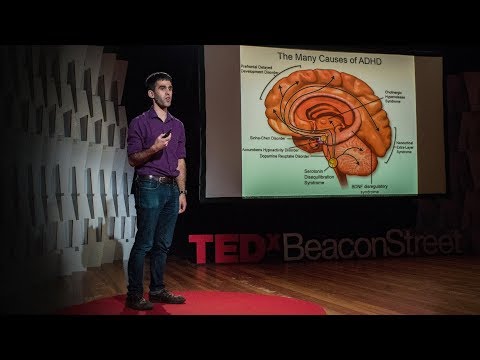
【TED】Sam Rodriques: What we'll learn about the brain in the next century (What we'll learn about the brain in the next century | Sam Rodriques)
0
林宜悉 posted on 2018/07/03Ever wondered what the next century holds for understanding our brains? This fascinating TED talk dives into cutting-edge neuroscience, exploring everything from mouse models to brain-computer interfaces, and you'll pick up some seriously advanced vocabulary along the way!
Learn this video on the APP!
The VoiceTube App has more in-depth practice for videos!