
absence
US /ˈæbsəns/
UK /ˈæbsəns/
- Uncountable Noun
- State of not being present, or not existing
- A period of time when someone is away.
B1TOEICMoreadmit
US /ædˈmɪt/
UK /əd'mɪt/
- Transitive Verb
- To acknowledge that something is true or right
- To allow someone to enter
A2TOEICMoreartificial
US /ˌɑrtəˈfɪʃəl/
UK /ˌɑ:tɪ'fɪʃl/
- Adjective
- Dishonest, to seem fake, not sincere
- (Something) made by people; not created by nature
B1TOEICMoreat stake
US /æt stek/
UK /æt steik/
- Phrase
- At risk; that can be lost if something is not successful
- In question; depending on what happens
- Adjective
- At risk; that can be lost if something is not successful.
A1Moreawareness
US /əˈwɛrnɪs/
UK /əˈweənəs/
- Uncountable Noun
- Having knowledge of something
A2TOEICMorebarrier
US /ˈbæriɚ/
UK /'bærɪə(r)/
- Noun
- Difficult situation preventing something happening
- Structure or object that stops free movement
B1TOEICMorecommitment
US /kəˈmɪtmənt/
UK /kə'mɪtmənt/
- Noun
- Permanent love or concern for person, thing
- Promise or decision to do something for a purpose
A2Morecommunicate
US /kəˈmjunɪˌket/
UK /kə'mju:nɪkeɪt/
- Verb (Transitive/Intransitive)
- To give and exchange information
- To convey or make known (information, feelings, etc.)
A2Moredeliberately
US /dɪˈlɪbərɪtlɪ/
UK /dɪˈlɪbərətli/
- Adverb
- In a careful, considered manner; on purpose
- Purposely; on purpose
B2TOEICMoredeliver
US /dɪˈlɪvɚ/
UK /dɪ'lɪvə(r)/
- Transitive Verb
- To give birth to a child; help a woman give birth
- To save someone from a problem or crisis
A2TOEICMoredeny
US /dɪˈnaɪ/
UK /dɪ'naɪ/
- Transitive Verb
- To refuse to allow or accept something
A2TOEICMoredisappointment
US /ˌdɪsəˈpɔɪntmənt/
UK /ˌdɪsəˈpɔɪntmənt/
- Uncountable Noun
- Feeling or state of not being satisfied
- An event or situation that is not as good as you had hoped
B2Moredisgust
US /dɪsˈɡʌst/
UK /dɪs'ɡʌst/
- Uncountable Noun
- Strong feeling of dislike for something
- Something that causes a feeling of revulsion or strong disapproval.
- Transitive Verb
- To cause a strong negative reaction or feeling
B2Moredomestic
US /dəˈmɛstɪk/
UK /dəˈmestɪk/
- Noun
- Someone paid to help with housework in your house
- Adjective
- British informal fight between husband and wife
- Concerning your own home or house
A2TOEICMoreeloquent
US /ˈɛləkwənt/
UK /ˈeləkwənt/
- Adjective
- Able to speak expressively or convincingly
B2Morefaith
US /feθ/
UK /feɪθ/
- Uncountable Noun
- Belief in a god or gods; religion
- Belief that that something is true without proof
- Proper Noun
- Person's name
A2TOEICMorefar worse
US
UK
- Adjective
- Significantly more unpleasant, serious, or severe.
- In a much poorer state of health or physical condition.
- Adverb
- To a much greater degree of inferiority or unsuitability.
A2Morefeel like
US
UK
- Intransitive Verb
- To have a desire or inclination for something.
- To have a particular quality or sensation; resemble.
A1Moregeneralization
US //ˌʤɛnərəlɪˈzeɪʃən//
UK
- Noun
- Making a statement about a group from limited data
B2Moregoing on
US /ˈɡoɪŋ ɑn/
UK /ˈgəʊɪŋ ɔn/
- Phrasal Verb
- To continue doing something
- To happen (usually negative)
A1Morehand over
US /hænd ˈovɚ/
UK /hænd ˈəuvə/
- Phrasal Verb
- To give into the possession or control of another
A1Morehave to
US /hæv tu/
UK /ˈhæv tə/
- Auxiliary Verb
- Must do
A1Morehover
US /ˈhʌvər/
UK /ˈhɒvə(r)/
- Intransitive Verb
- (Bird/helicopter) to fly staying in one position
- To stay close to an area or place
- Noun
- The act of remaining in one place in the air.
B2Morehumiliation
US /hjuˌmɪliˈeʃən/
UK /hju:ˌmɪlɪ'eɪʃn/
- Uncountable Noun
- Loss of self-respect or status
B2Moreidentity
US /aɪˈdɛntɪti/
UK /aɪ'dentətɪ/
- Noun (Countable/Uncountable)
- Collection of qualities that makes a person
- Who someone is; the name of a person
B1Morein order to
US /ɪn ˈɔrdɚ tu/
UK /in ˈɔ:də tu:/
- Preposition
- For the purpose of; with the aim of.
- Phrase
- In a specific sequence or arrangement.
- With the aim of; for the purpose of.
C1Morein principle
US /ɪn ˈprɪnsəpəl/
UK /in ˈprinsəpl/
- Phrase
- In theory; as a general idea, though not yet in practice or detail.
C1Morein secret
US /ɪn ˈsiːkrət/
UK /in ˈsiːkrət/
- Phrase
- Done or kept in a way that is not known or seen by others.
B1Morein the least
US
UK
- Phrase
- Not at all; to the smallest degree.
A1Moreincompatible
US /ˌɪnkəmˈpætəbəl/
UK /ˌɪnkəmˈpætəbl/
- Adjective
- Not able to get on, be used together
- So opposed in character as to be incapable of existing together.
B2Moreincumbent
US /ɪnˈkʌmbənt/
UK /ɪn'kʌmbənt/
- Countable Noun
- A person who holds a particular office or position
C1TOEICMoreinitiate
US /ɪˈnɪʃ.i.eɪt/
UK /ɪˈnɪʃ.i.eɪt/
- Transitive Verb
- To cause something to begin
- To allow someone into a group by a special ceremony
- Noun
- A person who has been initiated into an organization or activity.
A2TOEICMorelack
US /læk/
UK /læk/
- Verb (Transitive/Intransitive)
- To not have, or not have enough, of something
- Uncountable Noun
- The state of not having or not having enough of
A2TOEICMorelet down
US /lɛt daʊn/
UK /let daun/
- Phrasal Verb
- To disappoint someone (e.g. by breaking a promise)
A1Moreloneliness
US /ˈlonlɪnɪs/
UK /'ləʊnlɪnəs/
- Uncountable Noun
- State of feeling sad because you are alone
- A feeling of being isolated from others, even when surrounded by people.
B2Morelook at
US /lʊk æt/
UK /luk æt/
- Phrasal Verb
- To use your eyes to focus on something
- To focus your eyes on something carefully
A1Moremanifest
US /ˈmænəˌfɛst/
UK /'mænɪfest/
- Countable Noun
- List of cargo on a ship
- Transitive Verb
- To express or show clearly
- Display or show (a quality or feeling) by one's acts or appearance; demonstrate.
B1TOEICMoremodest
US /ˈmɑdɪst/
UK /ˈmɒdɪst/
- Adjective
- Not large in amount, size, etc.; moderate
B1TOEICMoremove on
US /muv ɑn/
UK /mu:v ɔn/
- Phrasal Verb
- To decide to change or go to a different place
- To start talking about something different.
A1Moreon to
US /ɑn tu/
UK /ɔn tu:/
- Preposition
- Toward something; forward
- Aware of someone's activities.
- Adjective
- Aware of someone's deception or illegal activities.
A1Moreostensibly
US /ɒ'stensəblɪ/
UK /ɒ'stensəblɪ/
- Adverb
- Apparently true or real, but probably not
B2TOEICMoreplay out
US
UK
- Phrasal Verb
- To use up or exhaust
- To develop or happen in a particular way.
A1Morepresence
US /ˈprɛzəns/
UK /ˈprezns/
- Noun
- The same place or area that a person is
- Ability to reach a market, group of people etc.
A2Moreprinciple
US /ˈprɪnsəpəl/
UK /ˈprɪnsəpl/
- Noun (Countable/Uncountable)
- Moral rule or belief governing a person's behavior
- Natural law that explains how things work
A2TOEICMoreprofound
US /prəˈfaʊnd, pro-/
UK /prə'faʊnd/
- Adjective
- Requiring deep thought; difficult to understand
- Showing a lot of deep thought or understanding
B1Morepsychological
US /ˌsaɪkəˈlɑdʒɪkəl/
UK /ˌsaɪkəˈlɒdʒɪkl/
- Adjective
- Concerning the study of the mind
- Relating to or involving the use of propaganda, threats, or other psychological techniques to subdue an opponent.
A2Morequite simply
US
UK
- Phrase
- In a clear and straightforward manner; without complication.
- Used to emphasize the truth or importance of a statement.
A2Moreraft
US /ræft/
UK /rɑ:ft/
- Countable Noun
- Pieces of wood tied together as a kind of boat
B2Morerather than
US
UK
- Adverb
- More exactly; more correctly
- Preferably; instead
- Preposition
- Instead of
A1Morereconciliation
US /ˌrɛkənˌsɪliˈeʃən/
UK /ˌrekənsɪliˈeɪʃn/
- Uncountable Noun
- Getting two figures/accounts to match financially
B2Morerein
US /ren/
UK /reɪn/
- Uncountable Noun
- Control; limitation
- Transitive Verb
- To keep under control; limit; restrict
C2Morerein in
US /ren ɪn/
UK /rein in/
- Phrasal Verb
- To control or limit something.
rejection
US /rɪˈdʒɛkʃən/
UK /rɪ'dʒekʃn/
- Uncountable Noun
- Decision that something is not good enough
- Act of refusing to consider or believe
B1Morerelationship
US /rɪˈleʃənˌʃɪp/
UK /rɪˈleɪʃnʃɪp/
- Noun (Countable/Uncountable)
- Connection between two or more people or things
- Way people interact or live with each other
A2TOEICMorerevenge
US /rɪˈvɛndʒ/
UK /rɪ'vendʒ/
- Noun (Countable/Uncountable)
- Getting back at someone by hurting them back
- Transitive Verb
- To inflict hurt or harm on someone for an injury or wrong done to oneself.
B1Morerough
US /rʌf/
UK /rʌf/
- Adjective
- Causing or involving violence, force, and harm
- (Of situations) tough; difficult to get through
- Adverb
- In a manner that is difficult, or violent
A2Moresarcasm
US /ˈsɑrˌkæzəm/
UK /ˈsɑ:kæzəm/
- Uncountable Noun
- Harsh or cutting remark
C1Moresearch for
US /sɚtʃ fɔr/
UK /sə:tʃ fɔ:/
- Phrasal Verb
- To try to find someone or something.
B1Moresilent
US /ˈsaɪlənt/
UK /'saɪlənt/
- Adjective
- Without making any noise; soundless
- Usually speaking very little
B1Moresober
US /ˈsobɚ/
UK /'səʊbə(r)/
- Adjective
- Not drunk
B1TOEICMorestake
US /stek/
UK /steɪk/
- Noun (Countable/Uncountable)
- Share/interest in the success of a business, etc.
- Money bet in a game that can be won or lost
- Transitive Verb
- To bet or wager on an outcome
- To risk something important by taking a risk
B1TOEICMorestarve
US /stɑ:rv/
UK /stɑ:v/
- Verb (Transitive/Intransitive)
- To (cause to) be hungry or go without food
- To need or desire very strongly
B1Morestatistic
US /stəˈtɪstɪk/
UK /stəˈtɪstɪk/
- Noun
- Number that represents a piece of information
B1Morethoughtful
US /ˈθɔtfəl/
UK /ˈθɔ:tfl/
- Adjective
- Concerned about needs and feelings of other people
- Engaged in or characterized by careful thought
B1Moretimid
US /ˈtɪmɪd/
UK /ˈtɪmɪd/
- Adjective
- Lacking in self-assurance or courage; shy
B2TOEICMoreto do with
US
UK
- Phrasal Verb
- To be about something; concern
A1Moretrivial
US /ˈtrɪviəl/
UK /'trɪvɪəl/
- Adjective
- Small; unimportant; worthless
- Easy and simple
B2TOEICMoreyoga
US /ˈjoʊgə/
UK /ˈjəʊgə/
- Noun (Countable/Uncountable)
- Exercise system to gain suppleness and tranquility
B2More
Vocabulary
- feel like: To have a desire or inclination for something.
- in the least: Not at all; to the smallest degree.
- far worse: Significantly more unpleasant, serious, or severe.
- hand over: To give into the possession or control of another
- search for: To try to find someone or something.
- going on: To continue doing something
- on to: Toward something; forward
- rather than: More exactly; more correctly
- move on: To decide to change or go to a different place
- to do with: To be about something; concern
- let down
- quite simply: In a clear and straightforward manner; without complication.
- have to: Must do
- rein in: To control or limit something.
- in order to: For the purpose of; with the aim of.
- in principle: In theory; as a general idea, though not yet in practice or detail.
- in secret: Done or kept in a way that is not known or seen by others.
- play out: To use up or exhaust
- at stake: At risk; that can be lost if something is not successful
- look at: To use your eyes to focus on something
- commitment: Permanent love or concern for person, thing
- profound: Requiring deep thought; difficult to understand
- deliberately: In a careful, considered manner; on purpose
- improve: To make, or become, something better
- presence: The same place or area that a person is
- psychological: Concerning the study of the mind
- artificial: Dishonest, to seem fake, not sincere
- manifest: List of cargo on a ship
- develop: To explain something in steps and in detail
- barrier: Difficult situation preventing something happening
- relationship: Connection between two or more people or things
- stake: Share/interest in the success of a business, etc.
- admit: To acknowledge that something is true or right
- domestic: Someone paid to help with housework in your house
- awareness: Having knowledge of something
- trivial: Small; unimportant; worthless
- lack: To not have, or not have enough, of something
- faith: Belief in a god or gods; religion
- simply: In an easy or clear manner
- plain: Obvious; clearly so, true
- initiate: To cause something to begin
- principle: Moral rule or belief governing a person's behavior
- modest: Not large in amount, size, etc.; moderate
- rough: Causing or involving violence, force, and harm
- identity: Collection of qualities that makes a person
- deliver: To give birth to a child; help a woman give birth
- communicate: To give and exchange information
- ostensibly: Apparently true or real, but probably not
- sober: Not drunk
- deny: To refuse to allow or accept something
- accept: To agree to receive or take something offered
- sarcasm: Harsh or cutting remark
- discuss: To talk about seriously or in great detail
- absence: State of not being present, or not existing
- humiliation: Loss of self-respect or status
- mind: To be bothered or upset by something
- revenge: Getting back at someone by hurting them back
- reconciliation: Getting two figures/accounts to match financially
- silent: Without making any noise; soundless
- statistic: Number that represents a piece of information
- starve: To (cause to) be hungry or go without food
- eloquent: Able to speak expressively or convincingly
- act: To behave in a certain way
- rejection: Decision that something is not good enough
- timid: Lacking in self-assurance or courage; shy
- chance: The way something happens without planning
- last: Final; with nothing following; after all others
- loneliness: State of feeling sad because you are alone
- person: Man, woman or child
- hover: (Bird/helicopter) to fly staying in one position
- find: To become aware of something that is happening
- thoughtful: Concerned about needs and feelings of other people
- disgust: Strong feeling of dislike for something
- part: Division of a book
- incompatible: Not able to get on, be used together
- disappointment: Feeling or state of not being satisfied
- problem: Something difficult to deal with or causes trouble
- raft: Pieces of wood tied together as a kind of boat
- want: To desire or wish for something; hope for a thing
- incumbent: A person who holds a particular office or position
- rein: Control; limitation
- generalization: Making a statement about a group from limited data
- yoga: Exercise system to gain suppleness and tranquility
Get the full experience in the app
Learn anywhere with detailed sentence and usage analysis
01:03
She took a brave step forward, leaving behind her comfort zone to chase her dreams.
Vocabulary
- brave
adj. Having courage
- comfort zone
phr. A familiar situation where one feels safe
Explanation
a brave step is a noun phrase, where brave is an adjective modifying the noun step, meaning "a courageous step".
forward is an adverb modifying step, meaning "ahead".
The whole phrase serves as the object, answering the "what" of took (verb) — she took a brave step forward.
Get the full experience in the app
Look up words anytime with pronunciation, part of speech, and usage
brave
US/brev/
UK/breɪv/
adj.Brave
v.t.To bravely face
A2 Elementary
Get the full experience in the app
Practice speaking anytime and get instant pronunciation feedback
Try this speaking exercise.
Try practicing with this sentence.
80
0
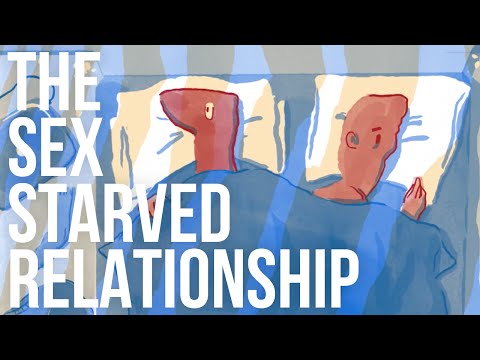
yihwawang posted on 2018/06/29Ever wondered why intimacy fades in long-term relationships? This video dives deep into the 'Sexless Marriage' phenomenon, offering practical tips and advanced vocabulary to help you navigate sexual communication and overcome shame. You'll learn concrete strategies, like writing a 'Sex Letter,' to bring back the spark!
Learn this video on the APP!
The VoiceTube App has more in-depth practice for videos!