
account of
US /əˈkaʊnt ʌv/
UK /əˈkaunt ɔv/
- Noun
- A spoken or written description of an event.
- Preposition
- Because of; for the reason of.
B1Moreactivate
US /ˈæktəˌvet/
UK /ˈæktɪveɪt/
- Transitive Verb
- To cause to happen; cause a chemical reaction
- To make something start working
B1Moreadrenal
US /æd'ri:nəl/
UK /æd'ri:nəl/
- Noun
- Located at the top of the kidneys
C2Morearound the world
US /əˈraʊnd ði wɜrld/
UK /əˈraund ðə wɜː(r)ld/
- Phrase
- In or to many countries.
- In various places throughout the world.
A2Moreavoid
US /əˈvɔɪd/
UK /ə'vɔɪd/
- Transitive Verb
- To prevent from happening
- To stay away from
A2TOEICMorebiological
US /ˌbaɪəˈlɑdʒɪkəl/
UK /ˌbaɪəˈlɒdʒɪkl/
- Adjective
- Being related to life and living things
- A substance, such as a detergent, that contains enzymes.
B1Moreblame
US /blem/
UK /bleɪm/
- Transitive Verb
- To say someone is responsible for something bad
- Noun (Countable/Uncountable)
- Act of saying someone did something bad
A2TOEICMorebring on
US /brɪŋ ɑn/
UK /briŋ ɔn/
- Phrasal Verb
- To cause to appear, e.g. onto a stage
A1Morecampfire
US /'kæmpfaɪər/
UK /'kæmpfaɪə(r)/
- Noun
- Small outdoor fire for warmth or cooking
C2Morecheck out
US /tʃɛk aʊt/
UK /tʃek aut/
- Phrase
- Phrasal Verb
- To find out information about something
- To take books out of a library
A1Morecontribute
US /kənˈtrɪbjut/
UK /kən'trɪbju:t/
- Verb (Transitive/Intransitive)
- To be a factor in causing something to happen
- To donate, give (money) or help to something
A2Morecope
US /koʊp/
UK /kəʊp/
- Verb (Transitive/Intransitive)
- To deal with something in spite of difficulties
A2Morecope with
US /kop wɪð/
UK /kəup wið/
- Phrasal Verb
- To deal successfully with a difficult situation.
A1Moredetermine
US /dɪˈtɚmɪn/
UK /dɪ'tɜ:mɪn/
- Transitive Verb
- To control exactly how something will be or act
- To establish the facts about; discover
A2TOEICMorediagnose
US /ˌdaɪəgˈnoʊs/
UK /ˈdaɪəgnəʊz/
- Transitive Verb
- To determine the cause of an illness or problem
B1Moredigestion
US /daɪˈdʒɛstʃən, dɪ-/
UK /daɪˈdʒestʃən/
- Uncountable Noun
- Process of changing eaten food for use in the body
- The process of understanding new information
B2Moredisorder
US /dɪsˈɔrdɚ/
UK /dɪs'ɔ:də(r)/
- Uncountable Noun
- State of confusion or a lack of organization
- Illness when the body is not functioning well
- Transitive Verb
- To disrupt the order or arrangement of something.
B2Moredomestic
US /dəˈmɛstɪk/
UK /dəˈmestɪk/
- Noun
- Someone paid to help with housework in your house
- Adjective
- British informal fight between husband and wife
- Concerning your own home or house
A2TOEICMoreemotional
US /ɪˈmoʃənəl/
UK /ɪˈməʊʃənl/
- Adjective
- Causing, feeling, or appealing to the emotions
- Relating to or characterized by emotion
A2Moreempathy
US /ˈɛmpəθi/
UK /ˈempəθi/
- Uncountable Noun
- Understanding how other people feel/suffer
- The ability to understand and share the feelings of another, especially when those feelings are negative or painful
B2TOEICMoreescalate
US /ˈɛskəˌlet/
UK /ˈeskəleɪt/
- Verb (Transitive/Intransitive)
- To increase in size, intensity, or scope
- To become much worse or more severe
B2Moreevoke
US /ɪˈvok/
UK /ɪ'vəʊk/
- Transitive Verb
- To bring forth a certain feeling or memory
B1TOEICMoreextent
US /ɪkˈstɛnt/
UK /ɪkˈstent/
- Noun (Countable/Uncountable)
- Point, level or limit to which something reaches
- Range or space included in something
A2TOEICMorefor days
US /fɔr dez/
UK /fɔ: deɪz/
- Phrase
- For a long period of time; lasting several days.
for example
US
UK
- Phrase
- As an illustration or instance.
for someone
US /fɚ ˈsʌmwʌn/
UK /fə ˈsʌmwʌn/
- other
- On behalf of or intended for a particular person.
A1Morefunction
US /ˈfʌŋkʃən/
UK /'fʌŋkʃn/
- Noun
- Social event, or party such as a wedding
- Mathematical operation used in calculations
- Intransitive Verb
- To serve a certain purpose or role
- To be operating, working or achieving its purpose
A2TOEICMoregenetic
US /dʒəˈnɛtɪk/
UK /dʒəˈnetɪk/
- Adjective
- Of, relating to, or controlled by genes
- Relating to genes or heredity.
B1Morehave to
US /hæv tu/
UK /ˈhæv tə/
- Auxiliary Verb
- Must do
A1Morehormone
US /ˈhɔrˌmon/
UK /'hɔ:məʊn/
- Noun
- Chemical produced by the body to control functions
B2Moreinherently
US /ɪn'herəntlɪ/
UK /ɪn'herəntlɪ/
- Adverb
- As an essential part of
B1Moreintensity
US /ɪnˈtɛnsɪti/
UK /ɪn'tensətɪ/
- Uncountable Noun
- Great energy, strength, or concentration
- The quality of being intense; the degree or amount of strength, force, etc.
A2TOEICMoreinterfere
US /ˌɪntɚˈfɪr/
UK /ˌɪntə'fɪə(r)/
- Intransitive Verb
- To get involved in something not your business
- Transitive Verb
- To prevent a process or activity from continuing or being carried out properly.
B1TOEICMoreintrusive
US /ɪnˈtrusɪv, -zɪv/
UK /ɪnˈtru:sɪv/
- Adjective
- Appearing or getting involved where not wanted
B2Moreinvisible
US /ɪnˈvɪzəbəl/
UK /ɪnˈvɪzəbl/
- Adjective
- Being unable to be seen
- Of money earned from services, instead of products
B1TOEICMoreisolation
US /ˌaɪsəˈleʃən/
UK /ˌaɪsəˈleɪʃn/
- Uncountable Noun
- Condition of being in a distinct, separate place
- Process of separating things from other things
B1Morelead to
US /lid tu/
UK /li:d tu:/
- Phrasal Verb
- To result in some action
- Verb (Transitive/Intransitive)
- To have something as a consequence or result.
A1Morelinger
US /ˈlɪŋɡɚ/
UK /ˈlɪŋgə(r)/
- Intransitive Verb
- To take your time doing something; hang around
B2Moremalfunction
US /mælˈfʌŋkʃən/
UK /ˌmæl'fʌŋkʃn/
- Noun
- A failure of something to work properly
- Intransitive Verb
- To fail to work correctly
C1Moremental
US /ˈmɛntl/
UK /ˈmentl/
- Adjective
- Concerning the mind
A2TOEICMorenegative
US /ˈnɛɡətɪv/
UK /'neɡətɪv/
- Noun
- The opposite to a positive electrical charge
- In grammar, containing words such as 'no' or 'not'
- Adjective
- Being harmful, unwanted or unhelpful
- In mathematics, being less than zero
A2Moreoverwhelming
US /ˌovɚˈhwɛlmɪŋ, -ˈwɛl-/
UK /ˌəʊvəˈwelmɪŋ/
- Transitive Verb
- To defeat something or someone completely
- To affect someone emotionally in a strong way
- Adjective
- Having too much to handle (e.g. work)
- Very great or very strong; so powerful that you cannot resist or decide how to react
B2Morepanic
US /ˈpænɪk/
UK /'pænɪk/
- Uncountable Noun
- Overwhelming feeling of fear and anxiety
- Intransitive Verb
- To feel sudden anxiety and fear and cannot think
B1Morepersistent
US /pərˈsɪstənt/
UK /pəˈsɪstənt/
- Adjective
- Continuing to do something despite challenges
- Continuing to exist or occur for a long time.
C1TOEICMorephenomenon
US /fɪˈnɑməˌnɑn, -nən/
UK /fə'nɒmɪnən/
- Noun (Countable/Uncountable)
- Unusual event, fact that can be studied
- Interesting or unusual person, group
B1Morephysical
US /ˈfɪzɪkəl/
UK /ˈfɪzɪkl/
- Countable Noun
- Health check at the doctors' or hospital
- Adjective
- Concerning the body of a person
- Concerning things that can be seen or touched
A2Morephysiological
US /ˌfɪziəˈlɑdʒɪkəl/
UK /ˌfɪzɪə'lɒdʒɪkl/
- Adjective
- Of or relating to functions of the body
- Consistent with the normal functioning of an organism.
B1Moreprompt
US /prɑmpt/
UK /prɒmpt/
- Noun
- Message on a computer requiring attention
- Encouragement to ask someone else to talk
- Transitive Verb
- To display a message to requires a user to act
- To say something to encourage someone else to talk
B1Morerespiration
US /ˌrɛspəˈreʃən/
UK /ˌrespəˈreɪʃn/
- Uncountable Noun
- Taking air in and out of the lungs; breathing
C1Moresilent
US /ˈsaɪlənt/
UK /'saɪlənt/
- Adjective
- Without making any noise; soundless
- Usually speaking very little
B1Morestress
US / strɛs/
UK /stres/
- Transitive Verb
- To emphasize one or more parts of a word, sentence
- To put pressure on something or someone
- Noun (Countable/Uncountable)
- Emphasis on part of a word or sentence
- Pressure on something or someone
A2TOEICMoretense
US /tɛns/
UK /tens/
- Noun
- The use of grammar to state the time things happen
- Adjective
- Unable to relax; feeling nervous or stressed
- Stretched tight and stiff
A2TOEICMoretrauma
US /ˈtraʊmə/
UK /'trɔ:mə/
- Noun (Countable/Uncountable)
- A very severe or upsetting experience
- Serious injury to part of the body
B2Moretraumatic
US /traʊˈmætɪk/
UK /trɔ:ˈmætɪk/
- Adjective
- Causing upsetting emotional effects over time
- Causing an injury
B2Moreunpredictable
US /ˌʌnprɪˈdɪktəbəl/
UK /ˌʌnprɪˈdɪktəbl/
- Adjective
- Difficult to guess about (the future)
- Characterized by erratic or inconsistent behavior.
B1Morework together
US /wɚk təˈɡɛðɚ/
UK /wə:k təˈɡeðə/
- Verb (Transitive/Intransitive)
- To collaborate or cooperate with others to achieve a common goal.
A1More
Vocabulary
- cope with: To deal successfully with a difficult situation.
- bring on: To cause to appear, e.g. onto a stage
- work together: To collaborate or cooperate with others to achieve a common goal.
- for days: For a long period of time; lasting several days.
- for example: As an illustration or instance.
- for someone: On behalf of or intended for a particular person.
- lead to: To result in some action
- account of: A spoken or written description of an event.
- have to: Must do
- around the world: In or to many countries.
- check out
- phenomenon: Unusual event, fact that can be studied
- mental: Concerning the mind
- overwhelming: To defeat something or someone completely
- physical: Health check at the doctors' or hospital
- empathy: Understanding how other people feel/suffer
- panic: Overwhelming feeling of fear and anxiety
- trauma: A very severe or upsetting experience
- determine: To control exactly how something will be or act
- experience: Thing a person has done or that happened to them
- disorder: State of confusion or a lack of organization
- negative: The opposite to a positive electrical charge
- interfere: To get involved in something not your business
- traumatic: Causing upsetting emotional effects over time
- emotional: Causing, feeling, or appealing to the emotions
- stress: To emphasize one or more parts of a word, sentence
- extent: Point, level or limit to which something reaches
- contribute: To be a factor in causing something to happen
- hormone: Chemical produced by the body to control functions
- domestic: Someone paid to help with housework in your house
- blame: To say someone is responsible for something bad
- inherently: As an essential part of
- cope: To deal with something in spite of difficulties
- avoid: To prevent from happening
- function: Social event, or party such as a wedding
- brain: To strike someone forcefully on the head
- intensity: Great energy, strength, or concentration
- tense: The use of grammar to state the time things happen
- prompt: Message on a computer requiring attention
- persistent: Continuing to do something despite challenges
- genetic: Of, relating to, or controlled by genes
- digestion: Process of changing eaten food for use in the body
- cortisol: Adrenal-cortex hormone (trade names Hydrocortone or Cortef) that is active in carbohydrate and protein metabolism
- rate: To assess something or consider its qualities
- evoke: To bring forth a certain feeling or memory
- linger: To take your time doing something; hang around
- isolation: Condition of being in a distinct, separate place
- invisible: Being unable to be seen
- mindfulness: Paying attention to your responsibilities
- activate: To cause to happen; cause a chemical reaction
- silent: Without making any noise; soundless
- biological: Being related to life and living things
- diagnose: To determine the cause of an illness or problem
- escalate: To increase in size, intensity, or scope
- physiological: Of or relating to functions of the body
- intrusive: Appearing or getting involved where not wanted
- system: Set of organized, planned ideas that work together
- unpredictable: Difficult to guess about (the future)
- support: To give assistance or advice to someone
- respiration: Taking air in and out of the lungs; breathing
- fail: To be unsuccessful in passing a class or exam
- adrenal: Located at the top of the kidneys
- malfunction: A failure of something to work properly
- pituitary: Concerning the pituitary gland
- understand: To know the meaning of language, what someone says
- disappear: To no longer see because it's not there any more
- fight: To argue or quarrel with someone about something
- heart: A feeling of care for others; compassion
- dangerous: Involving the chance of hurt or damage; risky
- difficulty: Something that is hard to do
- campfire: Small outdoor fire for warmth or cooking
Get the full experience in the app
Learn anywhere with detailed sentence and usage analysis
01:03
She took a brave step forward, leaving behind her comfort zone to chase her dreams.
Vocabulary
- brave
adj. Having courage
- comfort zone
phr. A familiar situation where one feels safe
Explanation
a brave step is a noun phrase, where brave is an adjective modifying the noun step, meaning "a courageous step".
forward is an adverb modifying step, meaning "ahead".
The whole phrase serves as the object, answering the "what" of took (verb) — she took a brave step forward.
Get the full experience in the app
Look up words anytime with pronunciation, part of speech, and usage
brave
US/brev/
UK/breɪv/
adj.Brave
v.t.To bravely face
A2 Elementary
Get the full experience in the app
Practice speaking anytime and get instant pronunciation feedback
Try this speaking exercise.
Try practicing with this sentence.
80
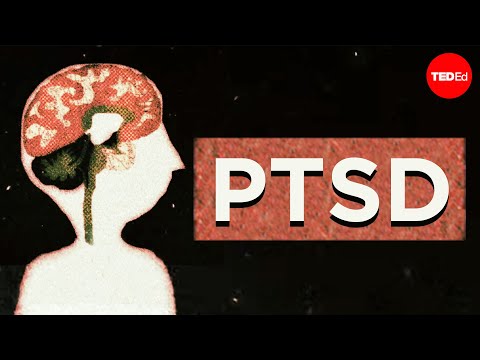
The psychology of post-traumatic stress disorder - Joelle Rabow Maletis
0
April Lu posted on 2022/08/04Ever wondered about the 'fight-flight-freeze' response or what happens in the brain during trauma? This video dives deep into the psychology of PTSD, explaining complex concepts like the HPA axis and trauma triggers in a way that's super insightful. You'll pick up advanced vocabulary related to trauma recovery and psychotherapy, making it a fantastic way to boost your understanding and language skills!
Learn this video on the APP!
The VoiceTube App has more in-depth practice for videos!