
absolutely
US /ˈæbsəˌlutli, ˌæbsəˈlutli/
UK /ˈæbsəlu:tli/
- Adverb
- Completely; totally; very
- Considered independently and without relation to other things; viewed abstractly; as, quantity absolutely considered.
A2Moreaccomplish
US /əˈkɑmplɪʃ/
UK /ə'kʌmplɪʃ/
- Transitive Verb
- To succeed in doing; complete successfully
B1TOEICMoreat work
US /æt wɚk/
UK /æt wə:k/
- Phrase
- Located at one's place of employment
A1Moreaudio
US /ˈɔ:dioʊ/
UK /ˈɔ:diəʊ/
- Adjective
- Concerning sound
- Uncountable Noun
- Sound, especially when recorded or transmitted.
B2TOEICMorecolleague
US /ˈkɑlˌiɡ/
UK /'kɒli:ɡ/
- Noun (Countable/Uncountable)
- Person you work or cooperate with
- A fellow member of a profession
A2Morecome from
US /kʌm frʌm/
UK /kʌm frɔm/
- Phrasal Verb
- To have as your native country or city
A1Morecommit
US /kəˈmɪt/
UK /kə'mɪt/
- Transitive Verb
- To do something bad, usually a crime
- To promise your permanent love or loyalty (to)
A2TOEICMorecommunicate
US /kəˈmjunɪˌket/
UK /kə'mju:nɪkeɪt/
- Verb (Transitive/Intransitive)
- To give and exchange information
- To convey or make known (information, feelings, etc.)
A2Moreconfidence
US /ˈkɑnfɪdəns/
UK /'kɒnfɪdəns/
- Uncountable Noun
- Feeling that you can do well at something
- Feeling you can trust someone
A2Moreconfident
US /ˈkɑnfɪdənt/
UK /ˈkɒnfɪdənt/
- Adjective
- Feeling that you can do well at something
- Having a strong belief in the truth or certainty of something.
- Noun
- A person who is self-assured and believes in their abilities.
A2Moreenglish speaker
US
UK
- Noun
- A person who speaks English.
- A person with fluency in English.
A2Morefantastic
US /fænˈtæstɪk/
UK /fænˈtæstɪk/
- Adjective
- Strange or unusual in design or appearance
- Very large, fast or great
A2Morefeel like
US
UK
- Intransitive Verb
- To have a desire or inclination for something.
- To have a particular quality or sensation; resemble.
A1Morefluency
US /ˈfluːənsi/
UK /ˈflu:ənsi/
- Uncountable Noun
- Ability to do something well and with ease
- Ability to speak or write a language easily
B1TOEICMorefluent
US /'fluːənt/
UK /ˈflu:ənt/
- Adjective
- Doing something well and with ease
- Able to speak or write a language fully and easily
B1TOEICMorefluently
US /ˈfluəntlɪ/
UK /'flu:əntlɪ/
- Adverb
- In an able and easy manner
- In a way that shows the ability to speak a language easily and well.
B1Morefor example
US
UK
- Phrase
- As an illustration or instance.
frustrate
US /ˈfrʌsˌtret/
UK /frʌ'streɪt/
- Transitive Verb
- To make annoyed because things don't go well
- To prevent (a plan or intention) from succeeding.
B1TOEICMoreget together
US /ɡɛt təˈɡɛðɚ/
UK /ɡet təˈɡeðə/
- Phrasal Verb
- To gather, or come together for some purpose
- To start a romantic relationship.
- Verb (Transitive/Intransitive)
- To meet for social or recreational purposes.
- To start a romantic relationship.
A1Moregive up
US /ɡɪv ʌp/
UK /ɡiv ʌp/
- Phrasal Verb
- To lose hope or admit defeat
- To decide to not start to try solving a problem
- Verb Phrase
- to surrender an item; hand over an item
A1Morego away
US /ɡo əˈwe/
UK /ɡəu əˈwei/
- Phrasal Verb
- To go on vacation
- To leave; depart.
A1Moregrammar
US /ˈɡræmɚ/
UK /ˈgræmə(r)/
- Uncountable Noun
- Book describing the syntactic rules of a language
- Rules explaining how words are used in a language
B1Morehave to
US /hæv tu/
UK /ˈhæv tə/
- Auxiliary Verb
- Must do
A1Morein fact
US /ɪn fækt/
UK /in fækt/
- Adverb
- Used to emphasize the truth of a statement, especially one that contrasts with or contradicts something else.
- Used to introduce a more detailed or surprising piece of information.
- Phrase
- Used to emphasize the truth of a statement, especially one that is surprising or contrary to what might be expected.
C1Morein real life
US /ɪn ˈriəl laɪf/
UK /in riəl laif/
- Phrase
- In the physical world; not online or in a fictional setting.
- Actually; genuinely; not made up or fictional.
A2Moreinstead of
US /ɪnˈstɛd ʌv/
UK /inˈsted ɔv/
- Preposition
- When one thing is replaced by another
- Adverb
- As a substitute or alternative.
A1Moreknow about
US /noʊ əˈbaʊt/
UK /nəʊ əˈbaut/
- Phrasal Verb
- To have information or understanding of a subject or situation.
negative
US /ˈnɛɡətɪv/
UK /'neɡətɪv/
- Noun
- The opposite to a positive electrical charge
- In grammar, containing words such as 'no' or 'not'
- Adjective
- Being harmful, unwanted or unhelpful
- In mathematics, being less than zero
A2Moreof course
US /ʌv kɔː(r)s/
UK /ɔv kɔː(r)s/
- Adverb
- Sure ; Certainly
- Phrase
- For sure; certainly
A2Moreoff balance
US /ɔf ˈbæləns/
UK /ɔf ˈbæləns/
- Adjective
- In a state of being unsteady or unstable; lacking equilibrium.
- In a state of being disturbed or unsettled; lacking composure or emotional stability.
B2Moreon the way
US /ɑn ði we/
UK /ɔn ðə wei/
- Phrase
- During the journey to a particular place.
A1Moreonline
US /ˌɑ:nˈlaɪn/
UK /ˌɒnˈlaɪn/
- Adjective
- Connected to the internet
- Adverb
- Via the internet.
B1Moreover time
US /ˈovɚ taɪm/
UK /ˈəuvə taim/
- Phrase
- Gradually; as time passes.
- During a long period.
- Adverb
- Gradually; as time passes.
B1Moreparticipate
US /pɑ:rˈtɪsɪpeɪt/
UK /pɑ:ˈtɪsɪpeɪt/
- Intransitive Verb
- To take part with others in doing something
- To be involved in a discussion or conversation.
B1TOEICMorepractice
US /ˈpræktɪs/
UK /'præktɪs/
- Noun
- The office and place for legal or medical work
- Doing something many times to become better at it
- Verb (Transitive/Intransitive)
- To work as a doctor or lawyer
- To live according to the teachings of a religion
A2TOEICMorepriority
US /praɪˈɔrɪti, -ˈɑr-/
UK /praɪ'ɒrətɪ/
- Noun (Countable/Uncountable)
- Thing that is more important/urgent than others
- A level of importance assigned to a task or process in a computer system.
- Adjective
- Denoting something that constitutes a priority.
B1TOEICMoreprogress
US /ˈprɑɡˌrɛs, -rəs, ˈproˌɡrɛs/
UK /'prəʊɡres/
- Verb (Transitive/Intransitive)
- To move forward or toward a place or goal
- To make progress; develop or improve.
- Uncountable Noun
- Act of moving forward
- The process of improving or developing something over a period of time.
A2TOEICMoreput away
US /pʊt əˈwe/
UK /put əˈwei/
- Phrasal Verb
- To put things in a closet, etc.; tidy up
- To eat quickly
A1Morereach
US /ritʃ/
UK /ri:tʃ/
- Verb (Transitive/Intransitive)
- To come to or arrive at a goal or destination
- To be long enough to get to a certain place
- Uncountable Noun
- Power or control someone has over something
A2TOEICMorerecommend
US /ˌrɛkəˈmɛnd/
UK /ˌrekə'mend/
- Transitive Verb
- To advise or suggest that someone do something
- To endorse or support something publicly.
A2TOEICMorerequire
US /rɪˈkwaɪr/
UK /rɪ'kwaɪə(r)/
- Transitive Verb
- To demand that someone does something
- To need to do something, to make it necessary
A2TOEICMorestick
US /stɪk/
UK /stɪk/
- Verb (Transitive/Intransitive)
- To push a sharp or pointed object into something
- To join together using glue or paste
- Countable Noun
- Long thin piece of wood from a tree
A2Moretake over
US /tek ˈovɚ/
UK /teik ˈəuvə/
- Phrasal Verb
- To gain control of (a company) from someone else
- To assume control or possession of something.
A1Moretalk about it
US /tɔk əˈbaʊt ɪt/
UK /tɔ:k əˈbaut it/
- Verb (Transitive/Intransitive)
- To discuss a particular subject.
A1Moretalking about
US
UK
- Phrasal Verb
- To discuss a particular topic.
- To be constantly mentioning or bringing up a subject.
A1Morethink about
US /θɪŋk əˈbaʊt/
UK /θiŋk əˈbaut/
- Phrasal Verb
- To consider something carefully.
- To remember or call to mind.
A1Morethumbs up
US
UK
- Noun
- A gesture of approval or agreement, indicated by holding a fist with the thumb extended upwards.
- A positive rating or vote on social media or online platforms.
- Noun (plural)
- Multiple gestures of approval or agreement made by extending the thumbs upward.
A1Moretough
US /tʌf/
UK /tʌf/
- Adjective
- (Of food) difficult to chew or bite through
- Very difficult to do or deal with
- Noun
- A rough and aggressive person.
A2Morevocabulary
US /voˈkæbjəˌlɛri/
UK /və'kæbjələrɪ/
- Uncountable Noun
- Words that have to do with a particular subject
- The words that a person knows
B1TOEICMorewake up
US /wek ʌp/
UK /weik ʌp/
- Phrasal Verb
- To stop sleeping
- To become fully aware and alert to a situation.
A1Morewant in
US
UK
- Intransitive Verb
- To desire to participate or be included in something.
A1Morework on
US /wɚk ɑn/
UK /wə:k ɔn/
- Phrasal Verb
- To devote effort to improve or develop something
- To try to persuade or influence someone.
A1More
Vocabulary
- of course: Sure ; Certainly
- have to: Must do
- give up: To lose hope or admit defeat
- in real life: In the physical world; not online or in a fictional setting.
- talk about it: To discuss a particular subject.
- work on: To devote effort to improve or develop something
- come from: To have as your native country or city
- in fact: Used to emphasize the truth of a statement, especially one that contrasts with or contradicts something else.
- at work: Located at one's place of employment
- think about: To consider something carefully.
- wake up: To stop sleeping
- feel like: To have a desire or inclination for something.
- put away: To put things in a closet, etc.; tidy up
- want in: To desire to participate or be included in something.
- off balance: In a state of being unsteady or unstable; lacking equilibrium.
- english speaker: A person who speaks English.
- get together: To gather, or come together for some purpose
- instead of: When one thing is replaced by another
- take over: To gain control of (a company) from someone else
- on the way: During the journey to a particular place.
- over time: Gradually; as time passes.
- go away: To go on vacation
- for example: As an illustration or instance.
- talking about: To discuss a particular topic.
- know about: To have information or understanding of a subject or situation.
- thumbs up: A gesture of approval or agreement, indicated by holding a fist with the thumb extended upwards.
- stick: To push a sharp or pointed object into something
- absolutely: Completely; totally; very
- tough: (Of food) difficult to chew or bite through
- recommend: To advise or suggest that someone do something
- progress: To move forward or toward a place or goal
- practice: The office and place for legal or medical work
- immediately: Without any delay; straight away
- vocabulary: Words that have to do with a particular subject
- negative: The opposite to a positive electrical charge
- accomplish: To succeed in doing; complete successfully
- priority: Thing that is more important/urgent than others
- fluent: Doing something well and with ease
- confident: Feeling that you can do well at something
- confidence: Feeling that you can do well at something
- commit: To do something bad, usually a crime
- fantastic: Strange or unusual in design or appearance
- bit: Device put in a horse's mouth to control it
- reach: To come to or arrive at a goal or destination
- require: To demand that someone does something
- grammar: Book describing the syntactic rules of a language
- fluency: Ability to do something well and with ease
- nervous: Concerning the system of nerves in the body
- communicate: To give and exchange information
- create: To make, cause, or bring into existence
- colleague: Person you work or cooperate with
- participate: To take part with others in doing something
- fall: Season after summer and before winter; Autumn
- frustrate: To make annoyed because things don't go well
- important: Having power or authority
- fluently: In an able and easy manner
- learn: To get knowledge or skills by study or experience
- audio: Concerning sound
- language: Words or signs used to communicate messages
- daily: Happening every day
- step: Movement done as part of a particular dance
- change: To exchange one set of clothes for another
- mistake: Something done wrong/calculated wrong; error
- find: To become aware of something that is happening
- make: To arrange or prepare something e.g. dinner
- start: First time or place that a thing exists; beginning
- online: Connected to the internet
Get the full experience in the app
Learn anywhere with detailed sentence and usage analysis
01:03
She took a brave step forward, leaving behind her comfort zone to chase her dreams.
Vocabulary
- brave
adj. Having courage
- comfort zone
phr. A familiar situation where one feels safe
Explanation
a brave step is a noun phrase, where brave is an adjective modifying the noun step, meaning "a courageous step".
forward is an adverb modifying step, meaning "ahead".
The whole phrase serves as the object, answering the "what" of took (verb) — she took a brave step forward.
Get the full experience in the app
Look up words anytime with pronunciation, part of speech, and usage
brave
US/brev/
UK/breɪv/
adj.Brave
v.t.To bravely face
A2 Elementary
Get the full experience in the app
Practice speaking anytime and get instant pronunciation feedback
Try this speaking exercise.
Try practicing with this sentence.
80
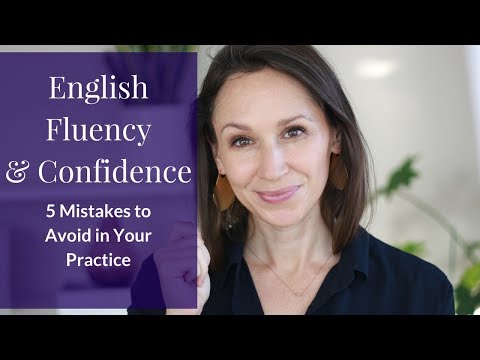
English Fluency and Confidence: 5 Mistakes to Avoid in Your Practice
0
Samuel posted on 2018/06/27Are you practicing English but not seeing the fluency you want? This video dives into 5 common mistakes that might be holding you back, offering practical tips to boost your speaking confidence! You'll learn how to make your practice more effective for real-world conversations and even workplace scenarios.
Learn this video on the APP!
The VoiceTube App has more in-depth practice for videos!