
abuse
US /əˈbjuz/
UK /ə'bju:s/
- Transitive Verb
- To mistreat or be cruel towards someone
- To use in an inappropriate or excessive way
- Noun (Countable/Uncountable)
- Improper/dishonest/excessive use of something
- Insulting someone, e.g. by swearing at them
A2TOEICMoreactuality
US /ˌæktʃuˈælɪti/
UK /ˌæktʃuˈæləti/
- Uncountable Noun
- The state of existing and being real
B2Moreaffection
US /əˈfɛkʃən/
UK /əˈfekʃn/
- Noun (Countable/Uncountable)
- Feeling of liking someone or something
- A gentle feeling of fondness or liking.
B1Moreautism
US /ˈɔˌtɪzəm/
UK /ˈɔ:tɪzəm/
- Uncountable Noun
- Disorder that prevents normal communication
B2Moreautistic
US /ɔ:'tɪstɪk/
UK /ɔ:'tɪstɪk/
- Adjective
- Suffering from autism
B2Moreawareness
US /əˈwɛrnɪs/
UK /əˈweənəs/
- Uncountable Noun
- Having knowledge of something
A2TOEICMorebeneficial
US /ˌbɛnəˈfɪʃəl/
UK /ˌbenɪˈfɪʃl/
- Adjective
- Giving an advantage, having a helpful effect
- Promoting or contributing to physical or mental well-being.
B1TOEICMorebetter understanding
US
UK
- Uncountable Noun
- An improved level of comprehension or knowledge.
B2Moreconquer
US /ˈkɑŋkɚ/
UK /'kɒŋkə(r)/
- Transitive Verb
- To take possession of (land, city) with an army
- To beat something difficult, e.g. a fear; overcome
B2Moredebate
US / dɪˈbet/
UK /dɪ'beɪt/
- Noun (Countable/Uncountable)
- General public discussion of a topic
- A formal event where two sides discuss a topic
- Verb (Transitive/Intransitive)
- To consider options before making a decision
- To take part in a formal discussion
A2TOEICMoredeficient
US /dɪˈfɪʃənt/
UK /dɪˈfɪʃnt/
- Adjective
- Lacking something necessary
B2Moredepressive
US /dɪˈprɛsɪv/
UK /dɪˈpresɪv/
- Adjective
- Suffering a psychological lack of happiness
B2Morediagnosis
US /ˌdaɪəgˈnoʊsɪs/
UK /ˌdaɪəgˈnəʊsɪs/
- Noun (plural)
- Judgments by a doctor about a person's illness
- Noun
- The identification of a disease or condition.
B1Moredisappoint
US /ˌdɪsəˈpɔɪnt/
UK /ˌdɪsə'pɔɪnt/
- Transitive Verb
- To not meet the expectations of others or yourself
B1Moredisorder
US /dɪsˈɔrdɚ/
UK /dɪs'ɔ:də(r)/
- Uncountable Noun
- State of confusion or a lack of organization
- Illness when the body is not functioning well
- Transitive Verb
- To disrupt the order or arrangement of something.
B2Moredomestic
US /dəˈmɛstɪk/
UK /dəˈmestɪk/
- Noun
- Someone paid to help with housework in your house
- Adjective
- British informal fight between husband and wife
- Concerning your own home or house
A2TOEICMoredrain
US /dren/
UK /dreɪn/
- Noun (Countable/Uncountable)
- Hole or pipe that water, waste etc. flows into
- Something that depletes resources or energy.
- Transitive Verb
- To empty or remove liquid from
- To use up the energy/ money/power of something
B1Morefactor
US /ˈfæktɚ/
UK /'fæktə(r)/
- Noun
- Something that influences a result
- Transitive Verb
- To consider or include in an estimate or judgment
- To find the two numbers a number can be divided by
A2TOEICMorefix the problem
US
UK
- Transitive Verb
- To find a solution to a problem; to repair something that is broken.
A1Morefor example
US
UK
- Phrase
- As an illustration or instance.
genetic
US /dʒəˈnɛtɪk/
UK /dʒəˈnetɪk/
- Adjective
- Of, relating to, or controlled by genes
- Relating to genes or heredity.
B1Morego out
US /ɡo aʊt/
UK /ɡəu aut/
- Phrase
- To leave a building (e.g. a house)
- Phrasal Verb
- (Of a fire) to burn out; be extinguished
- Go out of fashion to stop being fashionable
A1Morein actuality
US
UK
- Phrase
- In fact; in reality; actually.
A1Morein real life
US /ɪn ˈriəl laɪf/
UK /in riəl laif/
- Phrase
- In the physical world; not online or in a fictional setting.
- Actually; genuinely; not made up or fictional.
A2Morein the first place
US
UK
- Phrase
- To begin with; as the first point or consideration.
- From the beginning; initially.
A1Morein the past
US
UK
- Phrase
- During a former period of time; previously.
A1Moreinspire
US /ɪnˈspaɪr/
UK /ɪn'spaɪə(r)/
- Transitive Verb
- To give someone an idea to do or make something
- To make someone feel a certain emotion
- Intransitive Verb
- To breathe in
- To draw (air, etc.) into the lungs.
B1TOEICMoreinstead of
US /ɪnˈstɛd ʌv/
UK /inˈsted ɔv/
- Preposition
- When one thing is replaced by another
- Adverb
- As a substitute or alternative.
A1Moremanic
US /ˈmænɪk/
UK /'mænɪk/
- Adjective
- Very excited in an almost uncontrollable way
C1Moremental
US /ˈmɛntl/
UK /ˈmentl/
- Adjective
- Concerning the mind
A2TOEICMoremiserable
US /ˈmɪzərəbəl, ˈmɪzrə-/
UK /ˈmɪzrəbl/
- Adjective
- Very unhappy
- Causing someone to be unhappy or uncomfortable
- Noun
- A person who is always unhappy or complaining
A2Moremoral
US /ˈmɔrəl, ˈmɑr-/
UK /ˈmɒrəl/
- Adjective
- In a way considered proper and good by most people
- Uncountable Noun
- In a way considered proper and good by most people
A2TOEICMoremyth
US /mɪθ/
UK /mɪθ/
- Noun (Countable/Uncountable)
- Popular belief that is false, unsupported by fact
- Famous story dealing with origins of a culture
B1Moreounce
US /aʊns/
UK /aʊns/
- Noun (Countable/Uncountable)
- Unit of weight equal to 1/16 pound or 28 grams
- (Often in negative) very small amount of something
B2Moreprocess
US /ˈprɑsˌɛs, ˈproˌsɛs/
UK /prə'ses/
- Transitive Verb
- To organize and use data in a computer
- To deal with official forms in the way required
- Noun (Countable/Uncountable)
- Dealing with official forms in the way required
- Set of changes that occur slowly and naturally
A2TOEICMorepsychological
US /ˌsaɪkəˈlɑdʒɪkəl/
UK /ˌsaɪkəˈlɒdʒɪkl/
- Adjective
- Concerning the study of the mind
- Relating to or involving the use of propaganda, threats, or other psychological techniques to subdue an opponent.
A2Morepull yourself together
US
UK
- Phrasal Verb
- To calm down and regain control of your emotions
A1Morerealization
US /ˌri:ələˈzeɪʃn/
UK /ˌri:əlaɪˈzeɪʃn/
- Uncountable Noun
- Act of noticing something not noticed before
- The achievement or making something happen.
B1TOEICMorerecommend
US /ˌrɛkəˈmɛnd/
UK /ˌrekə'mend/
- Transitive Verb
- To advise or suggest that someone do something
- To endorse or support something publicly.
A2TOEICMorerejection
US /rɪˈdʒɛkʃən/
UK /rɪ'dʒekʃn/
- Uncountable Noun
- Decision that something is not good enough
- Act of refusing to consider or believe
B1Moreseek
US /sik/
UK /si:k/
- Transitive Verb
- To ask someone for help
- To search for; try to find or do; look for
A2TOEICMoresensitive
US /ˈsɛnsɪtɪv/
UK /'sensətɪv/
- Adjective
- Taking offense easily; easily upset or hurt
- (Private information) needing careful treatment
A2TOEICMoresheer
US /ʃɪr/
UK /ʃɪə(r)/
- Intransitive Verb
- To suddenly turn or change direction
- Adverb
- Straight up and down; steeply
B1Moresuffer
US / ˈsʌfɚ/
UK /'sʌfə(r)/
- Verb (Transitive/Intransitive)
- To experience pain, illness, or injury
- To allow or permit something, especially something unpleasant.
A2Moretalking about
US
UK
- Phrasal Verb
- To discuss a particular topic.
- To be constantly mentioning or bringing up a subject.
A1Moreterminology
US /ˌtɜ:rməˈnɑ:lədʒi/
UK /ˌtɜ:mɪˈnɒlədʒi/
- Uncountable Noun
- Specific words and expressions used in a field
B2TOEICMoretherapist
US /ˈθɛrəpɪst/
UK /ˈθerəpɪst/
- Noun (Countable/Uncountable)
- Person skilled in a particular type of therapy
B2Moretrial
US /ˈtraɪəl, traɪl/
UK /ˈtraɪəl/
- Noun (Countable/Uncountable)
- Hearing and judgment of a case in court
- Act or process of testing or experimenting
- Transitive Verb
- To be made or done as a test or experiment
A2TOEICMoreunnecessary
US /ʌnˈnesəseri/
UK /ʌnˈnesəsəri/
- Adjective
- Being more than needed or not needed
B1TOEICMoreused to
US /juzd tu/
UK /ˈju:st tə/
- Adjective
- Did regularly before, but don't do now
- Auxiliary Verb
- Have done before, but do not do now
A1Moreviolence
US /ˈvaɪələns/
UK /ˈvaɪələns/
- Uncountable Noun
- Strong physical force of nature
- Use of physical force to harm someone
B1Morewillpower
US /ˈwɪlˌpaʊɚ/
UK /'wɪlpaʊə(r)/
- Uncountable Noun
- Ability to make yourself do what you really want
C2More
Vocabulary
- instead of: When one thing is replaced by another
- used to: Did regularly before, but don't do now
- better understanding: An improved level of comprehension or knowledge.
- talking about: To discuss a particular topic.
- in the past: During a former period of time; previously.
- in actuality: In fact; in reality; actually.
- fix the problem: To find a solution to a problem; to repair something that is broken.
- pull yourself together: To calm down and regain control of your emotions
- in real life: In the physical world; not online or in a fictional setting.
- in the first place: To begin with; as the first point or consideration.
- go out: To leave a building (e.g. a house)
- for example: As an illustration or instance.
- process: To organize and use data in a computer
- mental: Concerning the mind
- debate: General public discussion of a topic
- recommend: To advise or suggest that someone do something
- disorder: State of confusion or a lack of organization
- miserable: Very unhappy
- psychological: Concerning the study of the mind
- expect: To believe something is probably going to happen
- conquer: To take possession of (land, city) with an army
- trial: Hearing and judgment of a case in court
- sheer: To suddenly turn or change direction
- domestic: Someone paid to help with housework in your house
- awareness: Having knowledge of something
- drain: Hole or pipe that water, waste etc. flows into
- myth: Popular belief that is false, unsupported by fact
- abuse: To mistreat or be cruel towards someone
- suffer: To experience pain, illness, or injury
- sensitive: Taking offense easily; easily upset or hurt
- deal: To cope with something - usually troubles
- inspire: To give someone an idea to do or make something
- willpower: Ability to make yourself do what you really want
- moral: In a way considered proper and good by most people
- affection: Feeling of liking someone or something
- genetic: Of, relating to, or controlled by genes
- behavior: The way a person or thing acts; manner
- therapist: Person skilled in a particular type of therapy
- factor: Something that influences a result
- account: An advantage
- value: Importance you attach to something
- seek: To ask someone for help
- autism: Disorder that prevents normal communication
- social: Involving activity with people, e.g. in free time
- belief: Being sure that something exists or is true
- discuss: To talk about seriously or in great detail
- violence: Strong physical force of nature
- beneficial: Giving an advantage, having a helpful effect
- diagnosis: Judgments by a doctor about a person's illness
- preposition: Word such as 'at' 'on' etc. showing position/time
- support: To give assistance or advice to someone
- ounce: Unit of weight equal to 1/16 pound or 28 grams
- rejection: Decision that something is not good enough
- pull: Act of breathing in smoke, as from a pipe
- person: Man, woman or child
- difficult: Hard; not easy; you need to work hard to do it
- manic: Very excited in an almost uncontrollable way
- terminology: Specific words and expressions used in a field
- understand: To know the meaning of language, what someone says
- feel: To be aware of or experience an emotion, sensation
- autistic: Suffering from autism
- realization: Act of noticing something not noticed before
- deficient: Lacking something necessary
- disappoint: To not meet the expectations of others or yourself
- unnecessary: Being more than needed or not needed
- depressive: Suffering a psychological lack of happiness
- actuality: The state of existing and being real
Get the full experience in the app
Learn anywhere with detailed sentence and usage analysis
01:03
She took a brave step forward, leaving behind her comfort zone to chase her dreams.
Vocabulary
- brave
adj. Having courage
- comfort zone
phr. A familiar situation where one feels safe
Explanation
a brave step is a noun phrase, where brave is an adjective modifying the noun step, meaning "a courageous step".
forward is an adverb modifying step, meaning "ahead".
The whole phrase serves as the object, answering the "what" of took (verb) — she took a brave step forward.
Get the full experience in the app
Look up words anytime with pronunciation, part of speech, and usage
brave
US/brev/
UK/breɪv/
adj.Brave
v.t.To bravely face
A2 Elementary
Get the full experience in the app
Practice speaking anytime and get instant pronunciation feedback
Try this speaking exercise.
Try practicing with this sentence.
80
5 Myths about Mental Illnesses
0
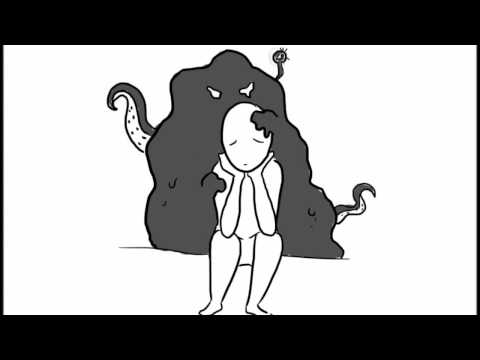
Evangeline posted on 2021/04/03Ever wondered about mental health? This video tackles five common myths, like the idea that people with mental illnesses are always violent, helping you understand the real facts and combat stigma. You'll pick up useful vocabulary for discussing sensitive topics and learn about person-first language, making it a great way to boost your cultural understanding and English skills!
Learn this video on the APP!
The VoiceTube App has more in-depth practice for videos!