
abandon
US /əˈbændən/
UK /ə'bændən/
- Transitive Verb
- To discard or intentionally get rid of an item
- To withdraw your support, or leave someone
- Uncountable Noun
- Wild, carefree behavior
B1Moreaffect
US /əˈfɛkt/
UK /ə'fekt/
- Transitive Verb
- To cause a change in something else
- To pretend to have or feel (something).
- Noun
- (Psychology) Emotion or feeling.
A2TOEICMoreassociate
US /əˈsoʊʃiˌeɪt/
UK /ə'səʊʃɪeɪt/
- Countable Noun
- Partner in professional work, e.g. in law
- Verb (Transitive/Intransitive)
- To spend time with other people; mix with
- To form a connection in your mind between things
B1TOEICMoreattend
US /əˈtɛnd/
UK /əˈtend/
- Transitive Verb
- To take care of someone in need
- Verb (Transitive/Intransitive)
- To listen or watch carefully; to concentrate
- To be present at an event
B1TOEICMoreawkward
US /ˈɔkwəd/
UK /ˈɔ:kwəd/
- Adjective
- Lacking smooth movement
- Causing embarrassment or trouble
B1Morebeau
US /bo/
UK /bəʊ/
- Noun
- Handsome man; a boyfriend
C1Morebeehive
US /ˈbiˌhaɪv/
UK /ˈbi:haɪv/
- Noun
- Nest of bees
- A woman's hairstyle resembling a beehive in shape.
C2Morecarry on
US /ˈkæri ɑn/
UK /ˈkæri ɔn/
- Phrasal Verb
- To engage in an activity, e.g. a conversation
- To continue or keep doing something
- Verb (Transitive/Intransitive)
- To continue doing something
A1Morecasual
US /ˈkæʒuəl/
UK /ˈkæʒuəl/
- Adjective
- Being careless or having little thought or effort
- (Of clothes, etc.) not formal; easy to wear
- Countable Noun
- A worker employed on a temporary or irregular basis.
- A job as a musician that is not regular or permanent.
A2Morecome back
US /kʌm bæk/
UK /kʌm bæk/
- Phrasal Verb
- To reply to someone, often forcefully
- To be remembered
A1Morecomfort
US /ˈkʌmfət/
UK /'kʌmfət/
- Transitive Verb
- To try to make distressed person feel better
- Uncountable Noun
- Acts or words that reduce pain or sadness
- State of being relaxed, warm or happy
A2Morecourt
US /kɔrt, kort/
UK /kɔ:t/
- Transitive Verb
- To act in a way to shows you wish to marry someone
- To encourage dangerous behavior
- Noun
- Place king or queen meet people, makes laws etc.
- Place where legal cases are decided
A2TOEICMoredandy
US /ˈdændi/
UK /'dændɪ/
- Countable Noun
- Man who is far too interested in his clothes
C1Moredaytime
US /ˈdeˌtaɪm/
UK /ˈdeɪtaɪm/
- Noun
- The time of day you can see the sun
- Adjective
- Relating to or happening during the day.
B1Moredecadent
US /ˈdɛkədənt, dɪˈkedn:t/
UK /ˈdekədənt/
- Adjective
- Showing declining moral values; pleasure-seeking
C1Moredecline
US /dɪˈklaɪn/
UK /dɪ'klaɪn/
- Intransitive Verb
- To bend towards the ground
- To slope downward.
- Verb (Transitive/Intransitive)
- To lessen in quality or value
A2TOEICMoredirect
US /dɪˈrɛkt, daɪ-/
UK /də'rekt/
- Transitive Verb
- To tell someone in a very clear way to do something
- To show the way by conducting or leading
- Adverb
- Coming straight from something
A2TOEICMoredress up
US /drɛs ʌp/
UK /dres ʌp/
- Phrasal Verb
- To put on your best clothes, e.g. for a party
- To wear formal or fancy clothes.
- Verb (Transitive/Intransitive)
- To wear formal or fancy clothes.
- To make something more attractive or elaborate.
A1Moreelaborate
US /ɪˈlæbəret/
UK /ɪ'læbəreɪt/
- Verb (Transitive/Intransitive)
- To explain something in detail
- To be made or explained with great care/in detail
- Adjective
- Made or done with great care or in a detailed way
B2TOEICMoreenormous
US /ɪˈnɔrməs/
UK /iˈnɔ:məs/
- Adjective
- Huge; very big; very important
- Very great in size, amount, or degree.
A2Moreexperiment
US /ɪkˈspɛrəmənt/
UK /ɪk'sperɪmənt/
- Noun (Countable/Uncountable)
- Test performed to assess new ideas or theories
- A course of action tentatively adopted without being sure of the eventual outcome.
- Verb (Transitive/Intransitive)
- To create and perform tests to research something
- To try something new that you haven't tried before
A2TOEICMoreextension
US /ɪkˈstɛnʃən/
UK /ɪkˈstenʃn/
- Noun
- Addition to something, e.g. a house
- Suffix code of a computer file, e.g. .pdf, .jpg
- Adjective
- Adding extra length
B1TOEICMoreextrovert
US /ˈɛkstrəˌvət/
UK /ˈekstrəvɜ:t/
- Noun
- Person who enjoys being with other people
C2TOEICMorefantastic
US /fænˈtæstɪk/
UK /fænˈtæstɪk/
- Adjective
- Strange or unusual in design or appearance
- Very large, fast or great
A2Morefashion trends
US
UK
- Noun
- The latest styles and popular items in clothing, accessories, and appearance.
A2Moregigantic
US /dʒaɪˈɡæntɪk/
UK /dʒaɪ'ɡæntɪk/
- Adjective
- Extremely large
- Of very great size, extent, or degree.
B2Morego out
US /ɡo aʊt/
UK /ɡəu aut/
- Phrase
- To leave a building (e.g. a house)
- Phrasal Verb
- (Of a fire) to burn out; be extinguished
- Go out of fashion to stop being fashionable
A1Moregoing on
US /ˈɡoɪŋ ɑn/
UK /ˈgəʊɪŋ ɔn/
- Phrasal Verb
- To continue doing something
- To happen (usually negative)
A1Moregot to
US /ɡɑt tu/
UK /gɔt tu:/
- Verb (Transitive/Intransitive)
- To arrive at some place
- To have the opportunity or permission to do something
- Phrasal Verb
- To appeal to the emotions of; move
- To finally begin to start something after a delay
A1Morehide behind
US /haɪd bɪˈhaɪnd/
UK /haɪd bɪˈhaɪnd/
- other
- To avoid responsibility or truth by using something as an excuse.
- To put oneself out of sight by staying at the back of something.
B1Morehistorically
US /hɪsˈtɔrɪkl:ɪ/
UK /hɪ'stɒrɪklɪ/
- Adverb
- In history; in the past
B1Morein order to
US /ɪn ˈɔrdɚ tu/
UK /in ˈɔ:də tu:/
- Preposition
- For the purpose of; with the aim of.
- Phrase
- In a specific sequence or arrangement.
- With the aim of; for the purpose of.
C1Moreinspiration
US /ˌɪnspəˈreʃən/
UK /ˌɪnspə'reɪʃn/
- Noun (Countable/Uncountable)
- Force making you feel you can do things, succeed
- The power or urge that makes you want to do something, especially something creative
B1TOEICMoremilitary
US /ˈmɪlɪˌtɛri/
UK /'mɪlətrɪ/
- Noun
- Army or armed forces
- Adjective
- Concerning the army or navy
B1Moremob
US /mɑb/
UK /mɒb/
- Noun (Countable/Uncountable)
- A secret criminal organization
- Large collection of people that share an interest
- Verb (Transitive/Intransitive)
- To move close to (a star, etc.) in a large group
B2Moreof course
US /ʌv kɔː(r)s/
UK /ɔv kɔː(r)s/
- Adverb
- Sure ; Certainly
- Phrase
- For sure; certainly
A2Moreout of fashion
US /aʊt ʌv ˈfæʃən/
UK /aut ɔv ˈfæʃən/
- Adjective
- No longer fashionable or in style.
A1Morepeak
US /pik/
UK /pi:k/
- Noun
- Part of a cap that sticks out over your eyes
- The very top of a mountain
- Intransitive Verb
- To reach the highest or best point
B1Morepile
US /paɪl/
UK /paɪl/
- Noun (Countable/Uncountable)
- Large amount of something
- Group of things one on top of another
- Verb (Transitive/Intransitive)
- (E.g. of problems) to increase; get more or worse
- To place things on top of each other; to heap up.
B1TOEICMorereligion
US /rɪˈlɪdʒən/
UK /rɪˈlɪdʒən/
- Countable Noun
- Organized set of beliefs about a god or gods
- Noun (Countable/Uncountable)
- Belief in God or gods that governs people's lives
- A person's particular system of beliefs and worship.
A2Moreremain
US /rɪˈmen/
UK /rɪˈmeɪn/
- Intransitive Verb
- To be left behind; to continue to exist
- To stay in a place when other people have gone
A2TOEICMorerequire
US /rɪˈkwaɪr/
UK /rɪ'kwaɪə(r)/
- Transitive Verb
- To demand that someone does something
- To need to do something, to make it necessary
A2TOEICMoresame time
US
UK
- Phrase
- Occurring simultaneously or at the same point in time.
- At the identical time as before; recurring at a fixed hour.
- Noun
- An equal duration or period.
A1Moreshift
US /ʃɪft/
UK /ʃɪft/
- Verb (Transitive/Intransitive)
- To change in position or direction
- To move something from one place to another
- Noun (Countable/Uncountable)
- A change in a persons plans, opinions or beliefs
- Period of work starting at a certain time
A2Moreshift in
US
UK
- Phrasal Verb
- A change or alteration in something.
B2Moreslightly
US /ˈslaɪtli/
UK /ˈslaɪtli/
- Adverb
- Only a little
B1Morestand out
US /stænd aʊt/
UK /stænd aut/
- Phrasal Verb
- To be noticeably better than other similar ones
A1Morestir
US /stɚ/
UK /stɜ:(r)/
- Transitive Verb
- To arouse (attention or interest)
- To mix e.g. food by making circular movements
- Uncountable Noun
- Attention or interest aroused by an event
B1Morestrict
US /strɪkt/
UK /strɪkt/
- Adjective
- Tending to enforce rules; severe
- (Of orders) that must be obeyed
A2Moresuppose
US /səˈpoʊz/
UK /sə'pəʊz/
- Verb (Transitive/Intransitive)
- To imagine or guess what might happen
- Conjunction
- What if
A2TOEICMorethink of
US /θɪŋk ʌv/
UK /θiŋk ɔv/
- Phrasal Verb
- To look on as (being something specific); consider
- To consider or remember something.
- Verb (Transitive/Intransitive)
- To imagine or call something to mind
A1Morevictorian
US /vɪkˈtɔriən, -ˈtor-/
UK /vɪkˈtɔ:riən/
- Adjective
- Typical of 19th century standards or conduct
B1Morezone
US /zoʊn/
UK /zəʊn/
- Noun
- Area of space designated for a particular use
- Transitive Verb
- To divide an area for a particular reason
B1More
Vocabulary
- got to: To arrive at some place
- out of fashion: No longer fashionable or in style.
- dress up: To put on your best clothes, e.g. for a party
- fashion trends: The latest styles and popular items in clothing, accessories, and appearance.
- go out: To leave a building (e.g. a house)
- shift in: A change or alteration in something.
- carry on: To engage in an activity, e.g. a conversation
- of course: Sure ; Certainly
- same time: Occurring simultaneously or at the same point in time.
- think of: To look on as (being something specific); consider
- going on: To continue doing something
- stand out
- hide behind: To avoid responsibility or truth by using something as an excuse.
- in order to: For the purpose of; with the aim of.
- come back: To reply to someone, often forcefully
- awkward: Lacking smooth movement
- sort: To organize things by putting them into groups
- elaborate: To explain something in detail
- enormous: Huge; very big; very important
- slightly: Only a little
- period: Set amount of time during which events take place
- associate: Partner in professional work, e.g. in law
- experiment: Test performed to assess new ideas or theories
- inspiration: Force making you feel you can do things, succeed
- decline: To bend towards the ground
- suppose: To imagine or guess what might happen
- shift: To change in position or direction
- strict: Tending to enforce rules; severe
- fantastic: Strange or unusual in design or appearance
- casual: Being careless or having little thought or effort
- affect: To cause a change in something else
- military: Army or armed forces
- pile: Large amount of something
- court: To act in a way to shows you wish to marry someone
- remain: To be left behind; to continue to exist
- direct: To tell someone in a very clear way to do something
- comfort: To try to make distressed person feel better
- religion: Organized set of beliefs about a god or gods
- require: To demand that someone does something
- stir: To arouse (attention or interest)
- gigantic: Extremely large
- introduce: To open an essay to set the scene
- extrovert: Person who enjoys being with other people
- abandon: To discard or intentionally get rid of an item
- social: Involving activity with people, e.g. in free time
- peak: Part of a cap that sticks out over your eyes
- century: Period of 100 years
- british: Concerning the culture and people of British
- zone: Area of space designated for a particular use
- event: Any social gathering; occasion; planned activity
- extension: Addition to something, e.g. a house
- decadent: Showing declining moral values; pleasure-seeking
- attend: To take care of someone in need
- wear: To have clothes, glasses, shoes etc. on your body
- great: Very good; better than before
- include: To make someone, something part of a group
- part: Division of a book
- guy: Man; boy; any person
- season: One of Spring, Summer, Autumn (Fall) and Winter
- mob: A secret criminal organization
- time: Speed at which music is played; tempo
- historically: In history; in the past
- people: Persons sharing culture, country, background, etc.
- daytime: The time of day you can see the sun
- beehive: Nest of bees
- dandy: Man who is far too interested in his clothes
- victorian: Typical of 19th century standards or conduct
- beau: Handsome man; a boyfriend
Get the full experience in the app
Learn anywhere with detailed sentence and usage analysis
01:03
She took a brave step forward, leaving behind her comfort zone to chase her dreams.
Vocabulary
- brave
adj. Having courage
- comfort zone
phr. A familiar situation where one feels safe
Explanation
a brave step is a noun phrase, where brave is an adjective modifying the noun step, meaning "a courageous step".
forward is an adverb modifying step, meaning "ahead".
The whole phrase serves as the object, answering the "what" of took (verb) — she took a brave step forward.
Get the full experience in the app
Look up words anytime with pronunciation, part of speech, and usage
brave
US/brev/
UK/breɪv/
adj.Brave
v.t.To bravely face
A2 Elementary
Get the full experience in the app
Practice speaking anytime and get instant pronunciation feedback
Try this speaking exercise.
Try practicing with this sentence.
80
0
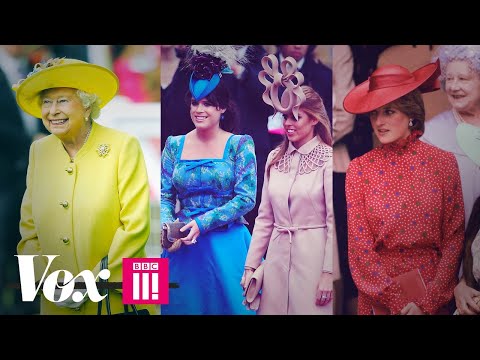
Evangeline posted on 2019/01/05Ever wondered why British royals love their hats so much? This video dives into the fascinating history and cultural significance of headwear at royal events, from Ascot to royal weddings! You'll pick up some fantastic vocabulary related to British fashion and traditions.
Learn this video on the APP!
The VoiceTube App has more in-depth practice for videos!