
associate
US /əˈsoʊʃiˌeɪt/
UK /ə'səʊʃɪeɪt/
- Countable Noun
- Partner in professional work, e.g. in law
- Verb (Transitive/Intransitive)
- To spend time with other people; mix with
- To form a connection in your mind between things
B1TOEICMoreat least
US /æt list/
UK /æt li:st/
- Adverb
- As a minimum
- Not less than
- Phrase
- No less than; at the minimum
- Used to indicate that something is positive in a bad situation.
C2Moreattention
US /əˈtɛnʃən/
UK /əˈtenʃn/
- Noun (Countable/Uncountable)
- Taking notice of someone or something
- Noun
- (Soldiers) Standing with straight backs
A2TOEICMoreattentive
US /əˈtɛntɪv/
UK /əˈtentɪv/
- Adjective
- Thoughtful and considerate
- Paying attention to; concentrating on
B2TOEICMorecomment
US /ˈkɑmɛnt/
UK /'kɒment/
- Noun (Countable/Uncountable)
- Something you say, giving an opinion; remark
- An explanatory note in a computer program.
- Verb (Transitive/Intransitive)
- To say something that gives your opinion
- To add explanatory notes to a computer program.
A2Morecontact
US /ˈkɑnˌtækt/
UK /'kɒntækt/
- Adjective
- Touching or feeling something
- Noun (Countable/Uncountable)
- Touching or feeling something
- Object that allows electricity to run through it
A2Moredeliberately
US /dɪˈlɪbərɪtlɪ/
UK /dɪˈlɪbərətli/
- Adverb
- In a careful, considered manner; on purpose
- Purposely; on purpose
B2TOEICMoredevote
US /dɪˈvoʊt/
UK /dɪˈvəʊt/
- Transitive Verb
- To dedicate
- To decide to use or give (your time, efforts)
B1Moredivide
US /dɪˈvaɪd/
UK /dɪ'vaɪd/
- Verb (Transitive/Intransitive)
- To split numbers by another number, e.g. 6 / 2 = 3
- To separate something into equal pieces
- Noun
- A separation or distinction.
A2TOEICMoredo without
US
UK
- Phrasal Verb
- To manage without having or doing something
A1Moredull
US /dʌl/
UK /dʌl/
- Adjective
- Not exciting or interesting; boring; lifeless
- Being dim, not so bright and hard to see
- Transitive Verb
- To cause a thing to become less sharp/less bright
A2Moreentire
US /ɛnˈtaɪr/
UK /ɪn'taɪə(r)/
- Adjective
- Complete or full; with no part left out; whole
- Undivided; not shared or distributed.
A2TOEICMoreerase
US /ɪˈreɪs/
UK /ɪˈreɪz/
- Transitive Verb
- To remove data in computer memory, tape, etc.
- To remove written information by mistake
B2TOEICMorefeel like
US
UK
- Intransitive Verb
- To have a desire or inclination for something.
- To have a particular quality or sensation; resemble.
A1Morefigure out
US /ˈfɪɡjɚ aʊt/
UK /ˈfiɡə aut/
- Phrasal Verb
- To understand the behavior of someone
- To think through logically to find a solution
- Verb (Transitive/Intransitive)
- To understand or find an answer to something.
- To find a solution to a problem or understand something.
A1Morefor example
US
UK
- Phrase
- As an illustration or instance.
hammer
US /ˈhæmɚ/
UK /ˈhæmə(r)/
- Transitive Verb
- To bring severe damage, harm, or blame upon
- To defeat someone easily and totally
- Noun
- Part of a gun that causes a bullet to shoot out
- Heavy metal tool for hitting a nail into wood
B1Morehandy
US /ˈhændi/
UK /'hændɪ/
- Adjective
- Convenient, easy to use, easy to reach
- Being skillful in performing small tasks
C2Morehave to
US /hæv tu/
UK /ˈhæv tə/
- Auxiliary Verb
- Must do
A1Morein pairs
US
UK
- Phrase
- Divided into or working as two people together.
A1Moreinterference
US /ˌɪntərˈfɪrəns/
UK /ˌɪntəˈfɪərəns/
- Noun (Countable/Uncountable)
- Unwanted involvement in the concerns of others
- Signal interrupting a radio or television signal
B1Moreirrelevant
US /ɪˈrɛləvənt/
UK /ɪˈreləvənt/
- Adjective
- Not important; not related to the topic
A2TOEICMorelimitless
US /ˈlɪmɪtlɪs/
UK /ˈlɪmɪtləs/
- Adjective
- Without limits in extent, size or quantity
B1Moremake up
US /mek ʌp/
UK /meik ʌp/
- Phrasal Verb
- To invent or create a story
- To add up to
- Verb (Transitive/Intransitive)
- To invent a story, excuse, etc.
- To compensate for something lost, missed, or deficient.
A1Morematerial
US /məˈtɪriəl/
UK /məˈtɪəriəl/
- Noun (Countable/Uncountable)
- Cloth; fabric
- Supplies or data needed to do a certain thing
- Adjective
- Relevant; (of evidence) important or significant
- Belonging to the world of physical things
A2Morememorization
US /ˌmemə'rɪzeɪʃən/
UK /ˌmemə'rɪzeɪʃən/
- Uncountable Noun
- Conscious learning of something e.g. words
B1Moremethod
US /ˈmɛθəd/
UK /'meθəd/
- Noun (Countable/Uncountable)
- (Organized and planned) way of doing something
- Orderliness of thought, arrangement, or behavior.
A2TOEICMorenail
US /nel/
UK /neɪl/
- Countable Noun
- Pointed piece of metal used to join pieces of wood
- Hard part at the end of your finger
- Transitive Verb
- To attach things together with metal nails
- To catch someone doing an illegal activity
B1Moreof course
US /ʌv kɔː(r)s/
UK /ɔv kɔː(r)s/
- Adverb
- Sure ; Certainly
- Phrase
- For sure; certainly
A2Moreoutdate
US /aʊt'deɪt/
UK /aʊt'deɪt/
- Transitive Verb
- To be older than
B2Morepalace
US /ˈpælɪs/
UK /ˈpæləs/
- Noun (Countable/Uncountable)
- Official home of a ruler, such as a king or queen
- The center of government or royal power.
B1Morepsychologist
US /saɪˈkɑlədʒɪst/
UK /saɪˈkɒlədʒɪst/
- Noun (Countable/Uncountable)
- An expert who studies the mind and behavior
- A therapist specializing in mental health.
C2Morerecommend
US /ˌrɛkəˈmɛnd/
UK /ˌrekə'mend/
- Transitive Verb
- To advise or suggest that someone do something
- To endorse or support something publicly.
A2TOEICMorerepetition
US /ˌrɛpɪˈtɪʃən/
UK /ˌrepəˈtɪʃn/
- Noun (Countable/Uncountable)
- When something occurs again
- Saying something again
A2TOEICMoreresearch
US /rɪˈsɚtʃ, ˈriˌsɚtʃ/
UK /rɪ'sɜ:tʃ/
- Verb (Transitive/Intransitive)
- To study in order to discover new ideas and facts
- To study the market relating to marketing products and services.
- Noun (Countable/Uncountable)
- Study done to discover new ideas and facts
- A particular area or topic of study.
A2TOEICMoreresemble
US /rɪˈzɛmbəl/
UK /rɪˈzembl/
- Verb (Transitive/Intransitive)
- To be similar to in looks or manner
B1TOEICMoreretrieve
US /rɪˈtriv/
UK /rɪˈtri:v/
- Transitive Verb
- To find and bring in animals during a hunt
- To get information from a computer
B2TOEICMoresection
US / ˈsɛkʃən/
UK /'sekʃn/
- Noun (Countable/Uncountable)
- A part of a whole
- Specific group of people from a larger group
- Transitive Verb
- To divide something into smaller parts
B1TOEICMoreserial
US /ˈsɪriəl/
UK /ˈsɪəriəl/
- Noun
- Story that is told is several parts on TV or radio
- Adjective
- Arranged according to a particular system or order
- Repeating the same actions in the same way
B2Moresolar
US /ˈsolɚ/
UK /'səʊlə(r)/
- Adjective
- Concerning the sun, or its heat
B1Moreswitch
US /swɪtʃ/
UK /swɪtʃ/
- Noun
- A change or shift from one method to another
- Thing you move to turn electrical items on or off
- Transitive Verb
- To exchange or replace something for another thing
A2TOEICMoretechnique
US /tɛkˈnik/
UK /tekˈni:k/
- Noun (Countable/Uncountable)
- Way of doing by using special knowledge or skill
- The skill or ability to do something well.
A2TOEICMoretheory
US /ˈθiəri, ˈθɪri/
UK /ˈθiəri/
- Noun (Countable/Uncountable)
- Ideas or principles that explain facts or events
- An idea or belief about something
A2TOEICMoreturn out
US /tɚn aʊt/
UK /tə:n aut/
- Phrasal Verb
- To arrive for a public event or entertainment
- To happen to be in the end
A1Moreunpleasant
US /ʌnˈplɛzənt/
UK /ʌnˈpleznt/
- Adjective
- Causing a bad feeling in people
- Disagreeable or offensive in behavior or manner.
B1Moreused to
US /juzd tu/
UK /ˈju:st tə/
- Adjective
- Did regularly before, but don't do now
- Auxiliary Verb
- Have done before, but do not do now
A1Morevisualize
US /ˈvɪʒuəˌlaɪz/
UK /ˈvɪʒuəlaɪz/
- Transitive Verb
- To create a picture in your mind of something
B1More
Vocabulary
- for example: As an illustration or instance.
- figure out: To understand the behavior of someone
- feel like: To have a desire or inclination for something.
- do without: To manage without having or doing something
- have to: Must do
- at least: As a minimum
- in pairs: Divided into or working as two people together.
- make up: To invent or create a story
- used to: Did regularly before, but don't do now
- turn out: To arrive for a public event or entertainment
- of course: Sure ; Certainly
- entire: Complete or full; with no part left out; whole
- material: Cloth; fabric
- situation: Place, position or area that something is in
- recommend: To advise or suggest that someone do something
- technique: Way of doing by using special knowledge or skill
- period: Set amount of time during which events take place
- term: Conditions applying to an agreement, contract
- deliberately: In a careful, considered manner; on purpose
- repetition: When something occurs again
- associate: Partner in professional work, e.g. in law
- position: Person's opinion or attitude about something
- comment: Something you say, giving an opinion; remark
- method: (Organized and planned) way of doing something
- research: To study in order to discover new ideas and facts
- psychologist: An expert who studies the mind and behavior
- divide: To split numbers by another number, e.g. 6 / 2 = 3
- theory: Ideas or principles that explain facts or events
- dull: Not exciting or interesting; boring; lifeless
- similar: Nearly the same; alike
- brain: To strike someone forcefully on the head
- irrelevant: Not important; not related to the topic
- contact: Touching or feeling something
- attention: Taking notice of someone or something
- section: A part of a whole
- effect: An advantage, benefit
- retrieve: To find and bring in animals during a hunt
- visualize: To create a picture in your mind of something
- switch: A change or shift from one method to another
- rest: Time when one relaxes, sleeps, or is inactive
- break: To create a new record e.g. running the 100m dash
- handy: Convenient, easy to use, easy to reach
- resemble: To be similar to in looks or manner
- mind: To be bothered or upset by something
- devote: To dedicate
- order: Religious or social group, as of nuns
- information: Collection of facts and details about something
- learn: To get knowledge or skills by study or experience
- simple: Not hard to understand or do; not complex
- unpleasant: Causing a bad feeling in people
- lot: What happens to a person in life from chance; fate
- nail: Pointed piece of metal used to join pieces of wood
- solar: Concerning the sun, or its heat
- palace: Official home of a ruler, such as a king or queen
- attentive: Thoughtful and considerate
- interference: Unwanted involvement in the concerns of others
- erase: To remove data in computer memory, tape, etc.
- hammer: To bring severe damage, harm, or blame upon
- serial: Story that is told is several parts on TV or radio
- limitless: Without limits in extent, size or quantity
- memorization: Conscious learning of something e.g. words
- outdate: To be older than
Get the full experience in the app
Learn anywhere with detailed sentence and usage analysis
01:03
She took a brave step forward, leaving behind her comfort zone to chase her dreams.
Vocabulary
- brave
adj. Having courage
- comfort zone
phr. A familiar situation where one feels safe
Explanation
a brave step is a noun phrase, where brave is an adjective modifying the noun step, meaning "a courageous step".
forward is an adverb modifying step, meaning "ahead".
The whole phrase serves as the object, answering the "what" of took (verb) — she took a brave step forward.
Get the full experience in the app
Look up words anytime with pronunciation, part of speech, and usage
brave
US/brev/
UK/breɪv/
adj.Brave
v.t.To bravely face
A2 Elementary
Get the full experience in the app
Practice speaking anytime and get instant pronunciation feedback
Try this speaking exercise.
Try practicing with this sentence.
80
11 Secrets to Memorize Things Quicker Than Others
0
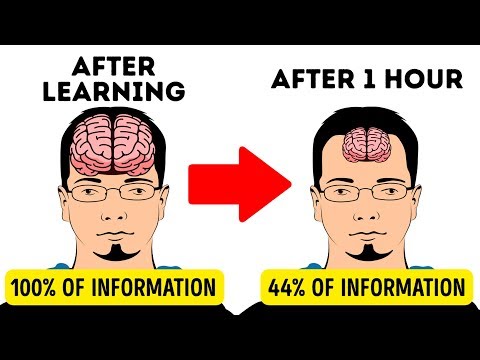
Roy Wu posted on 2018/04/02Ever wish you could remember things like a superhero? This video spills 11 awesome secrets, from the 'Mind Palace' to spaced repetition, that will help you memorize faster than ever before! You'll pick up practical tips perfect for acing exams and everyday learning.
Learn this video on the APP!
The VoiceTube App has more in-depth practice for videos!