
abdomen
US /ˈæbdəmən/
UK /ˈæbdəmən/
- Noun
- The part of the body where the stomach is
C1Moreagainst the clock
US
UK
- Phrase
- Rushed and under pressure to meet a deadline.
A2Moreas a whole
US /æz e hol/
UK /æz ə həul/
- Phrase
- Considering everything together; in general.
- Complete; not divided or incomplete.
- Adjective
- Complete; not divided or fragmented.
A1Moreas much a
US
UK
- Adverb
- To the same degree or extent.
B1Moreat risk
US
UK
- Phrase
- In danger; likely to be harmed
attempt
US /əˈtɛmpt/
UK /ə'tempt/
- Verb (Transitive/Intransitive)
- To try to do something challenging or difficult
- Noun
- Effort made to try to do or accomplish something
A2TOEICMoreback into
US /bæk ˈɪntu/
UK /bæk ˈɪntuː/
- Phrasal Verb
- To drive a vehicle backwards into a space or area.
- To accidentally collide with something while moving backwards.
A1Morebizarre
US /bɪˈzɑr/
UK /bɪˈzɑ:(r)/
- Adjective
- Odd or strange
B2Morecannibalism
US /'kænɪbəlɪzəm/
UK /'kænɪbəlɪzəm/
- Uncountable Noun
- Practice of one human eating another
- The practice where an animal eats all or part of another animal of the same species.
C1Moreclutch
US /klʌtʃ/
UK /klʌtʃ/
- Transitive Verb
- To hold strongly in your hand
- To operate the clutch of a vehicle.
- Noun (Countable/Uncountable)
- A tight grasp or grip.
- A mechanical device that engages and disengages power transmission, especially in a vehicle.
B1Morecompetition
US /ˌkɑmpɪˈtɪʃən/
UK /ˌkɒmpəˈtɪʃn/
- Noun (Countable/Uncountable)
- Fighting against others to win something
- A situation in which people or organizations compete with each other for something that not everyone can have.
A2Moreconsume
US /kənˈsum/
UK /kən'sju:m/
- Transitive Verb
- To eat, drink, buy or use up something
- To take all your energy; focus the attention
A2TOEICMorecounterproductive
US /ˌkaʊntəprəˈdʌktɪv/
UK /ˌkaʊntəprəˈdʌktɪv/
- Adjective
- Tending to hinder the achievement of a goal
B1Morecrawl
US /krɔl/
UK /krɔ:l/
- Verb (Transitive/Intransitive)
- To move very slowly or cautiously
- To move along with the body close to the ground
- Uncountable Noun
- Very slow progress (e.g. traffic)
B1Moredevour
US /dɪˈvaʊr/
UK /dɪˈvaʊə(r)/
- Transitive Verb
- To eat quickly and hungrily
B2Moredisease
US /dɪˈziz/
UK /dɪˈzi:z/
- Noun (Countable/Uncountable)
- Illness that affects a person, animal, or plant
- A disorder of structure or function in a plant, especially one caused by a pathogen.
- Transitive Verb
- To affect with disease; to corrupt or sicken.
A2TOEICMoredispatch
US /dɪˈspætʃ/
UK /dɪˈspætʃ/
- Transitive Verb
- To send (people or objects) somewhere
B2TOEICMoreditch
US /dɪtʃ/
UK /dɪtʃ/
- Transitive Verb
- To abandon or give up a plan, etc.
- To land an airplane in water due to an emergency
- Countable Noun
- Long, shallow hole used for drainage or irrigation
B1Moredry out
US
UK
- Verb (Transitive/Intransitive)
- To remove moisture from something; to become completely dry.
- To detoxify and recover from addiction.
A1Moreenzyme
US /ˈɛnzaɪm/
UK /ˈenzaɪm/
- Noun
- A protein made by cells
B2TOEICMoreevaporate
US /ɪˈvæpəˌret/
UK /ɪˈvæpəreɪt/
- Intransitive Verb
- To pass off or away; to disappear
- Transitive Verb
- To change from a liquid into a gaseous state
B2Moreevidence of
US
UK
- Phrase
- Facts, objects, or signs that make you believe that something is true.
- Something that shows that something else exists or is true.
A1Moreexplode
US /ɪkˈsplod/
UK /ɪk'spləʊd/
- Verb (Transitive/Intransitive)
- To express an emotion in a sudden and loud way
- To increase in number or amount very quickly
B1Moreextreme
US /ɪkˈstrim/
UK /ɪk'stri:m/
- Adjective
- Very great in degree
- Farthest from a center
- Noun
- Effort that is thought more than is necessary
- The furthest point or limit of something.
B1Moreforage
US /ˈfɔ:rɪdʒ/
UK /ˈfɒrɪdʒ/
- Uncountable Noun
- Plants that animals eat
- Intransitive Verb
- To wander looking for food as animals do naturally
B2TOEICMorefuel
US /ˈfjuəl/
UK /'fju:əl/
- Transitive Verb
- To give power to (a mob, anger, etc.); incite
- To provide gas or petrol for something
- Uncountable Noun
- Material used to produce heat or power when burned
A2TOEICMoregenerally
US /ˈdʒɛnərəli/
UK /ˈdʒenrəli/
- Adverb
- Usually; as a rule; by, to or for most people
A2Moregrow up
US /ɡro ʌp/
UK /ɡrəu ʌp/
- Phrasal Verb
- To develop from a child into an adult
A1Moregut
US /ɡʌt/
UK /ɡʌt/
- Transitive Verb
- To destroy the inside of a building , e.g. by fire
- To remove the internal parts of an animal or fish
- Noun (Countable/Uncountable)
- Stomach and internal organs of digestion
B1Morehandful
US /ˈhændˌfʊl/
UK /'hændfʊl/
- Noun (Countable/Uncountable)
- an amount of something that can be held in one hand; small quantity or amount of people or things
- A thing requiring great effort to control, manage
B1Moreinitial
US /ɪˈnɪʃəl/
UK /ɪ'nɪʃl/
- Noun
- First letter of your given name
- The beginning or commencement of something.
- Transitive Verb
- To authorize something by writing your initials
- To mark or sign with one's initials.
A2TOEICMorejaw
US /dʒɔ/
UK /dʒɔ:/
- Noun (Countable/Uncountable)
- One of the two bones of the face where teeth grow
- Intransitive Verb
- To talk with a lot of energy for a long time
B1Morelantern
US /ˈlæntərn/
UK /ˈlæntən/
- Countable Noun
- Light in a glass box that can be carried
B2Moremantis
US /'mæntɪs/
UK /'mæntɪs/
- Countable Noun
- Large insectivorous insect with prayerlike pose
- Symbolic representation of patience, meditation, or predatory behavior in various cultures.
C2Moremate
US /met/
UK /meɪt/
- Noun (Countable/Uncountable)
- A friend who you work, live, or go to school with
- Partner in a (sexual) relationship
- Verb (Transitive/Intransitive)
- To pair a male and female so they have children
- To join or fit two things together
B1Morenumerous
US /ˈnumərəs, ˈnju-/
UK /ˈnju:mərəs/
- Adjective
- Existing in large numbers
- Consisting of many things or people.
B1Morenutrient
US /ˈnutriənt/
UK /ˈnju:triənt/
- Noun (Countable/Uncountable)
- A chemical living things needs to be healthy
B1Morenutrition
US /nuˈtrɪʃən, nju-/
UK /njuˈtrɪʃn/
- Uncountable Noun
- Scientific study of the effects of foods on health
- Food and other things you eat or drink
B1Moreor simply
US
UK
- Phrase
- Alternatively; in a more straightforward way.
A1Moreoutside of
US /aʊtˈsaɪd ʌv/
UK /ˌautˈsaid ɔv/
- Preposition
- Located or situated beyond the boundaries or confines of something.
- Beyond the scope, range, or limits of something.
A1Morepantry
US /ˈpæntri/
UK /ˈpæntri/
- Noun
- Room for preparation or storage of foods
C1Morepass on
US
UK
- Phrasal Verb
- A polite way of saying 'to die'
A1Moreplenty
US /ˈplɛnti/
UK /'plentɪ/
- Pronoun
- When there is not too little of something; a lot
- Uncountable Noun
- A large or sufficient amount or quantity; abundance.
- A lot of something
A2Moreprecarious
US /prɪˈkɛriəs/
UK /prɪˈkeəriəs/
- Adjective
- Not secure; likely to fall over/off; dangerous
B2TOEICMorerare
US /rɛr/
UK /reə(r)/
- Adjective
- (Of meat) cooked, but still red and juicy
- Unusual or out of the ordinary; not common
A2Morerather than
US
UK
- Adverb
- More exactly; more correctly
- Preferably; instead
- Preposition
- Instead of
A1Morereceptive
US /rɪˈsɛptɪv/
UK /rɪˈseptɪv/
- Adjective
- Being open to hearing and considering new ideas
B2Morerecognition
US /ˌrɛkəɡˈnɪʃən/
UK /ˌrekəgˈnɪʃn/
- Uncountable Noun
- Accepting that something is true or that it exists
- Considering something as important or special
B1TOEICMorerecognize
US /ˈrek.əɡ.naɪz/
UK /ˈrek.əɡ.naɪz/
- Transitive Verb
- To accept the truth or reality of something
- To consider something as important or special
A2TOEICMoreremain
US /rɪˈmen/
UK /rɪˈmeɪn/
- Intransitive Verb
- To be left behind; to continue to exist
- To stay in a place when other people have gone
A2TOEICMorerepresent
US /ˌrɛprɪˈzɛnt/
UK /ˌreprɪ'zent/
- Transitive Verb
- To depict art objects, figures, scenes; to portray
- To show or describe something in a particular way
A2TOEICMoreresponse
US /rɪˈspɑns/
UK /riˈspɔns/
- Noun
- Something said/written as an answer to something
- Reaction to something that has occurred
A2TOEICMorerodent
US /ˈroʊdnt/
UK /ˈrəʊdnt/
- Noun
- Animal that gnaws/bites, e.g. rat, mouse, rabbit
B2Morescramble
US /ˈskræmbəl/
UK /ˈskræmbl/
- Intransitive Verb
- To cause war planes to take off quickly
- Transitive Verb
- To mix up
B2TOEICMoreshark
US /ʃɑ:rk/
UK /ʃɑ:k/
- Noun
- Person who lends money at unfair rates of interest
- Large and dangerous fish with sharp teeth
B2Moresouthwest
US /saʊθˈwɛst, saʊˈwɛst/
UK /ˌsaʊθ'west/
- Noun
- Location in the southwestern part of an area
B2Moresperm
US /spə:m/
UK /spɜ:m/
- Noun (Countable/Uncountable)
- Cell produced by men and needed for reproduction
C2Morestress
US / strɛs/
UK /stres/
- Transitive Verb
- To emphasize one or more parts of a word, sentence
- To put pressure on something or someone
- Noun (Countable/Uncountable)
- Emphasis on part of a word or sentence
- Pressure on something or someone
A2TOEICMoretiny
US /ˈtaɪni/
UK /'taɪnɪ/
- Adjective
- Very, very small
A2Moretoad
US /tod/
UK /təʊd/
- Countable Noun
- Small amphibian animal very similar to a frog
- A person you don't like or have respect for
B2Morevulnerable
US /ˈvʌlnərəbəl/
UK /ˈvʌlnərəbl/
- Adjective
- Being open to attack or damage
- Being easily harmed, hurt, or wounded
B1Moreyolk
US /joʊk/
UK /jəʊk/
- Noun
- Yellow central part of a bird's egg
B2More
Vocabulary
- rather than: More exactly; more correctly
- outside of: Located or situated beyond the boundaries or confines of something.
- against the clock: Rushed and under pressure to meet a deadline.
- grow up: To develop from a child into an adult
- dry out: To remove moisture from something; to become completely dry.
- as a whole: Considering everything together; in general.
- at risk: In danger; likely to be harmed
- or simply: Alternatively; in a more straightforward way.
- back into: To drive a vehicle backwards into a space or area.
- pass on: A polite way of saying 'to die'
- as much a: To the same degree or extent.
- evidence of: Facts, objects, or signs that make you believe that something is true.
- vulnerable: Being open to attack or damage
- recognize: To accept the truth or reality of something
- experience: Thing a person has done or that happened to them
- extreme: Very great in degree
- plenty: When there is not too little of something; a lot
- attempt: To try to do something challenging or difficult
- bizarre: Odd or strange
- develop: To explain something in steps and in detail
- consume: To eat, drink, buy or use up something
- disease: Illness that affects a person, animal, or plant
- represent: To depict art objects, figures, scenes; to portray
- stress: To emphasize one or more parts of a word, sentence
- gut: To destroy the inside of a building , e.g. by fire
- initial: First letter of your given name
- fuel: To give power to (a mob, anger, etc.); incite
- competition: Fighting against others to win something
- rare: (Of meat) cooked, but still red and juicy
- tiny: Very, very small
- remain: To be left behind; to continue to exist
- handful: an amount of something that can be held in one hand; small quantity or amount of people or things
- numerous: Existing in large numbers
- generally: Usually; as a rule; by, to or for most people
- crawl: To move very slowly or cautiously
- response: Something said/written as an answer to something
- recognition: Accepting that something is true or that it exists
- nutrient: A chemical living things needs to be healthy
- ditch: To abandon or give up a plan, etc.
- apply: To spread a substance or liquid over a surface
- nutrition: Scientific study of the effects of foods on health
- counterproductive: Tending to hinder the achievement of a goal
- scramble: To cause war planes to take off quickly
- enzyme: A protein made by cells
- devour: To eat quickly and hungrily
- evaporate: To pass off or away; to disappear
- sperm: Cell produced by men and needed for reproduction
- explode: To express an emotion in a sudden and loud way
- mate: A friend who you work, live, or go to school with
- clutch: To hold strongly in your hand
- rodent: Animal that gnaws/bites, e.g. rat, mouse, rabbit
- abdomen: The part of the body where the stomach is
- jaw: One of the two bones of the face where teeth grow
- include: To make someone, something part of a group
- receptive: Being open to hearing and considering new ideas
- part: Division of a book
- pantry: Room for preparation or storage of foods
- disappear: To no longer see because it's not there any more
- yolk: Yellow central part of a bird's egg
- dispatch: To send (people or objects) somewhere
- weak: Not having a strong character
- precarious: Not secure; likely to fall over/off; dangerous
- forage: Plants that animals eat
- meal: Food for eating at a particular time, e.g. dinner
- lantern: Light in a glass box that can be carried
- quickly: Without taking a lot of time; fast
- dead: Not alive
- care: To feel interest, concern, or worry
- toad: Small amphibian animal very similar to a frog
- dry: (Of humor) clever, but not obvious; ironic
- sick: Having a physical or mental illness
- jack: To increase the amount or intensity of something
- cannibalism: Practice of one human eating another
- rich: Having a lot of money or valuable possessions
- shark: Person who lends money at unfair rates of interest
- mantis: Large insectivorous insect with prayerlike pose
- southwest: Location in the southwestern part of an area
Get the full experience in the app
Learn anywhere with detailed sentence and usage analysis
01:03
She took a brave step forward, leaving behind her comfort zone to chase her dreams.
Vocabulary
- brave
adj. Having courage
- comfort zone
phr. A familiar situation where one feels safe
Explanation
a brave step is a noun phrase, where brave is an adjective modifying the noun step, meaning "a courageous step".
forward is an adverb modifying step, meaning "ahead".
The whole phrase serves as the object, answering the "what" of took (verb) — she took a brave step forward.
Get the full experience in the app
Look up words anytime with pronunciation, part of speech, and usage
brave
US/brev/
UK/breɪv/
adj.Brave
v.t.To bravely face
A2 Elementary
Get the full experience in the app
Practice speaking anytime and get instant pronunciation feedback
Try this speaking exercise.
Try practicing with this sentence.
80
0
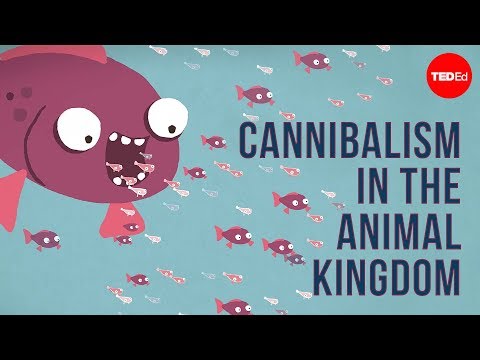
April Lu posted on 2018/09/10Ever wondered about the wild side of nature? This fascinating video dives into cannibalism in the animal kingdom, exploring survival strategies from spadefoot toads to sand tiger sharks! You'll pick up advanced vocabulary and complex sentence structures while learning about this surprising aspect of animal behavior.
Learn this video on the APP!
The VoiceTube App has more in-depth practice for videos!