
assume
US /əˈsum/
UK /ə'sju:m/
- Transitive Verb
- To act in a false manner to mislead others
- To believe, based on the evidence; suppose
A2TOEICMoreattention
US /əˈtɛnʃən/
UK /əˈtenʃn/
- Noun (Countable/Uncountable)
- Taking notice of someone or something
- Noun
- (Soldiers) Standing with straight backs
A2TOEICMoreattractive
US /əˈtræktɪv/
UK /əˈtræktɪv/
- Adjective
- Making you like them, as by being good-looking
- Offering advantages or benefits; tempting.
A2Moreaversion
US /əˈvɜ:rʒn/
UK /əˈvɜ:ʃn/
- Noun (Countable/Uncountable)
- Strong feeling of dislike
B2TOEICMoreback then
US
UK
- Phrase
- At that time in the past.
A1Morebrand
US /brænd/
UK /brænd/
- Noun
- A mark burned on an animal to show who owns it
- Product made or designed by a named company
- Transitive Verb
- To burn a mark on an animal to show who owns it
- To describe someone as a liar, coward, etc.
A2TOEICMorecheck out
US /tʃɛk aʊt/
UK /tʃek aut/
- Phrase
- Phrasal Verb
- To find out information about something
- To take books out of a library
A1Morecontrary
US /ˈkɑnˌtrɛri/
UK /'kɒntrərɪ/
- Adjective
- (Of weather) difficult; likely to cause trouble
- Going against authority, a parent, or the rules
- Adverb
- In opposition to.
B1Morecontrary to
US /ˈkɑnˌtrɛri tu/
UK /ˈkɔntrəri tu:/
- Preposition
- In opposition to; against.
- Differing from; not in agreement with.
A1Morecouple
US /ˈkʌpəl/
UK /'kʌpl/
- Transitive Verb
- To join something to something else
- (Two animals) to engage in sexual relations
- Noun (Countable/Uncountable)
- Two people in a romantic relationship
- Two of something; two people; a pair
A2Moredating apps
US
UK
- Noun (plural)
- Mobile applications designed to facilitate online dating and connections between individuals seeking romantic relationships.
A1Moredescription
US /dɪˈskrɪpʃən/
UK /dɪˈskrɪpʃn/
- Noun
- Explanation of what something is like, looks like
- The type or nature of someone or something.
A2TOEICMorefallout
US /ˈfɔlˌaʊt/
UK /'fɔ:laʊt/
- Noun (Countable/Uncountable)
- Radioactive particles after a nuclear explosion
- The adverse results of a situation or action.
C2Morefor sure
US /fɔr ʃʊr/
UK /fɔ: ʃuə/
- Adverb
- Definitely; certainly; without a doubt.
- Used to emphasize a statement.
- Interjection
- An expression of strong agreement or affirmation.
A2Morefreedom
US /ˈfridəm/
UK /'fri:dəm/
- Uncountable Noun
- State of being free, not being controlled
B1Morego around
US /ɡo əˈraʊnd/
UK /ɡəu əˈraund/
- Phrasal Verb
- (Of news, gossip) to be known; circulate
- To go here and there, from place to place; wander
A1Morein mind
US /ɪn maɪnd/
UK /in maind/
- Phrase
- Being aware of or considering something.
- To remember or consider something.
A2Morein recent times
US
UK
- Phrase
- During the period of time that has most recently passed; lately.
- In the modern era; in the current period of history.
B1Morein the past
US
UK
- Phrase
- During a former period of time; previously.
A1Morein time
US /ɪn taɪm/
UK /in taim/
- Adverb
- Eventually; after a period of time.
- Not late; with enough time to spare.
- Phrase
- Eventually; before it is too late.
- According to the scheduled time; punctual.
A1Moreincorrectly
US /ˌɪnkə'rektlɪ/
UK /ˌɪnkə'rektlɪ/
- Adverb
- In a way that is incorrect or wrong
B1Moreintense
US /ɪnˈtɛns/
UK /ɪn'tens/
- Adjective
- Very strong, great or extreme in degree
- Experiencing or showing great force or strength; extreme.
A2TOEICMoreliberate
US /ˈlɪbəˌret/
UK /'lɪbəreɪt/
- Transitive Verb
- To free someone or something that was captured
B2Moremobile
US /ˈmoʊbl/
UK /'məʊbaɪl/
- Adjective
- Able to be moved or able to move
- Able to move easily from one job, place, or social class to another.
- Countable Noun
- Personal phone you take with you wherever you go
- A decorative structure that is suspended so as to turn freely in the air.
B1Morenecessarily
US /ˌnɛsɪˈsɛrəli, -ˈsɛr-/
UK /ˌnesəˈserəli/
- Adverb
- In a way that is needed/required/is unavoidable
A2TOEICMoreof choice
US /əv tʃɔɪs/
UK /əv tʃɔɪs/
- other
- Indicating something is preferred or selected deliberately.
B2Moreof course
US /ʌv kɔː(r)s/
UK /ɔv kɔː(r)s/
- Adverb
- Sure ; Certainly
- Phrase
- For sure; certainly
A2Moreon the brain
US
UK
- Idiom
- To be constantly thinking about someone or something; to be obsessed with someone or something.
online
US /ˌɑ:nˈlaɪn/
UK /ˌɒnˈlaɪn/
- Adjective
- Connected to the internet
- Adverb
- Via the internet.
B1Moreout there
US /aʊt ðɛr/
UK /aut ðɛə/
- Adverb
- In or to a place that is far away
- Existing in the universe
- Adjective
- Unconventional; strange; avant-garde
- Existing or available.
A1Moreoverwhelming
US /ˌovɚˈhwɛlmɪŋ, -ˈwɛl-/
UK /ˌəʊvəˈwelmɪŋ/
- Transitive Verb
- To defeat something or someone completely
- To affect someone emotionally in a strong way
- Adjective
- Having too much to handle (e.g. work)
- Very great or very strong; so powerful that you cannot resist or decide how to react
B2Moreparadox
US /ˈpærəˌdɑks/
UK /'pærədɒks/
- Noun
- Surprising statement containing two opposing ideas
B2Moreperceive
US /pɚˈsiv/
UK /pə'si:v/
- Transitive Verb
- To notice or become aware of something
- To think of someone or something in a certain way
B1TOEICMorephysiological
US /ˌfɪziəˈlɑdʒɪkəl/
UK /ˌfɪzɪə'lɒdʒɪkl/
- Adjective
- Of or relating to functions of the body
- Consistent with the normal functioning of an organism.
B1Moreplanet
US /ˈplænɪt/
UK /'plænɪt/
- Noun (Countable/Uncountable)
- One of the bodies that orbit the sun
- A different world or sphere of existence.
- Proper Noun
- The earth.
A2Moreplenty
US /ˈplɛnti/
UK /'plentɪ/
- Pronoun
- When there is not too little of something; a lot
- Uncountable Noun
- A large or sufficient amount or quantity; abundance.
- A lot of something
A2Morepopulation
US /ˌpɑpjəˈleʃən/
UK /ˌpɒpjuˈleɪʃn/
- Noun (Countable/Uncountable)
- Number of people who live in a country, area etc.
- A group of individuals of one species living in a particular area.
A2TOEICMorerather than
US
UK
- Adverb
- More exactly; more correctly
- Preferably; instead
- Preposition
- Instead of
A1Morerealm
US /rɛlm/
UK /relm/
- Noun (Countable/Uncountable)
- Area ruled by a king or queen
- Field of knowledge or thought
B2Moreregret
US /rɪˈɡrɛt/
UK /rɪ'ɡret/
- Uncountable Noun
- Feeling of being sorry, as for what you didn't do
- Verb (Transitive/Intransitive)
- To feel sorrow or guilt, as for what you didn't do
- Used to express apology or sadness.
B1Morescene
US /sin/
UK /si:n/
- Noun
- Incident where someone behaves angrily, badly
- View that looks like a picture
A2TOEICMoresensation
US /sɛnˈseʃən/
UK /sen'seɪʃn/
- Noun
- (Person) attracting the interest of many people
- Mental feeling caused by a previous experience
B1Moreseparate
US /'sepəreɪt/
UK /'sepəreɪt/
- Adjective
- Being different from or unrelated to another
- Not connected; different.
- Transitive Verb
- To divide two things by being in between them
- To move things away from each other
A2TOEICMorestart off
US /stɑrt ɔf/
UK /stɑ:t ɔf/
- Phrasal Verb
- To begin or commence something.
- To begin a journey.
B2Morestray
US /stre/
UK /streɪ/
- Intransitive Verb
- To deviate or go away from the established norm
- Noun
- Someone or something that is lost, e.g. a dog
B2TOEICMoretheory
US /ˈθiəri, ˈθɪri/
UK /ˈθiəri/
- Noun (Countable/Uncountable)
- Ideas or principles that explain facts or events
- An idea or belief about something
A2TOEICMoretough
US /tʌf/
UK /tʌf/
- Adjective
- (Of food) difficult to chew or bite through
- Very difficult to do or deal with
- Noun
- A rough and aggressive person.
A2Moretransportation
US /ˌtrænspɔ:rˈteɪʃn/
UK /ˌtrænspɔ:ˈteɪʃn/
- Noun (Countable/Uncountable)
- Act of moving people or goods between places
- A system or means of transport, especially public transport.
B1Moretypically
US /ˈtɪpɪklɪ/
UK /ˈtɪpɪkli/
- Adverb
- In a normal or usual way
B1Moreunhappy
US /ʌnˈhæpi/
UK /ʌn'hæpɪ/
- Adjective
- Not feeling happy; sad or worried
B1Moreunwilling
US /ʌnˈwɪlɪŋ/
UK /ʌnˈwɪlɪŋ/
- Adjective
- Not wanting to do
B1Morewanna
US /ˈwɑnə/
UK /'wɒnə/
- Verb (Transitive/Intransitive)
- Shortened form of 'want to'. Used only in speaking
B2More
Vocabulary
- dating apps: Mobile applications designed to facilitate online dating and connections between individuals seeking romantic relationships.
- of choice: Indicating something is preferred or selected deliberately.
- in mind: Being aware of or considering something.
- in the past: During a former period of time; previously.
- rather than: More exactly; more correctly
- contrary to: In opposition to; against.
- of course: Sure ; Certainly
- in time: Eventually; after a period of time.
- back then: At that time in the past.
- in recent times: During the period of time that has most recently passed; lately.
- for sure: Definitely; certainly; without a doubt.
- out there: In or to a place that is far away
- go around: (Of news, gossip) to be known; circulate
- check out
- start off: To begin or commence something.
- on the brain: To be constantly thinking about someone or something; to be obsessed with someone or something.
- intense: Very strong, great or extreme in degree
- perceive: To notice or become aware of something
- assume: To act in a false manner to mislead others
- tough: (Of food) difficult to chew or bite through
- overwhelming: To defeat something or someone completely
- evidence: Factual proof that helps to establish the truth
- description: Explanation of what something is like, looks like
- regret: Feeling of being sorry, as for what you didn't do
- typically: In a normal or usual way
- plenty: When there is not too little of something; a lot
- sensation: (Person) attracting the interest of many people
- necessarily: In a way that is needed/required/is unavoidable
- expect: To believe something is probably going to happen
- scene: Incident where someone behaves angrily, badly
- separate: Being different from or unrelated to another
- paradox: Surprising statement containing two opposing ideas
- brand: A mark burned on an animal to show who owns it
- theory: Ideas or principles that explain facts or events
- mean: Average of a set of numbers
- attractive: Making you like them, as by being good-looking
- attention: Taking notice of someone or something
- contrary: (Of weather) difficult; likely to cause trouble
- population: Number of people who live in a country, area etc.
- decision: Choice made after thinking; final judgment
- realm: Area ruled by a king or queen
- planet: One of the bodies that orbit the sun
- pretty: Being attractive to the eye in a simple way
- couple: To join something to something else
- wanna: Shortened form of 'want to'. Used only in speaking
- mind: To be bothered or upset by something
- social: Involving activity with people, e.g. in free time
- noggin: A human head
- totally: In a complete way; completely; absolutely
- lot: What happens to a person in life from chance; fate
- single: One run in cricket or a hit baseball
- physiological: Of or relating to functions of the body
- transportation: Act of moving people or goods between places
- modern: Of the present time; up to date; contemporary
- aversion: Strong feeling of dislike
- great: Very good; better than before
- find: To become aware of something that is happening
- remember: To give someone a gift, e.g. birthday, wedding
- mobile: Able to be moved or able to move
- stray: To deviate or go away from the established norm
- liberate: To free someone or something that was captured
- freedom: State of being free, not being controlled
- fallout: Radioactive particles after a nuclear explosion
- incorrectly: In a way that is incorrect or wrong
- unwilling: Not wanting to do
- online: Connected to the internet
- unhappy: Not feeling happy; sad or worried
Get the full experience in the app
Learn anywhere with detailed sentence and usage analysis
01:03
She took a brave step forward, leaving behind her comfort zone to chase her dreams.
Vocabulary
- brave
adj. Having courage
- comfort zone
phr. A familiar situation where one feels safe
Explanation
a brave step is a noun phrase, where brave is an adjective modifying the noun step, meaning "a courageous step".
forward is an adverb modifying step, meaning "ahead".
The whole phrase serves as the object, answering the "what" of took (verb) — she took a brave step forward.
Get the full experience in the app
Look up words anytime with pronunciation, part of speech, and usage
brave
US/brev/
UK/breɪv/
adj.Brave
v.t.To bravely face
A2 Elementary
Get the full experience in the app
Practice speaking anytime and get instant pronunciation feedback
Try this speaking exercise.
Try practicing with this sentence.
80
0
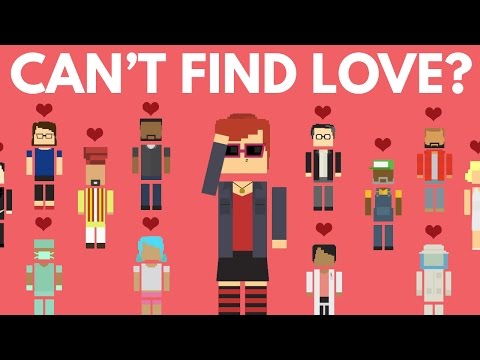
Evelyn posted on 2022/11/26Ever wonder if dating apps are making it harder to find 'the one'? This fun video dives into the psychology behind modern dating, exploring why having too many choices might actually be a bad thing! You'll pick up some cool vocabulary related to dating psychology and brain chemistry that you can use in everyday conversations.
Learn this video on the APP!
The VoiceTube App has more in-depth practice for videos!