
above all
US /əˈbʌv ɔl/
UK /əˈbʌv ɔ:l/
- Phrase
- Most importantly; more than anything else.
A1Morealgorithm
US /ˈælɡəˌrɪðəm/
UK /'ælɡərɪðəm/
- Noun
- A step-by-step problem-solving feature
B2Moreall at once
US
UK
- Adverb
- Suddenly; at the same time
- At the same time; simultaneously
- Phrase
- Suddenly; at the same time
A1Moreas with
US /æz wɪð/
UK /æz wið/
- Preposition
- In the same way that something happens or is true of something else.
A1Moreat once
US /æt wʌns/
UK /æt wʌns/
- Adverb
- Immediately; without delay
- At the same time; simultaneously
A2Morebasically
US /ˈbesɪkəli,-kli/
UK /ˈbeɪsɪkli/
- Adverb
- Used before you explain something simply, clearly
- In essence; when you consider the most important aspects of something.
A2Morebreak up
US /brek ʌp/
UK /breik ʌp/
- Phrase
- Phrasal Verb
- (Of party, relationship) to come to an end
- To end something, e.g. a fight
A1Morebunch
US /bʌntʃ/
UK /bʌntʃ/
- Noun (Countable/Uncountable)
- A group of things of the same kind
- A group of people.
- Transitive Verb
- To group people or things closely together
B1Morebutton
US /ˈbʌtn/
UK /'bʌtn/
- Noun (Countable/Uncountable)
- Small round piece material used to fasten clothing
- Switch activated by pressing
- Transitive Verb
- To fasten e.g. a shirt, coat
- To suppress or restrain (feelings, etc.).
A2TOEICMorecarnival
US /ˈkɑrnəvəl/
UK /'kɑ:nɪvl/
- Noun
- Traveling amusement show with rides and sideshows
B1Morechaos
US /ˈkeˌɑs/
UK /'keɪɒs/
- Noun (plural)
- State of utter confusion or disorder
- Uncountable Noun
- Complete disorder and confusion.
- Behavior so unpredictable as to appear random, owing to great sensitivity to small changes in conditions.
B1Morecommunication
US /kəˌmjunɪˈkeʃən/
UK /kəˌmju:nɪ'keɪʃn/
- Noun (Countable/Uncountable)
- Talking to people; giving information to people
- The process of conveying information, ideas, or feelings through language or other means.
A2Moreculture
US /ˈkʌltʃɚ/
UK /'kʌltʃə(r)/
- Noun (Countable/Uncountable)
- Beliefs and customs of a particular group
- The customs, beliefs, art, and all the other things that a group of people share and consider important.
- Transitive Verb
- To grow cells, tissues, bacteria, etc. in a controlled environment.
A2Morecut out
US /kʌt aʊt/
UK /kʌt aut/
- Phrasal Verb
- To leave out of something, e.g. a social event
- To cut something from, e.g. a picture from a book
- Verb (Transitive/Intransitive)
- To stop doing or using something.
- To be naturally suited or fitted for something.
A1Moredatum
US /ˈdetəm, ˈdætəm, ˈdɑtəm/
UK /ˈdeɪtəm/
- Noun
- Item of factual information
B1Moredistribute
US /dɪˈstrɪbjut/
UK /dɪˈstrɪbju:t/
- Transitive Verb
- To hand out or give to people
- To send products to stores to sell
A2Moreeffectively
US /ɪˈfɛktɪvli/
UK /ɪˈfektɪvli/
- Adverb
- In a way that produces the desired result
B1Moreelectronic
US /ɪlɛkˈtrɑnɪk, ˌilɛk-/
UK /ɪˌlek'trɒnɪk/
- Adjective
- Operating by use of electricity; digital
- Produced or performed using electronic instruments or devices.
A2Moreelevator
US /ˈɛləˌvetɚ/
UK /'elɪveɪtə(r)/
- Noun (Countable/Uncountable)
- Machine that carries people between floors
- A building for storing grain, equipped with machinery for raising and distributing it.
B2TOEICMoreevidence of
US
UK
- Phrase
- Facts, objects, or signs that make you believe that something is true.
- Something that shows that something else exists or is true.
A1Morefetch
US /fɛtʃ/
UK /fetʃ/
- Transitive Verb
- To go and get something and bring it back
A2TOEICMorefigure out
US /ˈfɪɡjɚ aʊt/
UK /ˈfiɡə aut/
- Phrasal Verb
- To understand the behavior of someone
- To think through logically to find a solution
- Verb (Transitive/Intransitive)
- To understand or find an answer to something.
- To find a solution to a problem or understand something.
A1Morefinancial
US /faɪˈnænʃ(ə)l/
UK /faɪˈnænʃl/
- Adjective
- Involving money
- Relating to investments.
- Countable Noun
- A person who provides advice on financial matters.
A2TOEICMoreflock
US /flɑ:k/
UK /flɒk/
- Countable Noun
- Group of animals or birds that live together
- Group of people who gather or travel together
- Intransitive Verb
- To gather together or move as a group
B2Moreformerly known as
US /ˈfɔrmɚli noʊn æz/
UK /ˈfɔ:məli nəun æz/
- other
- Used to indicate a previous name of a person or place.
B1Morefreak out
US /frik aʊt/
UK /fri:k aut/
- Phrasal Verb
- To react or behave in a wild or irrational way
- To become very anxious, upset, or afraid; to panic.
- Intransitive Verb
- To experience or display extreme emotions, such as fear or panic.
- To have a very disturbing and frightening experience caused by taking drugs.
B2Morego find
US
UK
- Verb (Transitive/Intransitive)
- To search for and locate someone or something.
- An instruction to locate something.
A1Moregrow up
US /ɡro ʌp/
UK /ɡrəu ʌp/
- Phrasal Verb
- To develop from a child into an adult
A1Morehandle
US /ˈhændl/
UK /'hændl/
- Transitive Verb
- To cope with or take responsibility for
- To control a machine, car etc.
- Countable Noun
- The part of a door you hold to open it
- Thing you hold to carry or open a bag, pan etc.
A2TOEICMorehave to
US /hæv tu/
UK /ˈhæv tə/
- Auxiliary Verb
- Must do
A1Morein general
US /ɪn ˈdʒɛnərəl/
UK /in ˈdʒenərəl/
- Phrase
- Typically; usually; on the whole.
- Not specific or detailed; broadly.
- Adjective
- Not detailed or specific; overall.
C2Morein part
US /ɪn pɑrt/
UK /in pɑ:t/
- Adverb
- To some extent; partially.
A1Morein the end
US /ɪn ði ɛnd/
UK /in ðə end/
- Phrase
- Finally; after a period of time or series of events.
- Ultimately; as the final result or consequence.
A1Morein the middle of
US
UK
- Phrase
- In the central part or point of something.
- Engaged or occupied with something.
A2Morein the news
US
UK
- Phrase
- Being widely reported in the media.
A1Moreindex
US /ˈɪnˌdɛks/
UK /ˈɪndeks/
- Noun (Countable/Uncountable)
- Number showing how prices, wages changed over time
- Written or printed (usually alphabetical) list
- Transitive Verb
- To adjust a value/wages as other things change
- To make a list of things in alphabetical order
A2TOEICMorelook at
US /lʊk æt/
UK /luk æt/
- Phrasal Verb
- To use your eyes to focus on something
- To focus your eyes on something carefully
A1Morelook for
US /lʊk fɔr/
UK /luk fɔ:/
- Phrasal Verb
- To try to find a thing or person that is lost
- To expect or anticipate something.
A1Moremetaphor
US /ˈmɛtəˌfɔr, -fɚ/
UK /ˈmetəfə(r)/
- Noun
- Imaginative use of words to reveal a similarity
B1Morenext to
US /nɛkst tu/
UK /nekst tu:/
- Preposition
- Being located along side another
- In comparison with
- Adverb
- Almost; nearly
A1Moreof a sudden
US
UK
- Phrase
- Quickly and unexpectedly; suddenly.
B2Moreof course
US /ʌv kɔː(r)s/
UK /ɔv kɔː(r)s/
- Adverb
- Sure ; Certainly
- Phrase
- For sure; certainly
A2Moreout of print
US /aʊt əv prɪnt/
UK /aut əv prɪnt/
- other
- No longer being published or available to buy new.
B2Morepragmatic
US /præɡˈmætɪk/
UK /prægˈmætɪk/
- Adjective
- Dealing with problems reasonably and practically
B2Moreprecipice
US /ˈprɛsəpɪs/
UK /ˈpresəpɪs/
- Noun
- Very steep or overhanging dangerous cliff
C1Moreprophecy
US /ˈprɑfɪsi/
UK /'prɒfəsɪ/
- Noun
- Statement that something will happen in the future
B2Moreradar
US /ˈredɑr/
UK /ˈreɪdɑ:(r)/
- Noun
- Radio device used to find the location of objects
B2Morerevenue
US /ˈrevənju/
UK /'revənju:/
- Noun (Countable/Uncountable)
- Money that is made by or paid to a business
- Money a government collects from its people
A2TOEICMoresignal
US /ˈsɪɡnəl/
UK /'sɪɡnəl/
- Verb (Transitive/Intransitive)
- To be evidence/an indication something will happen
- To make a noise or motion to tell someone to start
- Noun (Countable/Uncountable)
- Evidence or an indication something will happen
- Movement of a hand or other means to send messages
A2Morestealth
US /stɛlθ/
UK /stelθ/
- Uncountable Noun
- Manner of moving so as to avoid being seen
B2Moresteel
US /stil/
UK /sti:l/
- Uncountable Noun
- Very strong or determined character in a person
- Very strong metal made of iron, etc.
- Transitive Verb
- To prepare yourself for something difficult
A2Morestick with
US /stɪk wɪð/
UK /stik wið/
- Phrasal Verb
- To continue to support or stay loyal to someone or something.
- To continue doing or using something; to persevere.
A1Morestock
US /stɑk/
UK /stɒk/
- Noun (Countable/Uncountable)
- Animals such as cattle kept for breeding
- Merchandise; goods kept by a business for sale
- Uncountable Noun
- Tasty liquid added to stews, soups etc.
B2TOEICMoretake away from
US /tek əˈwe frʌm/
UK /teik əˈwei frɔm/
- Phrasal Verb
- To reduce the positive effect or value of something.
- To remove or detract from a particular quality or fact.
A1Moretalking about
US
UK
- Phrasal Verb
- To discuss a particular topic.
- To be constantly mentioning or bringing up a subject.
A1Morethink about
US /θɪŋk əˈbaʊt/
UK /θiŋk əˈbaut/
- Phrasal Verb
- To consider something carefully.
- To remember or call to mind.
A1Morethink of
US /θɪŋk ʌv/
UK /θiŋk ɔv/
- Phrasal Verb
- To look on as (being something specific); consider
- To consider or remember something.
- Verb (Transitive/Intransitive)
- To imagine or call something to mind
A1Moreto do with
US
UK
- Phrasal Verb
- To be about something; concern
A1Moretruth
US /truθ/
UK /tru:θ/
- Uncountable Noun
- Real facts about something
A2Moreused to
US /juzd tu/
UK /ˈju:st tə/
- Adjective
- Did regularly before, but don't do now
- Auxiliary Verb
- Have done before, but do not do now
A1Morevalley
US /ˈvæli/
UK /'vælɪ/
- Noun (Countable/Uncountable)
- Area between mountains with river running through
- The internal angle formed by the intersection of two sloping roof surfaces.
A2Morezoom
US /zum/
UK /zu:m/
- Noun
- Camera lens used to magnify images
- Intransitive Verb
- To move along or go somewhere very quickly
B1Morezoom out
US /zum aʊt/
UK /zu:m aut/
- Phrasal Verb
- To decrease the magnification of an image, showing more of the scene.
- To take a broader perspective; to consider the overall context.
Vocabulary
- have to: Must do
- look for: To try to find a thing or person that is lost
- talking about: To discuss a particular topic.
- break up
- of course: Sure ; Certainly
- in general: Typically; usually; on the whole.
- next to: Being located along side another
- to do with: To be about something; concern
- grow up: To develop from a child into an adult
- in the news: Being widely reported in the media.
- in part: To some extent; partially.
- all at once: Suddenly; at the same time
- at once: Immediately; without delay
- figure out: To understand the behavior of someone
- used to: Did regularly before, but don't do now
- go find: To search for and locate someone or something.
- formerly known as: Used to indicate a previous name of a person or place.
- of a sudden: Quickly and unexpectedly; suddenly.
- out of print: No longer being published or available to buy new.
- evidence of: Facts, objects, or signs that make you believe that something is true.
- as with: In the same way that something happens or is true of something else.
- stick with: To continue to support or stay loyal to someone or something.
- take away from: To reduce the positive effect or value of something.
- in the end: Finally; after a period of time or series of events.
- freak out: To react or behave in a wild or irrational way
- above all: Most importantly; more than anything else.
- think of: To look on as (being something specific); consider
- zoom out: To decrease the magnification of an image, showing more of the scene.
- think about: To consider something carefully.
- cut out: To leave out of something, e.g. a social event
- in the middle of: In the central part or point of something.
- look at: To use your eyes to focus on something
- sort: To organize things by putting them into groups
- bunch: A group of things of the same kind
- basically: Used before you explain something simply, clearly
- revenue: Money that is made by or paid to a business
- force: Group of persons trained for military action; army
- chaos: State of utter confusion or disorder
- sense: Certain mental feeling or emotion
- metaphor: Imaginative use of words to reveal a similarity
- algorithm: A step-by-step problem-solving feature
- financial: Involving money
- effectively: In a way that produces the desired result
- behavior: The way a person or thing acts; manner
- stock: Animals such as cattle kept for breeding
- prophecy: Statement that something will happen in the future
- break: To create a new record e.g. running the 100m dash
- click: To work well with someone or something
- flock: Group of animals or birds that live together
- culture: Beliefs and customs of a particular group
- company: Good feeling from being with someone else
- communication: Talking to people; giving information to people
- notice: To become aware by sight, touch, or hearing
- signal: To be evidence/an indication something will happen
- lot: What happens to a person in life from chance; fate
- distribute: To hand out or give to people
- kind: In a caring and helpful manner
- control: A device designed to operate a machine
- system: Set of organized, planned ideas that work together
- button: Small round piece material used to fasten clothing
- act: To behave in a certain way
- build: Your physical shape; physique
- pragmatic: Dealing with problems reasonably and practically
- fetch: To go and get something and bring it back
- program: To make someone act or think in a certain way
- index: Number showing how prices, wages changed over time
- handle: To cope with or take responsibility for
- electronic: Operating by use of electricity; digital
- steel: Very strong or determined character in a person
- valley: Area between mountains with river running through
- elevator: Machine that carries people between floors
- carnival: Traveling amusement show with rides and sideshows
- truth: Real facts about something
- datum: Item of factual information
- stealth: Manner of moving so as to avoid being seen
- radar: Radio device used to find the location of objects
- zoom: Camera lens used to magnify images
- precipice: Very steep or overhanging dangerous cliff
Get the full experience in the app
Learn anywhere with detailed sentence and usage analysis
01:03
She took a brave step forward, leaving behind her comfort zone to chase her dreams.
Vocabulary
- brave
adj. Having courage
- comfort zone
phr. A familiar situation where one feels safe
Explanation
a brave step is a noun phrase, where brave is an adjective modifying the noun step, meaning "a courageous step".
forward is an adverb modifying step, meaning "ahead".
The whole phrase serves as the object, answering the "what" of took (verb) — she took a brave step forward.
Get the full experience in the app
Look up words anytime with pronunciation, part of speech, and usage
brave
US/brev/
UK/breɪv/
adj.Brave
v.t.To bravely face
A2 Elementary
Get the full experience in the app
Practice speaking anytime and get instant pronunciation feedback
Try this speaking exercise.
Try practicing with this sentence.
80
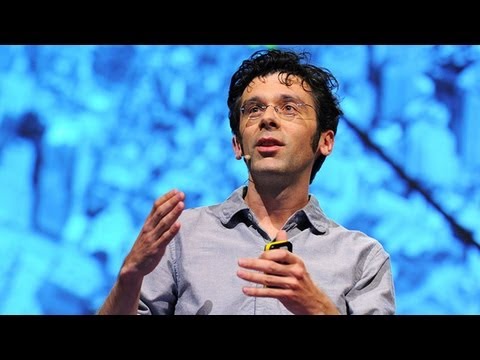
【TED】How algorithms shape our world - Kevin Slavin
0
Zenn posted on 2017/06/14Ever wondered how algorithms secretly steer your world, from Netflix recommendations to Wall Street trading? This fascinating TED talk dives into the hidden power of algorithms, showing you how they shape everything around us and introducing you to some advanced vocabulary along the way!
Learn this video on the APP!
The VoiceTube App has more in-depth practice for videos!