
artificial
US /ˌɑrtəˈfɪʃəl/
UK /ˌɑ:tɪ'fɪʃl/
- Adjective
- Dishonest, to seem fake, not sincere
- (Something) made by people; not created by nature
B1TOEICMoreat least
US /æt list/
UK /æt li:st/
- Adverb
- As a minimum
- Not less than
- Phrase
- No less than; at the minimum
- Used to indicate that something is positive in a bad situation.
C2Moreat random
US /æt ˈrændəm/
UK /æt ˈrændəm/
- Phrase
B1Moreat some point
US /æt sʌm pɔɪnt/
UK /æt sʌm pɔint/
- Phrase
- At an unspecified time, usually in the future.
A1Moreback in the day
US
UK
- Phrase
- In the past; in former times.
- Referring to a past time, often with a sense of nostalgia or fondness.
A1Moreback into
US /bæk ˈɪntu/
UK /bæk ˈɪntuː/
- Phrasal Verb
- To drive a vehicle backwards into a space or area.
- To accidentally collide with something while moving backwards.
A1Moreback then
US
UK
- Phrase
- At that time in the past.
A1Morebased on
US
UK
- Phrasal Verb
- To use something as the foundation or starting point for something else.
- Preposition
- Using something as the main idea or foundation.
- Relying on something as evidence or justification.
A1Morebeam
US /bim/
UK /bi:m/
- Transitive Verb
- To send out information, signals, or light
- Noun (Countable/Uncountable)
- A long piece of metal or wood used in construction
- A line of light or energy
B1Moreblue collar
US /blu ˈkɑlɚ/
UK /blu: ˈkɔlə/
- Adjective
- Relating to manual work or workers, especially in industry.
A1Morebug
US /bʌɡ/
UK /bʌɡ/
- Transitive Verb
- To bother someone
- To hide an electronic device to spy on someone
- Countable Noun
- An insect
- Problem in the functioning of computer code
B1Moreby itself
US /baɪ ɪtˈsɛlf/
UK /bai itˈself/
- Adverb
- Alone; without help or assistance.
- Without any external influence or aid.
A2Morecancer
US /ˈkænsɚ/
UK /'kænsə(r)/
- Noun
- Any growth caused by abnormal cell division
B1Morecherish
US /ˈtʃɛrɪʃ/
UK /ˈtʃerɪʃ/
- Transitive Verb
- To care a lot about or love someone or something
- To remember or keep something with a lot of care
B1Morechess
US /tʃɛs/
UK /tʃes/
- Noun (Countable/Uncountable)
- Game of mental strategy for two players
- The set of pieces used to play the game of chess.
B1Moreclassification
US /ˌklæsəfɪˈkeʃən/
UK /ˌklæsɪfɪˈkeɪʃn/
- Uncountable Noun
- Putting similar items into groups or sets
B1Moreclinical
US /ˈklɪnɪkəl/
UK /ˈklɪnɪkl/
- Adjective
- Concerning the treatment or observing patients
- Using scientific techniques and precision
B1Morecome back
US /kʌm bæk/
UK /kʌm bæk/
- Phrasal Verb
- To reply to someone, often forcefully
- To be remembered
A1Morecome on to
US /kʌm ɑn tu/
UK /kʌm ɔn tu:/
- Phrasal Verb
- To make a sexual advance towards someone.
A1Morecompetition
US /ˌkɑmpɪˈtɪʃən/
UK /ˌkɒmpəˈtɪʃn/
- Noun (Countable/Uncountable)
- Fighting against others to win something
- A situation in which people or organizations compete with each other for something that not everyone can have.
A2Morecomputer program
US
UK
- Phrase
A1Morecontingency
US /kənˈtɪndʒənsi/
UK /kənˈtɪndʒənsi/
- Noun (Countable/Uncountable)
- What you do in case an emergency or problem occurs
- A possible event or occurrence or result that must be prepared for.
B2Morecorrect
US /kəˈrɛkt/
UK /kə'rekt/
- Adjective
- Being suitable and appropriate for an occasion
- True or accurate
- Transitive Verb
- To fix a problem
- To write marks on a piece of work to show mistakes
A2Morecreative
US /kriˈetɪv/
UK /krɪ'eɪtɪv/
- Adjective
- Having the ability to make something new
- Having the ability to create; imaginative and original.
- Noun
- A person whose job involves creative work.
A2Moredatum
US /ˈdetəm, ˈdætəm, ˈdɑtəm/
UK /ˈdeɪtəm/
- Noun
- Item of factual information
B1Moredomain
US /doʊˈmeɪn/
UK /dəˈmeɪn/
- Noun (Countable/Uncountable)
- A field of knowledge, thought or influence
- Area that a ruler or government controls
B1Morefigure out
US /ˈfɪɡjɚ aʊt/
UK /ˈfiɡə aut/
- Phrasal Verb
- To understand the behavior of someone
- To think through logically to find a solution
- Verb (Transitive/Intransitive)
- To understand or find an answer to something.
- To find a solution to a problem or understand something.
A1Morefreak out
US /frik aʊt/
UK /fri:k aut/
- Phrasal Verb
- To react or behave in a wild or irrational way
- To become very anxious, upset, or afraid; to panic.
- Intransitive Verb
- To experience or display extreme emotions, such as fear or panic.
- To have a very disturbing and frightening experience caused by taking drugs.
B2Morehang out
US /hæŋ aʊt/
UK /hæŋ aut/
- Phrasal Verb
- To spend time with your friends
- To spend times with friends or relax doing nothing
A2Morehave at
US
UK
- Phrasal Verb
- To attack someone or something.
- To begin doing something with enthusiasm.
A1Morehave to
US /hæv tu/
UK /ˈhæv tə/
- Auxiliary Verb
- Must do
A1Morehire
US /haɪr/
UK /ˈhaɪə(r)/
- Transitive Verb
- To give a job to someone in exchange for pay
- To give the use of something in exchange for money
- Noun
- Short term rental of something e.g. car, phone
A2TOEICMorein fact
US /ɪn fækt/
UK /in fækt/
- Adverb
- Used to emphasize the truth of a statement, especially one that contrasts with or contradicts something else.
- Used to introduce a more detailed or surprising piece of information.
- Phrase
- Used to emphasize the truth of a statement, especially one that is surprising or contrary to what might be expected.
C1Morein love with
US //ɪn lʌv wɪð//
UK
- Adjective
- Feeling romantic love for someone.
- Extremely enthusiastic about or fond of something.
A1Morein power
US /ɪn ˈpaʊɚ/
UK /in ˈpauə/
- Adjective
- Having control of a country or organization.
- Phrase
- During a period of holding authority or control.
B1Morein school
US /ɪn skul/
UK /ɪn sku:l/
- other
- Attending an educational institution.
A1Morein terms of
US
UK
- Phrase
- With regard to; concerning a particular aspect.
A1Morein the past
US
UK
- Phrase
- During a former period of time; previously.
A1Moreinfer
US /ɪnˈfɚ/
UK /ɪn'fɜ:(r)/
- Verb (Transitive/Intransitive)
- To reach a conclusion from the evidence
- To imply; suggest something indirectly
B1TOEICMoreinstead of
US /ɪnˈstɛd ʌv/
UK /inˈsted ɔv/
- Preposition
- When one thing is replaced by another
- Adverb
- As a substitute or alternative.
A1Moreintelligence
US /ɪnˈtɛlədʒəns/
UK /ɪn'telɪdʒəns/
- Uncountable Noun
- Collection of secret information about something
- Ability to learn things or to consider situations
- Adjective
- Of the spying services; acting in secrecy
A2TOEICMoreinvention
US /ɪnˈvɛnʃən/
UK /ɪnˈvenʃn/
- Noun (Countable/Uncountable)
- Something new that is different from other things
- Power or ability to create new things
A2TOEICMoreissue
US /ˈɪʃu/
UK /'ɪʃu:/
- Transitive Verb
- To make something available to be used or sold
- To deliver a statement, etc. in an official manner
- Noun (Countable/Uncountable)
- Important topic discussed, debated or argued over
- Single edition of a magazine
A2TOEICMorelook at
US /lʊk æt/
UK /luk æt/
- Phrasal Verb
- To use your eyes to focus on something
- To focus your eyes on something carefully
A1Morelook over
US
UK
- Phrasal Verb
- To check something to see it works well; inspect
- To examine or inspect something quickly.
A1Moremany moons ago
US /ˈmɛni munz əˈgoʊ/
UK /ˈmeni mu:nz əˈgəu/
- other
- A long time ago, in the distant past.
B2Moremassive
US /ˈmæsɪv/
UK /ˈmæsɪv/
- Adjective
- Very big; large; too big
- Large or imposing in scale or scope.
B1Moremediocre
US /ˌmidiˈokɚ/
UK /ˌmi:diˈəʊkə(r)/
- Adjective
- Average; not outstanding; not very good
B2TOEICMoreneural
US /ˈnʊrəl, ˈnjʊr-/
UK /ˈnjuərəl/
- Adjective
- About the nerves or nervous system
B2Morenew level
US
UK
- Noun
- A higher or improved stage of achievement or quality.
- A different or more advanced degree of expertise or understanding.
A1Moreof a sudden
US
UK
- Phrase
- Quickly and unexpectedly; suddenly.
B2Moreof all things
US
UK
- Phrase
- Used to express surprise or disbelief at something unexpected or unusual.
- Used to emphasize the unexpected or inappropriate nature of a choice or action.
A1Moreof course
US /ʌv kɔː(r)s/
UK /ɔv kɔː(r)s/
- Adverb
- Sure ; Certainly
- Phrase
- For sure; certainly
A2Moreof itself
US /ʌv ɪtˈself/
UK /əv ɪtˈself/
- other
- Happening automatically without external cause or help.
B1Moreon to
US /ɑn tu/
UK /ɔn tu:/
- Preposition
- Toward something; forward
- Aware of someone's activities.
- Adjective
- Aware of someone's deception or illegal activities.
A1Moreopinion
US /əˈpɪnjən/
UK /əˈpɪnjən/
- Noun
- Court judge's statement why a decision was made
- A person's thoughts on a topic
A2TOEICMoreoptimistic
US /ˌɑːptɪˈmɪstɪk/
UK /ˌɒptɪˈmɪstɪk/
- Adjective
- Tending to believe the future will be good
- Confident and hopeful about future outcomes.
B2Moreout of the box
US /aʊt əv ðə bɑks/
UK /aut əv ðə bɒks/
- other
- Thinking in an original or creative way.
- Ready to use immediately without special preparation.
B2Moreoutperform
US /ˌaʊtpərˈfɔ:rm/
UK /ˌaʊtpəˈfɔ:m/
- Verb (Transitive/Intransitive)
- To achieve more than other competitors
- To perform better than another person or thing.
C1Morepace
US /pes/
UK /peɪs/
- Noun (Countable/Uncountable)
- Rate of speed at which something moves or happens
- Single step, often used to measure a distance
- Verb (Transitive/Intransitive)
- To set and control your speed, as in a race
- To walk with slow purposeful steps
A2Morepar
US /pɑr/
UK /pɑ:(r)/
- Noun
- Set number of hits to complete a hole in golf
- Usual or typical in terms of performance
B1Moreprior to
US /ˈpraɪɚ tu/
UK /ˈpraiə tu:/
- Preposition
- Before a particular time or event.
C1Moreprogress
US /ˈprɑɡˌrɛs, -rəs, ˈproˌɡrɛs/
UK /'prəʊɡres/
- Verb (Transitive/Intransitive)
- To move forward or toward a place or goal
- To make progress; develop or improve.
- Uncountable Noun
- Act of moving forward
- The process of improving or developing something over a period of time.
A2TOEICMorerecipe
US /ˈrɛsəˌpi/
UK /'resəpɪ/
- Noun
- Conditions likely to create a particular result
- Directions for making a dish, with the ingredients
B1Moreremote
US /rɪˈmot/
UK /rɪ'məʊt/
- Adjective
- Being far away from people, towns, etc.
- (Of a possibility) being small or not likely
- Noun
- Radio device designed to operate TV, etc.
A2TOEICMoreremote possibility
US
UK
- Noun
- A slight chance of something happening.
B1Morerepetitive
US /rɪˈpɛtɪtɪv/
UK /rɪˈpetətɪv/
- Adjective
- Doing or saying the same things many times
B2Morerevolution
US /ˌrɛvəˈluʃən/
UK /ˌrevə'lu:ʃn/
- Noun
- When a group overthrows an existing government
- Sudden or significant change in something
B1Morerunaway
US /ˈrʌnəˌwe/
UK /ˈrʌnəweɪ/
- Adjective
- (Of a victory) easy; hardly contested
- Unhappy child who runs away from home
- Noun
- Unhappy child who runs away from home
C2Moreshow up
US /ʃo ʌp/
UK /ʃəu ʌp/
- Phrasal Verb
- To arrive or be seen at a place, e.g. a party
- To be noticeably better than (someone else)
A1Morespell
US /spɛl/
UK /spel/
- Transitive Verb
- To lead to future trouble
- To be able to write (or say) the letters of a word
- Noun (Countable/Uncountable)
- Making some magic happen; form of words to do this
- Period of time; time when an action is being done
A2Morespin off
US /spɪn ɔf/
UK /spin ɔf/
- Countable Noun
- A company that is formed from part of an existing company.
- A television program that features characters from another, earlier program.
- Phrasal Verb
- To create a new company from an existing one.
C1Moresteam
US /stim/
UK /sti:m/
- Uncountable Noun
- Mist collecting on a surface when wet air cools
- Source of stamina, strength or energy
- Verb (Transitive/Intransitive)
- To cover a surface with steam, so as to clean it
- To cook in mist of tiny drops from boiling water
A2Moresuperhuman
US /ˌsjupɚˈhjumən/
UK /ˌsu:pəˈhju:mən/
- Adjective
- Above or beyond human power or endurance
- Countable Noun
- Human with special power or endurance
C2Moretake it out of
US /teɪk ɪt aʊt əv/
UK /teɪk ɪt aʊt ɒv/
- other
- To cause someone to feel very tired or exhausted.
B2Moretake over
US /tek ˈovɚ/
UK /teik ˈəuvə/
- Phrasal Verb
- To gain control of (a company) from someone else
- To assume control or possession of something.
A1Moretalking about
US
UK
- Phrasal Verb
- To discuss a particular topic.
- To be constantly mentioning or bringing up a subject.
A1Moretechnology
US /tɛkˈnɑlədʒi/
UK /tek'nɒlədʒɪ/
- Uncountable Noun
- Use or knowledge of science in industry etc.
- Machinery and equipment developed from scientific knowledge.
A2TOEICMorethink about
US /θɪŋk əˈbaʊt/
UK /θiŋk əˈbaut/
- Phrasal Verb
- To consider something carefully.
- To remember or call to mind.
A1Morethink of
US /θɪŋk ʌv/
UK /θiŋk ɔv/
- Phrasal Verb
- To look on as (being something specific); consider
- To consider or remember something.
- Verb (Transitive/Intransitive)
- To imagine or call something to mind
A1Morethreat
US /θrɛt/
UK /θret/
- Noun
- Warning of probable trouble
- A warning that you may be harmed
A2TOEICMoreturn down
US /tɚn daʊn/
UK /tə:n daun/
- Phrasal Verb
- To fold something, e.g. a shirt collar
- To refuse something someone offers you
A1Moreturned out
US
UK
- Phrasal Verb
- To arrive for a public event or entertainment
- To happen to be in the end
- Transitive Verb
- To extinguish or switch off lights.
A1Moreup and running
US /ʌp ənd ˈrʌnɪŋ/
UK /ʌp ænd ˈrʌnɪŋ/
- Adjective
- Fully operational; functioning correctly.
- Active and operating successfully.
A1Moreused to
US /juzd tu/
UK /ˈju:st tə/
- Adjective
- Did regularly before, but don't do now
- Auxiliary Verb
- Have done before, but do not do now
A1Morework in
US /wɚk ɪn/
UK /wə:k in/
- Phrasal Verb
- To make an opening for something in your schedule
- To fit person/thing into a schedule or sequence
A1Morewrite down
US /raɪt daʊn/
UK /rait daun/
- Phrasal Verb
- To record in writing
A1More
Vocabulary
- look at: To use your eyes to focus on something
- think about: To consider something carefully.
- instead of: When one thing is replaced by another
- of a sudden: Quickly and unexpectedly; suddenly.
- back in the day: In the past; in former times.
- used to: Did regularly before, but don't do now
- think of: To look on as (being something specific); consider
- in fact: Used to emphasize the truth of a statement, especially one that contrasts with or contradicts something else.
- turn down: To fold something, e.g. a shirt collar
- write down: To record in writing
- back then: At that time in the past.
- in school: Attending an educational institution.
- have to: Must do
- in power: Having control of a country or organization.
- have at: To attack someone or something.
- spin off: A company that is formed from part of an existing company.
- many moons ago: A long time ago, in the distant past.
- based on: To use something as the foundation or starting point for something else.
- figure out: To understand the behavior of someone
- at least: As a minimum
- computer program
- freak out: To react or behave in a wild or irrational way
- at some point: At an unspecified time, usually in the future.
- take it out of: To cause someone to feel very tired or exhausted.
- of all things: Used to express surprise or disbelief at something unexpected or unusual.
- show up: To arrive or be seen at a place, e.g. a party
- turned out: To arrive for a public event or entertainment
- talking about: To discuss a particular topic.
- in love with: Feeling romantic love for someone.
- by itself: Alone; without help or assistance.
- come on to: To make a sexual advance towards someone.
- on to: Toward something; forward
- of itself: Happening automatically without external cause or help.
- at random
- come back: To reply to someone, often forcefully
- back into: To drive a vehicle backwards into a space or area.
- remote possibility: A slight chance of something happening.
- take over: To gain control of (a company) from someone else
- work in: To make an opening for something in your schedule
- look over: To check something to see it works well; inspect
- prior to: Before a particular time or event.
- hang out: To spend time with your friends
- blue collar: Relating to manual work or workers, especially in industry.
- up and running: Fully operational; functioning correctly.
- of course: Sure ; Certainly
- in the past: During a former period of time; previously.
- out of the box: Thinking in an original or creative way.
- new level: A higher or improved stage of achievement or quality.
- in terms of
- massive: Very big; large; too big
- progress: To move forward or toward a place or goal
- artificial: Dishonest, to seem fake, not sincere
- intelligence: Collection of secret information about something
- recipe: Conditions likely to create a particular result
- opinion: Court judge's statement why a decision was made
- issue: To make something available to be used or sold
- competition: Fighting against others to win something
- brain: To strike someone forcefully on the head
- neural: About the nerves or nervous system
- remote: Being far away from people, towns, etc.
- threat: Warning of probable trouble
- optimistic: Tending to believe the future will be good
- repetitive: Doing or saying the same things many times
- pace: Rate of speed at which something moves or happens
- reason: To think and make conclusions in a logical manner
- mediocre: Average; not outstanding; not very good
- clinical: Concerning the treatment or observing patients
- cherish: To care a lot about or love someone or something
- revolution: When a group overthrows an existing government
- correct: Being suitable and appropriate for an occasion
- scary: Causing fear; frightening
- stage: To organize an event to gain public interest
- invention: Something new that is different from other things
- company: Good feeling from being with someone else
- technology: Use or knowledge of science in industry etc.
- domain: A field of knowledge, thought or influence
- creative: Having the ability to make something new
- kind: In a caring and helpful manner
- steam: Mist collecting on a surface when wet air cools
- learn: To get knowledge or skills by study or experience
- program: To make someone act or think in a certain way
- spell: To lead to future trouble
- build: Your physical shape; physique
- hire: To give a job to someone in exchange for pay
- drive: A person's ambition and motivation to do something
- person: Man, woman or child
- turn: To become (a particular age)
- find: To become aware of something that is happening
- deep: Complex and important
- great: Very good; better than before
- bug: To bother someone
- beam: To send out information, signals, or light
- cancer: Any growth caused by abnormal cell division
- par: Set number of hits to complete a hole in golf
- contingency: What you do in case an emergency or problem occurs
- datum: Item of factual information
- infer: To reach a conclusion from the evidence
- chess: Game of mental strategy for two players
- outperform: To achieve more than other competitors
- classification: Putting similar items into groups or sets
- runaway: (Of a victory) easy; hardly contested
- superhuman: Above or beyond human power or endurance
Get the full experience in the app
Learn anywhere with detailed sentence and usage analysis
01:03
She took a brave step forward, leaving behind her comfort zone to chase her dreams.
Vocabulary
- brave
adj. Having courage
- comfort zone
phr. A familiar situation where one feels safe
Explanation
a brave step is a noun phrase, where brave is an adjective modifying the noun step, meaning "a courageous step".
forward is an adverb modifying step, meaning "ahead".
The whole phrase serves as the object, answering the "what" of took (verb) — she took a brave step forward.
Get the full experience in the app
Look up words anytime with pronunciation, part of speech, and usage
brave
US/brev/
UK/breɪv/
adj.Brave
v.t.To bravely face
A2 Elementary
Get the full experience in the app
Practice speaking anytime and get instant pronunciation feedback
Try this speaking exercise.
Try practicing with this sentence.
80
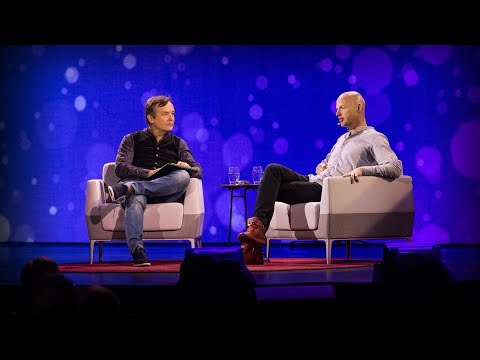
【TED】Sebastian Thrun and Chris Anderson: What AI is -- and isn't (What AI is -- and isn't | Sebastian Thrun and Chris Anderson)
0
Sam posted on 2018/04/08Ever wondered what AI *really* is and how it's changing our world? This fascinating TED Talk dives into the exciting advancements in Machine Learning and Self-Driving Cars, giving you a chance to pick up some advanced vocabulary and understand complex sentence structures along the way!
Learn this video on the APP!
The VoiceTube App has more in-depth practice for videos!