
adjust
US /əˈdʒʌst/
UK /əˈdʒʌst/
- Verb (Transitive/Intransitive)
- To change; to attain a desired state or function
- To change so as to fit in with new conditions
A2TOEICMoreadopt
US /əˈdɑ:pt/
UK /əˈdɒpt/
- Transitive Verb
- To legally take a child into your family
- To take on responsibility for something
A2TOEICMoreapocalypse
US /əˈpɑkəˌlɪps/
UK /əˈpɒkəlɪps/
- Noun (Countable/Uncountable)
- Great disaster; complete destruction
- A disclosure of something hidden from the majority of mankind.
B2Morearbitrary
US /ˈɑrbɪˌtrɛri/
UK /ˈɑ:bitrəri/
- Adjective
- (Of decisions) unsupported; without any evidence
- Based on random choice or personal whim, rather than any reason or system.
B1TOEICMorearmageddon
US /ˌɑrməˈɡɛdn/
UK /ˌɑ:məˈɡedən/
- Noun
- Scene of the final battle at the end of the world
C2Moreatmosphere
US /ˈætməˌsfɪr/
UK /'ætməsfɪə(r)/
- Noun (Countable/Uncountable)
- Air around us
- Feeling or mood of a place
A2Moreban
US /bæn/
UK /bæn/
- Transitive Verb
- To make something illegal or not allowed
- To prohibit someone from participating in a particular online community or game.
- Noun (Countable/Uncountable)
- Official action preventing something happening
- A prohibition from participating in a particular online community or game.
B1Morebulletin
US /ˈbʊlɪtn, -tɪn/
UK /'bʊlətɪn/
- Noun (Countable/Uncountable)
- (Sudden or urgent) news piece
- Printed material to give information
B2Morecavalier
US /ˌkævəˈlɪr/
UK /ˌkævəˈlɪə(r)/
- Noun
- Gentleman trained in arms and horsemanship
- Adjective
- Not bothering about the rules or others' wishes
B2TOEICMoreclimate
US /ˈklaɪmɪt/
UK /ˈklaɪmət/
- Noun (Countable/Uncountable)
- Typical weather conditions in a particular place
- The general attitudes, feelings, or opinions that people have at a particular time.
A2Morecloser than
US
UK
- Phrase
- Nearer in distance compared to something else.
- Having a stronger emotional bond compared to someone else.
A1Moreconcern about
US
UK
- Intransitive Verb
- To worry about something.
B2Moreconflict
US /ˈkɑnˌflɪkt/
UK /'kɒnflɪkt/
- Noun (Countable/Uncountable)
- Argument or struggle between two or more parties
- A serious disagreement or argument.
- Verb (Transitive/Intransitive)
- To have opposite ideas; to disagree; To not match
A2Moredebut
US /deˈbju, ˈdeˌbju/
UK /'deɪbju:/
- Noun
- First performance, appearance, e.g. of opera star
B1TOEICMoredepict
US /dɪˈpɪkt/
UK /dɪ'pɪkt/
- Transitive Verb
- To represent or describe something using words
- To represent or show something in a picture or painting; to portray visually.
B1TOEICMoredesire
US / dɪˈzaɪr/
UK /dɪ'zaɪə(r)/
- Transitive Verb
- To wish for, hope or want something
- Noun (Countable/Uncountable)
- Thing that is wished for or wanted
- A strong feeling of sexual wanting.
A2Moredictate
US /ˈdɪkˌtet/
UK /dɪk'teɪt/
- Transitive Verb
- To speak while someone writes down your words
- To make a thing necessary
B1TOEICMoredisagree
US /ˌdɪsəˈɡri/
UK /ˌdɪsə'ɡri:/
- Intransitive Verb
- To have a different opinion; to fail to agree
B2TOEICMoredisposition
US /ˌdɪspəˈzɪʃən/
UK /ˌdɪspəˈzɪʃn/
- Noun
- Normal attitude or mood of someone
B2TOEICMoredoomsday
US /ˈdumzˌde/
UK /ˈdu:mzdeɪ/
- Noun
- A day said to end time; the end of the world
C1Moredramatic
US /drəˈmætɪk/
UK /drəˈmætɪk/
- Adjective
- Gripping the attention; causing an effect
- (Of an event) sudden and extreme
B1Moredue to
US /du tu/
UK /dju: tu:/
- Preposition
- Because of; owing to
- Adjective
- Attributable to; caused by.
A1Moreelection
US /ɪˈlɛkʃən/
UK /ɪ'lekʃn/
- Noun
- Process of choosing someone by voting
B1TOEICMoreexecutive
US /ɪɡˈzɛkjətɪv/
UK /ɪɡ'zekjətɪv/
- Noun (Countable/Uncountable)
- A senior manager in a business or organization
- The branch of government responsible for enforcing laws.
- Adjective
- Of a high ranking job in a company
- Relating to the management of a business or organization.
A2TOEICMoreexpertise
US /ˌekspɜːrˈtiːz/
UK /ˌekspɜ:ˈti:z/
- Uncountable Noun
- The special knowledge that an expert has
- Expert skill or knowledge in a particular field.
B1TOEICMoregrim
US /ɡrɪm/
UK /ɡrɪm/
- Adjective
- Being very serious or determined
- Causing someone to worry or feel sad or hopeless
B1Moreimminent
US /'ɪmɪnənt/
UK /ˈɪmɪnənt/
- Adjective
- Happening soon; about to happen
B2TOEICMorein the first place
US
UK
- Phrase
- To begin with; as the first point or consideration.
- From the beginning; initially.
A1Moreinfluence
US / ˈɪnfluəns/
UK /'ɪnflʊəns/
- Verb (Transitive/Intransitive)
- To affect or change something indirectly
- To persuade someone to do something.
- Noun (Countable/Uncountable)
- The power to affect what happens, to persuade etc.
- A person or thing that affects someone or something in an important way.
A2TOEICMoreinitially
US /ɪˈnɪʃəli/
UK /ɪˈnɪʃəli/
- Adverb
- At first; originally
- In the first stage of a process or development.
A2TOEICMoremilestone
US /ˈmaɪlstoʊn/
UK /ˈmaɪlstəʊn/
- Noun
- Significant event in your life (or in a project)
C2Morenuclear
US /ˈnukliɚ, ˈnju-/
UK /ˈnju:kliə(r)/
- Adjective
- Concerning or involving the center of an atom
A2Moreoff the table
US
UK
- Phrase
- No longer being considered or discussed.
- Removed from the table.
A1Moreoutlook
US /ˈaʊtˌlʊk/
UK /ˈaʊtlʊk/
- Noun (Countable/Uncountable)
- General feeling or attitude about something
- Place from which there is a clear view of an area
B1Moreperceive
US /pɚˈsiv/
UK /pə'si:v/
- Transitive Verb
- To notice or become aware of something
- To think of someone or something in a certain way
B1TOEICMorepopulist
US /ˈpɑpjulɪst/
UK /'pɒpjəlɪst/
- Noun
- Politician claiming to represent ordinary people
- Adjective
- Claiming to represent the views of ordinary people
B2Morepresident
US /ˈprɛzɪdənt,-ˌdɛnt/
UK /ˈprezɪdənt/
- Noun
- Person in charge of a country, or organization
- The highest-ranking executive in a corporation or organization.
A2TOEICMoreprior
US /ˈpraɪɚ/
UK /'praɪə(r)/
- Adjective
- Existing or coming earlier in time
- (Of a claim, etc.) more important than another one
- Noun
- Monk or priest in charge of a monastery
B1TOEICMorereckless
US /ˈrɛklɪs/
UK /'rekləs/
- Adjective
- Being dangerous and not caring about the results
B2Morerecognition
US /ˌrɛkəɡˈnɪʃən/
UK /ˌrekəgˈnɪʃn/
- Uncountable Noun
- Accepting that something is true or that it exists
- Considering something as important or special
B1TOEICMorereduction
US /rɪˈdʌkʃən/
UK /rɪ'dʌkʃn/
- Noun
- Act of making something smaller
B1Moreregularly
US /ˈregjələrli/
UK /ˈregjələli/
- Adverb
- At the usual time each day, week, or month
- In a normal or customary way.
B1TOEICMorescientific
US /ˌsaɪənˈtɪfɪk/
UK /ˌsaɪənˈtɪfɪk/
- Adjective
- Concerning academic study of the physical world
- Systematic and precise, following a methodology.
- Noun
- Relating to or used in science.
A2Morestrategic
US /strəˈtidʒɪk/
UK /strəˈti:dʒɪk/
- Adjective
- Concerned with strategy; well thought out
A2Morethanks to
US /θæŋks tu/
UK /θæŋks tu:/
- Preposition
- Because of; as a result of.
A1Morethreat
US /θrɛt/
UK /θret/
- Noun
- Warning of probable trouble
- A warning that you may be harmed
A2TOEICMoretil
US /tɪl/
UK /til,ti:l/
- Adverb
- Until
B2Moreturn back
US /tɚn bæk/
UK /tə:n bæk/
- Phrasal Verb
- To stop and move backward on some issue
B2Moreunion
US /ˈjunjən/
UK /'ju:nɪən/
- Noun (Countable/Uncountable)
- Act of joining two or more things into one
- Marriage
- Proper Noun
- The United States of America, especially during the Civil War.
A2TOEICMore
Vocabulary
- thanks to: Because of; as a result of.
- off the table: No longer being considered or discussed.
- closer than: Nearer in distance compared to something else.
- in the first place: To begin with; as the first point or consideration.
- due to: Because of; owing to
- concern about: To worry about something.
- turn back: To stop and move backward on some issue
- perceive: To notice or become aware of something
- arbitrary: (Of decisions) unsupported; without any evidence
- conflict: Argument or struggle between two or more parties
- executive: A senior manager in a business or organization
- climate: Typical weather conditions in a particular place
- atmosphere: Air around us
- initially: At first; originally
- influence: To affect or change something indirectly
- desire: To wish for, hope or want something
- dictate: To speak while someone writes down your words
- mean: Average of a set of numbers
- dramatic: Gripping the attention; causing an effect
- recognition: Accepting that something is true or that it exists
- expertise: The special knowledge that an expert has
- adopt: To legally take a child into your family
- threat: Warning of probable trouble
- scientific: Concerning academic study of the physical world
- reckless: Being dangerous and not caring about the results
- depict: To represent or describe something using words
- prior: Existing or coming earlier in time
- apocalypse: Great disaster; complete destruction
- imminent: Happening soon; about to happen
- grim: Being very serious or determined
- strategic: Concerned with strategy; well thought out
- regularly: At the usual time each day, week, or month
- reduction: Act of making something smaller
- debut: First performance, appearance, e.g. of opera star
- sign: Indication that something exists or will happen
- important: Having power or authority
- president: Person in charge of a country, or organization
- adjust: To change; to attain a desired state or function
- election: Process of choosing someone by voting
- outlook: General feeling or attitude about something
- ban: To make something illegal or not allowed
- point: An item to be discussed
- union: Act of joining two or more things into one
- nuclear: Concerning or involving the center of an atom
- change: To exchange one set of clothes for another
- possibly: May be true or likely, but is uncertain
- minute: Notes taken at a meeting to record what was said
- disposition: Normal attitude or mood of someone
- milestone: Significant event in your life (or in a project)
- case: Container used to carry things, e.g. clothes
- disagree: To have a different opinion; to fail to agree
- found: To become aware of something that is happening
- dangerous: Involving the chance of hurt or damage; risky
- time: Speed at which music is played; tempo
- soviet: Elected government council in a communist country
- bulletin: (Sudden or urgent) news piece
- hand: Cards given to a player in a card game
- close: Almost; near
- doomsday: A day said to end time; the end of the world
- vietnam: A communist state in Indochina on the South China Sea; achieved independence from France in
- armageddon: Scene of the final battle at the end of the world
- populist: Politician claiming to represent ordinary people
- cavalier: Gentleman trained in arms and horsemanship
- til: Until
Get the full experience in the app
Learn anywhere with detailed sentence and usage analysis
01:03
She took a brave step forward, leaving behind her comfort zone to chase her dreams.
Vocabulary
- brave
adj. Having courage
- comfort zone
phr. A familiar situation where one feels safe
Explanation
a brave step is a noun phrase, where brave is an adjective modifying the noun step, meaning "a courageous step".
forward is an adverb modifying step, meaning "ahead".
The whole phrase serves as the object, answering the "what" of took (verb) — she took a brave step forward.
Get the full experience in the app
Look up words anytime with pronunciation, part of speech, and usage
brave
US/brev/
UK/breɪv/
adj.Brave
v.t.To bravely face
A2 Elementary
Get the full experience in the app
Practice speaking anytime and get instant pronunciation feedback
Try this speaking exercise.
Try practicing with this sentence.
80
0
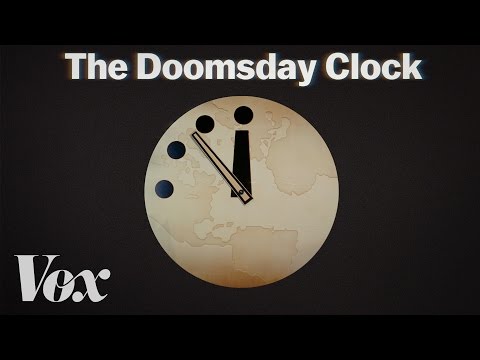
Jenny posted on 2018/02/15Ever wondered what the Doomsday Clock is all about and why it keeps ticking closer to midnight? This video breaks down the history and meaning behind this fascinating concept, explaining the threats of nuclear weapons, climate change, and cybersecurity. You'll pick up some really useful advanced vocabulary while learning about global policy and historical analysis!
Learn this video on the APP!
The VoiceTube App has more in-depth practice for videos!