
a couple hundred
US
UK
- Determiner
- Approximately two hundred.
- Phrase
- A small number of hundreds; more than one hundred but not many.
A2Morearab
US
UK
- Noun
- Citizen of an Arabic speaking nation
C2Moreas we know it
US /əz wi no ɪt/
UK /əz wi nəu ɪt/
- other
- In the form or way commonly understood or accepted.
B2Moreassassinate
US /əˈsæsəˌnet/
UK /ə'sæsɪneɪt/
- Transitive Verb
- To murder a famous or public figure
B2Moreat the same time
US
UK
- Phrase
- Simultaneously; at the identical moment.
- Nevertheless; however; used to introduce a contrasting or qualifying statement.
A1Moreauthority
US /əˈθɔrɪti, əˈθɑr-, ɔˈθɔr-, ɔˈθɑr-/
UK /ɔ:ˈθɒrəti/
- Noun (Countable/Uncountable)
- The power to give orders to people
- Person who is an expert on a particular topic
A2TOEICMoreblockade
US /blɑ:ˈkeɪd/
UK /blɒˈkeɪd/
- Transitive Verb
- To block or impede the movement of people, objects
- Noun
- Arrangement that blocks or impedes movement
B2Moreclaim
US /klem/
UK /kleɪm/
- Noun (Countable/Uncountable)
- To say that something is true, often without proof.
- A statement that something is true.
- Transitive Verb
- To demand or ask for something that you believe is rightfully yours.
- To take or cause the loss of (e.g., a life, property).
A2Morecolonialism
US /kəˈloniəˌlɪzəm/
UK /kəˈləʊniəlɪzəm/
- Uncountable Noun
- System in which a country controls a colony
B2Moreconflict
US /ˈkɑnˌflɪkt/
UK /'kɒnflɪkt/
- Noun (Countable/Uncountable)
- Argument or struggle between two or more parties
- A serious disagreement or argument.
- Verb (Transitive/Intransitive)
- To have opposite ideas; to disagree; To not match
A2Moredeclare
US /dɪˈklɛr/
UK /dɪ'kleə(r)/
- Transitive Verb
- To make a statement in a strong and confident way
- To show the cost of things purchased overseas
A2TOEICMoredestruction
US /dɪˈstrʌkʃən/
UK /dɪ'strʌkʃn/
- Noun
- Act of destroying; damaging beyond repair
- The state of being destroyed or ruined.
B1TOEICMoredivide
US /dɪˈvaɪd/
UK /dɪ'vaɪd/
- Verb (Transitive/Intransitive)
- To split numbers by another number, e.g. 6 / 2 = 3
- To separate something into equal pieces
- Noun
- A separation or distinction.
A2TOEICMoredrag on
US
UK
- Phrasal Verb
- To last longer than expected, in a boring way
A2Moredramatic
US /drəˈmætɪk/
UK /drəˈmætɪk/
- Adjective
- Gripping the attention; causing an effect
- (Of an event) sudden and extreme
B1Moreestablish
US /ɪˈstæblɪʃ/
UK /ɪˈstæblɪʃ/
- Transitive Verb
- To set or create something to last for a long time
- To use facts, evidence to show truth or clarity
A2TOEICMoreever since
US /ˈɛvɚ sɪns/
UK /ˈevə sins/
- Adverb
- Continuously from a past time until now.
- Conjunction
- From the time that; because.
B2Moreexcept for
US /ɪkˈsɛpt fɔr/
UK /ikˈsept fɔ:/
- Preposition
- Not including; excluding.
expel
US /ɪkˈspɛl/
UK /ɪk'spel/
- Transitive Verb
- To force a person to leave a place or organization
- To release or push something (e.g. air) out
B2TOEICMoreflee
US /fli/
UK /fli:/
- Intransitive Verb
- To leave somewhere urgently, to avoid danger
B1Morefor the most part
US
UK
- Phrase
- Generally; mostly; on the whole.
- Mostly; generally; in most cases.
A1Moregoing on
US /ˈɡoɪŋ ɑn/
UK /ˈgəʊɪŋ ɔn/
- Phrasal Verb
- To continue doing something
- To happen (usually negative)
A1Morehammer out
US
UK
- Phrasal Verb
- To reach an agreement or solution after a long or difficult discussion or negotiation.
A1Morehave to
US /hæv tu/
UK /ˈhæv tə/
- Auxiliary Verb
- Must do
A1Moreholy
US /ˈholi/
UK /'həʊlɪ/
- Adjective
- Being good according to religious standards
- Dedicated or consecrated to God or a religious purpose; sacred.
- Interjection
- An exclamation of surprise, shock, or awe.
B1Morehomeland
US /ˈhoʊmlænd/
UK /ˈhəʊmlænd/
- Noun
- Country where you were born
C1Moreimmigration
US /ˌɪmɪˈɡreɪʃn/
UK /ˌɪmɪˈgreɪʃn/
- Uncountable Noun
- Process of moving your home to a new country
- The number of people immigrating to a country during a specific period.
B1Morein fact
US /ɪn fækt/
UK /in fækt/
- Adverb
- Used to emphasize the truth of a statement, especially one that contrasts with or contradicts something else.
- Used to introduce a more detailed or surprising piece of information.
- Phrase
- Used to emphasize the truth of a statement, especially one that is surprising or contrary to what might be expected.
C1Morein part
US /ɪn pɑrt/
UK /in pɑ:t/
- Adverb
- To some extent; partially.
A1Morein peace
US /ɪn pis/
UK /in pi:s/
- Phrase
- In a state of tranquility, without disturbance or conflict.
- In a state of non-war, without armed conflict.
B1Morein the west
US
UK
- Phrase
- Located in or towards the west.
- Located in the western part of a country or region.
A1Moreindependence
US /ˌɪndɪˈpɛndəns/
UK /ˌɪndɪ'pendəns/
- Uncountable Noun
- Having the freedom to make your own decisions
- The state of not relying on others for financial support or assistance.
A2Moreindependent
US /ˌɪndɪˈpɛndənt/
UK /ˌɪndɪˈpendənt/
- Adjective
- Making your own decisions; acting by yourself
- Not connected with or influenced by something else.
- Noun
- A person not connected to a political party
- Someone who is independent, especially in politics or business.
A2TOEICMoreinvasion
US /ɪnˈveʒən/
UK /ɪnˈveɪʒn/
- Uncountable Noun
- Entry into a place to cause harm
- An unwelcome intrusion into another's domain.
B1Moreliberation
US /ˌlɪbəˈreʃən/
UK /ˌlɪbə'reɪʃn/
- Uncountable Noun
- Act of setting someone or something free
B2Moremake peace
US
UK
- Intransitive Verb
- To end a state of conflict or war by agreeing to peaceful terms.
B1Morenegotiate
US /nɪˈgoʊʃieɪt/
UK /nɪˈgəʊʃieɪt/
- Verb (Transitive/Intransitive)
- To have a formal discussion to reach an agreement
- To manage a difficult task or path successfully
B1TOEICMoreoccupation
US /ˌɑkjəˈpeʃən/
UK /ˌɒkjuˈpeɪʃn/
- Noun
- A career or regular job
- Act of entering and taking control of an area
A2TOEICMoreoff of
US /ɔf ʌv/
UK /ɔf ɔv/
- Preposition
- From a position on something; down from.
A1Moreoutrage
US /ˈaʊtˌredʒ/
UK /'aʊtreɪdʒ/
- Noun
- Very wrong or cruel act which causes great anger
- Transitive Verb
- To cause anger to due to wrong or cruel acts
B1Moreoverwhelmingly
US /ˌovɚˈhwɛlmɪŋlɪ/
UK /ˌəʊvə'welmɪŋlɪ/
- Adjective
- So it cannot be resisted
- Adverb
- To a very great degree or extent
- In a way that is very great or very strong
B2Morepeace talks
US
UK
- Noun (plural)
- Discussions between representatives of opposing sides in a conflict aimed at reaching a peaceful resolution.
A1Moreregion
US /ˈridʒən/
UK /'ri:dʒən/
- Noun (Countable/Uncountable)
- Part of a country, of the world, area, etc.
- A part of the body
A2TOEICMorereligion
US /rɪˈlɪdʒən/
UK /rɪˈlɪdʒən/
- Countable Noun
- Organized set of beliefs about a god or gods
- Noun (Countable/Uncountable)
- Belief in God or gods that governs people's lives
- A person's particular system of beliefs and worship.
A2Morereligious
US /rɪˈlɪdʒəs/
UK /rɪˈlɪdʒəs/
- Adjective
- Following the rules and beliefs of a faith
- Relating to or manifesting faithful devotion to an acknowledged ultimate reality or deity.
B1Morerise up
US /raɪz ʌp/
UK /raiz ʌp/
- Phrasal Verb
- To attempt to defeat government or ruler
A1Morerule
US /ruːl/
UK /ruːl/
- Noun (Countable/Uncountable)
- Something that is normal and usually happens
- Governmental control or power over a region
- Verb (Transitive/Intransitive)
- To decide legally, especially in court
- To have control or influence
A2TOEICMoresame time
US
UK
- Phrase
- Occurring simultaneously or at the same point in time.
- At the identical time as before; recurring at a fixed hour.
- Noun
- An equal duration or period.
A1Moresecular
US /ˈsɛkjəlɚ/
UK /ˈsekjələ(r)/
- Adjective
- Not connected or controlled by religious beliefs
B2TOEICMoreseek
US /sik/
UK /si:k/
- Transitive Verb
- To ask someone for help
- To search for; try to find or do; look for
A2TOEICMoresettle
US /ˈsɛtl/
UK /'setl/
- Transitive Verb
- To make (a child, etc.) feel calm/ready for sleep
- To complete or finalize e.g. a contract or debt
- Intransitive Verb
- To become accustomed to a new environment
- (Of liquids) to move to the bottom of a container
A2Moresummit
US /ˈsʌmɪt/
UK /'sʌmɪt/
- Noun (Countable/Uncountable)
- Official meeting(s) of the leaders of countries
- Highest part or top point of a mountain
- Verb (Transitive/Intransitive)
- reach the summit of (a mountain or hill).
B1Moretel
US
UK
- Noun
- Short form of 'telephone', used with phone numbers
C2Moreterritory
US /ˈtɛrɪˌtɔri, -ˌtori/
UK /'terətrɪ/
- Noun (Countable/Uncountable)
- Area of land defended by an animal
- Area of particular knowledge or experience
B1TOEICMoreto death
US /tu dɛθ/
UK /tu: deθ/
- Phrase
- Extremely; to a great degree
- Until death
B1Moretraitor
US /ˈtretɚ/
UK /ˈtreɪtə(r)/
- Countable Noun
- Person who betrays your country or someone's trust
B2Moretreaty
US /ˈtriti/
UK /ˈtri:ti/
- Noun
- An agreement between nations
B1TOEICMoreunbearable
US /ʌnˈbɛrəbəl/
UK /ʌnˈbeərəbl/
- Adjective
- Not able to be accepted or tolerated
B1Moreunify
US /ˈjunəˌfaɪ/
UK /'ju:nɪfaɪ/
- Transitive Verb
- To bring or join together into one
B2TOEICMoreviolence
US /ˈvaɪələns/
UK /ˈvaɪələns/
- Uncountable Noun
- Strong physical force of nature
- Use of physical force to harm someone
B1Moreviolent
US /ˈvaɪələnt/
UK /ˈvaɪələnt/
- Adjective
- Done with force; likely to produce physical damage
- Using or involving physical force intended to hurt, damage, or kill someone or something.
A2Morewithdraw
US /wɪðˈdrɔ, wɪθ-/
UK /wɪð'drɔ:/
- Verb (Transitive/Intransitive)
- To take money out of a bank account
- To pull back; move away or backward from something
B1TOEICMore
Vocabulary
- same time: Occurring simultaneously or at the same point in time.
- in the west: Located in or towards the west.
- going on: To continue doing something
- in fact: Used to emphasize the truth of a statement, especially one that contrasts with or contradicts something else.
- in peace: In a state of tranquility, without disturbance or conflict.
- at the same time: Simultaneously; at the identical moment.
- except for: Not including; excluding.
- in part: To some extent; partially.
- off of: From a position on something; down from.
- a couple hundred: Approximately two hundred.
- make peace: To end a state of conflict or war by agreeing to peaceful terms.
- have to: Must do
- peace talks: Discussions between representatives of opposing sides in a conflict aimed at reaching a peaceful resolution.
- to death: Extremely; to a great degree
- ever since: Continuously from a past time until now.
- drag on: To last longer than expected, in a boring way
- hammer out: To reach an agreement or solution after a long or difficult discussion or negotiation.
- rise up: To attempt to defeat government or ruler
- as we know it: In the form or way commonly understood or accepted.
- for the most part: Generally; mostly; on the whole.
- term: Conditions applying to an agreement, contract
- conflict: Argument or struggle between two or more parties
- force: Group of persons trained for military action; army
- claim: To say that something is true, often without proof.
- territory: Area of land defended by an animal
- divide: To split numbers by another number, e.g. 6 / 2 = 3
- establish: To set or create something to last for a long time
- authority: The power to give orders to people
- mean: Average of a set of numbers
- dramatic: Gripping the attention; causing an effect
- state: Region within a country, with its own government
- settle: To make (a child, etc.) feel calm/ready for sleep
- religion: Organized set of beliefs about a god or gods
- region: Part of a country, of the world, area, etc.
- form: Sports team or person's current winning record
- independent: Making your own decisions; acting by yourself
- seek: To ask someone for help
- religious: Following the rules and beliefs of a faith
- declare: To make a statement in a strong and confident way
- accept: To agree to receive or take something offered
- flee: To leave somewhere urgently, to avoid danger
- violent: Done with force; likely to produce physical damage
- invasion: Entry into a place to cause harm
- violence: Strong physical force of nature
- withdraw: To take money out of a bank account
- destruction: Act of destroying; damaging beyond repair
- century: Period of 100 years
- sign: Indication that something exists or will happen
- british: Concerning the culture and people of British
- secular: Not connected or controlled by religious beliefs
- control: A device designed to operate a machine
- allow: To admit the validity or truth of something
- summit: Official meeting(s) of the leaders of countries
- mediterranean: Describing the sea between Italy and Africa
- holy: Being good according to religious standards
- occupation: A career or regular job
- middle: Place that is halfway between two things
- unbearable: Not able to be accepted or tolerated
- negotiate: To have a formal discussion to reach an agreement
- outrage: Very wrong or cruel act which causes great anger
- change: To exchange one set of clothes for another
- land: Region or country
- rule: Something that is normal and usually happens
- expel: To force a person to leave a place or organization
- immigration: Process of moving your home to a new country
- independence: Having the freedom to make your own decisions
- treaty: An agreement between nations
- overwhelmingly: So it cannot be resisted
- liberation: Act of setting someone or something free
- traitor: Person who betrays your country or someone's trust
- unify: To bring or join together into one
- blockade: To block or impede the movement of people, objects
- assassinate: To murder a famous or public figure
- homeland: Country where you were born
- arab: Citizen of an Arabic speaking nation
- colonialism: System in which a country controls a colony
- tel: Short form of 'telephone', used with phone numbers
Get the full experience in the app
Learn anywhere with detailed sentence and usage analysis
01:03
She took a brave step forward, leaving behind her comfort zone to chase her dreams.
Vocabulary
- brave
adj. Having courage
- comfort zone
phr. A familiar situation where one feels safe
Explanation
a brave step is a noun phrase, where brave is an adjective modifying the noun step, meaning "a courageous step".
forward is an adverb modifying step, meaning "ahead".
The whole phrase serves as the object, answering the "what" of took (verb) — she took a brave step forward.
Get the full experience in the app
Look up words anytime with pronunciation, part of speech, and usage
brave
US/brev/
UK/breɪv/
adj.Brave
v.t.To bravely face
A2 Elementary
Get the full experience in the app
Practice speaking anytime and get instant pronunciation feedback
Try this speaking exercise.
Try practicing with this sentence.
80
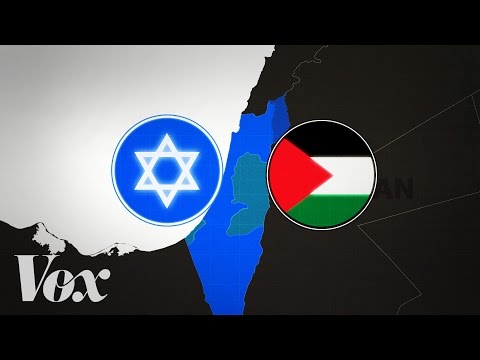
The Israel-Palestine conflict: a brief, simple history
0
Elma Kung posted on 2023/10/12Ever wondered about the history behind the Israel-Palestine conflict? This video dives into its 20th-century origins, explaining key events like the 1948 Nakba and the Six Day War. You'll boost your vocabulary with terms like Zionism and Intifada while gaining a deeper cultural understanding!
Learn this video on the APP!
The VoiceTube App has more in-depth practice for videos!