
amazing
US /ə'meɪzɪŋ/
UK /ə'meɪzɪŋ/
- Adjective
- Surprising in a pleasing way
- Transitive Verb
- To cause wonder; to surprise completely
A2Morebaby
US /ˈbeɪbi/
UK /ˈbeɪbi/
- Countable Noun
- A very young child, who cannot yet speak
- Transitive Verb
- To treat someone as if they were newly born
A2Morebond
US /bɑnd/
UK /bɒnd/
- Noun (Countable/Uncountable)
- Rope, chain or other thing used to tie someone up
- Closeness that is shared between people or groups
- Verb (Transitive/Intransitive)
- To develop a close relationship with
- To become joined or connected, e.g. using glue
A2TOEICMorebuffalo
US /ˈbʌfəloʊ/
UK /ˈbʌfələʊ/
- Noun (Countable/Uncountable)
- Wild animal with horns similar to a large cow
B2Morebush
US /bʊʃ/
UK /bʊʃ/
- Noun
- A wooden plant that is smaller than a tree
A2Moreconsistent
US /kənˈsɪstənt/
UK /kənˈsɪstənt/
- Adjective
- Agreeing with or being similar to another part
- In agreement; reliable
A2Moreelephant
US /ˈɛləfənt/
UK /ˈelɪfənt/
- Noun (Countable/Uncountable)
- Large gray animal with a long nose and two tusks
A2Moreextremely
US /ɪk'strimlɪ/
UK /ɪkˈstri:mli/
- Adverb
- In a way that is much more than usual or expected
- Remarkably; unusually.
B1Moreincredible
US /ɪnˈkrɛdəbəl/
UK /ɪnˈkredəbl/
- Adjective
- Very good; amazing
- Really good; amazing; great
A2TOEICMorelap
US /læp/
UK /læp/
- Intransitive Verb
- (Of water) to move in a gentle repeated motion
- Noun
- A gentle repeated motion against something
- Area between the waist and knees when seated
B1Morelazy
US /ˈlezi/
UK /ˈleɪzi/
- Adjective
- Not liking to work or make an effort; idle
A2Moremimic
US /ˈmɪmɪk/
UK /'mɪmɪk/
- Countable Noun
- Someone who tries to act like another person
- Transitive Verb
- To copy a person's words/actions to amuse people
B2Moreorphanage
US /ˈɔ:rfənɪdʒ/
UK /ˈɔ:fənɪdʒ/
- Noun
- Home for children whose parents have died
C2Morepainful
US /ˈpenfəl/
UK /ˈpeɪnfl/
- Adjective
- Causing or feeling physical pain or hurt
- Causing distress or unhappiness.
A2Moreprehistoric
US /ˌpri:hɪˈstɔ:rɪk/
UK /ˌpri:hɪˈstɒrɪk/
- Adjective
- Relating to the period before written history
- Out-dated; very old-fashioned
B1Moreprogress
US /ˈprɑɡˌrɛs, -rəs, ˈproˌɡrɛs/
UK /'prəʊɡres/
- Verb (Transitive/Intransitive)
- To move forward or toward a place or goal
- To make progress; develop or improve.
- Uncountable Noun
- Act of moving forward
- The process of improving or developing something over a period of time.
A2TOEICMorerecovery
US /rɪˈkʌvəri/
UK /rɪˈkʌvəri/
- Noun (Countable/Uncountable)
- Process of returning to a former (good) state
- Act of getting back something that was lost
A2TOEICMorescratch
US /skrætʃ/
UK /skrætʃ/
- Verb (Transitive/Intransitive)
- To rub your skin with your nails to stop an itch
- To make a small cut or mark on a surface
- Noun
- Action of rubbing your skin when itchy
- A small cut or mark on a surface
B1TOEICMoresquirrel
US /ˈskwɚrəl, ˈskwʌr-/
UK /'skwɪrəl/
- Countable Noun
- Small furry tree-living animal with a big tail
B2Morestress
US / strɛs/
UK /stres/
- Transitive Verb
- To emphasize one or more parts of a word, sentence
- To put pressure on something or someone
- Noun (Countable/Uncountable)
- Emphasis on part of a word or sentence
- Pressure on something or someone
A2TOEICMorethrive
US /θraɪv/
UK /θraɪv/
- Intransitive Verb
- To be or become healthy or successful
- To grow or develop well; to flourish.
B2TOEICMoretummy
US /ˈtʌmi/
UK /'tʌmɪ/
- Noun
- Stomach or belly
- A child's word for stomach or abdomen.
C1Morewild
US /waɪld/
UK /waɪld/
- Adverb
- In a manner which lacks control
- Adjective
- Living in nature; not tame
- (Of land) not developed by people
A2More
Vocabulary
- incredible: Very good; amazing
- extremely: In a way that is much more than usual or expected
- thrive: To be or become healthy or successful
- progress: To move forward or toward a place or goal
- consistent: Agreeing with or being similar to another part
- scratch: To rub your skin with your nails to stop an itch
- stress: To emphasize one or more parts of a word, sentence
- mimic: Someone who tries to act like another person
- bond: Rope, chain or other thing used to tie someone up
- pretty: Being attractive to the eye in a simple way
- social: Involving activity with people, e.g. in free time
- company: Good feeling from being with someone else
- haven: Place where people can feel safe and happy
- wild: In a manner which lacks control
- squirrel: Small furry tree-living animal with a big tail
- lap: (Of water) to move in a gentle repeated motion
- tummy: Stomach or belly
- amazing: Surprising in a pleasing way
- bring: To take or go with someone to a place
- painful: Causing or feeling physical pain or hurt
- bush: A wooden plant that is smaller than a tree
- side: To decide to agree with one point, not the other
- prehistoric: Relating to the period before written history
- recovery: Process of returning to a former (good) state
- lose: To be unable to keep in check or control something
- orphanage: Home for children whose parents have died
- full: Containing all the parts; complete
- special: Being additional or extra
- people: Persons sharing culture, country, background, etc.
- long: Person's name
- care: To feel interest, concern, or worry
- sick: Having a physical or mental illness
- lazy: Not liking to work or make an effort; idle
- fat: Amount beyond what is usual or necessary
- love: Person's name
- buffalo: Wild animal with horns similar to a large cow
- baby: A very young child, who cannot yet speak
- elephant: Large gray animal with a long nose and two tusks
Get the full experience in the app
Learn anywhere with detailed sentence and usage analysis
01:03
She took a brave step forward, leaving behind her comfort zone to chase her dreams.
Vocabulary
- brave
adj. Having courage
- comfort zone
phr. A familiar situation where one feels safe
Explanation
a brave step is a noun phrase, where brave is an adjective modifying the noun step, meaning "a courageous step".
forward is an adverb modifying step, meaning "ahead".
The whole phrase serves as the object, answering the "what" of took (verb) — she took a brave step forward.
Get the full experience in the app
Look up words anytime with pronunciation, part of speech, and usage
brave
US/brev/
UK/breɪv/
adj.Brave
v.t.To bravely face
A2 Elementary
Get the full experience in the app
Practice speaking anytime and get instant pronunciation feedback
Try this speaking exercise.
Try practicing with this sentence.
80
0
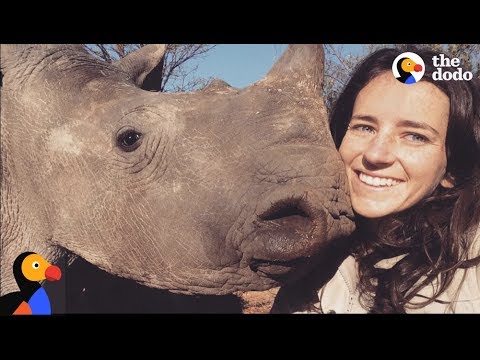
Tina Hsu posted on 2017/10/27Get ready for some serious heartwarming moments as you follow a woman who becomes a surrogate mom to orphaned baby rhinos! You'll learn all about the amazing work at a rhino orphanage and pick up some great situational dialogue along the way.
Learn this video on the APP!
The VoiceTube App has more in-depth practice for videos!