
along with
US /əˈlɔŋ wɪð/
UK /əˈlɔŋ wið/
- Preposition
- In addition to; together with.
- Adverb
- In company or together with someone or something.
- Including; in addition to.
A2Moreas opposed to
US
UK
- Preposition
- In contrast to; rather than.
- Instead of; in place of.
A1Moreat least
US /æt list/
UK /æt li:st/
- Adverb
- As a minimum
- Not less than
- Phrase
- No less than; at the minimum
- Used to indicate that something is positive in a bad situation.
C2Morebail
US /bel/
UK /beɪl/
- Noun
- Money given to ensure prisoner returns to a court
- Transitive Verb
- To obtain release of a prisoner by giving money
- To throw water out of a boat to prevent it sinking
B2Morebathroom
US /ˈbæθru:m/
UK /ˈbɑ:θru:m/
- Noun
- Room where you take a bath or go to the toilet
B1Moreblunt
US /blʌnt/
UK /blʌnt/
- Adjective
- Without a sharp edge or point
- Speaking directly; without trying to be polite or kind
- Transitive Verb
- To make dull or lessen the sharpness of something
B1Moreboom
US /bum/
UK /bu:m/
- Noun (Countable/Uncountable)
- Very fast increase in growth or popularity
- A very loud and deep sound
- Intransitive Verb
- To experience a rapid increase in growth
- To make a very loud and deep sound
B1Morebother
US /ˈbɑðɚ/
UK /'bɒðə(r)/
- Transitive Verb
- To cause problems, concerns or worry for someone
- To take the trouble to do something
- Noun (Countable/Uncountable)
- Problems, concern or worry for someone
- A disturbance; trouble
A2TOEICMorebow out
US /bo aʊt/
UK /bəu aut/
- Phrasal Verb
- To decide not to do something; back out
A2Morebuddy
US /ˈbʌdi/
UK /'bʌdɪ/
- Countable Noun
- Friend, usually male
- A term of address, often used informally.
B2Morebuzzing
US /'bʌzɪŋ/
UK /'bʌzɪŋ/
- Intransitive Verb
- To fly making a sound like a bee
B1Morecaptive
US /ˈkæptɪv/
UK /ˈkæptɪv/
- Noun
- Person caught and held against their will
- Adjective
- Unable to leave and forced to stay and listen
B1Morecare of
US /kɛr ʌv/
UK /kɛə ɔv/
- Preposition
- Used in an address to indicate the person who will receive the mail for someone else.
A2Morecelebrity
US /səˈlɛbrɪti/
UK /sə'lebrətɪ/
- Countable Noun
- A (famous) entertainer known by many people
- Uncountable Noun
- The state of being well-known or famous.
B2Morecircle back
US /ˈsɝkl bæk/
UK /ˈsɜ:kl bæk/
- other
- To return to a previous topic or point in conversation.
B2Morecombo
US /ˈkɑːmboʊ/
UK /ˈkɒmbəʊ/
- Noun
- A small number of things that are combined or used together.
B1Morecome along
US /kʌm əˈlɔŋ/
UK /kʌm əˈlɔŋ/
- Phrasal Verb
- To go with someone who takes the lead
- To make progress toward a goal
A1Morecome up
US /kʌm ʌp/
UK /kʌm ʌp/
- Phrasal Verb
- To come closer to someone; approach
- (Of sun) to rise into the sky in the morning
A1Moreconversation
US /ˌkɑnvɚˈseʃən/
UK /ˌkɒnvəˈseɪʃn/
- Uncountable Noun
- Talking with other people; discussion or chat
- General communication or interaction.
A2Moredrag
US /dræɡ/
UK /dræɡ/
- Transitive Verb
- To reluctantly move or go somewhere
- To pull something heavy or difficult along the ground
- Noun (Countable/Uncountable)
- Force of air pushing back against a plane car etc.
- Boring or annoying thing/activity
A2Moreexcuse
US /ɪkˈskjuz/
UK /ɪk'skju:s/
- Transitive Verb
- To allow someone not to do (jury service, etc.)
- To explain acting in a bad or impolite manner
- Noun
- Note explaining why someone cannot do or attend
- Reason why you did or didn't do something
A2Moreflounder
US /ˈflaʊndɚ/
UK /ˈflaʊndə(r)/
- Intransitive Verb
- To make clumsy or uncontrolled movements
C1Morefor myself
US /fɚ maɪˈsɛlf/
UK /fə maɪˈself/
- other
- Done for one's own benefit or use.
A1Moreget out of
US /ɡɛt aʊt ʌv/
UK /ɡet aut ɔv/
- Phrasal Verb
- To leave or escape responsibilities, troubles
- To leave a small, enclosed vehicle
A1Morego out
US /ɡo aʊt/
UK /ɡəu aut/
- Phrase
- To leave a building (e.g. a house)
- Phrasal Verb
- (Of a fire) to burn out; be extinguished
- Go out of fashion to stop being fashionable
A1Moregot to
US /ɡɑt tu/
UK /gɔt tu:/
- Verb (Transitive/Intransitive)
- To arrive at some place
- To have the opportunity or permission to do something
- Phrasal Verb
- To appeal to the emotions of; move
- To finally begin to start something after a delay
A1Moregrab
US /ɡræb/
UK /ɡræb/
- Transitive Verb
- To take and hold something quickly
A2Moregracefully
US /ˈɡresfəlɪ/
UK /'ɡreɪsfəlɪ/
- Adverb
- In a graceful manner
- With elegance and beauty in style or form.
B1Morehave to
US /hæv tu/
UK /ˈhæv tə/
- Auxiliary Verb
- Must do
A1Morein with
US /ɪn wɪð/
UK /in wið/
- Phrase
- Fashionable or popular at the moment.
- Having influence or favor with someone.
- Phrasal Verb
- To introduce or bring something new into a system or organization.
A1Moreinstant
US /ˈɪnstənt/
UK /ˈɪnstənt/
- Adjective
- (Food) requiring very little preparation
- Occurring immediately
- Noun
- A very short period of time
A2TOEICMoreinstrument
US /ˈɪnstrəmənt/
UK /'ɪnstrəmənt/
- Noun (Countable/Uncountable)
- Gauge for measuring something, e.g. temperature
- Legal document
A2TOEICMorekick out
US /kɪk aʊt/
UK /kik aut/
- Phrasal Verb
- To force to leave because of poor grades, behavior
A2Morekinda
US /'kaɪndə/
UK /'kaɪndə/
- Noun
- Short way of saying 'kind of'
- Adverb
- Somewhat; to some extent; rather.
- Sort of; in a way.
B2Moreliterally
US /ˈlɪtərəli/
UK
- Adverb
- In a literal manner or sense; exactly as stated.
- Used for emphasis to describe something that is actually true, often to highlight surprise or intensity.
B1Morelook at
US /lʊk æt/
UK /luk æt/
- Phrasal Verb
- To use your eyes to focus on something
- To focus your eyes on something carefully
A1Morelook for
US /lʊk fɔr/
UK /luk fɔ:/
- Phrasal Verb
- To try to find a thing or person that is lost
- To expect or anticipate something.
A1Moremess with
US
UK
- Verb (Transitive/Intransitive)
- To interfere with or tamper with something.
- To provoke or annoy someone.
- Phrasal Verb
- To interfere with or tamper with something.
- To tease, provoke, or annoy someone.
B1Moremotion
US /ˈmoʃən/
UK /'məʊʃn/
- Noun (Countable/Uncountable)
- Suggestion at a meeting
- A movement; the process of moving
- Intransitive Verb
- To communicate by moving your head or hand
A2Morenext to
US /nɛkst tu/
UK /nekst tu:/
- Preposition
- Being located along side another
- In comparison with
- Adverb
- Almost; nearly
A1Moreoff of
US /ɔf ʌv/
UK /ɔf ɔv/
- Preposition
- From a position on something; down from.
A1Moreoffensive
US /əˈfɛnsɪv/
UK /əˈfensɪv/
- Adjective
- Causing displeasure or anger
- Attacking or intended to attack
- Noun
- A military attack
B1TOEICMoreoption
US /ˈɑpʃən/
UK /'ɒpʃn/
- Noun (Countable/Uncountable)
- A choice
- A right to buy or sell something at a particular price within a particular period.
A2TOEICMoreout of it
US /aʊt ʌv ɪt/
UK /aut ɔv it/
- Adjective
- Unconscious or not completely alert; dazed or confused.
- Not able to think clearly or react quickly; not with it.
A1Moreout there
US /aʊt ðɛr/
UK /aut ðɛə/
- Adverb
- In or to a place that is far away
- Existing in the universe
- Adjective
- Unconventional; strange; avant-garde
- Existing or available.
A1Moreoverwhelming
US /ˌovɚˈhwɛlmɪŋ, -ˈwɛl-/
UK /ˌəʊvəˈwelmɪŋ/
- Transitive Verb
- To defeat something or someone completely
- To affect someone emotionally in a strong way
- Adjective
- Having too much to handle (e.g. work)
- Very great or very strong; so powerful that you cannot resist or decide how to react
B2Morephantom
US /ˈfæntəm/
UK /'fæntəm/
- Noun
- A spirit or ghost existing only in a person's mind
- Adjective
- Being unreal or imaginary
B2Morephone in
US /foʊn ɪn/
UK /fəʊn ɪn/
- other
- Call someone by phone, often to report or notify remotely.
B2Morepleasant
US /ˈplɛzənt/
UK /'pleznt/
- Adjective
- Causing a good feeling
- Having an agreeable or attractive personality.
B1Morepurse
US /pɚs/
UK /pɜ:s/
- Noun (Countable/Uncountable)
- Small bag for carrying money and other things
- Transitive Verb
- To make your lips into a kiss shape
A2TOEICMoreregardless of
US /rɪˈɡɑrdlɪs ʌv/
UK /riˈɡɑ:dlis ɔv/
- Phrase
- Preposition
- Without being affected or influenced by something; despite.
A2Morerelevant
US /ˈrɛləvənt/
UK /ˈreləvənt/
- Adjective
- Having an effect on an issue; related or current
A2TOEICMorereset
US /riˈsɛt/
UK /ˌri:'set/
- Transitive Verb
- To return to the original start or formation
- Verb (Transitive/Intransitive)
- To return to the original start or formation
C1Morerestroom
US /ˈrɛstˌrum, -ˌrʊm/
UK /ˈrestru:m/
- Noun
- Toilet; bathroom
C2Morestick
US /stɪk/
UK /stɪk/
- Verb (Transitive/Intransitive)
- To push a sharp or pointed object into something
- To join together using glue or paste
- Countable Noun
- Long thin piece of wood from a tree
A2Morestruggle
US /ˈstrʌɡəl/
UK /'strʌɡl/
- Verb (Transitive/Intransitive)
- To try very hard to do something difficult
- To fight or struggle violently
- Noun (Countable/Uncountable)
- Strong efforts made to do something difficult
- A difficult or challenging situation or task
A2Morethink of
US /θɪŋk ʌv/
UK /θiŋk ɔv/
- Phrasal Verb
- To look on as (being something specific); consider
- To consider or remember something.
- Verb (Transitive/Intransitive)
- To imagine or call something to mind
A1Morethrust
US /θrʌst/
UK /θrʌst/
- Transitive Verb
- To move (e.g. a knife) forcefully towards someone
- To push someone or something with great strength
- Noun (Countable/Uncountable)
- Movement of (e.g. a knife) towards someone
- Primary purpose or meaning of something
B2Morethumbs up
US
UK
- Noun
- A gesture of approval or agreement, indicated by holding a fist with the thumb extended upwards.
- A positive rating or vote on social media or online platforms.
- Noun (plural)
- Multiple gestures of approval or agreement made by extending the thumbs upward.
A1Moretough
US /tʌf/
UK /tʌf/
- Adjective
- (Of food) difficult to chew or bite through
- Very difficult to do or deal with
- Noun
- A rough and aggressive person.
A2Morevibrate
US /ˈvaɪˌbret/
UK /vaɪˈbreɪt/
- Intransitive Verb
- To shake side to side quickly in small movements
B2Morevibration
US /vaɪˈbreʃən/
UK /vaɪˈbreɪʃn/
- Noun
- Shaking motion
B2Morewalk back
US /ˈwɔk bæk/
UK /ˈwɔ:k bæk/
- other
- To retract or reverse a previous statement or position.
- To return by walking, usually the way one came.
B2Morewander
US /ˈwɑ:ndə(r)/
UK /ˈwɒndə(r)/
- Intransitive Verb
- To move through a place with no particular purpose
- To move through a place with no particular purpose
A2TOEICMorework in
US /wɚk ɪn/
UK /wə:k in/
- Phrasal Verb
- To make an opening for something in your schedule
- To fit person/thing into a schedule or sequence
A1More
Vocabulary
- get out of: To leave or escape responsibilities, troubles
- got to: To arrive at some place
- out there: In or to a place that is far away
- next to: Being located along side another
- go out: To leave a building (e.g. a house)
- work in: To make an opening for something in your schedule
- off of: From a position on something; down from.
- regardless of
- as opposed to: In contrast to; rather than.
- for myself: Done for one's own benefit or use.
- mess with: To interfere with or tamper with something.
- kick out: To force to leave because of poor grades, behavior
- bow out: To decide not to do something; back out
- circle back: To return to a previous topic or point in conversation.
- think of: To look on as (being something specific); consider
- out of it: Unconscious or not completely alert; dazed or confused.
- walk back: To retract or reverse a previous statement or position.
- in with: Fashionable or popular at the moment.
- at least: As a minimum
- look for: To try to find a thing or person that is lost
- along with: In addition to; together with.
- come along: To go with someone who takes the lead
- phone in: Call someone by phone, often to report or notify remotely.
- look at: To use your eyes to focus on something
- care of: Used in an address to indicate the person who will receive the mail for someone else.
- have to: Must do
- come up: To come closer to someone; approach
- thumbs up: A gesture of approval or agreement, indicated by holding a fist with the thumb extended upwards.
- literally: In a literal manner or sense; exactly as stated.
- relevant: Having an effect on an issue; related or current
- stick: To push a sharp or pointed object into something
- struggle: To try very hard to do something difficult
- tough: (Of food) difficult to chew or bite through
- situation: Place, position or area that something is in
- grab: To take and hold something quickly
- overwhelming: To defeat something or someone completely
- conversation: Talking with other people; discussion or chat
- instant: (Food) requiring very little preparation
- celebrity: A (famous) entertainer known by many people
- kinda: Short way of saying 'kind of'
- instrument: Gauge for measuring something, e.g. temperature
- option: A choice
- bit: Device put in a horse's mouth to control it
- pleasant: Causing a good feeling
- introduce: To open an essay to set the scene
- drag: To reluctantly move or go somewhere
- wander: To move through a place with no particular purpose
- offensive: Causing displeasure or anger
- bother: To cause problems, concerns or worry for someone
- excuse: To allow someone not to do (jury service, etc.)
- blunt: Without a sharp edge or point
- buddy: Friend, usually male
- leave: To go away from; depart
- catch: Amount of something that has been caught
- phantom: A spirit or ghost existing only in a person's mind
- motion: Suggestion at a meeting
- purse: Small bag for carrying money and other things
- kind: In a caring and helpful manner
- continue: To do something without stopping, or after pausing
- thrust: To move (e.g. a knife) forcefully towards someone
- point: An item to be discussed
- person: Man, woman or child
- boom: Very fast increase in growth or popularity
- haven: Place where people can feel safe and happy
- pull: Act of breathing in smoke, as from a pipe
- great: Very good; better than before
- vibration: Shaking motion
- feel: To be aware of or experience an emotion, sensation
- bail: Money given to ensure prisoner returns to a court
- dick: Someone who is a detective
- vibrate: To shake side to side quickly in small movements
- meet: To provide something that is necessary
- captive: Person caught and held against their will
- combo: A small number of things that are combined or used together.
- buzzing: To fly making a sound like a bee
- bathroom: Room where you take a bath or go to the toilet
- flounder: To make clumsy or uncontrolled movements
- reset: To return to the original start or formation
- gracefully: In a graceful manner
- restroom: Toilet; bathroom
Get the full experience in the app
Learn anywhere with detailed sentence and usage analysis
01:03
She took a brave step forward, leaving behind her comfort zone to chase her dreams.
Vocabulary
- brave
adj. Having courage
- comfort zone
phr. A familiar situation where one feels safe
Explanation
a brave step is a noun phrase, where brave is an adjective modifying the noun step, meaning "a courageous step".
forward is an adverb modifying step, meaning "ahead".
The whole phrase serves as the object, answering the "what" of took (verb) — she took a brave step forward.
Get the full experience in the app
Look up words anytime with pronunciation, part of speech, and usage
brave
US/brev/
UK/breɪv/
adj.Brave
v.t.To bravely face
A2 Elementary
Get the full experience in the app
Practice speaking anytime and get instant pronunciation feedback
Try this speaking exercise.
Try practicing with this sentence.
80
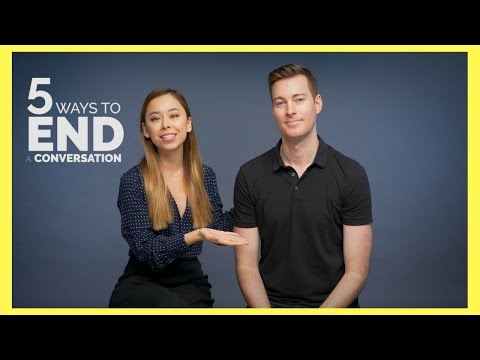
5 Ways To End a Conversation + A Bonus One
0
Joy posted on 2017/09/23Ever feel stuck in a conversation and don't know how to gracefully exit? This video shares 5 super useful ways to end a chat, plus a bonus tip, perfect for parties, phone calls, or dinner! You'll pick up practical phrases and social skills to navigate any social situation like a pro.
Learn this video on the APP!
The VoiceTube App has more in-depth practice for videos!