Vocabulary
- for example: As an illustration or instance.
- cling to: To hold onto something tightly, often for support or safety.
- go on: To continue doing something
- on the surface: Appearing to be true or real until examined more closely.
- contrary to: In opposition to; against.
- at odds: In a state of conflict or disagreement
- put aside: To save money regularly.
- look at: To use your eyes to focus on something
- have to: Must do
- subscribe: To regularly pay to receive a service
- anxiety: A feeling of worry, nervousness, or unease about something that might happen, especially when the outcome is uncertain.
- specific: Precise; particular; just about that thing
- meditation: Act of deep and quiet thinking
- process: To organize and use data in a computer
- material: Cloth; fabric
- period: Set amount of time during which events take place
- vulnerability: Being weak and able to be easily hurt or damaged
- ritual: Performed as part of a ceremony
- esteem: Feeling of respect or admiration regarding someone
- doubt: Not being sure of something; lack of certainty
- compassion: Feeling of wanting to help suffering people
- fear: Unpleasant feeling caused by being aware of danger
- failure: When things go wrong; lack of function
- exposure: Allowing light through a cameras lens onto film
- exist: To be present, alive or real
- awareness: Having knowledge of something
- insomnia: Inability to sleep for many nights
- acknowledge: To say you have received a letter, gift, etc.
- atmosphere: Air around us
- society: A group who meet to share values or interests
- odd: Being unmatched with someone or something
- remain: To be left behind; to continue to exist
- outcome: Something that happens as a result, consequence
- require: To demand that someone does something
- gradually: Occurring in a slow manner over a period of time
- avoid: To prevent from happening
- similar: Nearly the same; alike
- numb: Unable to feel a body part due to cold or illness
- abuse: To mistreat or be cruel towards someone
- compulsive: Having difficulty to stop yourself doing something
- casual: Being careless or having little thought or effort
- simply: In an easy or clear manner
- neglect: Act of failing to do something important, required
- form: Sports team or person's current winning record
- accept: To agree to receive or take something offered
- contrary: (Of weather) difficult; likely to cause trouble
- mood: Emotion or a state of mind; how you feel
- recognition: Accepting that something is true or that it exists
- normal: Standard or regular way of doing something
- revenge: Getting back at someone by hurting them back
- inflict: To make someone endure (something bad)
- offer: Price you say you are willing to pay for something
- flee: To leave somewhere urgently, to avoid danger
- depressed: To make someone feel sad or miserable
- channel: Long hole dug in the ground, e.g. to move water
- fail: To be unsuccessful in passing a class or exam
- philosophical: Reacting calmly/reasonably if things are difficult
- kind: In a caring and helpful manner
- fully: Completely or entirely
- provoke: To deliberately annoy to make someone aggressive
- investigation: Search for information about something
- appalling: Causing shock or distress because it is terrible
- quirk: Strange aspect (of nature); strange habit
- pornography: Pictures or stories that stimulate sexual desire
- cling: To be dependent on
- violate: To abuse, damage or disrespect
- sway: Power or influence to control a person or group
- frank: Member of the ancient Germanic peoples
- brittle: Easily broken, cracked, or snapped
- cynicism: Belief that bad motivates things/people are bad
- dearly: Very much
- mourning: To feel or show sadness over someone dying
Get the full experience in the app
Learn anywhere with detailed sentence and usage analysis
01:03
She took a brave step forward, leaving behind her comfort zone to chase her dreams.
Vocabulary
- brave
adj. Having courage
- comfort zone
phr. A familiar situation where one feels safe
Explanation
a brave step is a noun phrase, where brave is an adjective modifying the noun step, meaning "a courageous step".
forward is an adverb modifying step, meaning "ahead".
The whole phrase serves as the object, answering the "what" of took (verb) — she took a brave step forward.
Get the full experience in the app
Look up words anytime with pronunciation, part of speech, and usage
brave
US/brev/
UK/breɪv/
adj.Brave
v.t.To bravely face
A2 Elementary
Get the full experience in the app
Practice speaking anytime and get instant pronunciation feedback
Try this speaking exercise.
Try practicing with this sentence.
80
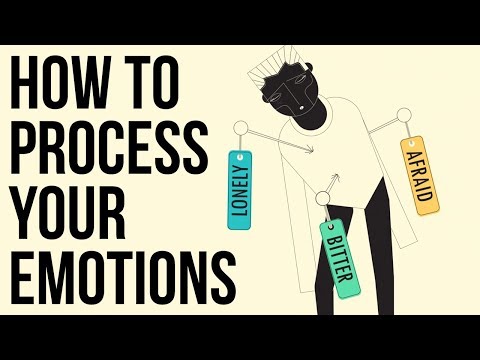
How to Process Your Emotions
0
osmend posted on 2017/09/18Ever feel like emotions are stuck? This video dives deep into processing those feelings, exploring why we might repress them, and how that can lead to compulsive behaviors. You'll pick up advanced vocabulary and practical insights on self-compassion and the mourning process that you can use every single day!
Learn this video on the APP!
The VoiceTube App has more in-depth practice for videos!