
abdomen
US /ˈæbdəmən/
UK /ˈæbdəmən/
- Noun
- The part of the body where the stomach is
C1Moreat home
US /æt hom/
UK /æt həum/
- Phrase
- In one's own residence or country.
- Adjective
- Feeling comfortable and relaxed.
back into
US /bæk ˈɪntu/
UK /bæk ˈɪntuː/
- Phrasal Verb
- To drive a vehicle backwards into a space or area.
- To accidentally collide with something while moving backwards.
A1Morebarber
US /ˈbɑ:rbə(r)/
UK /ˈbɑ:bə(r)/
- Countable Noun
- Person whose job is to cut men's hair, shave them
B2Morebe with
US /bi wɪð/
UK /bi: wið/
- Phrasal Verb
- To accompany someone; to be in someone's presence.
- To support someone's opinion or cause.
A1Moreblood
US /blʌd/
UK /blʌd/
- Uncountable Noun
- Red liquid in the bodies of people and animals
- Related by birth; family
- Transitive Verb
- To be initiated into something, e.g. a secret club
A2Morebreast
US /brɛst/
UK /brest/
- Countable Noun
- Fleshy part of a woman's body for feeding babies
- (Poetic) upper front part of the body; the heart
B1Morebring about
US
UK
- Phrasal Verb
- To cause to happen
A1Moreby all accounts
US
UK
- Phrase
- According to what everyone says; reportedly
A1Moreby virtue of
US /baɪ ˈvɚtʃu ʌv/
UK /bai ˈvə:tju: ɔv/
- Phrase
- By reason of; because of.
C2Morecancer
US /ˈkænsɚ/
UK /'kænsə(r)/
- Noun
- Any growth caused by abnormal cell division
B1Morechest
US /tʃɛst/
UK /tʃest/
- Noun (Countable/Uncountable)
- Strong, lidded container for storing things
- Front of the body between neck and stomach
A2Moreclay
US /kle/
UK /kleɪ/
- Uncountable Noun
- Heavy sticky earth used to make pottery
- Proper Noun
- Person's name
B1Moreclose by
US /kloz baɪ/
UK /kləuz bai/
- Adverb
- Near in distance; nearby.
- Phrase
- In a position or location that is near.
A2Morecome back
US /kʌm bæk/
UK /kʌm bæk/
- Phrasal Verb
- To reply to someone, often forcefully
- To be remembered
A1Morecome by
US /kʌm baɪ/
UK /kʌm bai/
- Phrasal Verb
- To become the owner of something, e.g. by accident
- To visit someone
A1Moreconvey
US /kənˈve/
UK /kən'veɪ/
- Transitive Verb
- To carry or transport something
- To make aware or tell others information
B1Morecrossing
US /ˈkrɔ:sɪŋ/
UK /ˈkrɒsɪŋ/
- Transitive Verb
- To put one thing over another e.g. arms
- To breed one type of animal or plant with another
- Noun
- Place to walk from one side of a road to the other
- A journey across water
A2Morecut down
US /kʌt daʊn/
UK /kʌt daun/
- Phrasal Verb
- To reduce your use of something
- To fell a tree.
A1Morediagnosis
US /ˌdaɪəgˈnoʊsɪs/
UK /ˌdaɪəgˈnəʊsɪs/
- Noun (plural)
- Judgments by a doctor about a person's illness
- Noun
- The identification of a disease or condition.
B1Moredisappoint
US /ˌdɪsəˈpɔɪnt/
UK /ˌdɪsə'pɔɪnt/
- Transitive Verb
- To not meet the expectations of others or yourself
B1Morediscussion
US /dɪˈskʌʃən/
UK /dɪˈskʌʃn/
- Noun (Countable/Uncountable)
- Any long communication about a particular topic
- A detailed treatment of a topic in writing.
A2TOEICMoredrifted away
US
UK
- Phrasal Verb
- Gradually became less friendly or close to someone.
- Gradually fell asleep.
A2Moreemergency
US /ɪˈmɚdʒənsi/
UK /ɪ'mɜ:dʒənsɪ/
- Noun (Countable/Uncountable)
- Sudden event needing an immediate action
- A medical condition manifesting itself by acute symptoms of sufficient severity such that the absence of immediate medical attention could reasonably be expected to result in placing the patient's health in serious jeopardy.
- Adjective
- Used in an emergency; for use when something dangerous happens.
- Designed for use in an emergency.
A2TOEICMoreera
US /'ɪrə/
UK /'ɪərə/
- Noun
- Period characterized by particular events, people
- A major division of geological time, usually divided into periods.
B1Moreexam
US /ɪɡˈzæm/
UK /ɪgˈzæm/
- Noun
- (Medical) test to find out what is wrong
- Test of your knowledge of, or ability in something
- Transitive Verb
- To inspect (someone or something) in detail to determine their nature or condition; investigate thoroughly.
A2Moreexamine
US /ɪɡˈzæmɪn/
UK /ɪgˈzæmɪn/
- Transitive Verb
- (Medical) to test to find out what is wrong
- To test your knowledge or ability
A2Moreexcept for
US /ɪkˈsɛpt fɔr/
UK /ikˈsept fɔ:/
- Preposition
- Not including; excluding.
exchange
US /ɪksˈtʃendʒ/
UK /ɪksˈtʃeɪndʒ/
- Noun (Countable/Uncountable)
- Sharing/directing a look, etc. at someone else
- Short discussion or talk
- Transitive Verb
- To share (a look, a few words etc.)
- To sell one currency to get another
A2TOEICMorefactory
US /ˈfæktəri/
UK /ˈfæktri/
- Countable Noun
- Building where things are made
A2TOEICMoreferry
US /ˈfɛri/
UK /'ferɪ/
- Noun
- Passenger boat on a regular schedule
- Transitive Verb
- To take from one place to another, as by boat
B1TOEICMorefluid
US /ˈfluɪd/
UK /'flu:ɪd/
- Noun (Countable/Uncountable)
- A material that can easily flow, e.g. water
- Liquid that flows smoothly, such as water
- Adjective
- Able to move smoothly or gracefully
- Liable to change; unstable.
B2Morefor example
US
UK
- Phrase
- As an illustration or instance.
get here
US
UK
- Intransitive Verb
- To arrive at a specific location.
A1Morehand up
US
UK
- Phrasal Verb
- To raise one's hand in order to get attention, especially in a classroom.
have to
US /hæv tu/
UK /ˈhæv tə/
- Auxiliary Verb
- Must do
A1Morehit on
US /hɪt ɑn/
UK /hit ɔn/
- Phrasal Verb
- To discover an idea, etc. by chance
- To flirt with someone; to make a pass at someone.
A1Moreimportance
US /ɪmˈpɔ:rtns/
UK /ɪmˈpɔ:tns/
- Uncountable Noun
- Being important; having a big effect on
A2Morein charge
US /ɪn tʃɑrdʒ/
UK /in tʃɑ:dʒ/
- Adverb
- To be responsible for
A1Morein fact
US /ɪn fækt/
UK /in fækt/
- Adverb
- Used to emphasize the truth of a statement, especially one that contrasts with or contradicts something else.
- Used to introduce a more detailed or surprising piece of information.
- Phrase
- Used to emphasize the truth of a statement, especially one that is surprising or contrary to what might be expected.
C1Morein the hospital
US /ɪn ðə ˈhɑspɪtəl/
UK /in ðə ˈhɒspɪtəl/
- Preposition
- Located inside a hospital receiving medical care.
A1Morein the streets
US /ɪn ðə strits/
UK /ɪn ðə stri:ts/
- other
- Located or happening outdoors in public roads or areas.
A2Morein the world
US /ɪn ði wɜrld/
UK /in ðə wɜː(r)ld/
- Phrase
- Used to emphasize a question expressing surprise, confusion, disbelief
- Used to indicate the extent or degree of something, often in a superlative sense
A1Morein with
US /ɪn wɪð/
UK /in wið/
- Phrase
- Fashionable or popular at the moment.
- Having influence or favor with someone.
- Phrasal Verb
- To introduce or bring something new into a system or organization.
A1Moreinfluence
US / ˈɪnfluəns/
UK /'ɪnflʊəns/
- Verb (Transitive/Intransitive)
- To affect or change something indirectly
- To persuade someone to do something.
- Noun (Countable/Uncountable)
- The power to affect what happens, to persuade etc.
- A person or thing that affects someone or something in an important way.
A2TOEICMoreinstead of
US /ɪnˈstɛd ʌv/
UK /inˈsted ɔv/
- Preposition
- When one thing is replaced by another
- Adverb
- As a substitute or alternative.
A1Moreinterrupt
US /ˌɪntəˈrʌpt/
UK /ˌɪntə'rʌpt/
- Verb (Transitive/Intransitive)
- To stop something from happening for a while
- To stop someone from speaking by saying or doing something.
- Noun
- A signal that stops a computer from working on one thing and starts it working on something else.
B1TOEICMoreknow about
US /noʊ əˈbaʊt/
UK /nəʊ əˈbaut/
- Phrasal Verb
- To have information or understanding of a subject or situation.
lay out
US /le aʊt/
UK /lei aut/
- Phrasal Verb
- To show or explain your plans carefully
- To spread something out; arrange something in a particular way.
- Verb (Transitive/Intransitive)
- To arrange according to a plan or design.
- To spread out for viewing; display.
A2Morelean towards
US /lin 'təuədz/
UK /li:n tə'wɔ:dz/
- Phrasal Verb
- To be inclined to support or favor something; to tend to agree with.
B2Morelong list
US
UK
- Noun
- An extensive or detailed enumeration of items, names, or details.
- A list that is excessively long and therefore boring or difficult to manage.
A2Morelook at
US /lʊk æt/
UK /luk æt/
- Phrasal Verb
- To use your eyes to focus on something
- To focus your eyes on something carefully
A1Morelook into
US /lʊk ˈɪntu/
UK /luk ˈɪntuː/
- Phrasal Verb
- To investigate or try to discover the reasons for
A1Morelook through
US
UK
- Phrasal Verb
- To examine carefully to see what is there
- To search for something among a collection of things.
A1Morelung
US /lʌŋ/
UK /lʌŋ/
- Noun
- One of the two organs we use to breathe
B1Moremagic
US /ˈmædʒɪk/
UK /'mædʒɪk/
- Noun (Countable/Uncountable)
- Attractive, appealing, and exciting quality
- Performance of tricks for entertainment
- Adjective
- Concerning or involving tricks for entertainment
- Being able to produce good results or success
A2Moremedical
US /ˈmɛdɪkəl/
UK /ˈmedɪkl/
- Adjective
- Of or relating to physical health or medicine
- Noun
- A health check or test
A2Moremedicine
US /ˈmɛdɪsɪn/
UK /ˈmedsn/
- Noun (Countable/Uncountable)
- Something used in treating illness or pain
- Science of preventing, treating, or curing disease
A2TOEICMoremessage
US /ˈmɛsɪdʒ/
UK /'mesɪdʒ/
- Noun (Countable/Uncountable)
- Main idea or theme in a story, book, or film
- Piece of information that is told/given to someone
- Transitive Verb
- To communicate using text
A2TOEICMoremight well
US
UK
- Modal Verb
- Used to indicate a good possibility or likelihood.
- Used to suggest a sensible or advisable course of action.
A1Morenext to
US /nɛkst tu/
UK /nekst tu:/
- Preposition
- Being located along side another
- In comparison with
- Adverb
- Almost; nearly
A1Moreno matter
US
UK
- Conjunction
- Regardless of; it does not matter.
- Adverb
- Regardless of; it is not important
A1Moreof a kind
US /ʌv e kaɪnd/
UK /ɔv ə kaind/
- Adjective
- Unique; not like anything else
- Phrase
- Sharing similar characteristics or qualities; alike
A1Moreof a sudden
US
UK
- Phrase
- Quickly and unexpectedly; suddenly.
B2Moreof late
US
UK
- Phrase
- Recently; lately.
A1Moreon to
US /ɑn tu/
UK /ɔn tu:/
- Preposition
- Toward something; forward
- Aware of someone's activities.
- Adjective
- Aware of someone's deception or illegal activities.
A1Moreon top of that
US
UK
- Phrase
- In addition to something already mentioned; furthermore.
A1Moreother places
US
UK
- Phrase
- Different locations or areas
over to
US
UK
- Preposition
- Used to hand over to someone else to speak
- The responsibility is now yours
passage
US /ˈpæsɪdʒ/
UK /'pæsɪdʒ/
- Uncountable Noun
- Process of moving through time
- Countable Noun
- Journey by ship from one place to another
- Short piece from a longer song, article or speech
A2TOEICMorepatient
US /ˈpeʃənt/
UK /'peɪʃnt/
- Adjective
- Not getting annoyed when things take a long time
- Bearing or enduring pain or trials without complaint; exhibiting forbearance.
- Countable Noun
- Person who receives medical treatment or care
A2Morepercussion
US /pərˈkʌʃn/
UK /pəˈkʌʃn/
- Noun
- Musical instruments, such as cymbals or triangle
C1Morephysical
US /ˈfɪzɪkəl/
UK /ˈfɪzɪkl/
- Countable Noun
- Health check at the doctors' or hospital
- Adjective
- Concerning the body of a person
- Concerning things that can be seen or touched
A2Morephysician
US /fɪˈzɪʃən/
UK /fɪˈzɪʃn/
- Countable Noun
- A medical doctor
B2Moreprior to
US /ˈpraɪɚ tu/
UK /ˈpraiə tu:/
- Preposition
- Before a particular time or event.
C1Morepull down
US /pʊl daʊn/
UK /pul daun/
- Phrasal Verb
- To destroy an old building; demolish
- To depress someone by saying bad things
A1Morerecall
US /rɪˈkɔl/
UK /rɪˈkɔ:l/
- Noun (Countable/Uncountable)
- (Company) asking for the return of faulty goods
- Act of remembering events or details of the past
- Transitive Verb
- (Company) to ask for the return of faulty goods
- To remember events or details of the past
A2Morerepresent
US /ˌrɛprɪˈzɛnt/
UK /ˌreprɪ'zent/
- Transitive Verb
- To depict art objects, figures, scenes; to portray
- To show or describe something in a particular way
A2TOEICMorereputation
US /ˌrɛpjəˈteʃən/
UK /ˌrepjuˈteɪʃn/
- Noun (Countable/Uncountable)
- Common opinion that people have about someone
- A widespread belief that someone or something has a particular characteristic.
B1TOEICMoreright next to
US
UK
- Preposition
- Immediately adjacent to; in very close proximity to.
- Figuratively very close to; on the verge of.
A1Moreritual
US /ˈrɪtʃuəl/
UK /'rɪtʃʊəl/
- Adjective
- Performed as part of a ceremony
- Being done in a regular, expected or similar way
- Noun (Countable/Uncountable)
- Social or religious ceremony always done the same
- A series of actions regularly and invariably followed by someone.
B1Morescan
US /skæn/
UK /skæn/
- Transitive Verb
- To look inside of the body with a special machine
- To look at something very quickly for information
- Noun
- A look inside the body with a special machine
B1TOEICMoreshortcut
US /ˈʃɔrtˌkʌt/
UK /'ʃɔ:tkʌt/
- Noun
- A route that is shorter than the normal
B2Moresignal
US /ˈsɪɡnəl/
UK /'sɪɡnəl/
- Verb (Transitive/Intransitive)
- To be evidence/an indication something will happen
- To make a noise or motion to tell someone to start
- Noun (Countable/Uncountable)
- Evidence or an indication something will happen
- Movement of a hand or other means to send messages
A2Morestick
US /stɪk/
UK /stɪk/
- Verb (Transitive/Intransitive)
- To push a sharp or pointed object into something
- To join together using glue or paste
- Countable Noun
- Long thin piece of wood from a tree
A2Moresubmit
US /səbˈmɪt/
UK /səbˈmɪt/
- Intransitive Verb
- To accept a superior force has power over you
A2TOEICMoresubsequent
US /ˈsʌbsɪˌkwɛnt, -kwənt/
UK /ˈsʌbsɪkwənt/
- Adjective
- Happening after; later
B1Moresurgeon
US /ˈsɜrdʒən/
UK /'sɜ:dʒən/
- Countable Noun
- A doctor who performs surgery
B2Moretap on
US /tæp ɑn/
UK /tæp ɔn/
- Phrasal Verb
- To touch someone or something gently and usually repeatedly, often to attract attention.
- To select something by touching it on a screen.
A1Morethe following
US
UK
- Adjective
- Next in order or sequence.
- Uncountable Noun
- What is about to be said or written.
B1Morethink of
US /θɪŋk ʌv/
UK /θiŋk ɔv/
- Phrasal Verb
- To look on as (being something specific); consider
- To consider or remember something.
- Verb (Transitive/Intransitive)
- To imagine or call something to mind
A1Moreto do with
US
UK
- Phrasal Verb
- To be about something; concern
A1Moretransformation
US /ˌtrænsfərˈmeɪʃn/
UK /ˌtrænsfəˈmeɪʃn/
- Noun (Countable/Uncountable)
- A complete change in shape or form of something
C2Moretreatment
US /ˈtritmənt/
UK /ˈtri:tmənt/
- Noun (Countable/Uncountable)
- Medicine or method to make someone healthier
- Way someone acts toward another
A2TOEICMoretrouble in
US
UK
- Uncountable Noun
- Problems or difficulties existing within a specific place or situation.
- Difficulties or discord within a relationship.
B1Moreturned out
US
UK
- Phrasal Verb
- To arrive for a public event or entertainment
- To happen to be in the end
- Transitive Verb
- To extinguish or switch off lights.
A1Moreused to
US /juzd tu/
UK /ˈju:st tə/
- Adjective
- Did regularly before, but don't do now
- Auxiliary Verb
- Have done before, but do not do now
A1Morevital for
US
UK
- Adjective
- Absolutely necessary or important; essential.
A1Morewonderful
US /'wʌndərfl/
UK /ˈwʌndəfl/
- Adjective
- Producing feelings of enjoyment or delight
A2More
Vocabulary
- the following: Next in order or sequence.
- tap on: To touch someone or something gently and usually repeatedly, often to attract attention.
- in charge: To be responsible for
- to do with: To be about something; concern
- look at: To use your eyes to focus on something
- over to: Used to hand over to someone else to speak
- right next to: Immediately adjacent to; in very close proximity to.
- next to: Being located along side another
- look through: To examine carefully to see what is there
- lean towards: To be inclined to support or favor something; to tend to agree with.
- instead of: When one thing is replaced by another
- bring about: To cause to happen
- by all accounts: According to what everyone says; reportedly
- in with: Fashionable or popular at the moment.
- get here: To arrive at a specific location.
- on to: Toward something; forward
- cut down: To reduce your use of something
- look into: To investigate or try to discover the reasons for
- used to: Did regularly before, but don't do now
- know about: To have information or understanding of a subject or situation.
- think of: To look on as (being something specific); consider
- except for: Not including; excluding.
- in the streets: Located or happening outdoors in public roads or areas.
- of a sudden: Quickly and unexpectedly; suddenly.
- prior to: Before a particular time or event.
- no matter: Regardless of; it does not matter.
- in fact: Used to emphasize the truth of a statement, especially one that contrasts with or contradicts something else.
- might well: Used to indicate a good possibility or likelihood.
- trouble in: Problems or difficulties existing within a specific place or situation.
- come by: To become the owner of something, e.g. by accident
- in the world: Used to emphasize a question expressing surprise, confusion, disbelief
- come back: To reply to someone, often forcefully
- of a kind: Unique; not like anything else
- long list: An extensive or detailed enumeration of items, names, or details.
- hit on: To discover an idea, etc. by chance
- hand up: To raise one's hand in order to get attention, especially in a classroom.
- back into: To drive a vehicle backwards into a space or area.
- other places: Different locations or areas
- lay out: To show or explain your plans carefully
- by virtue of: By reason of; because of.
- for example: As an illustration or instance.
- on top of that: In addition to something already mentioned; furthermore.
- close by: Near in distance; nearby.
- in the hospital: Located inside a hospital receiving medical care.
- at home: In one's own residence or country.
- have to: Must do
- pull down: To destroy an old building; demolish
- turned out: To arrive for a public event or entertainment
- vital for: Absolutely necessary or important; essential.
- of late: Recently; lately.
- drifted away: Gradually became less friendly or close to someone.
- be with: To accompany someone; to be in someone's presence.
- patient: Not getting annoyed when things take a long time
- paint: To make a picture with colored liquids
- begin: To do the first part of an action; to start
- remember: To give someone a gift, e.g. birthday, wedding
- computer: Machine for storing data, accessing the internet
- famous: Excellent
- child: A very young person, between about 2 and 15
- visit: To go to a place for a time, usually for a reason
- early: Coming/happening before others in a time sequence
- doctor: Person paid to help people become or stay healthy
- room: All of the people inside a particular room
- message: Main idea or theme in a story, book, or film
- bed: Flat bottom surface of a lake, ocean etc.
- forget: To not remember something
- factory: Building where things are made
- exam: (Medical) test to find out what is wrong
- care: To feel interest, concern, or worry
- blood: Red liquid in the bodies of people and animals
- wonderful: Producing feelings of enjoyment or delight
- story: One of many floors or levels in a building
- lose: To be unable to keep in check or control something
- real: Actually existing or happening, not imagined
- heart: A feeling of care for others; compassion
- medicine: Something used in treating illness or pain
- pick: Sharp tool used for breaking the ground
- Miss: To be absent
- magic: Attractive, appealing, and exciting quality
- move: To cause someone to have certain emotions
- held: To agree to keep something for someone
- stage: To organize an event to gain public interest
- breast: Fleshy part of a woman's body for feeding babies
- cancer: Any growth caused by abnormal cell division
- barber: Person whose job is to cut men's hair, shave them
- touch: To affect feelings, especially by causing sympathy
- chest: Strong, lidded container for storing things
- ferry: Passenger boat on a regular schedule
- emergency: Sudden event needing an immediate action
- importance: Being important; having a big effect on
- exchange: Sharing/directing a look, etc. at someone else
- disappoint: To not meet the expectations of others or yourself
- interrupt: To stop something from happening for a while
- stick: To push a sharp or pointed object into something
- crossing: To put one thing over another e.g. arms
- wonder: Surprise caused by experiencing something amazing
- discussion: Any long communication about a particular topic
- physical: Health check at the doctors' or hospital
- examine: (Medical) to test to find out what is wrong
- lung: One of the two organs we use to breathe
- influence: To affect or change something indirectly
- passage: Process of moving through time
- treatment: Medicine or method to make someone healthier
- signal: To be evidence/an indication something will happen
- medical: Of or relating to physical health or medicine
- failure: When things go wrong; lack of function
- clay: Heavy sticky earth used to make pottery
- submit: To accept a superior force has power over you
- era: Period characterized by particular events, people
- reputation: Common opinion that people have about someone
- recall: (Company) asking for the return of faulty goods
- represent: To depict art objects, figures, scenes; to portray
- subsequent: Happening after; later
- surgeon: A doctor who performs surgery
- scan: To look inside of the body with a special machine
- convey: To carry or transport something
- transformation: A complete change in shape or form of something
- ritual: Performed as part of a ceremony
- diagnosis: Judgments by a doctor about a person's illness
- fluid: A material that can easily flow, e.g. water
- physician: A medical doctor
- percussion: Musical instruments, such as cymbals or triangle
- abdomen: The part of the body where the stomach is
- shortcut: A route that is shorter than the normal
Get the full experience in the app
Learn anywhere with detailed sentence and usage analysis
01:03
She took a brave step forward, leaving behind her comfort zone to chase her dreams.
Vocabulary
- brave
adj. Having courage
- comfort zone
phr. A familiar situation where one feels safe
Explanation
a brave step is a noun phrase, where brave is an adjective modifying the noun step, meaning "a courageous step".
forward is an adverb modifying step, meaning "ahead".
The whole phrase serves as the object, answering the "what" of took (verb) — she took a brave step forward.
Get the full experience in the app
Look up words anytime with pronunciation, part of speech, and usage
brave
US/brev/
UK/breɪv/
adj.Brave
v.t.To bravely face
A2 Elementary
Get the full experience in the app
Practice speaking anytime and get instant pronunciation feedback
Try this speaking exercise.
Try practicing with this sentence.
80
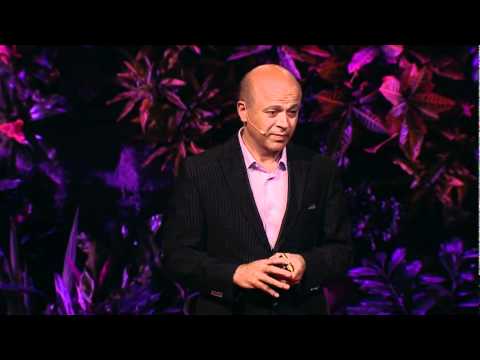
【TED】Abraham Verghese: A doctor's touch (Abraham Verghese: A doctor's touch)
0
VoiceTube posted on 2013/07/25Ever wondered about the power of a doctor's touch? This fascinating TED Talk explores how physical exams can prevent missed diagnoses, especially in cases like breast cancer, and you'll pick up some advanced vocabulary along the way! It's a fantastic chance to dive into workplace practical language and gain cultural depth.
Learn this video on the APP!
The VoiceTube App has more in-depth practice for videos!