
appeal
US /əˈpil/
UK /ə'pi:l/
- Uncountable Noun
- Ability to attract interest, attention, or desire
- Verb (Transitive/Intransitive)
- To attract interest, attention, or desire
- To request a judge or others to change a decision
A2TOEICMorebrave
US /brev/
UK /breɪv/
- Countable Noun
- (Old-fashioned) A native American warrior
- Adjective
- Not letting fear or danger stop you acting
A2Morecivil
US /ˈsɪvəl/
UK /ˈsɪvl/
- Adjective
- Of citizens of a country; not military, criminal
- Acting in a polite, but not truly friendly manner
B1Morecurious
US /ˈkjʊriəs/
UK /ˈkjʊəriəs/
- Adjective
- Wanting to know more about something
- Attracting interest by being strange or unusual
A2Moredisgust
US /dɪsˈɡʌst/
UK /dɪs'ɡʌst/
- Uncountable Noun
- Strong feeling of dislike for something
- Something that causes a feeling of revulsion or strong disapproval.
- Transitive Verb
- To cause a strong negative reaction or feeling
B2Moreextremism
US /ɪkˈstriːmɪzəm/
UK /ɪkˈstri:mɪzəm/
- Uncountable Noun
- Very strong political or religious theory/practice
B1Moregeneration
US /ˌdʒɛnəˈreʃən/
UK /ˌdʒenəˈreɪʃn/
- Noun (Countable/Uncountable)
- Act or process of producing or causing something
- People born and living at about the same time
A2TOEICMoregrow up
US /ɡro ʌp/
UK /ɡrəu ʌp/
- Phrasal Verb
- To develop from a child into an adult
A1Morehatred
US /ˈhetrɪd/
UK /ˈheɪtrɪd/
- Uncountable Noun
- Very strong feeling of dislike; hate
B2Moreheather
US /ˈhɛðɚ/
UK /ˈheðə(r)/
- Noun
- Purple flower that grows on moors
C2Morehistory
US /ˈhɪstəri/
UK /'hɪstrɪ/
- Noun (Countable/Uncountable)
- Established pattern or record
- Study of past events as an academic subject
A2Moreignore
US /ɪɡˈnɔr, -ˈnor/
UK /ɪɡ'nɔ:(r)/
- Transitive Verb
- To not listen to, look at, or pay attention to
A2TOEICMoreintolerance
US /ɪn'tɒlərəns/
UK /ɪn'tɒlərəns/
- Uncountable Noun
- Refusing to accept the ways of others
- Inability to certain things without getting sick
B1Morelook at
US /lʊk æt/
UK /luk æt/
- Phrasal Verb
- To use your eyes to focus on something
- To focus your eyes on something carefully
A1Morelook up to
US /lʊk ʌp tu/
UK /luk ʌp tu:/
- Phrasal Verb
- To respect or admire someone
A1Moreon the right side of history
US /ɑn ðə ˈraɪt ˈsaɪd ʌv ˈhɪstəri/
UK /ɒn ðə ˈraɪt ˈsaɪd ɒv ˈhɪstəri/
- other
- Being morally or socially correct in the long term.
C1Moreplayground
US /ˈpleˌɡraʊnd/
UK /ˈpleɪgraʊnd/
- Noun (Countable/Uncountable)
- Outdoor area for children to play in
B2Morepolitical
US /pəˈlɪtɪkəl/
UK /pəˈlɪtɪkl/
- Adjective
- Being active or interested in government matters
- Diplomatic
A2Morepresident
US /ˈprɛzɪdənt,-ˌdɛnt/
UK /ˈprezɪdənt/
- Noun
- Person in charge of a country, or organization
- The highest-ranking executive in a corporation or organization.
A2TOEICMoreracism
US /ˈreˌsɪzəm/
UK /ˈreɪsɪzəm/
- Noun (Countable/Uncountable)
- Belief that people of other races are bad/inferior
- Prejudice, discrimination, or antagonism directed against a person or people on the basis of their membership in a particular racial or ethnic group, typically one that is a minority or marginalized.
B2Moreresponsibility
US /rɪˌspɑnsəˈbɪlɪti/
UK /rɪˌspɒnsə'bɪlətɪ/
- Noun (Countable/Uncountable)
- Job, task or thing you are expected to look after
- A thing to be done because it is morally correct
A2Moreright back
US /raɪt bæk/
UK /rait bæk/
- Interjection
- Said when someone says they will return soon, indicating you expect their prompt return.
- Adverb
- Immediately; very soon after going.
A1Moreshameful
US /ˈʃemfəl/
UK /ˈʃeɪmfl/
- Adjective
- That causes shame; disgraceful; appalling
A2Morespeak out
US /spik aʊt/
UK /spi:k aut/
- Phrasal Verb
- To express your opinion frankly and publicly, especially about something that you disagree with.
A1Morespread
US /sprɛd/
UK /spred/
- Noun (Countable/Uncountable)
- A big meal, often laid out as a buffet
- The distance between two things
- Verb (Transitive/Intransitive)
- To place over a large area; to cover a large area
- (Of ideas, gossip) to pass to and affect others
A2TOEICMorestand up against
US /stænd ʌp əˈɡenst/
UK /stænd ʌp əˈɡenst/
- Phrasal Verb
- To resist or oppose someone or something; to defend oneself against an attack or injustice.
A2Morestand up for
US /stænd ʌp fɔr/
UK /stænd ʌp fɔ:/
- Phrasal Verb
- To support someone or an idea, e.g. human rights
A1Morestomach
US /ˈstʌmək/
UK /'stʌmək/
- Noun
- Place in the body where food is processed
- Verb (Transitive/Intransitive)
- to be able to accept something unpleasant
A2Moreup against
US /ʌp əˈɡenst/
UK /ʌp əˈɡenst/
- Phrase
- Facing or contending with something difficult or challenging.
- In close proximity or contact with something.
weekend
US /ˈwi:kend/
UK /ˌwi:kˈend/
- Noun
- Saturday and Sunday, after the normal working week
A2More
Vocabulary
- stand up against: To resist or oppose someone or something; to defend oneself against an attack or injustice.
- up against: Facing or contending with something difficult or challenging.
- grow up: To develop from a child into an adult
- look up to: To respect or admire someone
- speak out: To express your opinion frankly and publicly, especially about something that you disagree with.
- on the right side of history: Being morally or socially correct in the long term.
- look at: To use your eyes to focus on something
- stand up for: To support someone or an idea, e.g. human rights
- right back: Said when someone says they will return soon, indicating you expect their prompt return.
- curious: Wanting to know more about something
- exist: To be present, alive or real
- spread: A big meal, often laid out as a buffet
- ignore: To not listen to, look at, or pay attention to
- appeal: Ability to attract interest, attention, or desire
- political: Being active or interested in government matters
- generation: Act or process of producing or causing something
- explain: To make clear or easy to understand by describing
- responsibility: Job, task or thing you are expected to look after
- racism: Belief that people of other races are bad/inferior
- civil: Of citizens of a country; not military, criminal
- hatred: Very strong feeling of dislike; hate
- stomach: Place in the body where food is processed
- important: Having power or authority
- fact: Something that is known or proved to be true
- president: Person in charge of a country, or organization
- support: To give assistance or advice to someone
- kind: In a caring and helpful manner
- wrong: Action that is harmful, unjust or illegal
- grow: To get bigger and more mature; make plants do this
- stand: To be a candidate in an election
- remember: To give someone a gift, e.g. birthday, wedding
- haven: Place where people can feel safe and happy
- brave: (Old-fashioned) A native American warrior
- laugh: To make a happy sound when something is funny
- hard: Difficult to do; difficult to understand
- country: An area of land that is controlled by a government
- think: To have an idea about something without certainty
- disgust: Strong feeling of dislike for something
- history: Established pattern or record
- intolerance: Refusing to accept the ways of others
- extremism: Very strong political or religious theory/practice
- shameful: That causes shame; disgraceful; appalling
- playground: Outdoor area for children to play in
- weekend: Saturday and Sunday, after the normal working week
- heather: Purple flower that grows on moors
Get the full experience in the app
Learn anywhere with detailed sentence and usage analysis
01:03
She took a brave step forward, leaving behind her comfort zone to chase her dreams.
Vocabulary
- brave
adj. Having courage
- comfort zone
phr. A familiar situation where one feels safe
Explanation
a brave step is a noun phrase, where brave is an adjective modifying the noun step, meaning "a courageous step".
forward is an adverb modifying step, meaning "ahead".
The whole phrase serves as the object, answering the "what" of took (verb) — she took a brave step forward.
Get the full experience in the app
Look up words anytime with pronunciation, part of speech, and usage
brave
US/brev/
UK/breɪv/
adj.Brave
v.t.To bravely face
A2 Elementary
Get the full experience in the app
Practice speaking anytime and get instant pronunciation feedback
Try this speaking exercise.
Try practicing with this sentence.
80
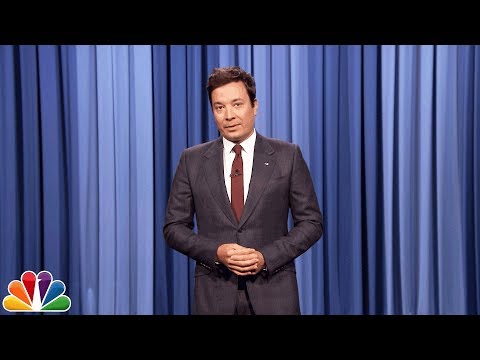
Jimmy Fallon Addresses the Events in Charlottesville
0
想你的我 posted on 2017/08/16Jimmy Fallon gets real in this powerful monologue about the events in Charlottesville and the fight against white supremacy. You'll get a chance to understand important cultural issues while practicing simple sentence structures that make complex ideas easy to grasp!
Learn this video on the APP!
The VoiceTube App has more in-depth practice for videos!