
ability
US /əˈbɪlɪti/
UK /ə'bɪlətɪ/
- Noun (Countable/Uncountable)
- The power, resources or skill to do something
- A particular skill or talent.
A2TOEICMoreadapt
US /əˈdæpt/
UK /ə'dæpt/
- Transitive Verb
- To change something for a different function
- To change something to fit or suit a new purpose
- Intransitive Verb
- To change your behaviour so that it is easier to live in a new place or situation
B1TOEICMoreadmit
US /ædˈmɪt/
UK /əd'mɪt/
- Transitive Verb
- To acknowledge that something is true or right
- To allow someone to enter
A2TOEICMoreadvantage
US /ædˈvæntɪdʒ/
UK /əd'vɑ:ntɪdʒ/
- Noun (Countable/Uncountable)
- Thing making the chance of success higher
- A positive point about something
- Transitive Verb
- To make use of something, especially to further one's own position; exploit.
A2TOEICMoreat fault
US /æt fɔlt/
UK /æt fɔ:lt/
- Adjective
- Responsible for something negative or undesirable; deserving blame.
- Phrase
- Culpable; deserving of blame or censure.
A1Moreat least
US /æt list/
UK /æt li:st/
- Adverb
- As a minimum
- Not less than
- Phrase
- No less than; at the minimum
- Used to indicate that something is positive in a bad situation.
C2Morebased on
US
UK
- Phrasal Verb
- To use something as the foundation or starting point for something else.
- Preposition
- Using something as the main idea or foundation.
- Relying on something as evidence or justification.
A1Morecause
US /kɔz/
UK /kɔ:z/
- Noun
- Belief, goal or organization that people support
- Reason for
- Transitive Verb
- To make something happen; create effect or result
A2Morecheck out
US /tʃɛk aʊt/
UK /tʃek aut/
- Phrase
- Phrasal Verb
- To find out information about something
- To take books out of a library
A1Morecomment
US /ˈkɑmɛnt/
UK /'kɒment/
- Noun (Countable/Uncountable)
- Something you say, giving an opinion; remark
- An explanatory note in a computer program.
- Verb (Transitive/Intransitive)
- To say something that gives your opinion
- To add explanatory notes to a computer program.
A2Moreconcern
US /kənˈsɚn/
UK /kənˈsɜ:n/
- Verb (Transitive/Intransitive)
- To be about a particular topic
- To have a direct impact on someone
- Noun (Countable/Uncountable)
- Company, firm or business
- Feeling of worry or anxiety
A2TOEICMoreconfront
US /kənˈfrʌnt/
UK /kən'frʌnt/
- Transitive Verb
- To make someone, e.g. who has lied, face the truth
- (Of problem) to face someone who must deal with it
B1Moreconstantly
US /ˈkɑnstəntlɪ/
UK /ˈkɒnstəntli/
- Adverb
- Frequently, or without pause
- In a way that is unchanging or faithful
B1Morecontext
US /ˈkɑnˌtɛkst/
UK /ˈkɒntekst/
- Noun (Countable/Uncountable)
- Set of facts surrounding a person or event
- The circumstances that form the setting for an event, statement, or idea, and in terms of which it can be fully understood and assessed.
A2Moredirect
US /dɪˈrɛkt, daɪ-/
UK /də'rekt/
- Transitive Verb
- To tell someone in a very clear way to do something
- To show the way by conducting or leading
- Adverb
- Coming straight from something
A2TOEICMoreempathy
US /ˈɛmpəθi/
UK /ˈempəθi/
- Uncountable Noun
- Understanding how other people feel/suffer
- The ability to understand and share the feelings of another, especially when those feelings are negative or painful
B2TOEICMoreencounter
US /ɛnˈkaʊntɚ/
UK /ɪn'kaʊntə(r)/
- Verb (Transitive/Intransitive)
- To come up against a problem or trouble; meet
- To meet someone or something unexpectedly
- Noun
- A chance meeting; unexpected or unplanned meeting
B1TOEICMoreexploit
US /ɪkˈsplɔɪt/
UK /ɪk'splɔɪt/
- Transitive Verb
- To selfishly take advantage of or treat badly
- To use something in a very effective manner
- Noun (Countable/Uncountable)
- Personal journey or series of events
- A bold or daring feat.
B1TOEICMorefor example
US
UK
- Phrase
- As an illustration or instance.
grocery
US /'ɡroʊsərɪ/
UK /'ɡrəʊsərɪ/
- Uncountable Noun
- Daily foods such as flour, sugar, and tinned foods
- Countable Noun
- A store that sells food and household supplies.
B2TOEICMoregross
US /ɡros/
UK /ɡrəʊs/
- Noun (Countable/Uncountable)
- 144 of something; twelve dozen of something
- Total sum of money earned before costs and taxes
- Transitive Verb
- To earn an amount of money before costs and taxes
B1TOEICMoreguilty
US /ˈɡɪlti/
UK /'ɡɪltɪ/
- Adjective
- Responsible for doing something wrong
- Feeling or showing guilt; having a sense of remorse.
A2TOEICMorehave to
US /hæv tu/
UK /ˈhæv tə/
- Auxiliary Verb
- Must do
A1Morehypocritical
US
UK
- Adjective
- Behaving in a way that you criticize in others
B2Moreidentify
US /aɪˈdɛntəˌfaɪ/
UK /aɪ'dentɪfaɪ/
- Transitive Verb
- To indicate who or what someone or something is
- To say exactly what something is
B1TOEICMorein the end
US /ɪn ði ɛnd/
UK /in ðə end/
- Phrase
- Finally; after a period of time or series of events.
- Ultimately; as the final result or consequence.
A1Morein the long run
US
UK
- Phrase
- Eventually; over a long period of time.
A1Moreinsecure
US /ˌɪnsɪˈkjʊr/
UK /ˌɪnsɪ'kjʊə(r)/
- Adjective
- Lacking confidence or certainty about yourself
- Not being safe or stable
B1Moreinsult
US /ɪnˈsʌlt/
UK /ɪn'sʌlt/
- Transitive Verb
- To disrespect someone by being rude or impolite
- Noun (Countable/Uncountable)
- Act of disrespecting by being rude or impolite
B1TOEICMorelack
US /læk/
UK /læk/
- Verb (Transitive/Intransitive)
- To not have, or not have enough, of something
- Uncountable Noun
- The state of not having or not having enough of
A2TOEICMorelash
US /læʃ/
UK /læʃ/
- Countable Noun
- Small hairs that grow above and below your eyes
- A quick hit with a narrow stick or whip
- Transitive Verb
- To hit something violently or forcefully
- To tie something in place tightly
B2Morelash out
US /læʃ aʊt/
UK /læʃ aut/
- Phrasal Verb
- To suddenly attempt to hit someone or something.
- To criticize someone angrily.
A1Moremanipulate
US /məˈnɪpjəˌlet/
UK /mə'nɪpjʊleɪt/
- Transitive Verb
- To try to control others to gain an advantage
- To handle or work in a skillful manner
B1Moremanipulation
US /məˌnɪpjʊˈleʃən/
UK /məˌnɪpjʊ'leɪʃn/
- Noun (Countable/Uncountable)
- Act of controlling to gain an advantage
- Act of moving something using your hands
B1Moremotivated
US /ˈmotɪvetɪd/
UK /'məʊtɪveɪtɪd/
- Transitive Verb
- To give someone a reason, the will to do something
- Adjective
- Being enthusiastic to do something
- Having a strong reason or desire to do something.
A2Morenarcissism
US /ˈnɑrsɪˌsɪzəm/
UK /ˈnɑ:sɪsɪzəm/
- Uncountable Noun
- Being in love with yourself, your own appearance
- In psychoanalytic theory, self-centeredness arising from failure to distinguish the self from external objects, either in early infancy or as a feature of mental disorder.
C1TOEICMorenarcissistic
US /ˌnɑrsɪˈsɪstɪk/
UK /ˌnɑ:sɪ'sɪstɪk/
- Adjective
- Admiring yourself excessively
C1Morenegative
US /ˈnɛɡətɪv/
UK /'neɡətɪv/
- Noun
- The opposite to a positive electrical charge
- In grammar, containing words such as 'no' or 'not'
- Adjective
- Being harmful, unwanted or unhelpful
- In mathematics, being less than zero
A2Moreno matter
US
UK
- Conjunction
- Regardless of; it does not matter.
- Adverb
- Regardless of; it is not important
A1Moreopportunity
US /ˌɑpɚˈtunɪti, -ˈtju-/
UK /ˌɒpə'tju:nətɪ/
- Noun (Countable/Uncountable)
- Time, situation when a thing might be done; chance
- A favorable time or occasion for doing something.
A2TOEICMoreoutfit
US /ˈaʊtˌfɪt/
UK /'aʊtfɪt/
- Noun
- A set of clothing (with accessories)
- Transitive Verb
- To provide with clothing and other things
B2Moreparanoid
US /ˈpærəˌnɔɪd/
UK /ˈpærənɔɪd/
- Adjective
- Believing others are trying to harm you
- Believing others are trying to harm you
C1Moreperceive
US /pɚˈsiv/
UK /pə'si:v/
- Transitive Verb
- To notice or become aware of something
- To think of someone or something in a certain way
B1TOEICMoreplay the victim
US
UK
- Intransitive Verb
- To act as if one is a victim in order to gain sympathy or avoid responsibility.
A1Moreprey
US /pre/
UK /preɪ/
- Intransitive Verb
- To hunt (other animals) in order to eat them
- Noun (Countable/Uncountable)
- The victim of another person's aggression
- The victim of another person's aggression
B1Moreprey on
US /pre ɑn/
UK /prei ɔn/
- Phrasal Verb
- To victimize or exploit someone, especially someone vulnerable.
A1Morerelationship
US /rɪˈleʃənˌʃɪp/
UK /rɪˈleɪʃnʃɪp/
- Noun (Countable/Uncountable)
- Connection between two or more people or things
- Way people interact or live with each other
A2TOEICMoreshut up
US /ʃʌt ʌp/
UK /ʃʌt ʌp/
- Phrasal Verb
- To close something, e.g. a shop
- To (cause someone to) be silent or not speak
- Interjection
- An expression of disbelief or surprise
A2Moresubscribe
US /səbˈskraɪb/
UK /səb'skraɪb/
- Verb (Transitive/Intransitive)
- To regularly pay to receive a service
B1TOEICMoresuch as
US /sʌtʃ æz/
UK /sʌtʃ æz/
- Preposition
- For example; like
A1Moresympathy
US /ˈsɪmpəθi/
UK /'sɪmpəθɪ/
- Uncountable Noun
- Feeling for other people when they are in trouble
A2TOEICMorevictim
US /ˈvɪktɪm/
UK /ˈvɪktɪm/
- Noun
- Person/thing affected by an unpleasant event
- Person feeling helpless in times of bad luck
B1TOEICMoreweak spots
US
UK
- Noun (plural)
- Areas of vulnerability or deficiency.
- Figurative areas of vulnerability or deficiency in a plan, argument, or organization.
B1More
Vocabulary
- for example: As an illustration or instance.
- at fault: Responsible for something negative or undesirable; deserving blame.
- prey on: To victimize or exploit someone, especially someone vulnerable.
- weak spots: Areas of vulnerability or deficiency.
- such as: For example; like
- no matter: Regardless of; it does not matter.
- have to: Must do
- play the victim: To act as if one is a victim in order to gain sympathy or avoid responsibility.
- in the end: Finally; after a period of time or series of events.
- at least: As a minimum
- shut up: To close something, e.g. a shop
- lash out: To suddenly attempt to hit someone or something.
- in the long run: Eventually; over a long period of time.
- based on: To use something as the foundation or starting point for something else.
- check out
- subscribe: To regularly pay to receive a service
- constantly: Frequently, or without pause
- perceive: To notice or become aware of something
- context: Set of facts surrounding a person or event
- situation: Place, position or area that something is in
- opportunity: Time, situation when a thing might be done; chance
- empathy: Understanding how other people feel/suffer
- gross: 144 of something; twelve dozen of something
- grocery: Daily foods such as flour, sugar, and tinned foods
- matter: To be of great importance; to count
- encounter: To come up against a problem or trouble; meet
- negative: The opposite to a positive electrical charge
- comment: Something you say, giving an opinion; remark
- manipulate: To try to control others to gain an advantage
- advantage: Thing making the chance of success higher
- relationship: Connection between two or more people or things
- identify: To indicate who or what someone or something is
- exploit: To selfishly take advantage of or treat badly
- victim: Person/thing affected by an unpleasant event
- concern: To be about a particular topic
- admit: To acknowledge that something is true or right
- ability: The power, resources or skill to do something
- insult: To disrespect someone by being rude or impolite
- outfit: A set of clothing (with accessories)
- guilty: Responsible for doing something wrong
- sympathy: Feeling for other people when they are in trouble
- cause: Belief, goal or organization that people support
- insecure: Lacking confidence or certainty about yourself
- lack: To not have, or not have enough, of something
- motivated: To give someone a reason, the will to do something
- prey: To hunt (other animals) in order to eat them
- direct: To tell someone in a very clear way to do something
- behavior: The way a person or thing acts; manner
- similar: Nearly the same; alike
- simply: In an easy or clear manner
- confront: To make someone, e.g. who has lied, face the truth
- adapt: To change something for a different function
- rest: Time when one relaxes, sleeps, or is inactive
- project: To predict what will happen in the future
- social: Involving activity with people, e.g. in free time
- manipulation: Act of controlling to gain an advantage
- allow: To admit the validity or truth of something
- paranoid: Believing others are trying to harm you
- offer: Price you say you are willing to pay for something
- narcissistic: Admiring yourself excessively
- basic: At the most important or easiest (beginner) level
- narcissism: Being in love with yourself, your own appearance
- continue: To do something without stopping, or after pausing
- promise: To say you will certainly do something
- make: To arrange or prepare something e.g. dinner
- person: Man, woman or child
- lash: Small hairs that grow above and below your eyes
- hypocritical: Behaving in a way that you criticize in others
Get the full experience in the app
Learn anywhere with detailed sentence and usage analysis
01:03
She took a brave step forward, leaving behind her comfort zone to chase her dreams.
Vocabulary
- brave
adj. Having courage
- comfort zone
phr. A familiar situation where one feels safe
Explanation
a brave step is a noun phrase, where brave is an adjective modifying the noun step, meaning "a courageous step".
forward is an adverb modifying step, meaning "ahead".
The whole phrase serves as the object, answering the "what" of took (verb) — she took a brave step forward.
Get the full experience in the app
Look up words anytime with pronunciation, part of speech, and usage
brave
US/brev/
UK/breɪv/
adj.Brave
v.t.To bravely face
A2 Elementary
Get the full experience in the app
Practice speaking anytime and get instant pronunciation feedback
Try this speaking exercise.
Try practicing with this sentence.
80
9個象徵你正在與一個沒良心的人約會 (9 Signs You're Dating a Sociopath) ()
0
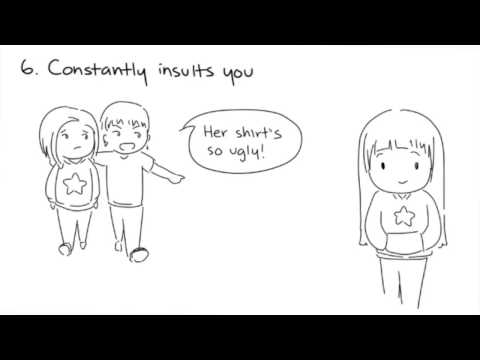
Amy.Lin posted on 2017/07/29Ever wondered if your partner might be a sociopath? This video breaks down nine key signs to watch out for, like manipulative behavior and a lack of empathy, helping you understand relationship red flags. You'll pick up some crucial vocabulary for discussing personality traits and relationship dynamics!
Learn this video on the APP!
The VoiceTube App has more in-depth practice for videos!