
accuracy
US /ˈækjərəsi/
UK /ˈækjərəsi/
- Uncountable Noun
- Being exactly right; correctness
- The degree to which something is close to the true value.
A2TOEICMoreafter all
US /ˈæftɚ ɔl/
UK /ˈɑ:ftə ɔ:l/
- Adverb
- In spite of what was expected; used to introduce a statement that supports a previous statement or explains why it was made
- Considering everything; used to indicate that something is happening or is true despite some difficulty or obstacle
- Phrase
- Despite what was expected or thought; in spite of everything.
- Taking everything into consideration; considering that.
B1Morealter
US /ˈɔltɚ/
UK /ˈɔ:ltə(r)/
- Transitive Verb
- To change so (clothing) fits better
- Verb (Transitive/Intransitive)
- To change or modify something.
- To become different; to change.
A2TOEICMorealtruism
US /ˈæltruˌɪzəm/
UK /ˈæltruɪzəm/
- Uncountable Noun
- Selfless concern for the well-being of others
C1Moreanalysis
US /əˈnælɪsɪs/
UK /əˈnæləsɪs/
- Uncountable Noun
- Careful study to better understand something
B1TOEICMorearound the world
US /əˈraʊnd ði wɜrld/
UK /əˈraund ðə wɜː(r)ld/
- Phrase
- In or to many countries.
- In various places throughout the world.
A2Moreattraction
US /əˈtrækʃən/
UK /ə'trækʃn/
- Noun (Countable/Uncountable)
- Theme park or fairground; place worth visiting
- The act of making someone become interested in
A2Morebased on
US
UK
- Phrasal Verb
- To use something as the foundation or starting point for something else.
- Preposition
- Using something as the main idea or foundation.
- Relying on something as evidence or justification.
A1Morebaseline
US /ˈbeɪslaɪn/
UK /ˈbeɪslaɪn/
- Noun
- Imaginary standard by which things are compared
C1Morebiological
US /ˌbaɪəˈlɑdʒɪkəl/
UK /ˌbaɪəˈlɒdʒɪkl/
- Adjective
- Being related to life and living things
- A substance, such as a detergent, that contains enzymes.
B1Morechromosome
US /ˈkroʊməsoʊm/
UK /ˈkrəʊməsəʊm/
- Noun
- Cell structures that carry the genetic material
C2Morecolony
US /ˈkɑləni/
UK /'kɒlənɪ/
- Noun (Countable/Uncountable)
- Group (bees, etc.) that live in the same place
- Country/settlement controlled by another country
B2Morecommunity
US /kəˈmjunɪti/
UK /kə'mju:nətɪ/
- Noun (Countable/Uncountable)
- Group of people who share a common idea or area
- A feeling of fellowship with others, as a result of sharing common attitudes, interests, and goals.
- Adjective
- Relating to or shared by the people in a particular area.
- Shared or participated in by all members of a group
A2Morecompassion
US /kəmˈpæʃən/
UK /kəmˈpæʃn/
- Uncountable Noun
- Feeling of wanting to help suffering people
- Actions that demonstrate care and concern for others.
B2Morecontroversy
US /ˈkɑntrəˌvɚsi/
UK /'kɒntrəvɜ:sɪ/
- Noun (Countable/Uncountable)
- Strong public disagreement about something
B1Moredecrease
US /dɪˈkris/
UK /dɪˈkri:s/
- Verb (Transitive/Intransitive)
- To reduce the size, amount or number of something
- Uncountable Noun
- Amount by which something has been reduced
B1TOEICMoredie out
US /daɪ aʊt/
UK /dai aut/
- Phrasal Verb
- To disappear completely; to become extinct
A1Moredna
US
UK
- Noun (Countable/Uncountable)
- Chemical in living cells with genetic information
B2Moreembryo
US /ˈɛmbriˌo/
UK /ˈembriəʊ/
- Noun
- Tiny plant stored inside a seed
- Early form of an unborn human or animal
B2Moreevolutionary
US /ˌiːvəˈluːʃəneri/
UK /ˌi:vəˈlu:ʃənri/
- Adjective
- Concerning gradual change over time
B2Moreexploit
US /ɪkˈsplɔɪt/
UK /ɪk'splɔɪt/
- Transitive Verb
- To selfishly take advantage of or treat badly
- To use something in a very effective manner
- Noun (Countable/Uncountable)
- Personal journey or series of events
- A bold or daring feat.
B1TOEICMoregenetic
US /dʒəˈnɛtɪk/
UK /dʒəˈnetɪk/
- Adjective
- Of, relating to, or controlled by genes
- Relating to genes or heredity.
B1Moregenetically
US /dʒə'netɪklɪ/
UK /dʒə'netɪklɪ/
- Adverb
- Caused or controlled, or by genes
- By means of genes or genetic engineering.
B1Moregenome
US /ˈdʒi:noʊm/
UK /ˈdʒi:nəʊm/
- Noun
- Complete set of genetic material in an organism
B2Moreheritability
US /herɪtə'bɪlɪtɪ/
UK /herɪtə'bɪlɪtɪ/
- Uncountable Noun
- Science fact of being able to be inherited
C2Moreheterosexual
US /ˌhɛtəroˈsɛkʃuəl/
UK /ˌhetərəˈsekʃuəl/
- Adjective
- Sexually attracted to members of the opposite sex
- Noun
- Person attracted to members of the opposite sex
B2Morehypothesis
US /haɪˈpɑθɪsɪs/
UK /haɪˈpɒθəsɪs/
- Noun
- A theory trying to explain something
- A supposition or proposed explanation made on the basis of limited evidence as a starting point for further investigation.
B1Morein fact
US /ɪn fækt/
UK /in fækt/
- Adverb
- Used to emphasize the truth of a statement, especially one that contrasts with or contradicts something else.
- Used to introduce a more detailed or surprising piece of information.
- Phrase
- Used to emphasize the truth of a statement, especially one that is surprising or contrary to what might be expected.
C1Morein future
US /ɪn ˈfjutʃɚ/
UK /ɪn ˈfju:tʃə/
- Preposition
- At a time yet to come; from now onwards.
A2Morein the past
US
UK
- Phrase
- During a former period of time; previously.
A1Morelabel
US /ˈlebəl/
UK /'leɪbl/
- Noun (Countable/Uncountable)
- A (luxury) brand owned by a company
- A word or term used to describe a person, thing
- Transitive Verb
- To use a term to describe, often negatively
- To attach material to identify something
A2Morelesbian
US
UK
- Noun
- Homosexual woman
B2Moremethylation
US
UK
- Noun
- Alkylation process of substitution by methyl group
C2Moremodify
US /ˈmɑ:dɪfaɪ/
UK /ˈmɒdɪfaɪ/
- Transitive Verb
- To make minor change to something
B1Moremolecular
US /məˈlɛkjəlɚ/
UK /mə'lekjələ(r)/
- Adjective
- About or caused by molecules
B2Moreneglect
US /nɪˈɡlɛkt/
UK /nɪ'ɡlekt/
- Uncountable Noun
- Act of failing to do something important, required
- State or condition of not receiving proper care
- Transitive Verb
- To not do something that is important or required
- To fail to take care of something; ignore
B1TOEICMorenutrition
US /nuˈtrɪʃən, nju-/
UK /njuˈtrɪʃn/
- Uncountable Noun
- Scientific study of the effects of foods on health
- Food and other things you eat or drink
B1Moreodd
US /ɑd/
UK /ɒd/
- Adjective
- Being unmatched with someone or something
- Being a number not able to be divided by two
A2Moreoffspring
US /ˈɔfˌsprɪŋ, ˈɑf-/
UK /'ɒfsprɪŋ/
- Noun (Countable/Uncountable)
- Child or young of a person, plant or animal
- Something that results or is produced from something else.
- Noun (plural)
- Plural form of offspring.
B2Moreon average
US /ɑn ˈævərɪdʒ/
UK /ɔn ˈævəridʒ/
- Phrase
- Typically; usually; based on an average calculation.
B1Moreorientation
US /ˌɔriɛnˈteʃən, -ən-, ˌor-/
UK /ˌɔ:riənˈteɪʃn/
- Noun
- Where you are in a location, e.g. facing east/west
- Process of giving information about something new
B1Moreparadox
US /ˈpærəˌdɑks/
UK /'pærədɒks/
- Noun
- Surprising statement containing two opposing ideas
B2Morepast it
US
UK
- Adjective
- No longer capable or effective due to age or declining condition.
- Beyond the point of being useful or functional.
A1Morepredominantly
US /prɪˈdɑ:mɪnəntli/
UK /prɪˈdɒmɪnəntli/
- Adverb
- Mainly; in a way that indicates a greater degree
- In a way that is most noticeable or has the most influence.
C2Morepregnancy
US /ˈprɛɡnənsi/
UK /ˈpregnənsi/
- Uncountable Noun
- When a woman carries her unborn baby inside her
- A specific instance or period of being pregnant.
B1Moreprevalence
US /ˈprɛvələns/
UK /'prevələns/
- Uncountable Noun
- Fact of being widespread or common
B2Moreprove
US /pruv/
UK /pru:v/
- Transitive Verb
- To demonstrate truth by providing evidence
- To test the quality or worth of something.
- Intransitive Verb
- To turn out to be; be found to be.
A2TOEICMorequeer
US /kwɪr/
UK /kwɪə(r)/
- Noun
- Offensive term for a gay person
- Adjective
- (Offensive) being gay; homosexual
- Odd or unusual; strange
B2Moreregion
US /ˈridʒən/
UK /'ri:dʒən/
- Noun (Countable/Uncountable)
- Part of a country, of the world, area, etc.
- A part of the body
A2TOEICMoreregulate
US /ˈrɛɡjəˌlet/
UK /ˈregjuleɪt/
- Transitive Verb
- To control something with rules or laws
- To set/adjust (a clock, etc.); restrict motion in
A2TOEICMorerelative
US /ˈrɛlətɪv/
UK /ˈrelətɪv/
- Adjective
- Measured or considered in comparison to another
- (Grammar) referring to words that appear earlier
- Countable Noun
- Members of the family
- Humans or animals sharing the same family history
A2Moreresearch
US /rɪˈsɚtʃ, ˈriˌsɚtʃ/
UK /rɪ'sɜ:tʃ/
- Verb (Transitive/Intransitive)
- To study in order to discover new ideas and facts
- To study the market relating to marketing products and services.
- Noun (Countable/Uncountable)
- Study done to discover new ideas and facts
- A particular area or topic of study.
A2TOEICMorescience
US /ˈsaɪəns/
UK /'saɪəns/
- Uncountable Noun
- Study of the physical world, based on facts
A2TOEICMorescientific
US /ˌsaɪənˈtɪfɪk/
UK /ˌsaɪənˈtɪfɪk/
- Adjective
- Concerning academic study of the physical world
- Systematic and precise, following a methodology.
- Noun
- Relating to or used in science.
A2Morespecific
US /spɪˈsɪfɪk/
UK /spəˈsɪfɪk/
- Adjective
- Precise; particular; just about that thing
- Concerning one particular thing or kind of thing
A2Morestraight
US /stret/
UK /streɪt/
- Adjective
- Not having curves, bends, or angles
- Not gay; heterosexual
- Adverb
- in a line; immediately; honestly and directly
- In a straight line; directly.
A2TOEICMoresuccessive
US /səkˈsɛsɪv/
UK /səkˈsesɪv/
- Adjective
- Happening one after another in a series
B2Moretestosterone
US /tɛsˈtɑstəˌron/
UK /tesˈtɔstərəun/
- Uncountable Noun
- Natural chemical responsible for the male sex
- A steroid hormone that stimulates development of male secondary sexual characteristics, and is produced mainly in the testes, but also in the ovaries and adrenal cortex.
C1Moretrigger
US /ˈtrɪɡɚ/
UK /'trɪɡə(r)/
- Noun
- Lever on a gun that you pull to fire
- Device that starts a process
- Transitive Verb
- To start a process off e.g. a memory
- To cause something to begin or happen.
B1Moreultimately
US /ˈʌltəmɪtli/
UK /ˈʌltɪmətli/
- Adverb
- Done or considered as the final and most important
- Fundamentally; at the most basic level.
B1TOEICMoreused to
US /juzd tu/
UK /ˈju:st tə/
- Adjective
- Did regularly before, but don't do now
- Auxiliary Verb
- Have done before, but do not do now
A1More
Vocabulary
- in fact: Used to emphasize the truth of a statement, especially one that contrasts with or contradicts something else.
- die out: To disappear completely; to become extinct
- based on: To use something as the foundation or starting point for something else.
- in future: At a time yet to come; from now onwards.
- after all: In spite of what was expected; used to introduce a statement that supports a previous statement or explains why it was made
- on average: Typically; usually; based on an average calculation.
- in the past: During a former period of time; previously.
- past it: No longer capable or effective due to age or declining condition.
- used to: Did regularly before, but don't do now
- around the world: In or to many countries.
- ultimately: Done or considered as the final and most important
- specific: Precise; particular; just about that thing
- trigger: Lever on a gun that you pull to fire
- straight: Not having curves, bends, or angles
- community: Group of people who share a common idea or area
- compassion: Feeling of wanting to help suffering people
- exploit: To selfishly take advantage of or treat badly
- increase: To make or become larger in size or amount
- offspring: Child or young of a person, plant or animal
- hypothesis: A theory trying to explain something
- paradox: Surprising statement containing two opposing ideas
- odd: Being unmatched with someone or something
- region: Part of a country, of the world, area, etc.
- research: To study in order to discover new ideas and facts
- evolutionary: Concerning gradual change over time
- predominantly: Mainly; in a way that indicates a greater degree
- alter: To change so (clothing) fits better
- neglect: Act of failing to do something important, required
- compare: To consider how similar and different things are
- regulate: To control something with rules or laws
- genetic: Of, relating to, or controlled by genes
- scientific: Concerning academic study of the physical world
- controversy: Strong public disagreement about something
- suggest: To mention something that could be done; propose
- prove: To demonstrate truth by providing evidence
- attraction: Theme park or fairground; place worth visiting
- nutrition: Scientific study of the effects of foods on health
- orientation: Where you are in a location, e.g. facing east/west
- accuracy: Being exactly right; correctness
- colony: Group (bees, etc.) that live in the same place
- label: A (luxury) brand owned by a company
- science: Study of the physical world, based on facts
- pregnancy: When a woman carries her unborn baby inside her
- decrease: To reduce the size, amount or number of something
- analysis: Careful study to better understand something
- biological: Being related to life and living things
- genetically: Caused or controlled, or by genes
- relative: Measured or considered in comparison to another
- testosterone: Natural chemical responsible for the male sex
- modify: To make minor change to something
- prevalence: Fact of being widespread or common
- embryo: Tiny plant stored inside a seed
- group: Two or more musicians who play music together
- human: A person; a man, woman or child
- chromosome: Cell structures that carry the genetic material
- genome: Complete set of genetic material in an organism
- behaviour: The way a person or thing acts; manner
- heterosexual: Sexually attracted to members of the opposite sex
- molecular: About or caused by molecules
- queer: Offensive term for a gay person
- study: To focus on learning something usually at school
- people: Persons sharing culture, country, background, etc.
- lesbian: Homosexual woman
- pass: Act of giving a ball to another player in a sport
- baseline: Imaginary standard by which things are compared
- altruism: Selfless concern for the well-being of others
- family: Close group of people or organizations
- man: Humans in general, including male and female
- strongly: With strength or in a strong manner
- successive: Happening one after another in a series
- high: Excited or relaxed from taking drugs
- epigenetic: (Biology) of or relating to epigenesis
- old: Having existed for a long time, not young or new
- heritability: Science fact of being able to be inherited
- dna: Chemical in living cells with genetic information
- methylation: Alkylation process of substitution by methyl group
Get the full experience in the app
Learn anywhere with detailed sentence and usage analysis
01:03
She took a brave step forward, leaving behind her comfort zone to chase her dreams.
Vocabulary
- brave
adj. Having courage
- comfort zone
phr. A familiar situation where one feels safe
Explanation
a brave step is a noun phrase, where brave is an adjective modifying the noun step, meaning "a courageous step".
forward is an adverb modifying step, meaning "ahead".
The whole phrase serves as the object, answering the "what" of took (verb) — she took a brave step forward.
Get the full experience in the app
Look up words anytime with pronunciation, part of speech, and usage
brave
US/brev/
UK/breɪv/
adj.Brave
v.t.To bravely face
A2 Elementary
Get the full experience in the app
Practice speaking anytime and get instant pronunciation feedback
Try this speaking exercise.
Try practicing with this sentence.
80
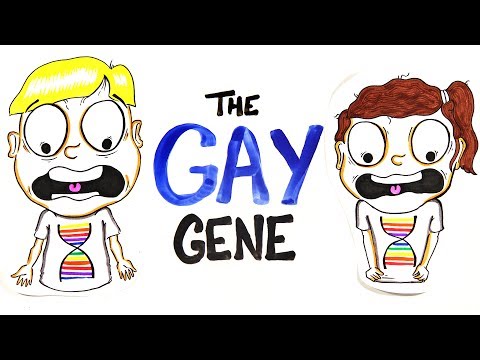
Does Everybody Have A Gay Gene?
0
韓澐 posted on 2017/07/28Ever wondered about the science behind sexual orientation? This video dives deep into genetics and epigenetics, exploring fascinating studies like the UCLA study and the gay uncle hypothesis. You'll pick up advanced vocabulary and gain a richer understanding of complex topics, making it perfect for boosting your knowledge and language skills!
Learn this video on the APP!
The VoiceTube App has more in-depth practice for videos!