
advantage
US /ædˈvæntɪdʒ/
UK /əd'vɑ:ntɪdʒ/
- Noun (Countable/Uncountable)
- Thing making the chance of success higher
- A positive point about something
- Transitive Verb
- To make use of something, especially to further one's own position; exploit.
A2TOEICMoreas well as
US /æz wɛl æz/
UK /æz wel æz/
- Adverb
- Also; in addition to
- Preposition
- In addition to; and also.
A1Moreat first sight
US /æt fɚst saɪt/
UK /æt fə:st sait/
- Phrase
- Immediately on seeing someone or something for the first time; based on a first impression.
A1Moreat the same time
US
UK
- Phrase
- Simultaneously; at the identical moment.
- Nevertheless; however; used to introduce a contrasting or qualifying statement.
A1Moreaverage
US /ˈævərɪdʒ, ˈævrɪdʒ/
UK /'ævərɪdʒ/
- Noun (Countable/Uncountable)
- Total of numbers divided by the number of items
- Transitive Verb
- To add numbers then divide by the number of items
A2TOEICMorebased on
US
UK
- Phrasal Verb
- To use something as the foundation or starting point for something else.
- Preposition
- Using something as the main idea or foundation.
- Relying on something as evidence or justification.
A1Morechuck
US /tʃʌk/
UK /tʃʌk/
- Transitive Verb
- To throw carelessly or casually
- Proper Noun
- Person's name
B2Morecoincidence
US /koʊˈɪnsɪdəns/
UK /kəʊˈɪnsɪdəns/
- Noun (Countable/Uncountable)
- Occurrence by chance, not design or planned
- State in which two ideas or opinions are the same
B1Morecomplementary
US /ˌkɑ:mplɪˈmentri/
UK /ˌkɒmplɪˈmentri/
- Adjective
- Working well together; completing something
B1Moreconsistent
US /kənˈsɪstənt/
UK /kənˈsɪstənt/
- Adjective
- Agreeing with or being similar to another part
- In agreement; reliable
A2Morecorrelation
US /ˌkɔrəˈleʃən, ˌkɑr-/
UK /ˌkɒrəˈleɪʃn/
- Noun (Countable/Uncountable)
- The relationship between two variables
- A statistical measure that expresses the extent to which two variables are linearly related (meaning they change together at a constant rate).
B1Morecritical
US /ˈkrɪtɪkəl/
UK /ˈkrɪtɪkl/
- Adjective
- Making a negative judgment of something
- Being important or serious; vital; dangerous
A2Morecurse
US /kɚs/
UK /kɜ:s/
- Verb (Transitive/Intransitive)
- To use offensive language when angry; swear
- Noun
- Act to cause trouble to others
- A word or phrase used to express anger or annoyance.
B1Moredementia
US /dɪˈmɛnʃə/
UK /dɪˈmenʃə/
- Uncountable Noun
- Illness characterized by loss of memory
B2Moredysfunctional
US
UK
- Adjective
- Acting in an abnormal way or not as required
- Not behaving or working normally as a family or group.
B2Moredyslexia
US /dɪsˈlɛksiə/
UK /dɪsˈleksiə/
- Noun
- Condition affecting one's spelling and reading
C1Moredyslexic
US /dɪs'leksɪk/
UK /dɪs'leksɪk/
- Adjective
- Concerning poor spelling or reading ability
C1Moreemerge
US /ɪˈmɚdʒ/
UK /ɪ'mɜ:dʒ/
- Intransitive Verb
- To rise or appear out of some background
- To become known or apparent.
A2TOEICMoreenhance
US /ɛnˈhæns/
UK /ɪn'hɑ:ns/
- Transitive Verb
- To improve; make bigger or better
B1TOEICMoreevolution
US /ˌɛvəˈluʃən, ˌivə-/
UK /ˌi:və'lu:ʃn/
- Uncountable Noun
- Theory that living things change over time
- Process by which something develops over time
B1Moreevolutionary
US /ˌiːvəˈluːʃəneri/
UK /ˌi:vəˈlu:ʃənri/
- Adjective
- Concerning gradual change over time
B2Moreexact
US /ɪɡˈzækt/
UK /ɪɡ'zækt/
- Adjective
- Completely correct; accurate; specific
- Transitive Verb
- To get something, sometimes using force
A2TOEICMoreextremely
US /ɪk'strimlɪ/
UK /ɪkˈstri:mli/
- Adverb
- In a way that is much more than usual or expected
- Remarkably; unusually.
B1Morefor example
US
UK
- Phrase
- As an illustration or instance.
function
US /ˈfʌŋkʃən/
UK /'fʌŋkʃn/
- Noun
- Social event, or party such as a wedding
- Mathematical operation used in calculations
- Intransitive Verb
- To serve a certain purpose or role
- To be operating, working or achieving its purpose
A2TOEICMoregenius
US /ˈdʒinjəs/
UK /'dʒi:nɪəs/
- Noun (Countable/Uncountable)
- Person displaying a high level of intelligence
- The characteristic spirit of a nation, people, or place.
B2Moregoing on
US /ˈɡoɪŋ ɑn/
UK /ˈgəʊɪŋ ɔn/
- Phrasal Verb
- To continue doing something
- To happen (usually negative)
A1Morehemisphere
US /ˈhɛmɪˌsfɪr/
UK /ˈhemɪsfɪə(r)/
- Noun (Countable/Uncountable)
- One half of a rounded, ball-like object
- One of the two masses forming the brain
B2Morehypothesis
US /haɪˈpɑθɪsɪs/
UK /haɪˈpɒθəsɪs/
- Noun
- A theory trying to explain something
- A supposition or proposed explanation made on the basis of limited evidence as a starting point for further investigation.
B1Morein other words
US
UK
- Phrase
- Stating something in a different way, often to make it clearer or more understandable.
in school
US /ɪn skul/
UK /ɪn sku:l/
- other
- Attending an educational institution.
A1Morejudge
US /dʒʌdʒ/
UK /dʒʌdʒ/
- Noun (Countable/Uncountable)
- Person who decides on the results of a contest
- Person who has the power to make a decision
- Verb (Transitive/Intransitive)
- To reach a decision about who won a contest
- To form an opinion after careful consideration
A2TOEICMorelook at
US /lʊk æt/
UK /luk æt/
- Phrasal Verb
- To use your eyes to focus on something
- To focus your eyes on something carefully
A1Moreneurologist
US /nʊˈrɑ:lədʒɪst/
UK /njʊəˈrɒlədʒɪst/
- Noun
- Doctor specializing in the nervous system
B2Moreof all time
US /ʌv ɔl taɪm/
UK /ɔv ɔ:l taim/
- Adjective
- The best or most significant in history.
- Phrase
- Ever; in all of history.
A1Moreparallel
US /ˈpærəˌlɛl/
UK /'pærəlel/
- Verb (Transitive/Intransitive)
- To be equal to, or like, something else
- To compare
- Noun (Countable/Uncountable)
- A line on a map a set distance from the equator
- A similarity; a comparison.
B1Morepattern
US /ˈpætən/
UK /'pætn/
- Noun (Countable/Uncountable)
- Model to follow in making or doing something
- Colors or shapes which are repeated on objects
- Transitive Verb
- To copy the way something else is made
- To decorate with a pattern.
A2TOEICMoreperspective
US /pɚˈspɛktɪv/
UK /pə'spektɪv/
- Noun (Countable/Uncountable)
- Artistic method of creating a sense of distance
- Ability to understand what is important in life
B1TOEICMoreprevalence
US /ˈprɛvələns/
UK /'prevələns/
- Uncountable Noun
- Fact of being widespread or common
B2Moreregion
US /ˈridʒən/
UK /'ri:dʒən/
- Noun (Countable/Uncountable)
- Part of a country, of the world, area, etc.
- A part of the body
A2TOEICMorerelationship
US /rɪˈleʃənˌʃɪp/
UK /rɪˈleɪʃnʃɪp/
- Noun (Countable/Uncountable)
- Connection between two or more people or things
- Way people interact or live with each other
A2TOEICMoreresilient
US /rɪˈzɪljənt/
UK /rɪ'zɪlɪənt/
- Adjective
- Recovering quickly from something bad
- Able to withstand or recover quickly from difficult conditions.
B2Moresame time
US
UK
- Phrase
- Occurring simultaneously or at the same point in time.
- At the identical time as before; recurring at a fixed hour.
- Noun
- An equal duration or period.
A1Moresheer
US /ʃɪr/
UK /ʃɪə(r)/
- Intransitive Verb
- To suddenly turn or change direction
- Adverb
- Straight up and down; steeply
B1Morespatial
US /ˈspeʃəl/
UK /ˈspeɪʃl/
- Adjective
- About space
B1Morespeculate
US /ˈspɛkjəˌlet/
UK /ˈspekjuleɪt/
- Intransitive Verb
- To take risks that might lead to big profits
- Verb (Transitive/Intransitive)
- To predict or guess what is possible or likely
B2Morestatistically
US /stə'tɪstɪklɪ/
UK /stə'tɪstɪklɪ/
- Adverb
- With respect to statistics
B1Morestrike
US /straɪk/
UK /straɪk/
- Transitive Verb
- To hit something
- To remove or erase.
- Noun (Countable/Uncountable)
- A punch or hit
- Fact of not hitting the ball when playing baseball
A2TOEICMorestroke
US /strok/
UK /strəʊk/
- Noun (Countable/Uncountable)
- When blood cannot get to brain, causing damage
- Mark made by a pen, pencil or brush
- Transitive Verb
- To rub your hand in a caring way on something
B1Morestruggle
US /ˈstrʌɡəl/
UK /'strʌɡl/
- Verb (Transitive/Intransitive)
- To try very hard to do something difficult
- To fight or struggle violently
- Noun (Countable/Uncountable)
- Strong efforts made to do something difficult
- A difficult or challenging situation or task
A2Moresuch as
US /sʌtʃ æz/
UK /sʌtʃ æz/
- Preposition
- For example; like
A1Moretake over
US /tek ˈovɚ/
UK /teik ˈəuvə/
- Phrasal Verb
- To gain control of (a company) from someone else
- To assume control or possession of something.
A1Moretypically
US /ˈtɪpɪklɪ/
UK /ˈtɪpɪkli/
- Adverb
- In a normal or usual way
B1Moreultimate
US /ˈʌltəmɪt/
UK /ˈʌltɪmət/
- Adjective
- Basic; original; most significant
- Being the greatest example of something
- Noun
- A non-contact team sport played with a flying disc.
- The best achievable or imaginable of its kind.
A2Moreunique
US /juˈnik/
UK /jʊ'ni:k/
- Adjective
- Unlike other things; being the only one like it
- Remarkably special or unusual.
A2TOEICMoreyin
US /jɪn/
UK /jɪn/
- Noun
- In Chinese philosophy, female force joining yang
C2More
Vocabulary
- look at: To use your eyes to focus on something
- for example: As an illustration or instance.
- as well as: Also; in addition to
- in school: Attending an educational institution.
- of all time: The best or most significant in history.
- at first sight: Immediately on seeing someone or something for the first time; based on a first impression.
- at the same time: Simultaneously; at the identical moment.
- same time: Occurring simultaneously or at the same point in time.
- take over: To gain control of (a company) from someone else
- going on: To continue doing something
- in other words: Stating something in a different way, often to make it clearer or more understandable.
- such as: For example; like
- based on: To use something as the foundation or starting point for something else.
- perspective: Artistic method of creating a sense of distance
- struggle: To try very hard to do something difficult
- ultimate: Basic; original; most significant
- extremely: In a way that is much more than usual or expected
- pattern: Model to follow in making or doing something
- critical: Making a negative judgment of something
- evidence: Factual proof that helps to establish the truth
- average: Total of numbers divided by the number of items
- coincidence: Occurrence by chance, not design or planned
- strike: To hit something
- typically: In a normal or usual way
- advantage: Thing making the chance of success higher
- consistent: Agreeing with or being similar to another part
- relationship: Connection between two or more people or things
- failure: When things go wrong; lack of function
- unique: Unlike other things; being the only one like it
- exact: Completely correct; accurate; specific
- resilient: Recovering quickly from something bad
- correlation: The relationship between two variables
- stroke: When blood cannot get to brain, causing damage
- increase: To make or become larger in size or amount
- sheer: To suddenly turn or change direction
- hypothesis: A theory trying to explain something
- function: Social event, or party such as a wedding
- brain: To strike someone forcefully on the head
- judge: Person who decides on the results of a contest
- region: Part of a country, of the world, area, etc.
- emerge: To rise or appear out of some background
- evolutionary: Concerning gradual change over time
- address: Exact street location of a place
- dementia: Illness characterized by loss of memory
- parallel: To be equal to, or like, something else
- evolution: Theory that living things change over time
- hemisphere: One half of a rounded, ball-like object
- curse: To use offensive language when angry; swear
- lead: Wire for electricity, computer, etc.; cable
- enhance: To improve; make bigger or better
- genius: Person displaying a high level of intelligence
- speculate: To take risks that might lead to big profits
- fail: To be unsuccessful in passing a class or exam
- spatial: About space
- prevalence: Fact of being widespread or common
- case: Container used to carry things, e.g. clothes
- carry: To have a child, be pregnant
- complementary: Working well together; completing something
- chuck: To throw carelessly or casually
- answer: To reply to a question someone asks
- story: One of many floors or levels in a building
- dysfunctional: Acting in an abnormal way or not as required
- statistically: With respect to statistics
- study: To focus on learning something usually at school
- look: Person's beauty or physical attractiveness
- die: Cube with dots numbering 1-6 on it used in games
- poor: Inferior; below the normal standard
- neurologist: Doctor specializing in the nervous system
- dyslexia: Condition affecting one's spelling and reading
- dyslexic: Concerning poor spelling or reading ability
- yin: In Chinese philosophy, female force joining yang
Get the full experience in the app
Learn anywhere with detailed sentence and usage analysis
01:03
She took a brave step forward, leaving behind her comfort zone to chase her dreams.
Vocabulary
- brave
adj. Having courage
- comfort zone
phr. A familiar situation where one feels safe
Explanation
a brave step is a noun phrase, where brave is an adjective modifying the noun step, meaning "a courageous step".
forward is an adverb modifying step, meaning "ahead".
The whole phrase serves as the object, answering the "what" of took (verb) — she took a brave step forward.
Get the full experience in the app
Look up words anytime with pronunciation, part of speech, and usage
brave
US/brev/
UK/breɪv/
adj.Brave
v.t.To bravely face
A2 Elementary
Get the full experience in the app
Practice speaking anytime and get instant pronunciation feedback
Try this speaking exercise.
Try practicing with this sentence.
80
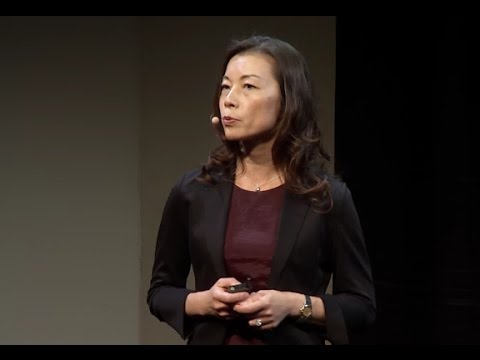
【TEDx】“Dyslexia, Learning Differently, and Innovation” | Fumiko Hoeft | TEDxSausalito
0
Sam Yemen posted on 2017/07/25Ever wondered if dyslexia could be a superpower for creativity? This fascinating TEDx talk dives into the surprising link between dyslexia, neuroimaging, and innovation, exploring how thinking differently can lead to amazing discoveries! You'll pick up advanced vocabulary related to neuroscience and creativity while learning about the evolutionary advantages of unique minds.
Learn this video on the APP!
The VoiceTube App has more in-depth practice for videos!