
a few moments
US
UK
- Phrase
- A short period of time
A2Moreability
US /əˈbɪlɪti/
UK /ə'bɪlətɪ/
- Noun (Countable/Uncountable)
- The power, resources or skill to do something
- A particular skill or talent.
A2TOEICMoreabolish
US /əˈbɑ:lɪʃ/
UK /əˈbɒlɪʃ/
- Transitive Verb
- To officially stop (a law or practice)
B1TOEICMoreancient
US /ˈenʃənt/
UK /'eɪnʃənt/
- Adjective
- Very old; having lived a very long time ago
- Relating to a period in history, especially in the distant past.
- Noun
- A person who lived in ancient times.
A2Moreanti
US /ˈæntaɪ, -ti/
UK /'æntɪ/
- Adjective
- A prefix meaning 'against' or 'opposed'
B2Moreapartheid
US /əˈpɑrtˌhaɪt, -ˌhet/
UK /əˈpɑ:tˌhaɪt, -ˌheɪt/
- Noun
- System that separated people on the basis of race
B2TOEICMorearound the world
US /əˈraʊnd ði wɜrld/
UK /əˈraund ðə wɜː(r)ld/
- Phrase
- In or to many countries.
- In various places throughout the world.
A2Moreas a result of
US
UK
- Phrase
- Because of something; owing to.
A1Moreas for
US /æz fɔr/
UK /æz fɔ:/
- Preposition
- Concerning; regarding.
- Phrase
- Used to introduce a new topic or aspect of a subject.
A1Moreas one
US
UK
- Adverb
- Acting or moving together at the same time.
- In complete agreement or unity.
- Phrase
- With a single voice or opinion; unanimously.
- In perfect harmony or unison.
A1Moreas well as
US /æz wɛl æz/
UK /æz wel æz/
- Adverb
- Also; in addition to
- Preposition
- In addition to; and also.
A1Morebased on
US
UK
- Phrasal Verb
- To use something as the foundation or starting point for something else.
- Preposition
- Using something as the main idea or foundation.
- Relying on something as evidence or justification.
A1Morecapacity
US /kəˈpæsɪti/
UK /kə'pæsətɪ/
- Noun (Countable/Uncountable)
- Ability to hold, involve or contain (e.g. liquids)
- Largest amount of something that can be produced
B1Morechallenge
US /ˈtʃæləndʒ/
UK /'tʃælɪndʒ/
- Noun (Countable/Uncountable)
- An activity you wish to try that may be hard to do
- Act of formally inviting someone to compete
- Transitive Verb
- To formally invite someone to compete at something
- To question the correctness of something
A2Moreclimate
US /ˈklaɪmɪt/
UK /ˈklaɪmət/
- Noun (Countable/Uncountable)
- Typical weather conditions in a particular place
- The general attitudes, feelings, or opinions that people have at a particular time.
A2Morecommunist
US /ˈkɑmjənɪst/
UK /ˈkɒmjənɪst/
- Adjective
- Believer in communism
- Noun
- A person who supports or believes in communism.
B1Moreconscience
US /ˈkɑnʃəns/
UK /'kɒnʃəns/
- Uncountable Noun
- Ability to sense what is right or wrong
B1Morecrisis
US /ˈkraɪsɪs/
UK /'kraɪsɪs/
- Noun (Countable/Uncountable)
- Unstable situation of extreme danger or difficulty
- A turning point in a disease.
B1Moredeal with
US /dil wɪð/
UK /di:l wið/
- Verb (Transitive/Intransitive)
- To buy or sell goods or services.
- Phrasal Verb
- To take action to solve a problem or manage a situation.
- To be about; concern.
A1Moredefeat
US /dɪˈfit/
UK /dɪ'fi:t/
- Transitive Verb
- To beat an enemy, team, disease
- To prevent something from succeeding.
- Noun
- When you lose a fight, game or competition
- The feeling of having been beaten.
B1Moredemocratic
US /ˌdɛməˈkrætɪk/
UK /ˌdeməˈkrætɪk/
- Adjective
- (Of government) giving the people power, a vote
- Based on the principle that all members have equal rights.
B2Moredemonstrate
US /ˈdɛmənˌstret/
UK /'demənstreɪt/
- Verb (Transitive/Intransitive)
- To display a feeling or ability openly
- To protest about something often as a group
A2TOEICMoredesire
US / dɪˈzaɪr/
UK /dɪ'zaɪə(r)/
- Transitive Verb
- To wish for, hope or want something
- Noun (Countable/Uncountable)
- Thing that is wished for or wanted
- A strong feeling of sexual wanting.
A2Moreelection
US /ɪˈlɛkʃən/
UK /ɪ'lekʃn/
- Noun
- Process of choosing someone by voting
B1TOEICMoreethic
US /ˈɛθɪk/
UK /ˈeθɪk/
- Noun (Countable/Uncountable)
- Set of moral principles; rules of behavior
B1Morefairness
US /ˈfernəs/
UK /ˈfeənəs/
- Uncountable Noun
- Situation when everyone is treated equally
B1Morefaith
US /feθ/
UK /feɪθ/
- Uncountable Noun
- Belief in a god or gods; religion
- Belief that that something is true without proof
- Proper Noun
- Person's name
A2TOEICMorefend
US /fɛnd/
UK /fend/
- Verb (Transitive/Intransitive)
- To try to manage for yourself without assistance
B2Moregeneration
US /ˌdʒɛnəˈreʃən/
UK /ˌdʒenəˈreɪʃn/
- Noun (Countable/Uncountable)
- Act or process of producing or causing something
- People born and living at about the same time
A2TOEICMoregot to
US /ɡɑt tu/
UK /gɔt tu:/
- Verb (Transitive/Intransitive)
- To arrive at some place
- To have the opportunity or permission to do something
- Phrasal Verb
- To appeal to the emotions of; move
- To finally begin to start something after a delay
A1Morehave to
US /hæv tu/
UK /ˈhæv tə/
- Auxiliary Verb
- Must do
A1Morehiv
US
UK
- Noun
- Infection by the human immunodeficiency virus
B1Morein difficulty
US /ɪn ˈdɪfəkəlti/
UK /in ˈdɪfikəlti/
- other
- In trouble or facing hardship.
B1Morein itself
US /ɪn ɪtˈsɛlf/
UK /in itˈself/
- Phrase
- Considered alone or without reference to anything else; intrinsically.
- Essentially; by its very nature.
in particular
US /ɪn pɚˈtɪkjəlɚ/
UK /in pəˈtikjulə/
- Phrase
- Specifically; especially.
- Detailed or precise.
A1Morein prison
US /ɪn ˈprɪzən/
UK /in ˈprizən/
- Phrase
- Confined in a prison; incarcerated.
in the long run
US
UK
- Phrase
- Eventually; over a long period of time.
A1Morein the way
US /ɪn ði we/
UK /in ðə wei/
- Phrase
- Obstructing someone or something; hindering progress.
- Stored or placed so as to be available or ready when needed.
A1Morein the world
US /ɪn ði wɜrld/
UK /in ðə wɜː(r)ld/
- Phrase
- Used to emphasize a question expressing surprise, confusion, disbelief
- Used to indicate the extent or degree of something, often in a superlative sense
A1Moreinjustice
US /ɪnˈdʒʌstɪs/
UK /ɪnˈdʒʌstɪs/
- Uncountable Noun
- Unjust act; the practice of being unjust or unfair
B1Moreinstitution
US /ˌɪnstɪˈtuʃən, -ˈtju-/
UK /ˌɪnstɪˈtju:ʃn/
- Noun (Countable/Uncountable)
- Organization created for a particular aim/purpose
- Tradition, custom or system accepted by a group
A2TOEICMoreleaflet
US /ˈliflɪt/
UK /'li:flət/
- Countable Noun
- Pages bound together, e.g. with instructions
B1TOEICMorelook at
US /lʊk æt/
UK /luk æt/
- Phrasal Verb
- To use your eyes to focus on something
- To focus your eyes on something carefully
A1Moremake for
US /mek fɔr/
UK /meik fɔ:/
- Phrasal Verb
- To go to or toward something/someone for a reason
- To result in; cause
A1Moremoral
US /ˈmɔrəl, ˈmɑr-/
UK /ˈmɒrəl/
- Adjective
- In a way considered proper and good by most people
- Uncountable Noun
- In a way considered proper and good by most people
A2TOEICMoremove along
US /muv əˈlɔŋ/
UK /mu:v əˈlɔŋ/
- Phrasal Verb
- To make progress; advance.
- To tell someone to leave or keep moving.
B1Morenext to
US /nɛkst tu/
UK /nekst tu:/
- Preposition
- Being located along side another
- In comparison with
- Adverb
- Almost; nearly
A1Moreof course
US /ʌv kɔː(r)s/
UK /ɔv kɔː(r)s/
- Adverb
- Sure ; Certainly
- Phrase
- For sure; certainly
A2Moreon the basis of
US
UK
- Phrase
- Because of; using as a reason or justification.
A1Morepartnership
US /ˈpɑ:rtnərʃɪp/
UK /ˈpɑ:tnəʃɪp/
- Noun (Countable/Uncountable)
- Shared business relationship with someone
- Working with others for some purpose
B1Morepremier
US /prɪˈmɪr,-ˈmjɪr,ˈprimɪr/
UK /'premɪə(r)/
- Adjective
- Being the most influential, important, or best
- Noun
- Prime minister of a country
- The chief administrative official in some governments.
B1Morepressure
US /ˈprɛʃɚ/
UK /'preʃə(r)/
- Noun (Countable/Uncountable)
- Anxiety caused by difficult problems
- Force, weight when pressing against a thing
- Transitive Verb
- To apply force to something
- To persuade or force someone to do something
A2TOEICMoreprime
US /praɪm/
UK /praɪm/
- Transitive Verb
- To get a person ready for; prepare someone
- To coat with paint to prepare it for the main coat
- Adjective
- Concerning the highest in quality or value
- Concerning the highest level of achievement
A2TOEICMoreproper
US /ˈprɑpɚ/
UK /'prɒpə(r)/
- Adjective
- Correct according to social or moral rules
- Behaving in a polite and socially acceptable way.
A2TOEICMorerely on
US /rɪˈlaɪ ɑn/
UK /riˈlai ɔn/
- Phrasal Verb
- To depend on someone or something
A2Morerepression
US /rɪˈprɛʃən/
UK /rɪˈpreʃn/
- Uncountable Noun
- Psych act of restricting or holding back emotions
B2Morerun by
US
UK
- Phrasal Verb
- To be managed or controlled by someone or a group.
- To show or tell something to someone briefly to get their opinion or approval.
A1Moresecurity
US /sɪˈkjʊrɪti/sə'kjurətɪ/
UK /sɪ'kjʊərətɪ/
- Noun
- Department in a company in charge of protection
- Financial document, like stocks, bonds and notes
A2TOEICMoresociety
US /səˈsaɪɪti/
UK /sə'saɪətɪ/
- Noun (Countable/Uncountable)
- A group who meet to share values or interests
- Group of people living together
A2TOEICMoretime out
US /taɪm aʊt/
UK /taim aut/
- Noun
- A brief suspension of activity; a pause.
- A period of isolation as a form of discipline.
- Verb (Transitive/Intransitive)
- To call a temporary suspension of play in a game.
A1Moreto death
US /tu dɛθ/
UK /tu: deθ/
- Phrase
- Extremely; to a great degree
- Until death
B1Moreto let
US /tu lɛt/
UK /tu let/
- Preposition
- Indicates that a property is available for rent.
A2Moreto the power of
US /tu ðə ˈpaʊɚ əv/
UK /tu ðə ˈpaʊə əv/
- other
- Indicating exponentiation in math; repeated multiplication.
B2Moretorture
US /ˈtɔrtʃɚ/
UK /'tɔ:tʃə(r)/
- Noun (Countable/Uncountable)
- Hurting someone to force them to give information
- Painful suffering or distress
- Transitive Verb
- To painfully hurt someone to get information
- To cause someone to suffer greatly; torment
B2Moreturn to
US /tɚn tu/
UK /tə:n tu:/
- Phrasal Verb
- To go to someone for help, advice, or information.
- To start doing or using something, often something bad or undesirable.
A1Moreunlock
US /ʌnˈlɑk/
UK /ˌʌn'lɒk/
- Transitive Verb
- To use a key or code to open something
B1TOEICMoreused to
US /juzd tu/
UK /ˈju:st tə/
- Adjective
- Did regularly before, but don't do now
- Auxiliary Verb
- Have done before, but do not do now
A1Morework together
US /wɚk təˈɡɛðɚ/
UK /wə:k təˈɡeðə/
- Verb (Transitive/Intransitive)
- To collaborate or cooperate with others to achieve a common goal.
A1More
Vocabulary
- got to: To arrive at some place
- deal with
- run by: To be managed or controlled by someone or a group.
- work together: To collaborate or cooperate with others to achieve a common goal.
- to death: Extremely; to a great degree
- a few moments: A short period of time
- to let: Indicates that a property is available for rent.
- as a result of: Because of something; owing to.
- as one: Acting or moving together at the same time.
- in the world: Used to emphasize a question expressing surprise, confusion, disbelief
- look at: To use your eyes to focus on something
- of course: Sure ; Certainly
- in the way: Obstructing someone or something; hindering progress.
- to the power of: Indicating exponentiation in math; repeated multiplication.
- on the basis of: Because of; using as a reason or justification.
- next to: Being located along side another
- in prison: Confined in a prison; incarcerated.
- make for: To go to or toward something/someone for a reason
- time out: A brief suspension of activity; a pause.
- have to: Must do
- move along: To make progress; advance.
- around the world: In or to many countries.
- in itself: Considered alone or without reference to anything else; intrinsically.
- as well as: Also; in addition to
- in the long run: Eventually; over a long period of time.
- rely on: To depend on someone or something
- as for: Concerning; regarding.
- based on: To use something as the foundation or starting point for something else.
- in difficulty: In trouble or facing hardship.
- in particular: Specifically; especially.
- used to: Did regularly before, but don't do now
- turn to: To go to someone for help, advice, or information.
- demonstrate: To display a feeling or ability openly
- crisis: Unstable situation of extreme danger or difficulty
- capacity: Ability to hold, involve or contain (e.g. liquids)
- sense: Certain mental feeling or emotion
- ancient: Very old; having lived a very long time ago
- common: Area in a city or town that is open to everyone
- proper: Correct according to social or moral rules
- ability: The power, resources or skill to do something
- climate: Typical weather conditions in a particular place
- prime: To get a person ready for; prepare someone
- pressure: Anxiety caused by difficult problems
- desire: To wish for, hope or want something
- society: A group who meet to share values or interests
- moral: In a way considered proper and good by most people
- ethic: Set of moral principles; rules of behavior
- challenge: An activity you wish to try that may be hard to do
- faith: Belief in a god or gods; religion
- security: Department in a company in charge of protection
- deal: To cope with something - usually troubles
- institution: Organization created for a particular aim/purpose
- generation: Act or process of producing or causing something
- torture: Hurting someone to force them to give information
- democratic: (Of government) giving the people power, a vote
- create: To make, cause, or bring into existence
- rest: Time when one relaxes, sleeps, or is inactive
- social: Involving activity with people, e.g. in free time
- defeat: To beat an enemy, team, disease
- communist: Believer in communism
- stage: To organize an event to gain public interest
- organize: To arrange and plan things, e.g. a party
- premier: Being the most influential, important, or best
- election: Process of choosing someone by voting
- conscience: Ability to sense what is right or wrong
- build: Your physical shape; physique
- modern: Of the present time; up to date; contemporary
- injustice: Unjust act; the practice of being unjust or unfair
- change: To exchange one set of clothes for another
- future: Time that is to come after the present
- great: Very good; better than before
- country: An area of land that is controlled by a government
- human: A person; a man, woman or child
- fend: To try to manage for yourself without assistance
- abolish: To officially stop (a law or practice)
- leaflet: Pages bound together, e.g. with instructions
- repression: Psych act of restricting or holding back emotions
- anti: A prefix meaning 'against' or 'opposed'
- apartheid: System that separated people on the basis of race
- partnership: Shared business relationship with someone
- fairness: Situation when everyone is treated equally
- unlock: To use a key or code to open something
- hiv: Infection by the human immunodeficiency virus
Get the full experience in the app
Learn anywhere with detailed sentence and usage analysis
01:03
She took a brave step forward, leaving behind her comfort zone to chase her dreams.
Vocabulary
- brave
adj. Having courage
- comfort zone
phr. A familiar situation where one feels safe
Explanation
a brave step is a noun phrase, where brave is an adjective modifying the noun step, meaning "a courageous step".
forward is an adverb modifying step, meaning "ahead".
The whole phrase serves as the object, answering the "what" of took (verb) — she took a brave step forward.
Get the full experience in the app
Look up words anytime with pronunciation, part of speech, and usage
brave
US/brev/
UK/breɪv/
adj.Brave
v.t.To bravely face
A2 Elementary
Get the full experience in the app
Practice speaking anytime and get instant pronunciation feedback
Try this speaking exercise.
Try practicing with this sentence.
80
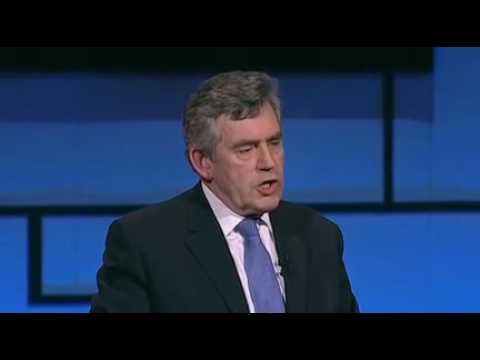
【TED】Gordon Brown: Wiring a web for global good (Gordon Brown: Wiring a web for global good)
0
無常之風 posted on 2017/07/24Ever wonder how a single image can spark global change? This powerful TED talk explores how powerful visuals and modern communication tools can unite us and inspire action on a global scale. You'll discover inspiring examples and learn how we can all contribute to a better world!
Learn this video on the APP!
The VoiceTube App has more in-depth practice for videos!