
account of
US /əˈkaʊnt ʌv/
UK /əˈkaunt ɔv/
- Noun
- A spoken or written description of an event.
- Preposition
- Because of; for the reason of.
B1Moreafter all
US /ˈæftɚ ɔl/
UK /ˈɑ:ftə ɔ:l/
- Adverb
- In spite of what was expected; used to introduce a statement that supports a previous statement or explains why it was made
- Considering everything; used to indicate that something is happening or is true despite some difficulty or obstacle
- Phrase
- Despite what was expected or thought; in spite of everything.
- Taking everything into consideration; considering that.
B1Moreagainst the law
US
UK
- Adjective
- Not allowed according to the law; illegal.
A1Moreallow for
US
UK
- Verb (Transitive/Intransitive)
- To take into consideration
A1Moreanswer to
US
UK
- Phrasal Verb
- To be responsible to someone and have to explain your actions to them.
- To correspond to or match a description or requirement.
A1Moreargument
US /ˈɑrɡjəmənt/
UK /ˈɑ:gjumənt/
- Noun (Countable/Uncountable)
- Discussion in which you disagree with someone
- A presentation of reasons for or against an idea
A2TOEICMoreat home
US /æt hom/
UK /æt həum/
- Phrase
- In one's own residence or country.
- Adjective
- Feeling comfortable and relaxed.
at last
US /æt læst/
UK /æt lɑ:st/
- Adverb
- Finally; after a long delay.
B1Moreat least
US /æt list/
UK /æt li:st/
- Adverb
- As a minimum
- Not less than
- Phrase
- No less than; at the minimum
- Used to indicate that something is positive in a bad situation.
C2Moreat sea
US /æt si/
UK /æt si:/
- Phrase
- Adjective
- Confused; not knowing what to do.
A1Moreat some point
US /æt sʌm pɔɪnt/
UK /æt sʌm pɔint/
- Phrase
- At an unspecified time, usually in the future.
A1Moreat stake
US /æt stek/
UK /æt steik/
- Phrase
- At risk; that can be lost if something is not successful
- In question; depending on what happens
- Adjective
- At risk; that can be lost if something is not successful.
A1Moreat the end of the day
US
UK
- Phrase
- Ultimately; when everything else is considered.
- After a day's work or activities.
A1Moreat the moment
US
UK
- Adverb
- At this time; now
A1Morebridge
US /brɪdʒ/
UK /brɪdʒ/
- Noun
- Structure built over river, road so you can cross
- Transitive Verb
- To make a link between; bring together
A2Morebring about
US
UK
- Phrasal Verb
- To cause to happen
A1Morebring out
US /brɪŋ aʊt/
UK /briŋ aut/
- Phrasal Verb
- To formally introduce a girl/ woman to society
- To nurture and develop or bring out a quality
A1Moreby now
US /baɪ naʊ/
UK /bai nau/
- Phrase
- At the present time or already; before the present.
A2Morecabin
US /ˈkæbɪn/
UK /'kæbɪn/
- Countable Noun
- Small basic wooden home in the countryside
- Room where you can sleep on a ship, sit in a plane
B1Morecannibalism
US /'kænɪbəlɪzəm/
UK /'kænɪbəlɪzəm/
- Uncountable Noun
- Practice of one human eating another
- The practice where an animal eats all or part of another animal of the same species.
C1Morecategorical
US /ˌkætəˈgɔ:rɪkl/
UK /ˌkætəˈgɒrɪkl/
- Adjective
- Being very clear and firm in manner
B2TOEICMorecharged with
US
UK
- Transitive Verb
- To be officially accused of something
- To entrust someone with a duty or responsibility
B1Morecome back
US /kʌm bæk/
UK /kʌm bæk/
- Phrasal Verb
- To reply to someone, often forcefully
- To be remembered
A1Morecome from
US /kʌm frʌm/
UK /kʌm frɔm/
- Phrasal Verb
- To have as your native country or city
A1Moreconsent
US /kənˈsɛnt/
UK /kən'sent/
- Intransitive Verb
- To agree or give approval to do something
- Noun (Countable/Uncountable)
- Approval, agreement (for something to happen)
- Official permission to do something
B1Morecrew
US /kru/
UK /kru:/
- Countable Noun
- Organized group of workers (e.g. on a ship)
- Skilled group of people working together on a task
- Intransitive Verb
- To work as part of a crew.
A2TOEICMoredefense
US /dɪˈfɛns/
UK /dɪ'fens/
- Noun (Countable/Uncountable)
- Argument in support of something
- The process of protecting something from attack
B1TOEICMoredesperate
US /ˈdɛspərɪt/
UK /ˈdespərət/
- Adjective
- Being beyond hope; prepared to do anything
- State of urgently wanting to go to the toilet
A2Moredisagree with
US /ˌdɪsəˈɡri wɪð/
UK /ˌdisəˈɡri: wið/
- Phrasal Verb
- To have a different opinion from someone else.
- Intransitive Verb
- To cause someone to feel ill or uncomfortable.
A1Morediscussion
US /dɪˈskʌʃən/
UK /dɪˈskʌʃn/
- Noun (Countable/Uncountable)
- Any long communication about a particular topic
- A detailed treatment of a topic in writing.
A2TOEICMoredo in
US
UK
- Phrasal Verb
- To make completely tired out and exhausted
- To destroy or cause damage to someone
A1Moredown the track
US /daʊn ðə ˈtræk/
UK /daun ðə ˈtræk/
- other
- At some point in the future.
B2Moreevasion
US /ɪˈveʒən/
UK /ɪˈveɪʒn/
- Uncountable Noun
- Act of evading; trying to escape from something
C1Moreexcept for
US /ɪkˈsɛpt fɔr/
UK /ikˈsept fɔ:/
- Preposition
- Not including; excluding.
feel like
US
UK
- Intransitive Verb
- To have a desire or inclination for something.
- To have a particular quality or sensation; resemble.
A1Morefirst three
US
UK
- Determiner
- The initial three items or elements in a series or sequence.
- Adjective
- Referring to the top three positions in a ranking or competition.
A1Morefor some reason
US /fɔr sʌm ˈrizən/
UK /fɔ: sʌm ˈri:zən/
- Phrase
- For a reason that is not known or not easily explained.
A1Morefor sure
US /fɔr ʃʊr/
UK /fɔ: ʃuə/
- Adverb
- Definitely; certainly; without a doubt.
- Used to emphasize a statement.
- Interjection
- An expression of strong agreement or affirmation.
A2Morefor the most part
US
UK
- Phrase
- Generally; mostly; on the whole.
- Mostly; generally; in most cases.
A1Morefor the sake of
US /fɔr ði sek ʌv/
UK /fɔ: ðə seik ɔv/
- Phrase
- For the purpose of; in the interest of.
A1Morefund
US /fʌnd/
UK /fʌnd/
- Transitive Verb
- To supply money for something
- Noun (Countable/Uncountable)
- Money collected, saved, or provided for a purpose
- A specific account into which you put money
A2TOEICMorego ahead
US /ɡo əˈhɛd/
UK /ɡəu əˈhed/
- Phrasal Verb
- To start an activity; start doing, working etc.
- To give permission to do something
- Intransitive Verb
- To start or proceed with something
- To proceed despite potential obstacles or doubts.
A1Morego straight
US /ɡo stret/
UK /ɡəu streit/
- Intransitive Verb
- To continue in the same direction without turning.
- To start living an honest and law-abiding life.
A1Moregoing on
US /ˈɡoɪŋ ɑn/
UK /ˈgəʊɪŋ ɔn/
- Phrasal Verb
- To continue doing something
- To happen (usually negative)
A1Moregot to
US /ɡɑt tu/
UK /gɔt tu:/
- Verb (Transitive/Intransitive)
- To arrive at some place
- To have the opportunity or permission to do something
- Phrasal Verb
- To appeal to the emotions of; move
- To finally begin to start something after a delay
A1Morehang on
US /hæŋ ɑn/
UK /hæŋ ɔn/
- Phrasal Verb
- To wait for the person you phoned to answer
- To persevere or persist, especially in a difficult situation.
A2Morehappiness
US /ˈhæpɪnɪs/
UK /'hæpɪnəs/
- Uncountable Noun
- State of feeling pleased; feeling of satisfaction
- A feeling of joy and contentment
A2Morehave to
US /hæv tu/
UK /ˈhæv tə/
- Auxiliary Verb
- Must do
A1Morehome in
US /ˈhoʊm ɪn/
UK /ˈhəum ɪn/
- other
- Move or direct toward a specific target or goal.
B2Morein another way
US
UK
- Phrase
- Using a different method or approach.
- Stated differently; put in other words.
in any case
US /ɪn ˈɛni kes/
UK /in ˈeni keis/
- Phrase
- Whatever happens; regardless of what has happened or may happen.
A1Morein effect
US /ɪn ɪˈfɛkt/
UK /in iˈfekt/
- Phrase
- In reality; in practice; virtually
A1Morein every way
US /ɪn ˈɛvri we/
UK /in ˈevri wei/
- Phrase
- In all manners or respects; completely.
A1Morein fact
US /ɪn fækt/
UK /in fækt/
- Adverb
- Used to emphasize the truth of a statement, especially one that contrasts with or contradicts something else.
- Used to introduce a more detailed or surprising piece of information.
- Phrase
- Used to emphasize the truth of a statement, especially one that is surprising or contrary to what might be expected.
C1Morein hand
US /ɪn hænd/
UK /in hænd/
- Phrase
- In one's possession or control.
in order to
US /ɪn ˈɔrdɚ tu/
UK /in ˈɔ:də tu:/
- Preposition
- For the purpose of; with the aim of.
- Phrase
- In a specific sequence or arrangement.
- With the aim of; for the purpose of.
C1Morein other words
US
UK
- Phrase
- Stating something in a different way, often to make it clearer or more understandable.
in particular
US /ɪn pɚˈtɪkjəlɚ/
UK /in pəˈtikjulə/
- Phrase
- Specifically; especially.
- Detailed or precise.
A1Morein public
US /ɪn ˈpʌblɪk/
UK /in ˈpʌblik/
- Phrase
- In a place where anyone can see or hear you.
- Adjective
- Relating to the government or the people as a whole.
B1Morein sight
US /ɪn saɪt/
UK /in sait/
- Phrase
- Visible; able to be seen.
- Near to being achieved; imminent.
in the end
US /ɪn ði ɛnd/
UK /in ðə end/
- Phrase
- Finally; after a period of time or series of events.
- Ultimately; as the final result or consequence.
A1Morein the face of
US //ɪn ðə feɪs ɑv//
UK
- Phrase
- When confronted with something difficult or challenging.
- Despite; in defiance of; when confronted with.
A1Morein the light of
US /ɪn ðə ˈlaɪt ʌv/
UK /in ðə ˈlaɪt ɔv/
- other
- Considering new information or facts.
B2Morein the way
US /ɪn ði we/
UK /in ðə wei/
- Phrase
- Obstructing someone or something; hindering progress.
- Stored or placed so as to be available or ready when needed.
A1Morein vain
US /ɪn ven/
UK /in vein/
- Phrase
- Without success or result; futilely.
C1Moreinstead of
US /ɪnˈstɛd ʌv/
UK /inˈsted ɔv/
- Preposition
- When one thing is replaced by another
- Adverb
- As a substitute or alternative.
A1Moreinvestigate
US /ɪnˈvɛstɪˌɡet/
UK /ɪn'vestɪɡeɪt/
- Verb (Transitive/Intransitive)
- To try to find out facts; to carry out research
A2Morejustify
US /ˈdʒʌstəˌfaɪ/
UK /ˈdʒʌstɪfaɪ/
- Transitive Verb
- To give good reasons for something
B1TOEICMorelook after
US /lʊk ˈæftɚ/
UK /luk ˈɑ:ftə/
- Phrasal Verb
- To take care of someone or something
A1Morelook at
US /lʊk æt/
UK /luk æt/
- Phrasal Verb
- To use your eyes to focus on something
- To focus your eyes on something carefully
A1Morelost innocence
US
UK
- Uncountable Noun
- The state of having lost the quality of being innocent; a loss of purity or naiveté.
- Adjective
- Describing a time or situation where purity and naiveté have been lost.
C1Morelottery
US /ˈlɑtəri/
UK /'lɒtərɪ/
- Countable Noun
- Betting game of buying tickets to win money
- Condition in which outcome is determined by luck
B2Moremajority
US /məˈdʒɔrɪti, -ˈdʒɑr-/
UK /mə'dʒɒrətɪ/
- Noun (Countable/Uncountable)
- Amount that is more than half of a group
- The age at which a person is legally considered an adult.
B1TOEICMoremoral
US /ˈmɔrəl, ˈmɑr-/
UK /ˈmɒrəl/
- Adjective
- In a way considered proper and good by most people
- Uncountable Noun
- In a way considered proper and good by most people
A2TOEICMoremorality
US /məˈrælɪti, mɔ-/
UK /mə'rælətɪ/
- Uncountable Noun
- Beliefs or ideas about what is right and wrong
A2Moremorally
US /ˈmɔrəlɪ/
UK /ˈmɒrəli/
- Adverb
- According to ideas about right and wrong
A2Moremurder
US /ˈmɚdɚ/
UK /'mɜ:də(r)/
- Noun
- Something that is difficult or painful to do
- Crime of deliberately killing a person
- Transitive Verb
- To intentionally kill a person
- To spoil, ruin something by doing it poorly
A2Morenecessity
US /nəˈsɛsɪti/
UK /nəˈsesəti/
- Noun (Countable/Uncountable)
- Something that you must have or do
- The state of being forced to do something because it is required.
B1TOEICMorenext to
US /nɛkst tu/
UK /nekst tu:/
- Preposition
- Being located along side another
- In comparison with
- Adverb
- Almost; nearly
A1Moreobjection
US /əbˈdʒɛkʃən/
UK /əbˈdʒekʃn/
- Noun
- Dealing with, based on, or influenced by facts
- Reason for not supporting or agreeing with a plan
A2TOEICMoreof choice
US /əv tʃɔɪs/
UK /əv tʃɔɪs/
- other
- Indicating something is preferred or selected deliberately.
B2Moreof course
US /ʌv kɔː(r)s/
UK /ɔv kɔː(r)s/
- Adverb
- Sure ; Certainly
- Phrase
- For sure; certainly
A2Moreon hand
US /ɑn hænd/
UK /ɔn hænd/
- Adverb
- Present and available; in attendance.
- Phrase
- Available; readily accessible.
A1Moreon reflection
US /ɑn rɪˈflɛkʃən/
UK /ɔn riˈflekʃən/
- Preposition
- After thinking carefully or reconsidering something.
B2Moreon to
US /ɑn tu/
UK /ɔn tu:/
- Preposition
- Toward something; forward
- Aware of someone's activities.
- Adjective
- Aware of someone's deception or illegal activities.
A1Moreonce and for all
US /wʌns ənd fɔr ɔl/
UK /wʌns ænd fɔ: ɔ:l/
- Phrase
- Completely and finally; decisively.
- In a definitive and conclusive manner.
A2Moreorgan
US /ˈɔrɡən/
UK /'ɔ:ɡən/
- Noun (Countable/Uncountable)
- Part of a person's body with a particular function
- Large institution or body
B1Morepermissible
US /pɚˈmɪsəbəl/
UK /pəˈmɪsəbl/
- Adjective
- That is allowed; allowable
B2Morephilosopher
US /fɪˈlɑsəfɚ/
UK /fəˈlɒsəfə(r)/
- Noun (Countable/Uncountable)
- Person studying the meaning of truth and life
- A person who is calm and wise; someone who lives by philosophical principles.
C1Morephilosophical
US /ˌfɪləˈsɑ:fɪkl/
UK /ˌfɪləˈsɒfɪkl/
- Adjective
- Reacting calmly/reasonably if things are difficult
- Concerning philosophy
C1TOEICMorephilosophy
US /fɪˈlɑsəfi/
UK /fə'lɒsəfɪ/
- Uncountable Noun
- Study of ideas about the basic nature of life
- Attitude to life that a person has
C1Morepolitical
US /pəˈlɪtɪkəl/
UK /pəˈlɪtɪkl/
- Adjective
- Being active or interested in government matters
- Diplomatic
A2Moreprinciple
US /ˈprɪnsəpəl/
UK /ˈprɪnsəpl/
- Noun (Countable/Uncountable)
- Moral rule or belief governing a person's behavior
- Natural law that explains how things work
A2TOEICMoreprocedure
US /prəˈsidʒɚ/
UK /prəˈsi:dʒə(r)/
- Noun
- A medical operation
- Usual or standard steps taken to do something
B1TOEICMoreput aside
US
UK
- Phrasal Verb
- To save money regularly.
- To temporarily ignore or forget something, such as a disagreement or problem.
A1Morerather than
US
UK
- Adverb
- More exactly; more correctly
- Preferably; instead
- Preposition
- Instead of
A1Morereflect upon
US
UK
- Phrasal Verb
- To think deeply or carefully about something.
B2Moreregardless of
US /rɪˈɡɑrdlɪs ʌv/
UK /riˈɡɑ:dlis ɔv/
- Phrase
- Preposition
- Without being affected or influenced by something; despite.
A2Morerescue
US /ˈrɛskju/
UK /'reskju:/
- Transitive Verb
- To save someone who is in danger or in trouble
- To provide financial assistance to save a company or economy from collapse.
- Noun (Countable/Uncountable)
- Act of saving someone in danger or in trouble
- An act of saving someone or something from a dangerous or difficult situation.
A2TOEICMoresacrifice
US /ˈsækrəˌfaɪs/
UK /'sækrɪfaɪs/
- Noun
- Person/animal killed in a sacrifice (to a god)
- Person/animal killed to please a god
- Transitive Verb
- To kill an animal or human to please a god
- To give up your life for others, for a cause etc.
B1Moreshare in
US /ʃɛr ɪn/
UK /ʃɛə in/
- Phrasal Verb
- To participate in something; to have a part or interest in something.
- To receive a portion of something, such as profits or losses.
A1Moresigned on to
US
UK
- Phrasal Verb
- To formally agree to something, often by signing a document.
- To hire someone, especially for a specific project or period.
A1Moreskepticism
US /ˈskɛptɪˌsɪzəm/
UK /'skeptɪsɪzəm/
- Uncountable Noun
- Doubting that something is true/probable/useful
C2Moresound right
US
UK
- Intransitive Verb
- To seem correct or accurate.
steering
US /ˈstɪrɪŋ/
UK /ˈstɪərɪŋ/
- Transitive Verb
- To control the direction in which something moves
B1Morestep back
US /stɛp bæk/
UK /step bæk/
- Phrasal Verb
- To move backwards; to move away from something.
- To take a break from something; to gain perspective.
A1Moresuppose
US /səˈpoʊz/
UK /sə'pəʊz/
- Verb (Transitive/Intransitive)
- To imagine or guess what might happen
- Conjunction
- What if
A2TOEICMoresurvive
US /sɚˈvaɪv/
UK /sə'vaɪv/
- Intransitive Verb
- To continue to live despite illness or trouble
A2TOEICMoreswayed
US
UK
- Verb (Transitive/Intransitive)
- To change your opinion or position often
- To influence a person's thoughts/opinion; persuade
- Intransitive Verb
- To move slowly from side to side
B2Morethe following
US
UK
- Adjective
- Next in order or sequence.
- Uncountable Noun
- What is about to be said or written.
B1Morethink back
US /θɪŋk bæk/
UK /θiŋk bæk/
- Phrasal Verb
- To recapture the past
A1Morethrow the book at
US /θroʊ ðə bʊk æt/
UK /θrəu ðə bʊk æt/
- other
- To punish someone as severely as possible.
B2Moreto do with
US
UK
- Phrasal Verb
- To be about something; concern
A1Moretogether with
US /təˈɡɛðɚ wɪð/
UK /təˈɡeðə wið/
- Preposition
- In addition to; along with.
- Including; as well as.
A1Moretrack
US /træk/
UK /træk/
- Transitive Verb
- To use marks to follow a wild animal
- To move a certain way/follow a particular course
- Noun
- A circular course for running
- Course or way someone takes, e.g. in education
A2TOEICMoretrolley
US /ˈtrɑ:li/
UK /ˈtrɒli/
- Noun (Countable/Uncountable)
- Cart with wheels, e.g. in a supermarket or airport
B2Moreturn to
US /tɚn tu/
UK /tə:n tu:/
- Phrasal Verb
- To go to someone for help, advice, or information.
- To start doing or using something, often something bad or undesirable.
A1Moreturned out
US
UK
- Phrasal Verb
- To arrive for a public event or entertainment
- To happen to be in the end
- Transitive Verb
- To extinguish or switch off lights.
A1Moreunder the circumstances
US
UK
- Phrase
- Considering the situation; given the facts.
utility
US /juˈtɪləti/
UK /ju:ˈtɪləti/
- Noun (Countable/Uncountable)
- Public services such as gas, water, or electricity
- Something useful, especially a tool or piece of equipment.
- Uncountable Noun
- Fact of being useful; usefulness
- The capacity to be useful and provide satisfaction
B1Morewipe out
US
UK
- Phrasal Verb
- To destroy or be destroyed
- To fall off a surfboard or skis.
A2Moreyank
US /jæŋk/
UK /jæŋk/
- Transitive Verb
- To pull or tug on something
C1More
Vocabulary
- have to: Must do
- at least: As a minimum
- go ahead: To start an activity; start doing, working etc.
- in any case: Whatever happens; regardless of what has happened or may happen.
- do in: To make completely tired out and exhausted
- to do with: To be about something; concern
- look at: To use your eyes to focus on something
- got to: To arrive at some place
- feel like: To have a desire or inclination for something.
- down the track: At some point in the future.
- go straight: To continue in the same direction without turning.
- in order to: For the purpose of; with the aim of.
- next to: Being located along side another
- step back: To move backwards; to move away from something.
- at the end of the day: Ultimately; when everything else is considered.
- at stake: At risk; that can be lost if something is not successful
- the following: Next in order or sequence.
- at sea
- in fact: Used to emphasize the truth of a statement, especially one that contrasts with or contradicts something else.
- at some point: At an unspecified time, usually in the future.
- turned out: To arrive for a public event or entertainment
- instead of: When one thing is replaced by another
- going on: To continue doing something
- at home: In one's own residence or country.
- for sure: Definitely; certainly; without a doubt.
- turn to: To go to someone for help, advice, or information.
- wipe out: To destroy or be destroyed
- in the way: Obstructing someone or something; hindering progress.
- of choice: Indicating something is preferred or selected deliberately.
- come back: To reply to someone, often forcefully
- sound right: To seem correct or accurate.
- for some reason: For a reason that is not known or not easily explained.
- in another way: Using a different method or approach.
- look after: To take care of someone or something
- except for: Not including; excluding.
- for the sake of: For the purpose of; in the interest of.
- regardless of
- bring out: To formally introduce a girl/ woman to society
- lost innocence: The state of having lost the quality of being innocent; a loss of purity or naiveté.
- in public: In a place where anyone can see or hear you.
- for the most part: Generally; mostly; on the whole.
- allow for: To take into consideration
- rather than: More exactly; more correctly
- in the face of: When confronted with something difficult or challenging.
- once and for all: Completely and finally; decisively.
- after all: In spite of what was expected; used to introduce a statement that supports a previous statement or explains why it was made
- answer to: To be responsible to someone and have to explain your actions to them.
- reflect upon: To think deeply or carefully about something.
- in particular: Specifically; especially.
- in the light of: Considering new information or facts.
- on reflection: After thinking carefully or reconsidering something.
- bring about: To cause to happen
- on hand: Present and available; in attendance.
- account of: A spoken or written description of an event.
- first three: The initial three items or elements in a series or sequence.
- together with: In addition to; along with.
- by now: At the present time or already; before the present.
- in sight: Visible; able to be seen.
- share in: To participate in something; to have a part or interest in something.
- at last: Finally; after a long delay.
- in effect: In reality; in practice; virtually
- put aside: To save money regularly.
- charged with: To be officially accused of something
- against the law: Not allowed according to the law; illegal.
- in other words: Stating something in a different way, often to make it clearer or more understandable.
- in the end: Finally; after a period of time or series of events.
- hang on: To wait for the person you phoned to answer
- in hand: In one's possession or control.
- disagree with: To have a different opinion from someone else.
- under the circumstances: Considering the situation; given the facts.
- in vain: Without success or result; futilely.
- of course: Sure ; Certainly
- at the moment: At this time; now
- throw the book at: To punish someone as severely as possible.
- in every way: In all manners or respects; completely.
- home in: Move or direct toward a specific target or goal.
- think back: To recapture the past
- come from: To have as your native country or city
- signed on to: To formally agree to something, often by signing a document.
- on to: Toward something; forward
- wrong: Action that is harmful, unjust or illegal
- people: Persons sharing culture, country, background, etc.
- car: A vehicle with wheels and engine to carry people
- die: Cube with dots numbering 1-6 on it used in games
- fat: Amount beyond what is usual or necessary
- question: To ask for or try to get information
- good: Proper, appropriate or right
- hear: To be aware of sound; to perceive with the ear
- person: Man, woman or child
- time: Speed at which music is played; tempo
- life: All the living things e.g. animals, plants, humans
- man: Humans in general, including male and female
- choose: To select; decide between several possibilities
- read: Person's name
- make: To arrange or prepare something e.g. dinner
- case: Container used to carry things, e.g. clothes
- reason: To think and make conclusions in a logical manner
- suppose: To imagine or guess what might happen
- idea: Belief, thought, suggestion, opinion or plan
- kill: To cause someone to experience a lot of pain
- story: One of many floors or levels in a building
- save: To make your computer keep a file
- bridge: Structure built over river, road so you can cross
- turn: To become (a particular age)
- push: To move into enemy country with a military attack
- notice: To become aware by sight, touch, or hearing
- ship: Large boat
- fair: Neither very good nor very bad; average
- guess: To give an answer without knowing if it is correct
- noticed: To become aware by sight, touch, or hearing
- lottery: Betting game of buying tickets to win money
- murder: Something that is difficult or painful to do
- cabin: Small basic wooden home in the countryside
- track: To use marks to follow a wild animal
- political: Being active or interested in government matters
- act: To behave in a certain way
- permissible: That is allowed; allowable
- situation: Place, position or area that something is in
- rescue: To save someone who is in danger or in trouble
- happiness: State of feeling pleased; feeling of satisfaction
- defense: Argument in support of something
- argument: Discussion in which you disagree with someone
- crew: Organized group of workers (e.g. on a ship)
- discussion: Any long communication about a particular topic
- choice: Decision between two or more possibilities
- moral: In a way considered proper and good by most people
- morally: According to ideas about right and wrong
- trolley: Cart with wheels, e.g. in a supermarket or airport
- philosophy: Study of ideas about the basic nature of life
- procedure: A medical operation
- survive: To continue to live despite illness or trouble
- steering: To control the direction in which something moves
- majority: Amount that is more than half of a group
- philosophical: Reacting calmly/reasonably if things are difficult
- philosopher: Person studying the meaning of truth and life
- objection: Dealing with, based on, or influenced by facts
- investigate: To try to find out facts; to carry out research
- justify: To give good reasons for something
- desperate: Being beyond hope; prepared to do anything
- morality: Beliefs or ideas about what is right and wrong
- consent: To agree or give approval to do something
- sacrifice: Person/animal killed in a sacrifice (to a god)
- principle: Moral rule or belief governing a person's behavior
- necessity: Something that you must have or do
- fund: To supply money for something
- organ: Part of a person's body with a particular function
- categorical: Being very clear and firm in manner
- consequentialist: A person who believes in consequentialism, the ethical theory that the consequences of actions are the primary basis for moral judgment.
- skepticism: Doubting that something is true/probable/useful
- utility: Public services such as gas, water, or electricity
- evasion: Act of evading; trying to escape from something
- swayed: To change your opinion or position often
- yank: To pull or tug on something
- utilitarianism: Doctrine that what is useful is good
- cannibalism: Practice of one human eating another
Get the full experience in the app
Learn anywhere with detailed sentence and usage analysis
01:03
She took a brave step forward, leaving behind her comfort zone to chase her dreams.
Vocabulary
- brave
adj. Having courage
- comfort zone
phr. A familiar situation where one feels safe
Explanation
a brave step is a noun phrase, where brave is an adjective modifying the noun step, meaning "a courageous step".
forward is an adverb modifying step, meaning "ahead".
The whole phrase serves as the object, answering the "what" of took (verb) — she took a brave step forward.
Get the full experience in the app
Look up words anytime with pronunciation, part of speech, and usage
brave
US/brev/
UK/breɪv/
adj.Brave
v.t.To bravely face
A2 Elementary
Get the full experience in the app
Practice speaking anytime and get instant pronunciation feedback
Try this speaking exercise.
Try practicing with this sentence.
80
0
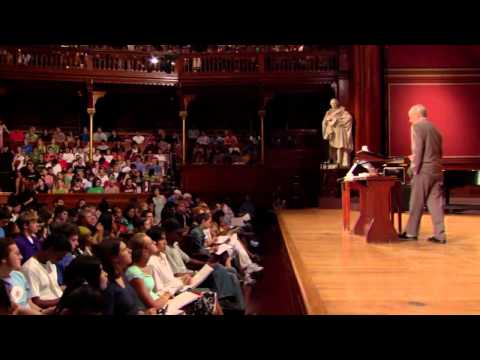
Chia Chia Chang posted on 2013/07/13Ever wondered what the 'Trolley Problem' is all about? This video dives into fascinating ethical dilemmas like the Trolley Problem and the case of Dudley and Stephens, helping you understand core ideas like Utilitarianism and Deontology. You'll pick up advanced vocabulary and gain cultural depth from this engaging Harvard lecture!
Learn this video on the APP!
The VoiceTube App has more in-depth practice for videos!