
as a matter of fact
US /æz e ˈmætɚ ʌv fækt/
UK /æz ə ˈmætə ɔv fækt/
- Phrase
- In reality; actually; used to emphasize the truth of a statement, often when it differs from what someone might expect or believe.
- In reality; actually; used to emphasize the truth of a statement, often one that contrasts with or contradicts a previous statement.
C2Moreat least
US /æt list/
UK /æt li:st/
- Adverb
- As a minimum
- Not less than
- Phrase
- No less than; at the minimum
- Used to indicate that something is positive in a bad situation.
C2Moreattentive
US /əˈtɛntɪv/
UK /əˈtentɪv/
- Adjective
- Thoughtful and considerate
- Paying attention to; concentrating on
B2TOEICMorebrainstorm
US /ˈbreɪnstɔ:rm/
UK /ˈbreɪnstɔ:m/
- Verb (Transitive/Intransitive)
- To discuss concepts, ideas or solutions
- Countable Noun
- Group discussion about concepts or ideas
C1Morecalendar
US /ˈkæləndɚ/
UK /ˈkælɪndə(r)/
- Noun (Countable/Uncountable)
- A table showing the days, months and years
- A system for organizing days, weeks, months, and years.
B1Morecapable
US /ˈkepəbəl/
UK /'keɪpəbl/
- Adjective
- Being able to do something very well; proficient
- Having the ability, fitness, or quality necessary to do or achieve a specified thing.
A2Morecigarette
US /ˈsɪgəret/
UK /ˌsɪgəˈret/
- Noun (Countable/Uncountable)
- White paper tube filled with tobacco
- The act of smoking a cigarette.
B1Morecomment
US /ˈkɑmɛnt/
UK /'kɒment/
- Noun (Countable/Uncountable)
- Something you say, giving an opinion; remark
- An explanatory note in a computer program.
- Verb (Transitive/Intransitive)
- To say something that gives your opinion
- To add explanatory notes to a computer program.
A2Morecommunicate
US /kəˈmjunɪˌket/
UK /kə'mju:nɪkeɪt/
- Verb (Transitive/Intransitive)
- To give and exchange information
- To convey or make known (information, feelings, etc.)
A2Moreconcentrate
US /ˈkɑnsənˌtret/
UK /'kɒnsntreɪt/
- Verb (Transitive/Intransitive)
- To cause to be present in large amount or number
- To pay great attention to a task; focus
- Noun (Countable/Uncountable)
- A substance made by removing water or other diluents; a concentrated form of something.
A2Morecowboy
US /ˈkaʊˌbɔɪ/
UK /ˈkaʊbɔɪ/
- Countable Noun
- Man who tends cattle or sheep (often from a horse)
B2Moredespite the fact
US
UK
- Preposition
- In spite of; notwithstanding.
- Conjunction
- Even though; although.
A2Moredisease
US /dɪˈziz/
UK /dɪˈzi:z/
- Noun (Countable/Uncountable)
- Illness that affects a person, animal, or plant
- A disorder of structure or function in a plant, especially one caused by a pathogen.
- Transitive Verb
- To affect with disease; to corrupt or sicken.
A2TOEICMoredrawer
US /ˈdrɔɚ/
UK /drɔ:(r)/
- Countable Noun
- Sliding box of a desk, closet used to store things
- An undergarment covering the lower part of the body and having two holes for the legs.
B1Moreelement
US /ˈɛləmənt/
UK /'elɪmənt/
- Noun (Countable/Uncountable)
- Essential or particular part of something
- A substance that cannot be broken down into simpler substances by chemical means.
A2TOEICMoreexceed
US /ɪkˈsid/
UK /ɪk'si:d/
- Transitive Verb
- To be greater in number, degree than something
- To go above or beyond a limit or rule
B1TOEICMoreexcess
US /ˈɛkˌsɛs/
UK /ɪkˈses/
- Noun (Countable/Uncountable)
- Amount that is more than necessary or over a limit
- An extra amount.
- Verb (Transitive/Intransitive)
- To be more than or go beyond.
B1Morefirst three
US
UK
- Determiner
- The initial three items or elements in a series or sequence.
- Adjective
- Referring to the top three positions in a ranking or competition.
A1Moreflash
US /flæʃ/
UK /flæʃ/
- Intransitive Verb
- To appear suddenly and briefly
- To shine brightly very suddenly and briefly
- Noun (Countable/Uncountable)
- Sudden and brief appearance of something
- Light used by a camera to brighten the area
B1Morefor example
US
UK
- Phrase
- As an illustration or instance.
gigabyte
US /ˈdʒɪɡəˌbaɪt, ˈɡɪɡ-/
UK /ˈgɪgəbaɪt/
- Noun
- -1,073,741,824 Bytes of data
C2Moregive up
US /ɡɪv ʌp/
UK /ɡiv ʌp/
- Phrasal Verb
- To lose hope or admit defeat
- To decide to not start to try solving a problem
- Verb Phrase
- to surrender an item; hand over an item
A1Moreillusion
US /ɪˈluʒən/
UK /ɪ'lu:ʒn/
- Noun (Countable/Uncountable)
- Idea, image or impression that is not correct
- Something that deceives by producing a false or misleading impression of reality.
B2Morein fact
US /ɪn fækt/
UK /in fækt/
- Adverb
- Used to emphasize the truth of a statement, especially one that contrasts with or contradicts something else.
- Used to introduce a more detailed or surprising piece of information.
- Phrase
- Used to emphasize the truth of a statement, especially one that is surprising or contrary to what might be expected.
C1Moreinterchange
US /ˌɪntɚˈtʃendʒ/
UK /'ɪntətʃeɪndʒ/
- Noun (Countable/Uncountable)
- Exchange of something, e.g. ideas or information
- Place where two roads or highways meet
- Transitive Verb
- To put one thing in the place of another
B2Moreknow about
US /noʊ əˈbaʊt/
UK /nəʊ əˈbaut/
- Phrasal Verb
- To have information or understanding of a subject or situation.
least expect it
US
UK
- Phrase
- When something happens at the time you are not expecting it.
A2Moremultiply
US /ˈmʌltəˌplaɪ/
UK /ˈmʌltɪplaɪ/
- Verb (Transitive/Intransitive)
- To increase in number by reproducing/having babies
- To increase something by a large quantity
B1Moremysterious
US /mɪˈstɪriəs/
UK /mɪˈstɪəriəs/
- Adjective
- Unusual; hard to understand or work out
A2Moreon the table
US /ɑn ði ˈtebəl/
UK /ɔn ðə ˈteibl/
- Phrase
- Located on the surface of a table.
- Available for consideration or discussion.
A1Morepause
US /pɔz/
UK /pɔ:z/
- Verb (Transitive/Intransitive)
- To stop doing for a while before continuing
- To temporarily interrupt the execution of a program or process.
- Noun (Countable/Uncountable)
- A temporary break before continuing
- Function on a device to stop and restart it
A2Morepile
US /paɪl/
UK /paɪl/
- Noun (Countable/Uncountable)
- Large amount of something
- Group of things one on top of another
- Verb (Transitive/Intransitive)
- (E.g. of problems) to increase; get more or worse
- To place things on top of each other; to heap up.
B1TOEICMorepistol
US /ˈpɪstəl/
UK /'pɪstl/
- Noun
- Small hand gun
B1Morepour
US /pɔr, por/
UK /pɔ:(r)/
- Verb (Transitive/Intransitive)
- To fill a person's glass or cup with a drink
- To make something flow in a steady stream
A2Morepre
US
UK
- Prefix
- A prefix meaning 'before'
B2Morepredict
US /prɪˈdɪkt/
UK /prɪ'dɪkt/
- Transitive Verb
- To guess or estimate what will or might happen
A2TOEICMorepresentation
US /ˌprɛzənˈteʃən, ˌprizən-/
UK /ˌpreznˈteɪʃn/
- Noun (Countable/Uncountable)
- Act of giving a formal talk about something
- Way in which something is displayed or shown
A2Moreprovoke
US /prəˈvoʊk/
UK /prəˈvəʊk/
- Transitive Verb
- To deliberately annoy to make someone aggressive
B2TOEICMorerare
US /rɛr/
UK /reə(r)/
- Adjective
- (Of meat) cooked, but still red and juicy
- Unusual or out of the ordinary; not common
A2Moreriddle
US /ˈrɪdl/
UK /'rɪdl/
- Countable Noun
- Amusing question that has a clever or funny answer
B1TOEICMoresee in
US /si ɪn/
UK /si: in/
- Phrasal Verb
- To accompany someone to the entrance of a building or room.
A1Morespill
US /spɪl/
UK /spɪl/
- Noun
- Accident when someone falls
- Act of allowing a fluid to escape
- Verb (Transitive/Intransitive)
- To come out of and spread beyond limits
- To tell secrets or let information escape
B1Morestruggle
US /ˈstrʌɡəl/
UK /'strʌɡl/
- Verb (Transitive/Intransitive)
- To try very hard to do something difficult
- To fight or struggle violently
- Noun (Countable/Uncountable)
- Strong efforts made to do something difficult
- A difficult or challenging situation or task
A2Moresuicide
US /ˈsuɪˌsaɪd/
UK /'su:ɪsaɪd/
- Noun
- Act of purposely killing yourself
- Act that ruins a person's career, status etc.
B2Moresummon
US /ˈsʌmən/
UK /'sʌmən/
- Transitive Verb
- To order someone to come, e.g. to a court of law
B1Moreswitch
US /swɪtʃ/
UK /swɪtʃ/
- Noun
- A change or shift from one method to another
- Thing you move to turn electrical items on or off
- Transitive Verb
- To exchange or replace something for another thing
A2TOEICMorethumbs up
US
UK
- Noun
- A gesture of approval or agreement, indicated by holding a fist with the thumb extended upwards.
- A positive rating or vote on social media or online platforms.
- Noun (plural)
- Multiple gestures of approval or agreement made by extending the thumbs upward.
A1Moretrick
US /trɪk/
UK /trɪk/
- Transitive Verb
- To fool someone in order to obtain a result
- To playfully tease or fool to make someone laugh
- Noun (Countable/Uncountable)
- Act of trying to fool someone
- Quick or skillful way of doing something
A2Moretunnel
US /ˈtʌnəl/
UK /'tʌnl/
- Noun (Countable/Uncountable)
- Passage under the ground, often for cars or trains
- Noun
- As if looking in a long hole
B1Moreunfinished
US /ʌnˈfɪnɪʃt/
UK /ʌnˈfɪnɪʃt/
- Adjective
- Not yet ended; not complete; still being done
C2Morewith it
US /wɪð ɪt/
UK /wið it/
- Adjective
- Intelligent, alert, and up-to-date.
- Understanding and knowledgeable about current trends or information.
A1More
Vocabulary
- with it: Intelligent, alert, and up-to-date.
- for example: As an illustration or instance.
- thumbs up: A gesture of approval or agreement, indicated by holding a fist with the thumb extended upwards.
- on the table: Located on the surface of a table.
- at least: As a minimum
- give up: To lose hope or admit defeat
- first three: The initial three items or elements in a series or sequence.
- as a matter of fact: In reality; actually; used to emphasize the truth of a statement, often when it differs from what someone might expect or believe.
- least expect it: When something happens at the time you are not expecting it.
- see in: To accompany someone to the entrance of a building or room.
- in fact: Used to emphasize the truth of a statement, especially one that contrasts with or contradicts something else.
- despite the fact: In spite of; notwithstanding.
- know about: To have information or understanding of a subject or situation.
- struggle: To try very hard to do something difficult
- illusion: Idea, image or impression that is not correct
- evidence: Factual proof that helps to establish the truth
- trick: To fool someone in order to obtain a result
- matter: To be of great importance; to count
- comment: Something you say, giving an opinion; remark
- disease: Illness that affects a person, animal, or plant
- concentrate: To cause to be present in large amount or number
- capable: Being able to do something very well; proficient
- mysterious: Unusual; hard to understand or work out
- presentation: Act of giving a formal talk about something
- pour: To fill a person's glass or cup with a drink
- predict: To guess or estimate what will or might happen
- rare: (Of meat) cooked, but still red and juicy
- pause: To stop doing for a while before continuing
- switch: A change or shift from one method to another
- form: Sports team or person's current winning record
- pile: Large amount of something
- element: Essential or particular part of something
- empty: Containing nothing; with no contents
- communicate: To give and exchange information
- excess: Amount that is more than necessary or over a limit
- multiply: To increase in number by reproducing/having babies
- calendar: A table showing the days, months and years
- suicide: Act of purposely killing yourself
- riddle: Amusing question that has a clever or funny answer
- fact: Something that is known or proved to be true
- spill: Accident when someone falls
- provoke: To deliberately annoy to make someone aggressive
- cigarette: White paper tube filled with tobacco
- fill: To make something full
- wrong: Action that is harmful, unjust or illegal
- tunnel: Passage under the ground, often for cars or trains
- drawer: Sliding box of a desk, closet used to store things
- exceed: To be greater in number, degree than something
- drive: A person's ambition and motivation to do something
- interesting: Taking your attention; making you want to know
- believe: To think or accept that something is true
- carry: To have a child, be pregnant
- summon: To order someone to come, e.g. to a court of law
- brainstorm: To discuss concepts, ideas or solutions
- flash: To appear suddenly and briefly
- attentive: Thoughtful and considerate
- picture: General situation or state of being
- answer: To reply to a question someone asks
- circle: A perfectly round shape
- people: Persons sharing culture, country, background, etc.
- pistol: Small hand gun
- pre: A prefix meaning 'before'
- interchange: Exchange of something, e.g. ideas or information
- cowboy: Man who tends cattle or sheep (often from a horse)
- unfinished: Not yet ended; not complete; still being done
- gigabyte: -1,073,741,824 Bytes of data
Get the full experience in the app
Learn anywhere with detailed sentence and usage analysis
01:03
She took a brave step forward, leaving behind her comfort zone to chase her dreams.
Vocabulary
- brave
adj. Having courage
- comfort zone
phr. A familiar situation where one feels safe
Explanation
a brave step is a noun phrase, where brave is an adjective modifying the noun step, meaning "a courageous step".
forward is an adverb modifying step, meaning "ahead".
The whole phrase serves as the object, answering the "what" of took (verb) — she took a brave step forward.
Get the full experience in the app
Look up words anytime with pronunciation, part of speech, and usage
brave
US/brev/
UK/breɪv/
adj.Brave
v.t.To bravely face
A2 Elementary
Get the full experience in the app
Practice speaking anytime and get instant pronunciation feedback
Try this speaking exercise.
Try practicing with this sentence.
80
0
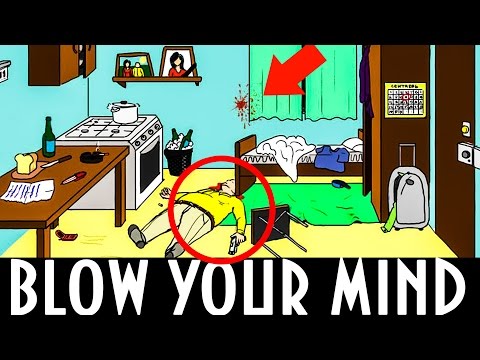
小爸 posted on 2017/06/26Think you're super observant? Put your skills to the test with these 10 mind-blowing riddles that will challenge your attention and memory! You'll have a blast spotting visual illusions and tricky details while picking up some fun new vocabulary along the way.
Learn this video on the APP!
The VoiceTube App has more in-depth practice for videos!