
above all
US /əˈbʌv ɔl/
UK /əˈbʌv ɔ:l/
- Phrase
- Most importantly; more than anything else.
A1Moreadvice
US /əd'vaɪs/
UK /ədˈvaɪs/
- Uncountable Noun
- Suggestion about what would help someone
- Professional guidance from a lawyer or legal expert.
A2TOEICMoreafter all
US /ˈæftɚ ɔl/
UK /ˈɑ:ftə ɔ:l/
- Adverb
- In spite of what was expected; used to introduce a statement that supports a previous statement or explains why it was made
- Considering everything; used to indicate that something is happening or is true despite some difficulty or obstacle
- Phrase
- Despite what was expected or thought; in spite of everything.
- Taking everything into consideration; considering that.
B1Moreagainst you
US
UK
- Preposition
- In opposition to you.
- Expressing disagreement or disapproval of you.
A2Moreanswer for
US /ˈænsɚ fər/
UK /ˈɑ:nsə fə/
- other
- Be responsible for and explain one's actions.
C1Moreanything other than
US
UK
- Phrase
- Except for; not including
- Different from; not
as long as
US /æz lɔŋ æz/
UK /æz lɔŋ æz/
- Conjunction
- For the period that; provided that.
- For the length of time that
- Preposition
- On the condition that; providing that.
- Having the same length as.
A1Moreat home
US /æt hom/
UK /æt həum/
- Phrase
- In one's own residence or country.
- Adjective
- Feeling comfortable and relaxed.
at least
US /æt list/
UK /æt li:st/
- Adverb
- As a minimum
- Not less than
- Phrase
- No less than; at the minimum
- Used to indicate that something is positive in a bad situation.
C2Moreat most
US /æt most/
UK /æt məust/
- Adverb
- Not more than; a maximum of.
- Phrase
- Used to indicate an upper limit or maximum quantity.
A1Moreat risk
US
UK
- Phrase
- In danger; likely to be harmed
at that time
US /æt ðæt taɪm/
UK /æt ðæt taim/
- Phrase
- During a specific point in the past.
A1Moreat the same time
US
UK
- Phrase
- Simultaneously; at the identical moment.
- Nevertheless; however; used to introduce a contrasting or qualifying statement.
A1Moreat work
US /æt wɚk/
UK /æt wə:k/
- Phrase
- Located at one's place of employment
A1Moreback at you
US /bæk æt ju/
UK /bæk æt ju/
- other
- An informal way to return a greeting or compliment.
B1Moreback into
US /bæk ˈɪntu/
UK /bæk ˈɪntuː/
- Phrasal Verb
- To drive a vehicle backwards into a space or area.
- To accidentally collide with something while moving backwards.
A1Moreback out
US /bæk aʊt/
UK /bæk aut/
- Phrasal Verb
- To say you will now not do something you promised
A1Moreback then
US
UK
- Phrase
- At that time in the past.
A1Moreback up
US /bæk ʌp/
UK /bæk ʌp/
- Phrasal Verb
- To save a copy of your computer data
- To confirm the truth of what someone says
A1Morebased on
US
UK
- Phrasal Verb
- To use something as the foundation or starting point for something else.
- Preposition
- Using something as the main idea or foundation.
- Relying on something as evidence or justification.
A1Morebe with
US /bi wɪð/
UK /bi: wið/
- Phrasal Verb
- To accompany someone; to be in someone's presence.
- To support someone's opinion or cause.
A1Morebeg the question
US
UK
- Phrase
- To assume the conclusion in one's argument; to use a premise that is the same as the conclusion you are trying to prove.
A1Morebeing with
US
UK
- Phrasal Verb
- Accompanying someone; being in someone's presence.
- Supporting someone's opinion or cause.
- Verb (Transitive/Intransitive)
- Accompanying someone; spending time with someone.
- Supporting someone; agreeing with someone.
A1Morebig hitter
US /bɪg ˈhɪtɚ/
UK /bɪg ˈhɪtə/
- other
- An important or influential person in a field or industry.
B2Morebring in
US /brɪŋ ɪn/
UK /briŋ in/
- Phrasal Verb
- To earn a certain amount of money or profits
- To add person into existing group, e.g. phone call
A1Morebudget
US /ˈbʌdʒɪt/
UK /'bʌdʒɪt/
- Noun (Countable/Uncountable)
- Amount of money planned to be spent
- Verb (Transitive/Intransitive)
- To make a plan for how to spend your money
A2TOEICMoreby default
US /baɪ dɪˈfɔlt/
UK /bai diˈfɔ:lt/
- Adverb
- Automatically, unless the user specifies otherwise.
- Because of a lack of any other action or choice.
care of
US /kɛr ʌv/
UK /kɛə ɔv/
- Preposition
- Used in an address to indicate the person who will receive the mail for someone else.
A2Moreclock on
US /klɑk ɑn/
UK /klɒk ɒn/
- other
- To register the start time of work using a time clock.
B1Morecome back
US /kʌm bæk/
UK /kʌm bæk/
- Phrasal Verb
- To reply to someone, often forcefully
- To be remembered
A1Morecome from
US /kʌm frʌm/
UK /kʌm frɔm/
- Phrasal Verb
- To have as your native country or city
A1Morecome up
US /kʌm ʌp/
UK /kʌm ʌp/
- Phrasal Verb
- To come closer to someone; approach
- (Of sun) to rise into the sky in the morning
A1Morecome up with
US /kʌm ʌp wɪð/
UK /kʌm ʌp wið/
- Phrasal Verb
- To think of an idea or solution; produce
A1Morecommodity
US /kəˈmɑdɪti/
UK /kə'mɒdətɪ/
- Noun (Countable/Uncountable)
- Something useful or valuable, usually for sale
- A valuable quality or thing.
- Adjective
- Something that is treated as a simple object of trade or commerce, rather than valued for its intrinsic qualities.
B1Morecouple
US /ˈkʌpəl/
UK /'kʌpl/
- Transitive Verb
- To join something to something else
- (Two animals) to engage in sexual relations
- Noun (Countable/Uncountable)
- Two people in a romantic relationship
- Two of something; two people; a pair
A2Morecourtesy of
US
UK
- Preposition
- Provided or permitted by (someone or something).
- Because of; as a result of.
B2Morecrucial
US /ˈkruʃəl/
UK /'kru:ʃl/
- Adjective
- Extremely important or necessary
- Of great importance to the success of something.
B1Moredeadline
US /ˈdɛdˌlaɪn/
UK /ˈdedlaɪn/
- Noun
- A date or time before which something must be done
B1TOEICMoredeal with
US /dil wɪð/
UK /di:l wið/
- Verb (Transitive/Intransitive)
- To buy or sell goods or services.
- Phrasal Verb
- To take action to solve a problem or manage a situation.
- To be about; concern.
A1Moredelegate
US /ˈdɛlɪˌɡet/
UK /'delɪɡət/
- Countable Noun
- Person attending a meeting
- Transitive Verb
- To give the responsibility for a task to others
B2TOEICMoredelegation
US /ˌdɛlɪˈɡeʃən/
UK /ˌdelɪˈgeɪʃn/
- Noun (Countable/Uncountable)
- A group of people sent as representatives
- Act of giving responsibilities to others
B2Moredo in
US
UK
- Phrasal Verb
- To make completely tired out and exhausted
- To destroy or cause damage to someone
A1Moredown the road
US
UK
- Phrase
- At a future time; in the future.
- Along the street; a short distance away.
A1Moredrive up
US /draɪv ʌp/
UK /draiv ʌp/
- Phrasal Verb
- To cause something to increase.
- To arrive in a vehicle.
A1Moreefficient
US /ɪˈfɪʃənt/
UK /ɪˈfɪʃnt/
- Adjective
- Able to produce results without waste
- Capable of producing desired results with little or no waste (of time, energy, or other resources).
A2TOEICMoreend up with
US
UK
- Phrasal Verb
- To have something as a result.
A1Moreface to face
US /fes tu fes/
UK /feis tu: feis/
- Adverb
- (Meeting) while looking at someone
A1Morefaculty
US /ˈfækəlti/
UK /'fækltɪ/
- Noun (Countable/Uncountable)
- Ability to do something with the power of the mind
- The teachers in a school or college
B1Morefaculty member
US /ˈfækəlti ˈmɛmbɚ/
UK /ˈfækəlti ˈmembə/
- Noun
- A person who teaches or does research at a college or university.
C1Morefake
US /fek/
UK /feɪk/
- Adjective
- Not real; made to look like something real
- Countable Noun
- A copy of something made to trick people
B1Morefeel like
US
UK
- Intransitive Verb
- To have a desire or inclination for something.
- To have a particular quality or sensation; resemble.
A1Morefigure out
US /ˈfɪɡjɚ aʊt/
UK /ˈfiɡə aut/
- Phrasal Verb
- To understand the behavior of someone
- To think through logically to find a solution
- Verb (Transitive/Intransitive)
- To understand or find an answer to something.
- To find a solution to a problem or understand something.
A1Morefind out about
US
UK
- Phrasal Verb
- To look for information to learn about it
A1Morefirst off
US /fɚst ɔf/
UK /fə:st ɔf/
- Phrase
- To begin with; firstly.
- Most importantly; above all else.
A1Morefor free
US /fɔr fri/
UK /fɔ: fri:/
- Phrase
- Without charge; at no cost.
- Adjective
- Available without payment.
A2Morefor some reason
US /fɔr sʌm ˈrizən/
UK /fɔ: sʌm ˈri:zən/
- Phrase
- For a reason that is not known or not easily explained.
A1Morefor sure
US /fɔr ʃʊr/
UK /fɔ: ʃuə/
- Adverb
- Definitely; certainly; without a doubt.
- Used to emphasize a statement.
- Interjection
- An expression of strong agreement or affirmation.
A2Morefree up
US
UK
- Phrasal Verb
- To make something available for a particular use.
- To make time or resources available.
A1Morefrom now on
US /frʌm naʊ ɑn/
UK /frɔm nau ɔn/
- Phrase
- Starting at this moment and continuing indefinitely into the future.
A1Morefrom the first
US /frəm ðə ˈfɝst/
UK /frəm ðə ˈfɜ:st/
- other
- From the very beginning.
B2Moreget back to
US /ɡɛt bæk tu/
UK /ɡet bæk tu:/
- Phrasal Verb
- To get in contact with someone again
- To return to someone or something; to respond at a later time.
A1Moreget here
US
UK
- Intransitive Verb
- To arrive at a specific location.
A1Moreglance over
US /ɡlæns ˈovɚ/
UK /ɡlɑ:ns ˈəuvə/
- Phrasal Verb
- To read something quickly and not carefully.
B1Morego back to
US /ɡo bæk tu/
UK /ɡəu bæk tu:/
- Phrasal Verb
- To return to a starting point
A1Morego beyond
US /ɡo biˈɑnd/
UK /ɡəu biˈjɔnd/
- Phrasal Verb
- To do more than planned or expected; exceed
A1Morego out
US /ɡo aʊt/
UK /ɡəu aut/
- Phrase
- To leave a building (e.g. a house)
- Phrasal Verb
- (Of a fire) to burn out; be extinguished
- Go out of fashion to stop being fashionable
A1Moregot to
US /ɡɑt tu/
UK /gɔt tu:/
- Verb (Transitive/Intransitive)
- To arrive at some place
- To have the opportunity or permission to do something
- Phrasal Verb
- To appeal to the emotions of; move
- To finally begin to start something after a delay
A1Moregraduate
US /ˈɡrædʒuˌet/
UK /'ɡrædʒʊət/
- Adjective
- Concerning a Masters or Ph.D. university courses
- Relating to studies beyond a bachelor's degree.
- Verb (Transitive/Intransitive)
- To get a degree from school, college, university
- To move up from a position to a higher, better one
A2TOEICMoregrow up
US /ɡro ʌp/
UK /ɡrəu ʌp/
- Phrasal Verb
- To develop from a child into an adult
A1Morehang out
US /hæŋ aʊt/
UK /hæŋ aut/
- Phrasal Verb
- To spend time with your friends
- To spend times with friends or relax doing nothing
A2Morehave on
US /hæv ɑn/
UK /hæv ɔn/
- Phrasal Verb
- To be wearing something.
- To deceive or trick someone, often in a playful way.
A1Morehave to
US /hæv tu/
UK /ˈhæv tə/
- Auxiliary Verb
- Must do
A1Morehistory
US /ˈhɪstəri/
UK /'hɪstrɪ/
- Noun (Countable/Uncountable)
- Established pattern or record
- Study of past events as an academic subject
A2Morehot air
US /hɑt er/
UK /hɔt eə(r)/
- Uncountable Noun
- Meaningless or exaggerated talk; empty rhetoric.
- Air that has been heated.
A1Morehousehold
US /ˈhaʊsˌhold/
UK /'haʊshəʊld/
- Adjective
- Being in everyday use; common
- Relating to a house or home.
- Noun (Countable/Uncountable)
- Concerning a home
- Family or other group living together in a house
B1Morein a hurry
US /ɪn e ˈhɚri/
UK /in ə ˈhʌri/
- Phrase
- Acting or moving with great haste; rushed.
in confidence
US /ɪn ˈkɑnfədəns/
UK /in ˈkɒnfidəns/
- other
- Communicating privately and confidentially.
B2Morein fact
US /ɪn fækt/
UK /in fækt/
- Adverb
- Used to emphasize the truth of a statement, especially one that contrasts with or contradicts something else.
- Used to introduce a more detailed or surprising piece of information.
- Phrase
- Used to emphasize the truth of a statement, especially one that is surprising or contrary to what might be expected.
C1Morein mind
US /ɪn maɪnd/
UK /in maind/
- Phrase
- Being aware of or considering something.
- To remember or consider something.
A2Morein order to
US /ɪn ˈɔrdɚ tu/
UK /in ˈɔ:də tu:/
- Preposition
- For the purpose of; with the aim of.
- Phrase
- In a specific sequence or arrangement.
- With the aim of; for the purpose of.
C1Morein person
US /ɪn ˈpɜːrsn/
UK /in ˈpɜːsn/
- Adverb
- Physically present; not by proxy or remotely.
- Face-to-face; not through electronic communication.
A1Morein practice
US /ɪn ˈpræktɪs/
UK /in ˈpræktis/
- Phrase
- In reality or actual use; as opposed to in theory.
A1Morein principle
US /ɪn ˈprɪnsəpəl/
UK /in ˈprinsəpl/
- Phrase
- In theory; as a general idea, though not yet in practice or detail.
C1Morein terms of
US
UK
- Phrase
- With regard to; concerning a particular aspect.
A1Morein the closet
US /ɪn ðə ˈklɑzət/
UK /in ðə ˈklɒzət/
- other
- Keeping something, often sexual orientation, secret.
B2Morein the middle of
US
UK
- Phrase
- In the central part or point of something.
- Engaged or occupied with something.
A2Morein the world
US /ɪn ði wɜrld/
UK /in ðə wɜː(r)ld/
- Phrase
- Used to emphasize a question expressing surprise, confusion, or disbelief.
- Used to indicate the extent or degree of something, often in a superlative sense.
A1Morein writing
US
UK
- Phrase
- Expressed or presented in written form, rather than spoken.
- Officially recorded in a written document, especially for legal purposes.
A1Moreinstead of
US /ɪnˈstɛd ʌv/
UK /inˈsted ɔv/
- Preposition
- When one thing is replaced by another
- Adverb
- As a substitute or alternative.
A1Moreinteract with
US /ˌɪntɚˈækt wɪð/
UK /ˌɪntərˈækt wið/
- Phrase
- Verb (Transitive/Intransitive)
- To engage in communication or action involving mutual or reciprocal influence.
- To use a computer interface to achieve a specific goal.
A2Moreinto time
US /ˈɪntu taɪm/
UK /ˈɪntəʊ taɪm/
- other
- Over a period, involving a gradual process or change.
B2Morejournal
US /ˈdʒɚnəl/
UK /ˈdʒə:nl/
- Noun (Countable/Uncountable)
- A diary; record of what you do every day
- Magazine of academic papers
B1TOEICMorejust kind of
US
UK
- Phrase
- Used to express a feeling or state in a vague or hesitant way.
- Used to indicate something is approximately or generally similar to something else.
A2Moreknow about
US /noʊ əˈbaʊt/
UK /nəʊ əˈbaut/
- Phrasal Verb
- To have information or understanding of a subject or situation.
look around
US /lʊk əˈraʊnd/
UK /luk əˈraund/
- Phrasal Verb
- To explore a place; search for something.
A1Morelook at
US /lʊk æt/
UK /luk æt/
- Phrasal Verb
- To use your eyes to focus on something
- To focus your eyes on something carefully
A1Morelook through
US
UK
- Phrasal Verb
- To examine carefully to see what is there
- To search for something among a collection of things.
A1Moremake up
US /mek ʌp/
UK /meik ʌp/
- Phrasal Verb
- To invent or create a story
- To add up to
- Verb (Transitive/Intransitive)
- To invent a story, excuse, etc.
- To compensate for something lost, missed, or deficient.
A1Moremanagement
US /ˈmænɪdʒmənt/
UK /'mænɪdʒmənt/
- Noun (Countable/Uncountable)
- People who are in control of a business or group
- Uncountable Noun
- The process of dealing with or controlling things or people.
- The skill of organizing and controlling resources.
A2TOEICMoremarching orders
US
UK
- Noun
- Official orders given to a soldier or unit to move to a new location or begin a specific operation.
- Informal term for being dismissed or fired from a job.
meet with
US /mit wɪð/
UK /mi:t wið/
- Phrasal Verb
- To have a meeting with someone in order to discuss something.
- To encounter or experience something, often something negative.
mentor
US /'mentɔ:r/
UK /'mentɔ:(r)/
- Countable Noun
- Experienced or wise person who advises others
- Transitive Verb
- To act as an advisor or teacher to someone
B2TOEICMoremiddle child
US
UK
- Noun
- A child who has both older and younger siblings.
A1Moremonitor
US /ˈmɑ:nɪtə(r)/
UK /ˈmɒnɪtə(r)/
- Transitive Verb
- To observe and keep a record of something
- To observe and check the progress or quality of (something) over a period of time; keep under systematic review.
- Noun
- A senior student at school
- Electronic screen on which you can see images
A2TOEICMoremove on
US /muv ɑn/
UK /mu:v ɔn/
- Phrasal Verb
- To decide to change or go to a different place
- To start talking about something different.
A1Moremuch about
US /mʌtʃ əˈbaʊt/
UK /mʌtʃ əˈbaut/
- Phrase
- A lot of information or knowledge concerning something.
- To a great extent or degree regarding something; caring.
A1Morenear and dear
US
UK
- Adjective
- Very important and loved; cherished.
A1Moreno matter
US
UK
- Conjunction
- Regardless of; it does not matter.
- Adverb
- Regardless of; it is not important
A1Moreof course
US /ʌv kɔː(r)s/
UK /ɔv kɔː(r)s/
- Adverb
- Sure ; Certainly
- Phrase
- For sure; certainly
A2Moreoff of
US /ɔf ʌv/
UK /ɔf ɔv/
- Preposition
- From a position on something; down from.
A1Moreon behalf of
US /ɑn bɪˈhæf ʌv/
UK /ɔn biˈhɑ:f ɔv/
- Phrase
- As the representative of someone
- Acting as a representative of.
B1Moreon hold
US /ɑn hold/
UK /ɔn həuld/
- Adjective
- Temporarily delayed or suspended.
- Adverb
- Waiting to be connected on a telephone call.
A2Moreon the couch
US /ɑn ðə kaʊtʃ/
UK /ɒn ðə kaʊtʃ/
- other
- Receiving psychotherapy or psychological treatment.
B1Moreon the inside
US /ɑn ði ɪnˈsaɪd/
UK /ɔn ðə inˈsaid/
- Phrase
- Having a position of authority or influence within an organization or system.
- In prison; incarcerated.
- Adjective
- Possessing secret or confidential information.
A1Moreon the order of
US /ɑn ðə ˈɔrdɚ ʌv/
UK /ɒn ðə ˈɔ:də ɒv/
- Preposition
- Approximately; about a certain amount or number.
C1Moreon the part of
US
UK
- Phrase
- By or done by (someone); concerning someone.
- As far as (someone or something) is concerned; by (someone or something).
A1Moreon the phone
US
UK
- Phrase
- Talking on the telephone.
- Adjective
- Using a phone, especially a mobile phone.
A1Moreon the telephone
US /ɑn ðə ˈtɛləˌfoʊn/
UK /ɒn ðə ˈtɛlɪfəʊn/
- other
- Engaged in a phone call.
A2Moreon time
US /ɑn taɪm/
UK /ɔn taim/
- Phrase
- Adjective
- Arriving at or done by the required time
- Meeting a deadline; punctual in fulfilling obligations.
A1Moreon to
US /ɑn tu/
UK /ɔn tu:/
- Preposition
- Toward something; forward
- Aware of someone's activities.
- Adjective
- Aware of someone's deception or illegal activities.
A1Moreonce a month
US
UK
- Phrase
- Happening or appearing one time in each month.
A1Moreother than
US
UK
- Preposition
- Except for; apart from.
- Conjunction
- Different from.
A1Moreout of the box
US /aʊt əv ðə bɑks/
UK /aut əv ðə bɒks/
- other
- Thinking in an original or creative way.
- Ready to use immediately without special preparation.
B2Moreout of town
US /aʊt ʌv taʊn/
UK /aut ɔv taun/
- Phrase
- Away from one's usual place of residence or work; absent from the local area.
- Adjective
- Not available in the local area; absent and unreachable.
A1Moreout there
US /aʊt ðɛr/
UK /aut ðɛə/
- Adverb
- In or to a place that is far away
- Existing in the universe
- Adjective
- Unconventional; strange; avant-garde
- Existing or available.
A1Morepark in
US /ˈpɑrk ɪn/
UK /ˈpɑ:k ɪn/
- other
- To drive a vehicle into a parking spot or area.
A2Morephone
US /foʊn/
UK /fəʊn/
- Verb (Transitive/Intransitive)
- To talk to someone using a telephone
- Noun
- Machine used to talk to someone who is far away
A2TOEICMorephone book
US
UK
- Noun (Countable/Uncountable)
- A book containing an alphabetical list of telephone subscribers in a particular area, with their telephone numbers.
A1Morephone number
US
UK
- Countable Noun
- A sequence of digits assigned to a telephone subscriber, used to make a call to that phone.
A1Morepick off
US /pɪk ɔf/
UK /pik ɔf/
- Phrasal Verb
- To shoot at objects one by one
- To remove something from a surface by picking it.
A1Morepick on
US /pɪk ɑn/
UK /pik ɔn/
- Phrasal Verb
- To tease or bully someone
A1Morepicks up
US
UK
- Phrasal Verb
- To catch a criminal and take to police station
- To start again where you left off
- Verb (Transitive/Intransitive)
- Learns or acquires something, often quickly or without effort.
- Collects someone or something.
A1Morepresume
US /prɪˈzu:m/
UK /prɪˈzju:m/
- Verb (Transitive/Intransitive)
- To assume that something is true till proven false
- To do something without having the right to do it
A2TOEICMoreprocrastination
US /proʊˌkræstɪ'neɪʃn/
UK /prəʊˌkræstɪ'neɪʃn/
- Uncountable Noun
- Act of putting off something you ought to do
C2TOEICMorepull back
US /pʊl bæk/
UK /pul bæk/
- Phrasal Verb
- To move to a safer area; retreat
A1Morepush on
US /pʊʃ ɑn/
UK /puʃ ɔn/
- Phrasal Verb
- To continue with some effort; persevere
A1Morerandy
US /ˈrændi/
UK /'rændɪ/
- Adjective
- Wanting to have sex (often)
B2Morerun with
US /rʌn wɪð/
UK /rʌn wið/
- Phrasal Verb
- To take and work with an idea, plan as your own
A1Moresame time
US
UK
- Phrase
- Occurring simultaneously or at the same point in time.
- At the identical time as before; recurring at a fixed hour.
- Noun
- An equal duration or period.
A1Moreshow of hands
US
UK
- Noun
- A way of voting in which people raise their hands to show that they support something.
A1Moreshut up
US /ʃʌt ʌp/
UK /ʃʌt ʌp/
- Phrasal Verb
- To close something, e.g. a shop
- To (cause someone to) be silent or not speak
- Interjection
- An expression of disbelief or surprise
A2Moresit around
US /sit əˈraʊnd/
UK /sit əˈraund/
- Phrasal Verb
- To spend time idly; to do nothing in particular.
A1Moresit down
US /sit daʊn/
UK /sit daun/
- Phrasal Verb
- To take a seat
A1Morespecific
US /spɪˈsɪfɪk/
UK /spəˈsɪfɪk/
- Adjective
- Precise; particular; just about that thing
- Concerning one particular thing or kind of thing
A2Morespend
US /spɛnd/
UK /spend/
- Transitive Verb
- To use money to pay for something
- To use time in order to do something
A2TOEICMorespend more time
US
UK
- Phrase
- To dedicate a greater amount of time to a particular activity or person.
A1Morestart on
US /stɑrt ɑn/
UK /stɑ:t ɔn/
- Phrasal Verb
- To begin or start doing something.
- To criticize or complain to someone repeatedly.
A1Morestay in
US /ste ɪn/
UK /stei in/
- Phrasal Verb
- To remain inside one's home.
- Intransitive Verb
- To remain as an inpatient in a hospital.
step out
US
UK
- Phrasal Verb
- To go outside for a short time
- To begin a romantic relationship with someone.
A1Morestuff
US /stʌf/
UK /stʌf/
- Uncountable Noun
- Generic description for things, materials, objects
- Transitive Verb
- To push material inside something, with force
B1Moresuffer from
US /ˈsʌfɚ frʌm/
UK /ˈsʌfə frɔm/
- Intransitive Verb
- To experience pain or distress; to be badly affected by.
A1Moretalk on
US /tɔk ɑn/
UK /tɔ:k ɔn/
- Phrasal Verb
- To talk at length about a particular subject.
- To scold or lecture someone at length.
A1Moretalking about
US
UK
- Phrasal Verb
- To discuss a particular topic.
- To be constantly mentioning or bringing up a subject.
A1Moretechnology
US /tɛkˈnɑlədʒi/
UK /tek'nɒlədʒɪ/
- Uncountable Noun
- Use or knowledge of science in industry etc.
- Machinery and equipment developed from scientific knowledge.
A2TOEICMorethanks to
US /θæŋks tu/
UK /θæŋks tu:/
- Preposition
- Because of; as a result of.
A1Morethink about
US /θɪŋk əˈbaʊt/
UK /θiŋk əˈbaut/
- Phrasal Verb
- To consider something carefully.
- To remember or call to mind.
A1Morethink of
US /θɪŋk ʌv/
UK /θiŋk ɔv/
- Phrasal Verb
- To look on as (being something specific); consider
- To consider or remember something.
- Verb (Transitive/Intransitive)
- To imagine or call something to mind
A1Morethird one
US
UK
- Pronoun
- The item that is in the third position in a sequence.
- Noun
- The third option or choice from a set of possibilities.
A1Moreto death
US /tu dɛθ/
UK /tu: deθ/
- Phrase
- Extremely; to a great degree
- Until death
B1Moreto do with
US
UK
- Phrasal Verb
- To be about something; concern
A1Moreto hand
US
UK
- Transitive Verb
- To give or pass something to someone using your hand.
- To offer assistance or help.
A1Moreto let
US /tu lɛt/
UK /tu let/
- Preposition
- Indicates that a property is available for rent.
A2Moreto the left
US
UK
- Phrase
- In or toward the left direction.
- Situated on the left side of.
turn to
US /tɚn tu/
UK /tə:n tu:/
- Phrasal Verb
- To go to someone for help, advice, or information.
- To start doing or using something, often something bad or undesirable.
A1Moreup against
US /ʌp əˈɡenst/
UK /ʌp əˈɡenst/
- Phrase
- Facing or contending with something difficult or challenging.
- In close proximity or contact with something.
up there
US /ʌp ðɛr/
UK /ʌp ðɛə/
- Adverb
- In or to a higher place or position; far away.
- In heaven.
A1Moreused to
US /juzd tu/
UK /ˈju:st tə/
- Adjective
- Did regularly before, but don't do now
- Auxiliary Verb
- Have done before, but do not do now
A1Morewait for
US /wet fɔr/
UK /weit fɔ:/
- Phrasal Verb
- To wait until someone comes, or something happens
A1Morewake up
US /wek ʌp/
UK /weik ʌp/
- Phrasal Verb
- To stop sleeping
- To become fully aware and alert to a situation.
A1Morewalk down
US /wɔk daʊn/
UK /wɔ:k daun/
- Phrasal Verb
- To walk along or down something.
- To proceed along an aisle, especially at a wedding.
A1Morewant in
US
UK
- Intransitive Verb
- To desire to participate or be included in something.
A1Morewhen push comes to shove
US /wɛn pʊʃ kʌmz tə ʃʌv/
UK /wen pʊʃ kʌmz tə ʃʌv/
- other
- When a situation becomes critical or urgent.
B2Morewhole point
US
UK
- Phrase
- The main purpose or most important aspect of something.
- The primary reason or objective.
A2Morewith dignity
US
UK
- Phrase
- In a manner that shows respect and seriousness.
- In a noble and honorable manner.
A1Morewith just
US
UK
- Phrase
- Using only; with no more than.
- Barely; by a narrow margin.
A2Morewith time
US
UK
- Phrase
- As time passes; eventually.
- Given enough time; in the course of time.
A1Morewonderful
US /'wʌndərfl/
UK /ˈwʌndəfl/
- Adjective
- Producing feelings of enjoyment or delight
A2Morework at
US /wɚk æt/
UK /wə:k æt/
- Phrasal Verb
- To have a job at a particular place or organization.
- To make an effort to improve something.
A1Morework in
US /wɚk ɪn/
UK /wə:k in/
- Phrasal Verb
- To make an opening for something in your schedule
- To fit person/thing into a schedule or sequence
A1Morework on
US /wɚk ɑn/
UK /wə:k ɔn/
- Phrasal Verb
- To devote effort to improve or develop something
- To try to persuade or influence someone.
A1Morework over
US /wɝk ˈoʊvɚ/
UK /wɜ:k ˈəuvə/
- other
- To physically attack or beat someone severely.
- To revise, review, or improve something by careful effort.
B2Morework together
US /wɚk təˈɡɛðɚ/
UK /wə:k təˈɡeðə/
- Verb (Transitive/Intransitive)
- To collaborate or cooperate with others to achieve a common goal.
A1Moreworth
US /wɚθ/
UK /wɜ:θ/
- Noun (Countable/Uncountable)
- the financial, practical or moral value of somebody/something
- having a particular value, especially in money
- Adjective
- Having a specified value.
A2Morewrite down
US /raɪt daʊn/
UK /rait daun/
- Phrasal Verb
- To record in writing
A1More
Vocabulary
- have to: Must do
- got to: To arrive at some place
- look at: To use your eyes to focus on something
- of course: Sure ; Certainly
- in the world: Used to emphasize a question expressing surprise, confusion, or disbelief.
- at least: As a minimum
- think about: To consider something carefully.
- in fact: Used to emphasize the truth of a statement, especially one that contrasts with or contradicts something else.
- know about: To have information or understanding of a subject or situation.
- in terms of
- deal with
- talking about: To discuss a particular topic.
- show of hands: A way of voting in which people raise their hands to show that they support something.
- figure out: To understand the behavior of someone
- at work: Located at one's place of employment
- care of: Used in an address to indicate the person who will receive the mail for someone else.
- come back: To reply to someone, often forcefully
- with time: As time passes; eventually.
- think of: To look on as (being something specific); consider
- at home: In one's own residence or country.
- used to: Did regularly before, but don't do now
- work on: To devote effort to improve or develop something
- instead of: When one thing is replaced by another
- go out: To leave a building (e.g. a house)
- at risk: In danger; likely to be harmed
- near and dear: Very important and loved; cherished.
- work at: To have a job at a particular place or organization.
- talk on: To talk at length about a particular subject.
- on time
- up there: In or to a higher place or position; far away.
- in mind: Being aware of or considering something.
- faculty member: A person who teaches or does research at a college or university.
- pick on: To tease or bully someone
- turn to: To go to someone for help, advice, or information.
- have on: To be wearing something.
- on hold: Temporarily delayed or suspended.
- on the phone: Talking on the telephone.
- sit down: To take a seat
- first off: To begin with; firstly.
- on the couch: Receiving psychotherapy or psychological treatment.
- back into: To drive a vehicle backwards into a space or area.
- make up: To invent or create a story
- out of town: Away from one's usual place of residence or work; absent from the local area.
- back then: At that time in the past.
- much about: A lot of information or knowledge concerning something.
- being with: Accompanying someone; being in someone's presence.
- thanks to: Because of; as a result of.
- on behalf of: As the representative of someone
- based on: To use something as the foundation or starting point for something else.
- work together: To collaborate or cooperate with others to achieve a common goal.
- to let: Indicates that a property is available for rent.
- to do with: To be about something; concern
- pick off: To shoot at objects one by one
- at that time: During a specific point in the past.
- on the order of: Approximately; about a certain amount or number.
- beg the question: To assume the conclusion in one's argument; to use a premise that is the same as the conclusion you are trying to prove.
- down the road: At a future time; in the future.
- in order to: For the purpose of; with the aim of.
- free up: To make something available for a particular use.
- feel like: To have a desire or inclination for something.
- want in: To desire to participate or be included in something.
- middle child: A child who has both older and younger siblings.
- for sure: Definitely; certainly; without a doubt.
- look around: To explore a place; search for something.
- run with: To take and work with an idea, plan as your own
- on the inside: Having a position of authority or influence within an organization or system.
- do in: To make completely tired out and exhausted
- come from: To have as your native country or city
- off of: From a position on something; down from.
- shut up: To close something, e.g. a shop
- park in: To drive a vehicle into a parking spot or area.
- from the first: From the very beginning.
- work in: To make an opening for something in your schedule
- wake up: To stop sleeping
- marching orders: Official orders given to a soldier or unit to move to a new location or begin a specific operation.
- no matter: Regardless of; it does not matter.
- on to: Toward something; forward
- move on: To decide to change or go to a different place
- get here: To arrive at a specific location.
- end up with: To have something as a result.
- to the left: In or toward the left direction.
- go back to: To return to a starting point
- in principle: In theory; as a general idea, though not yet in practice or detail.
- in practice: In reality or actual use; as opposed to in theory.
- third one: The item that is in the third position in a sequence.
- on the telephone: Engaged in a phone call.
- picks up: To catch a criminal and take to police station
- clock on: To register the start time of work using a time clock.
- back at you: An informal way to return a greeting or compliment.
- suffer from: To experience pain or distress; to be badly affected by.
- phone number: A sequence of digits assigned to a telephone subscriber, used to make a call to that phone.
- at the same time: Simultaneously; at the identical moment.
- same time: Occurring simultaneously or at the same point in time.
- at most: Not more than; a maximum of.
- on the part of: By or done by (someone); concerning someone.
- go beyond: To do more than planned or expected; exceed
- after all: In spite of what was expected; used to introduce a statement that supports a previous statement or explains why it was made
- back out: To say you will now not do something you promised
- once a month: Happening or appearing one time in each month.
- anything other than: Except for; not including
- other than: Except for; apart from.
- phone book: A book containing an alphabetical list of telephone subscribers in a particular area, with their telephone numbers.
- up against: Facing or contending with something difficult or challenging.
- find out about: To look for information to learn about it
- from now on: Starting at this moment and continuing indefinitely into the future.
- out of the box: Thinking in an original or creative way.
- by default: Automatically, unless the user specifies otherwise.
- whole point: The main purpose or most important aspect of something.
- walk down: To walk along or down something.
- spend more time: To dedicate a greater amount of time to a particular activity or person.
- in the middle of: In the central part or point of something.
- get back to: To get in contact with someone again
- interact with
- for some reason: For a reason that is not known or not easily explained.
- glance over: To read something quickly and not carefully.
- just kind of: Used to express a feeling or state in a vague or hesitant way.
- meet with: To have a meeting with someone in order to discuss something.
- with just: Using only; with no more than.
- hang out: To spend time with your friends
- against you: In opposition to you.
- push on: To continue with some effort; persevere
- be with: To accompany someone; to be in someone's presence.
- look through: To examine carefully to see what is there
- come up: To come closer to someone; approach
- drive up: To cause something to increase.
- as long as: For the period that; provided that.
- in person: Physically present; not by proxy or remotely.
- start on: To begin or start doing something.
- in a hurry: Acting or moving with great haste; rushed.
- when push comes to shove: When a situation becomes critical or urgent.
- step out: To go outside for a short time
- bring in: To earn a certain amount of money or profits
- with dignity: In a manner that shows respect and seriousness.
- face to face: (Meeting) while looking at someone
- in writing: Expressed or presented in written form, rather than spoken.
- come up with: To think of an idea or solution; produce
- grow up: To develop from a child into an adult
- to death: Extremely; to a great degree
- to hand: To give or pass something to someone using your hand.
- back up: To save a copy of your computer data
- write down: To record in writing
- sit around: To spend time idly; to do nothing in particular.
- answer for: Be responsible for and explain one's actions.
- for free: Without charge; at no cost.
- pull back: To move to a safer area; retreat
- wait for: To wait until someone comes, or something happens
- stay in: To remain inside one's home.
- hot air: Meaningless or exaggerated talk; empty rhetoric.
- in the closet: Keeping something, often sexual orientation, secret.
- into time: Over a period, involving a gradual process or change.
- above all: Most importantly; more than anything else.
- work over: To physically attack or beat someone severely.
- in confidence: Communicating privately and confidentially.
- courtesy of: Provided or permitted by (someone or something).
- big hitter: An important or influential person in a field or industry.
- out there: In or to a place that is far away
- stuff: Generic description for things, materials, objects
- crucial: Extremely important or necessary
- specific: Precise; particular; just about that thing
- sort: To organize things by putting them into groups
- experience: Thing a person has done or that happened to them
- procrastination: Act of putting off something you ought to do
- sense: Certain mental feeling or emotion
- treat: To pay for the food or enjoyment of someone else
- commodity: Something useful or valuable, usually for sale
- bit: Device put in a horse's mouth to control it
- advice: Suggestion about what would help someone
- efficient: Able to produce results without waste
- journal: A diary; record of what you do every day
- worth: the financial, practical or moral value of somebody/something
- couple: To join something to something else
- mentor: Experienced or wise person who advises others
- due: When something is required or expected
- budget: Amount of money planned to be spent
- fake: Not real; made to look like something real
- household: Being in everyday use; common
- faculty: Ability to do something with the power of the mind
- technology: Use or knowledge of science in industry etc.
- important: Having power or authority
- piece: A counter in a board game
- place: To put someone in a particular type of situation
- manage: To survive hardships and difficulties; to cope
- system: Set of organized, planned ideas that work together
- program: To make someone act or think in a certain way
- delegate: Person attending a meeting
- kind: In a caring and helpful manner
- person: Man, woman or child
- graduate: Concerning a Masters or Ph.D. university courses
- monitor: To observe and keep a record of something
- delegation: A group of people sent as representatives
- presume: To assume that something is true till proven false
- spend: To use money to pay for something
- management: People who are in control of a business or group
- deadline: A date or time before which something must be done
- history: Established pattern or record
- wonderful: Producing feelings of enjoyment or delight
- phone: To talk to someone using a telephone
- randy: Wanting to have sex (often)
Get the full experience in the app
Learn anywhere with detailed sentence and usage analysis
01:03
She took a brave step forward, leaving behind her comfort zone to chase her dreams.
Vocabulary
- brave
adj. Having courage
- comfort zone
phr. A familiar situation where one feels safe
Explanation
a brave step is a noun phrase, where brave is an adjective modifying the noun step, meaning "a courageous step".
forward is an adverb modifying step, meaning "ahead".
The whole phrase serves as the object, answering the "what" of took (verb) — she took a brave step forward.
Get the full experience in the app
Look up words anytime with pronunciation, part of speech, and usage
brave
US/brev/
UK/breɪv/
adj.Brave
v.t.To bravely face
A2 Elementary
Get the full experience in the app
Practice speaking anytime and get instant pronunciation feedback
Try this speaking exercise.
Try practicing with this sentence.
80
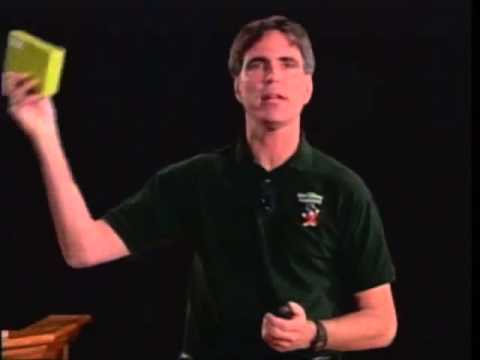
Time Management with English Subtitle by Randy Pausch, November 2007
0
Wayne Han posted on 2017/06/05Ever feel like there aren't enough hours in the day? This inspiring talk from Randy Pausch, the "Last Lecture" author, dives into practical time management strategies that can help you conquer procrastination and boost productivity. You'll pick up advanced vocabulary and learn complex sentence structures through real-world examples, making it perfect for sharpening your English skills while getting motivated!
Learn this video on the APP!
The VoiceTube App has more in-depth practice for videos!