
adapt
US /əˈdæpt/
UK /ə'dæpt/
- Transitive Verb
- To change something for a different function
- To change something to fit or suit a new purpose
- Intransitive Verb
- To change your behaviour so that it is easier to live in a new place or situation
B1TOEICMoreappearance
US /əˈpɪrəns/
UK /əˈpɪərəns/
- Noun
- The way a person looks to others
- The way that something looks
A2TOEICMoreas well as
US /æz wɛl æz/
UK /æz wel æz/
- Adverb
- Also; in addition to
- Preposition
- In addition to; and also.
A1Moreassociation
US /əˌsoʊʃi'eɪʃn/
UK /əˌsəʊʃɪ'eɪʃn/
- Noun
- Organization of people with the same interest
B1TOEICMoreat least
US /æt list/
UK /æt li:st/
- Adverb
- As a minimum
- Not less than
- Phrase
- No less than; at the minimum
- Used to indicate that something is positive in a bad situation.
C2Morebased on
US
UK
- Phrasal Verb
- To use something as the foundation or starting point for something else.
- Preposition
- Using something as the main idea or foundation.
- Relying on something as evidence or justification.
A1Morebloated
US /ˈbloʊtɪd/
UK /ˈbləʊtɪd/
- Transitive Verb
- To cause to swell up or inflate with gas or liquid
- Adjective
- Swelled up or inflated with gas or liquid
C2Morebury
US /ˈbɛri/
UK /'berɪ/
- Transitive Verb
- To put something into the ground and cover it
B1Morecharacter
US /ˈkærəktɚ/
UK /'kærəktə(r)/
- Noun
- Person in a story, movie or play
- Writing symbols, e.g. alphabet or Chinese writing
A2Morecorpse
US /kɔrps/
UK /kɔ:ps/
- Countable Noun
- A dead body
B2Morecountless
US /ˈkaʊntlɪs/
UK /ˈkaʊntləs/
- Adjective
- Being too many to be numbered or imagined
B1Morecritic
US /ˈkrɪtɪk/
UK /'krɪtɪk/
- Noun (Countable/Uncountable)
- Person who judges (e.g. art) and gives opinions
- A person who tends to find fault or express adverse criticism.
A2Moredecomposition
US /ˌdikɑmpəˈzɪʃən/
UK /ˌdi:kɒmpə'zɪʃn/
- Uncountable Noun
- State of decay or rot
- The process of breaking down into component elements; analysis.
B2Moredispatch
US /dɪˈspætʃ/
UK /dɪˈspætʃ/
- Transitive Verb
- To send (people or objects) somewhere
B2TOEICMoredocument
US /ˈdɑkjəmənt/
UK /'dɒkjʊmənt/
- Noun (Countable/Uncountable)
- Official (printed) record that gives information
- Transitive Verb
- To support an opinion with recorded evidence
A2TOEICMoredrastic
US /ˈdræstɪk/
UK /ˈdræstɪk/
- Adjective
- Serious, severe or extreme
B2TOEICMoreeliminate
US /ɪˈlɪməˌnet/
UK /ɪ'lɪmɪneɪt/
- Transitive Verb
- To completely remove; to get rid of
- To remove from a contest by beating them
B1TOEICMoreestablish
US /ɪˈstæblɪʃ/
UK /ɪˈstæblɪʃ/
- Transitive Verb
- To set or create something to last for a long time
- To use facts, evidence to show truth or clarity
A2TOEICMoreeternal
US /ɪˈtɚnəl/
UK /ɪ'tɜ:nl/
- Adjective
- Endless; constant; never ending
B2Morefantasy
US /ˈfæntəsi, -zi/
UK /'fæntəsɪ/
- Noun (Countable/Uncountable)
- Something imagined and very different from reality
- Work of literature set in an unreal world
B1Morefate
US /fet/
UK /feɪt/
- Noun (Countable/Uncountable)
- What will happen to you in the future, often bad
- Power that determines what happens; destiny
B1Morefilm
US /fɪlm/
UK /fɪlm/
- Noun (Countable/Uncountable)
- Thin layer that covers something
- Movie
- Transitive Verb
- To record moving action with a camera
A2Morefolklore
US /ˈfoʊklɔ:(r)/
UK /ˈfəʊklɔ:(r)/
- Uncountable Noun
- Traditional beliefs and stories of a people
C1Moregarlic
US /ˈɡɑrlɪk/
UK /'ɡɑ:lɪk/
- Noun (Countable/Uncountable)
- Strong-smelling white bulb used in cooking
B2Morego on
US /ɡo ɑn/
UK /ɡəu ɔn/
- Phrasal Verb
- To continue doing something
- To happen (usually negative)
- Interjection
- Used to encourage someone
A1Morehumble
US /ˈhʌmbəl/
UK /'hʌmbl/
- Adjective
- Being lower in quality or status
- Not proud/arrogant; of low status
- Transitive Verb
- To make someone feel less proud or confident
B2TOEICMorehysteria
US /hɪˈstɛriə, -ˈstɪr-/
UK /hɪ'stɪərɪə/
- Uncountable Noun
- A case of wild, uncontrollable behavior or panic
- A psychological disorder (now largely discredited) once believed to be common in women, characterized by emotional excitability and various physical symptoms.
B2Morein character
US /ɪn ˈkærəktɚ/
UK /in ˈkæriktə/
- Adjective
- Behaving as the character one is portraying; consistent with the character's personality.
- Phrase
- Consistent with one's typical behavior or personality.
B1Moreinvestigate
US /ɪnˈvɛstɪˌɡet/
UK /ɪn'vestɪɡeɪt/
- Verb (Transitive/Intransitive)
- To try to find out facts; to carry out research
A2Morelore
US /lɔr/
UK /lɔ:(r)/
- Uncountable Noun
- Traditional knowledge or tales relating to a thing
C1Moreminor
US /ˈmaɪnɚ/
UK /'maɪnə(r)/
- Adjective
- Not so large in size; not important or valuable
- An interval a half tone smaller than its major
- Noun
- Subject studied in college, but not the main one
- Someone too young to be legally responsible
B1Moremoderate
US /ˈmɑdərɪt/
UK /ˈmɒdərət/
- Verb (Transitive/Intransitive)
- To host a meeting or panel discussion
- To make something less violent, severe, or strong
- Adjective
- Being average in quantity or size
B1Moremonarchy
US /ˈmɑnəki, -ˌɑr-/
UK /'mɒnəkɪ/
- Noun (Countable/Uncountable)
- Nation that is ruled by a king or queen
- A form of government with a monarch at the head.
B2Moremysterious
US /mɪˈstɪriəs/
UK /mɪˈstɪəriəs/
- Adjective
- Unusual; hard to understand or work out
A2Moreobserve
US /əbˈzɜ:rv/
UK /əbˈzɜ:v/
- Verb (Transitive/Intransitive)
- To celebrate a particular holiday/religious event
- To obey or follow laws, rules, or customs
A2TOEICMoreon to
US /ɑn tu/
UK /ɔn tu:/
- Preposition
- Toward something; forward
- Aware of someone's activities.
- Adjective
- Aware of someone's deception or illegal activities.
A1Moreoutbreak
US /ˈaʊtˌbrek/
UK /ˈaʊtbreɪk/
- Noun (Countable/Uncountable)
- Sudden occurrence of illness, discontent etc.
- A sudden occurrence of something unwelcome, such as war or disease.
B2Morepagan
US /ˈpeɡən/
UK /ˈpeɪgən/
- Countable Noun
- People who do not have a formal religion
- Adjective
- Relating to pagans or paganism.
- (dated, offensive) Uncivilized or irreligious.
B2Morepanic
US /ˈpænɪk/
UK /'pænɪk/
- Uncountable Noun
- Overwhelming feeling of fear and anxiety
- Intransitive Verb
- To feel sudden anxiety and fear and cannot think
B1Morepersist
US /pɚˈsɪst, -ˈzɪst/
UK /pə'sɪst/
- Intransitive Verb
- To continue a course of action despite opposition
- To continue to exist or occur beyond the usual, expected, or desired time.
B1TOEICMorephenomenon
US /fɪˈnɑməˌnɑn, -nən/
UK /fə'nɒmɪnən/
- Noun (Countable/Uncountable)
- Unusual event, fact that can be studied
- Interesting or unusual person, group
B1Morephysician
US /fɪˈzɪʃən/
UK /fɪˈzɪʃn/
- Countable Noun
- A medical doctor
B2Moreplagiarism
US /ˈpledʒəˌrɪzəm/
UK /ˈpleɪdʒərɪzəm/
- Uncountable Noun
- Copying the work of others pretending it's yours
C1Moreplot
US /plɑt/
UK /plɒt/
- Countable Noun
- Small piece of land for a house growing crops etc.
- Series of events that form the main story
- Transitive Verb
- To mark a path, etc. on a map, using lines or dots
- To devise or develop a dramatic storyline
B1Moreprevent
US /prɪˈvɛnt/
UK /prɪ'vent/
- Transitive Verb
- To stop something from happening or existing
A2TOEICMoreremain
US /rɪˈmen/
UK /rɪˈmeɪn/
- Intransitive Verb
- To be left behind; to continue to exist
- To stay in a place when other people have gone
A2TOEICMoreresult
US /rɪˈzʌlt/
UK /rɪ'zʌlt/
- Noun
- Something produced through tests or experiments
- Final score of a competition, election or game
- Intransitive Verb
- To be the outcome of other causes and effects
- To happen or exist as a consequence of something.
A2Moreroot
US /rut, rʊt/
UK /ru:t/
- Noun (Countable/Uncountable)
- Emotional connection with a place, history etc.
- The origin or starting place of something
- Transitive Verb
- To cause a plant to develop or grow roots
- (Animals) to search for e.g. food in earth
A2Moresignature
US /ˈsɪɡnətʃɚ/
UK /ˈsɪgnətʃə(r)/
- Adjective
- Something that represents a person's work or style
- Noun (Countable/Uncountable)
- Person's name written in their handwriting
- The key in which a piece of music is written, indicated by sharps or flats at the beginning of the stave.
B1Morespawn
US /spɔn/
UK /spɔ:n/
- Noun
- Product or result of something
- The young of some fish and animals
- Transitive Verb
- To produce something or make something happen
B2Moresuch as
US /sʌtʃ æz/
UK /sʌtʃ æz/
- Preposition
- For example; like
A1Moreswell
US /swɛl/
UK /swel/
- Intransitive Verb
- To feel overcome due to a strong emotion
- To increase in size or number larger than normal
- Uncountable Noun
- Being overcome from feeling a strong emotion
- Act of growing in size or increasing in number
B1Moretwist
US /twɪst/
UK /twɪst/
- Verb (Transitive/Intransitive)
- To turn something in a circular direction
- To turn in a curving direction e.g. road or path
- Noun (Countable/Uncountable)
- Turn or spiral curve in a path or road
- Bend or sudden change of direction
A2Morevampire
US /ˈvæmˌpaɪr/
UK /ˈvæmpaɪə(r)/
- Countable Noun
- Bloodsucking dead person who bites neck of victim
B2Moreversion
US /ˈvɚʒən, -ʃən/
UK /ˈvə:ʃən/
- Noun
- Different way that someone interprets something
- New or different form of something
A2TOEICMorevillain
US /ˈvɪlən/
UK /'vɪlən/
- Noun (Countable/Uncountable)
- Character in a story who is mean or evil
- Something or someone regarded as responsible for trouble or harm.
B2More
Vocabulary
- such as: For example; like
- on to: Toward something; forward
- at least: As a minimum
- as well as: Also; in addition to
- based on: To use something as the foundation or starting point for something else.
- in character: Behaving as the character one is portraying; consistent with the character's personality.
- go on: To continue doing something
- phenomenon: Unusual event, fact that can be studied
- eliminate: To completely remove; to get rid of
- character: Person in a story, movie or play
- panic: Overwhelming feeling of fear and anxiety
- version: Different way that someone interprets something
- mysterious: Unusual; hard to understand or work out
- establish: To set or create something to last for a long time
- adventure: An exciting and often dangerous experience
- humble: Being lower in quality or status
- prevent: To stop something from happening or existing
- appearance: The way a person looks to others
- villain: Character in a story who is mean or evil
- remain: To be left behind; to continue to exist
- moderate: To host a meeting or panel discussion
- plot: Small piece of land for a house growing crops etc.
- result: Something produced through tests or experiments
- eternal: Endless; constant; never ending
- signature: Something that represents a person's work or style
- association: Organization of people with the same interest
- adapt: To change something for a different function
- bury: To put something into the ground and cover it
- outbreak: Sudden occurrence of illness, discontent etc.
- film: Thin layer that covers something
- root: Emotional connection with a place, history etc.
- fate: What will happen to you in the future, often bad
- persist: To continue a course of action despite opposition
- observe: To celebrate a particular holiday/religious event
- drastic: Serious, severe or extreme
- swell: To feel overcome due to a strong emotion
- document: Official (printed) record that gives information
- countless: Being too many to be numbered or imagined
- investigate: To try to find out facts; to carry out research
- minor: Not so large in size; not important or valuable
- fantasy: Something imagined and very different from reality
- critic: Person who judges (e.g. art) and gives opinions
- twist: To turn something in a circular direction
- century: Period of 100 years
- garlic: Strong-smelling white bulb used in cooking
- corpse: A dead body
- folklore: Traditional beliefs and stories of a people
- physician: A medical doctor
- monarchy: Nation that is ruled by a king or queen
- burn: To destroy with fire
- hysteria: A case of wild, uncontrollable behavior or panic
- dispatch: To send (people or objects) somewhere
- widely: To a large degree; over a large range
- famous: Excellent
- pagan: People who do not have a formal religion
- vampire: Bloodsucking dead person who bites neck of victim
- give: Degree of flexibility in something, a material
- spawn: Product or result of something
- decomposition: State of decay or rot
- bloated: To cause to swell up or inflate with gas or liquid
- book: (Police) to officially record someone's crimes
- arrival: When someone or something gets to at a place
- plagiarism: Copying the work of others pretending it's yours
- broadway: A street in Manhattan that passes through Times Square; famous for its theaters
- irish: Concerning the culture and people of Ireland
- lore: Traditional knowledge or tales relating to a thing
- ottoman: A Turk (especially a Turk who is a member of the tribe of Osman I)
- publishing: To prepare and make available a book magazine etc.
- le
- risen: To wake up and get out of bed after sleeping
- serbia: A historical region in central and northern Yugoslavia; Serbs settled the region in the th and th centuries
Get the full experience in the app
Learn anywhere with detailed sentence and usage analysis
01:03
She took a brave step forward, leaving behind her comfort zone to chase her dreams.
Vocabulary
- brave
adj. Having courage
- comfort zone
phr. A familiar situation where one feels safe
Explanation
a brave step is a noun phrase, where brave is an adjective modifying the noun step, meaning "a courageous step".
forward is an adverb modifying step, meaning "ahead".
The whole phrase serves as the object, answering the "what" of took (verb) — she took a brave step forward.
Get the full experience in the app
Look up words anytime with pronunciation, part of speech, and usage
brave
US/brev/
UK/breɪv/
adj.Brave
v.t.To bravely face
A2 Elementary
Get the full experience in the app
Practice speaking anytime and get instant pronunciation feedback
Try this speaking exercise.
Try practicing with this sentence.
80
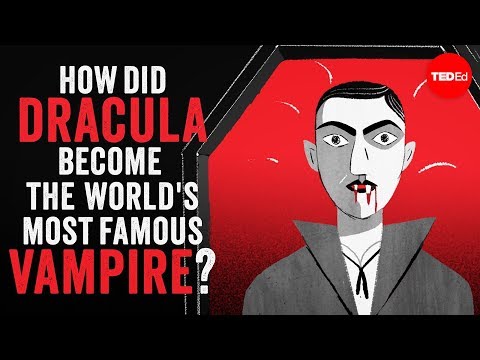
【TED-Ed】How did Dracula become the world's most famous vampire? - Stanley Stepanic
0
Amy.Lin posted on 2017/05/24Ever wondered how Dracula became such a spooky icon? This video dives into the fascinating history and folklore behind Bram Stoker's famous vampire, exploring everything from ancient myths to gothic fiction! You'll pick up some awesome advanced vocabulary and gain a deeper cultural understanding of vampire hysteria.
Learn this video on the APP!
The VoiceTube App has more in-depth practice for videos!