
account for
US /əˈkaʊnt fɔr/
UK /əˈkaunt fɔ:/
- Phrasal Verb
- To explain the cause or reason for something
- To form a particular amount or part of something.
- Verb (Transitive/Intransitive)
- To supply a reason or explanation for something.
- To form a particular amount or proportion of something.
A1Moreadapt
US /əˈdæpt/
UK /ə'dæpt/
- Transitive Verb
- To change something for a different function
- To change something to fit or suit a new purpose
- Intransitive Verb
- To change your behaviour so that it is easier to live in a new place or situation
B1TOEICMoreas well as
US /æz wɛl æz/
UK /æz wel æz/
- Adverb
- Also; in addition to
- Preposition
- In addition to; and also.
A1Moreaverage
US /ˈævərɪdʒ, ˈævrɪdʒ/
UK /'ævərɪdʒ/
- Noun (Countable/Uncountable)
- Total of numbers divided by the number of items
- Transitive Verb
- To add numbers then divide by the number of items
A2TOEICMoreby contrast
US /baɪ ˈkɑntræst/
UK /bai ˈkɔntræst/
- Phrase
- Used to introduce an idea or situation that is very different from one you have just mentioned.
B2Morecause
US /kɔz/
UK /kɔ:z/
- Noun
- Belief, goal or organization that people support
- Reason for
- Transitive Verb
- To make something happen; create effect or result
A2Moreclam
US /klæm/
UK /klæm/
- Countable Noun
- Kind of shellfish
C2Morecombination
US /ˌkɑmbəˈneʃən/
UK /ˌkɒmbɪ'neɪʃn/
- Noun
- Series of letters or numbers needed to open a lock
- Act or result of mixing things together
B1Morecome after
US /kʌm ˈæftɚ/
UK /kʌm ˈɑ:ftə/
- Phrasal Verb
- To follow someone in order to threaten them
A1Moreconsistently
US /kənˈsɪstəntlɪ/
UK /kən'sɪstəntlɪ/
- Adverb
- In a manner that is the same almost every time
- In every case or on every occasion; invariably
B1Moreconstantly
US /ˈkɑnstəntlɪ/
UK /ˈkɒnstəntli/
- Adverb
- Frequently, or without pause
- In a way that is unchanging or faithful
B1Morecontrast
US /ˈkɑ:ntræst/
UK /'kɒntrɑ:st/
- Verb (Transitive/Intransitive)
- To compare; to show clear, obvious differences
- Noun (Countable/Uncountable)
- Comparison that shows obvious differences
- Difference in light and dark in photos, etc.
A2Moredecline
US /dɪˈklaɪn/
UK /dɪ'klaɪn/
- Intransitive Verb
- To bend towards the ground
- To slope downward.
- Verb (Transitive/Intransitive)
- To lessen in quality or value
A2TOEICMoredefine
US /dɪˈfaɪn/
UK /dɪ'faɪn/
- Transitive Verb
- To explain the meaning of words
- To set or mark the limits of something
A2TOEICMoredegenerate
US /dɪ'dʒenəreɪt/
UK /dɪ'dʒenəreɪt/
- Intransitive Verb
- To become something worse or inferior; deteriorate
- Adjective
- Having become morally corrupt
B2Moredisease
US /dɪˈziz/
UK /dɪˈzi:z/
- Noun (Countable/Uncountable)
- Illness that affects a person, animal, or plant
- A disorder of structure or function in a plant, especially one caused by a pathogen.
- Transitive Verb
- To affect with disease; to corrupt or sicken.
A2TOEICMoredivide
US /dɪˈvaɪd/
UK /dɪ'vaɪd/
- Verb (Transitive/Intransitive)
- To split numbers by another number, e.g. 6 / 2 = 3
- To separate something into equal pieces
- Noun
- A separation or distinction.
A2TOEICMoredysfunction
US /dɪsˈfʌŋkʃən/
UK /dɪs'fʌŋkʃn/
- Noun (Countable/Uncountable)
- Failure to act as expected, as in a social context
- Impairment of normal physiological function.
B2Moreescape
US /ɪˈskep/
UK /ɪ'skeɪp/
- Noun (Countable/Uncountable)
- Act to briefly ignoring boring or bad things
- The 'esc key' on a keyboard
- Verb (Transitive/Intransitive)
- To avoid something undesirable, dangerous or bad
- To get away from a place where you are being kept
A2Moreevolutionary
US /ˌiːvəˈluːʃəneri/
UK /ˌi:vəˈlu:ʃənri/
- Adjective
- Concerning gradual change over time
B2Moreevolve
US /ɪˈvɑlv/
UK /ɪ'vɒlv/
- Verb (Transitive/Intransitive)
- To develop certain features
- To develop or change slowly over time
B1Moreexpire
US /ɪkˈspaɪr/
UK /ɪk'spaɪə(r)/
- Intransitive Verb
- To breathe out
- To die
B2TOEICMoreexposure
US /ɪkˈspoʒɚ/
UK /ɪk'spəʊʒə(r)/
- Noun
- Allowing light through a cameras lens onto film
- Being talked about in the media
A2TOEICMorefate
US /fet/
UK /feɪt/
- Noun (Countable/Uncountable)
- What will happen to you in the future, often bad
- Power that determines what happens; destiny
B1Morefor instance
US /fɔr ˈɪnstəns/
UK /fɔ: ˈinstəns/
- Adverb
- As an example.
- Phrase
- As an example.
- As an illustration or case in point
B1Moregenetic
US /dʒəˈnɛtɪk/
UK /dʒəˈnetɪk/
- Adjective
- Of, relating to, or controlled by genes
- Relating to genes or heredity.
B1Moregradually
US /ˈɡrædʒʊəlɪ/
UK /ˈgrædʒuəli/
- Adverb
- Occurring in a slow manner over a period of time
- Little by little; in a slow and progressive manner.
B1TOEICMoreimpressive
US /ɪmˈprɛsɪv/
UK /ɪmˈpresɪv/
- Adjective
- Causing admiration or respect; grand or expensive
- Having a strong effect, commanding attention.
B1TOEICMorein order to
US /ɪn ˈɔrdɚ tu/
UK /in ˈɔ:də tu:/
- Preposition
- For the purpose of; with the aim of.
- Phrase
- In a specific sequence or arrangement.
- With the aim of; for the purpose of.
C1Morein turn
US
UK
- Adverb
- One after the other in a sequence or rotation.
A1Moreinstance
US /ˈɪnstəns/
UK /'ɪnstəns/
- Noun (Countable/Uncountable)
- An example of something; case
- An occurrence of something.
- Transitive Verb
- To give as an example of something else
A2TOEICMorelifespan
US /ˈlaɪfspæn/
UK /ˈlaɪfspæn/
- Noun
- Length of time something is expected to last
B2Morelive up
US /liv ʌp/
UK /liv ʌp/
- Phrasal Verb
- To be as good as expected or promised.
A1Morelongevity
US /lɑnˈdʒɛvɪti, lɔn-/
UK /lɒn'dʒevətɪ/
- Uncountable Noun
- Amount of time someone or something lives or lasts
B2Moremajority
US /məˈdʒɔrɪti, -ˈdʒɑr-/
UK /mə'dʒɒrətɪ/
- Noun (Countable/Uncountable)
- Amount that is more than half of a group
- The age at which a person is legally considered an adult.
B1TOEICMoremechanism
US /ˈmɛkəˌnɪzəm/
UK /'mekənɪzəm/
- Noun (Countable/Uncountable)
- Part of a machine that performs a certain function
- System or process for achieving a certain result
B1Moremetabolic
US /ˌmetə'bɒlɪk/
UK /ˌmetə'bɒlɪk/
- Adjective
- Concerning the body's metabolism
- Relating to the rate at which metabolism occurs.
B2Moremultiple
US /ˈmʌltəpəl/
UK /ˈmʌltɪpl/
- Adjective
- Having or involving more than one of something
- Having or involving several parts, elements, or members.
- Countable Noun
- Number produced by multiplying a smaller number
- A number of identical circuit elements connected in parallel or series.
B1Morenutrition
US /nuˈtrɪʃən, nju-/
UK /njuˈtrɪʃn/
- Uncountable Noun
- Scientific study of the effects of foods on health
- Food and other things you eat or drink
B1Moreon earth
US /ɑn ɚθ/
UK /ɔn ə:θ/
- Phrase
- Used to emphasize a question expressing surprise or anger.
- Used to emphasize that something is not possible or will not happen.
A1Moreorganism
US /ˈɔrɡəˌnɪzəm/
UK /'ɔ:ɡənɪzəm/
- Noun
- Living thing, often one that is small
- System with many parts that function as a whole
B2Moreprocess
US /ˈprɑsˌɛs, ˈproˌsɛs/
UK /prə'ses/
- Transitive Verb
- To organize and use data in a computer
- To deal with official forms in the way required
- Noun (Countable/Uncountable)
- Dealing with official forms in the way required
- Set of changes that occur slowly and naturally
A2TOEICMoreprone
US /proʊn/
UK /prəʊn/
- Adjective
- Lying flat with your head facing the ground
- Likely to have, do or be (usually something bad)
B2TOEICMorerapidly
US /ˈræpɪdlɪ/
UK /'ræpɪdlɪ/
- Adverb
- With great speed; quickly
B1TOEICMorereach
US /ritʃ/
UK /ri:tʃ/
- Verb (Transitive/Intransitive)
- To come to or arrive at a goal or destination
- To be long enough to get to a certain place
- Uncountable Noun
- Power or control someone has over something
A2TOEICMoreregenerate
US /rɪˈdʒɛnəˌret/
UK /rɪˈdʒenəreɪt/
- Verb (Transitive/Intransitive)
- To form or create new things
B2Morerespond
US /rɪˈspɑnd/
UK /rɪ'spɒnd/
- Verb (Transitive/Intransitive)
- To answer something or someone
- To have a good reaction to e.g. medical treatment
A2TOEICMoresee in
US /si ɪn/
UK /si: in/
- Phrasal Verb
- To accompany someone to the entrance of a building or room.
A1Moreslow down
US /slo daʊn/
UK /sləu daun/
- Phrasal Verb
- To reduce the speed
- To become less active or busy.
A1Moresurvive
US /sɚˈvaɪv/
UK /sə'vaɪv/
- Intransitive Verb
- To continue to live despite illness or trouble
A2TOEICMoretortoise
US /ˈtɔ:rtəs/
UK /ˈtɔ:təs/
- Noun (Countable/Uncountable)
- Slow moving animal with a hard protective shell
C1Moreultimately
US /ˈʌltəmɪtli/
UK /ˈʌltɪmətli/
- Adverb
- Done or considered as the final and most important
- Fundamentally; at the most basic level.
B1TOEICMorevast
US /væst/
UK /vɑ:st/
- Adjective
- Being very large in size or amount
A2TOEICMoreworm
US /wɚm/
UK /wɜ:m/
- Noun
- Small thin tube-shaped animal without legs
- Transitive Verb
- To remove worms from an animals stomach
- To get information, etc. out of, by tricking them
B2More
Vocabulary
- on earth: Used to emphasize a question expressing surprise or anger.
- in turn: One after the other in a sequence or rotation.
- for instance: As an example.
- come after: To follow someone in order to threaten them
- in order to: For the purpose of; with the aim of.
- as well as: Also; in addition to
- live up: To be as good as expected or promised.
- slow down: To reduce the speed
- by contrast: Used to introduce an idea or situation that is very different from one you have just mentioned.
- account for: To explain the cause or reason for something
- see in: To accompany someone to the entrance of a building or room.
- ultimately: Done or considered as the final and most important
- constantly: Frequently, or without pause
- process: To organize and use data in a computer
- majority: Amount that is more than half of a group
- multiple: Having or involving more than one of something
- vast: Being very large in size or amount
- average: Total of numbers divided by the number of items
- prone: Lying flat with your head facing the ground
- instance: An example of something; case
- evolve: To develop certain features
- exposure: Allowing light through a cameras lens onto film
- impressive: Causing admiration or respect; grand or expensive
- combination: Series of letters or numbers needed to open a lock
- disease: Illness that affects a person, animal, or plant
- decline: To bend towards the ground
- environment: Natural world in which plants and animals live
- increase: To make or become larger in size or amount
- evolutionary: Concerning gradual change over time
- consistently: In a manner that is the same almost every time
- divide: To split numbers by another number, e.g. 6 / 2 = 3
- escape: Act to briefly ignoring boring or bad things
- mechanism: Part of a machine that performs a certain function
- gradually: Occurring in a slow manner over a period of time
- reach: To come to or arrive at a goal or destination
- contrast: To compare; to show clear, obvious differences
- genetic: Of, relating to, or controlled by genes
- adapt: To change something for a different function
- explain: To make clear or easy to understand by describing
- cause: Belief, goal or organization that people support
- perform: To carry out an action well or successfully
- define: To explain the meaning of words
- rapidly: With great speed; quickly
- metabolic: Concerning the body's metabolism
- account: An advantage
- compare: To consider how similar and different things are
- survive: To continue to live despite illness or trouble
- expire: To breathe out
- nutrition: Scientific study of the effects of foods on health
- fate: What will happen to you in the future, often bad
- respond: To answer something or someone
- lifespan: Length of time something is expected to last
- organism: Living thing, often one that is small
- manage: To survive hardships and difficulties; to cope
- longevity: Amount of time someone or something lives or lasts
- turn: To become (a particular age)
- grow: To get bigger and more mature; make plants do this
- include: To make someone, something part of a group
- degenerate: To become something worse or inferior; deteriorate
- atlantic: Of the ocean between Africa and the Americas
- case: Container used to carry things, e.g. clothes
- life: All the living things e.g. animals, plants, humans
- dysfunction: Failure to act as expected, as in a social context
- worm: Small thin tube-shaped animal without legs
- live: To be alive
- clam: Kind of shellfish
- regenerate: To form or create new things
- earth: Wire connecting an electrical device to the ground
- tortoise: Slow moving animal with a hard protective shell
Get the full experience in the app
Learn anywhere with detailed sentence and usage analysis
01:03
She took a brave step forward, leaving behind her comfort zone to chase her dreams.
Vocabulary
- brave
adj. Having courage
- comfort zone
phr. A familiar situation where one feels safe
Explanation
a brave step is a noun phrase, where brave is an adjective modifying the noun step, meaning "a courageous step".
forward is an adverb modifying step, meaning "ahead".
The whole phrase serves as the object, answering the "what" of took (verb) — she took a brave step forward.
Get the full experience in the app
Look up words anytime with pronunciation, part of speech, and usage
brave
US/brev/
UK/breɪv/
adj.Brave
v.t.To bravely face
A2 Elementary
Get the full experience in the app
Practice speaking anytime and get instant pronunciation feedback
Try this speaking exercise.
Try practicing with this sentence.
80
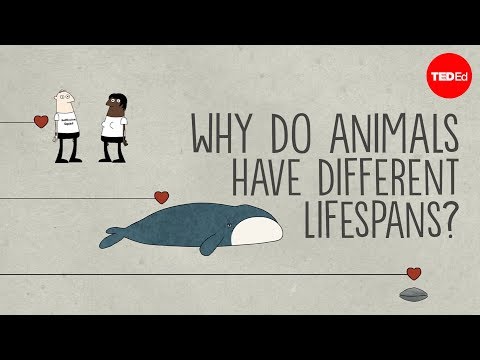
【TED-Ed】Why do animals have such different lifespans? - Joao Pedro de Magalhaes
0
wangjiechin posted on 2023/05/01Ever wondered why some creatures live for centuries while others barely make it a year? This fascinating TED-Ed video dives into the science behind animal lifespans, exploring everything from metabolic rates to evolutionary tricks! You'll pick up some awesome advanced vocabulary related to aging and longevity, making it a super engaging way to boost your English knowledge.
Learn this video on the APP!
The VoiceTube App has more in-depth practice for videos!