
advice
US /əd'vaɪs/
UK /ədˈvaɪs/
- Uncountable Noun
- Suggestion about what would help someone
- Professional guidance from a lawyer or legal expert.
A2TOEICMorealternative
US /ɔlˈtɚnətɪv, æl-/
UK /ɔ:lˈtɜ:nətɪv/
- Countable Noun
- Something different you can choose
- Adjective
- A different choice
A2TOEICMoreas a result of
US
UK
- Phrase
- Because of something; owing to.
A1Moreas opposed to
US
UK
- Preposition
- In contrast to; rather than.
- Instead of; in place of.
A1Moreassume
US /əˈsum/
UK /ə'sju:m/
- Transitive Verb
- To act in a false manner to mislead others
- To believe, based on the evidence; suppose
A2TOEICMoreat some point
US /æt sʌm pɔɪnt/
UK /æt sʌm pɔint/
- Phrase
- At an unspecified time, usually in the future.
A1Moreat the end of the day
US
UK
- Phrase
- Ultimately; when everything else is considered.
- After a day's work or activities.
A1Moreattractive
US /əˈtræktɪv/
UK /əˈtræktɪv/
- Adjective
- Making you like them, as by being good-looking
- Offering advantages or benefits; tempting.
A2Moreavoid
US /əˈvɔɪd/
UK /ə'vɔɪd/
- Transitive Verb
- To prevent from happening
- To stay away from
A2TOEICMorebased on
US
UK
- Phrasal Verb
- To use something as the foundation or starting point for something else.
- Preposition
- Using something as the main idea or foundation.
- Relying on something as evidence or justification.
A1Morebeat up
US /bit ʌp/
UK /bi:t ʌp/
- Phrasal Verb
- To hurt someone badly by hitting and punching
- Transitive Verb
- To assault or physically harm someone.
A2Morebond
US /bɑnd/
UK /bɒnd/
- Noun (Countable/Uncountable)
- Rope, chain or other thing used to tie someone up
- Closeness that is shared between people or groups
- Verb (Transitive/Intransitive)
- To develop a close relationship with
- To become joined or connected, e.g. using glue
A2TOEICMorebreak in
US /brek ɪn/
UK /breik in/
- Phrasal Verb
- To wear new (shoes, etc.) to make them comfortable
- To interrupt someone's conversation, task
- Verb (Transitive/Intransitive)
- To interrupt a conversation or activity.
- To wear something new until it becomes comfortable.
A1Morebuy into
US /baɪ ˈɪntu/
UK /bai ˈɪntuː/
- Phrasal Verb
- To come to accept an idea or believe in it
- To buy a part of something e.g. a company's shares
A1Morecapital
US /ˈkæpɪtl/
UK /'kæpɪtl/
- Noun
- Writing the first letter of a word in big letters
- Official main city of a country, province or state
- Adjective
- Main, or major
- (Of an offense) liable to the death penalty.
A2Morecare of
US /kɛr ʌv/
UK /kɛə ɔv/
- Preposition
- Used in an address to indicate the person who will receive the mail for someone else.
A2Morecash flow
US
UK
- Phrase
A2Morecash in
US /kæʃ ɪn/
UK /kæʃ in/
- Phrasal Verb
- To sell asset to get money back
- To sell something to get cash
A2Morechange your mind
US
UK
- Phrase
A1Morecoca
US
UK
- Noun
- Type of South American plant used to make cocaine
C1Morecome after
US /kʌm ˈæftɚ/
UK /kʌm ˈɑ:ftə/
- Phrasal Verb
- To follow someone in order to threaten them
A1Morecome from
US /kʌm frʌm/
UK /kʌm frɔm/
- Phrasal Verb
- To have as your native country or city
A1Morecome up with
US /kʌm ʌp wɪð/
UK /kʌm ʌp wið/
- Phrasal Verb
- To think of an idea or solution; produce
A1Moredeal with
US /dil wɪð/
UK /di:l wið/
- Verb (Transitive/Intransitive)
- To buy or sell goods or services.
- Phrasal Verb
- To take action to solve a problem or manage a situation.
- To be about; concern.
A1Moredebt
US /dɛt/
UK /det/
- Noun (Countable/Uncountable)
- Sum of money owed to someone that is not yet paid
- A moral or social obligation.
A2TOEICMoredo over
US /du ˈovɚ/
UK /du: ˈəuvə/
- Phrasal Verb
- To repeat an action; do something again
A1Moreend up with
US
UK
- Phrasal Verb
- To have something as a result.
A1Moreentitle
US /ɛnˈtaɪtl/
UK /ɪnˈtaɪtl/
- Transitive Verb
- To make you eligible to hold a title
- To give a right (of getting benefits) to someone
B1TOEICMoreequity
US /ˈɛkwɪti/
UK /ˈekwəti/
- Uncountable Noun
- Condition of people being treated the same
- Value of a house, etc., minus the mortgage
- Noun (Countable/Uncountable)
- Stocks and shares which pay no fixed interest
- The value of the shares issued by a company
B1TOEICMoreeven once
US
UK
- Phrase
- At least one time; even a single time.
- Used to emphasize the infrequency or absence of something.
A2Morefigure out
US /ˈfɪɡjɚ aʊt/
UK /ˈfiɡə aut/
- Phrasal Verb
- To understand the behavior of someone
- To think through logically to find a solution
- Verb (Transitive/Intransitive)
- To understand or find an answer to something.
- To find a solution to a problem or understand something.
A1Morefor example
US
UK
- Phrase
- As an illustration or instance.
for someone
US /fɚ ˈsʌmwʌn/
UK /fə ˈsʌmwʌn/
- other
- On behalf of or intended for a particular person.
A1Moreforce in
US /fɔrs ɪn/
UK /fɔ:rs ɪn/
- other
- To enter a place by applying physical force.
B2Moregenerate
US /ˈdʒɛnəˌret/
UK /ˈdʒenəreɪt/
- Transitive Verb
- To create or be produced or bring into existence
- To create electricity, heat, energy and power
A2TOEICMoregive up
US /ɡɪv ʌp/
UK /ɡiv ʌp/
- Phrasal Verb
- To lose hope or admit defeat
- To decide to not start to try solving a problem
- Verb Phrase
- to surrender an item; hand over an item
A1Morego back to
US /ɡo bæk tu/
UK /ɡəu bæk tu:/
- Phrasal Verb
- To return to a starting point
A1Morego public
US
UK
- Intransitive Verb
- To offer shares of a company to the public on the stock market for the first time.
B1Moregoing on
US /ˈɡoɪŋ ɑn/
UK /ˈgəʊɪŋ ɔn/
- Phrasal Verb
- To continue doing something
- To happen (usually negative)
A1Moregot to
US /ɡɑt tu/
UK /gɔt tu:/
- Verb (Transitive/Intransitive)
- To arrive at some place
- To have the opportunity or permission to do something
- Phrasal Verb
- To appeal to the emotions of; move
- To finally begin to start something after a delay
A1Morehave to
US /hæv tu/
UK /ˈhæv tə/
- Auxiliary Verb
- Must do
A1Morein exchange for
US /ɪn ɪksˈtʃendʒ fɔr/
UK /in iksˈtʃeindʒ fɔ:/
- Phrase
- Given or done as an equivalent or substitute for.
B1Morein fact
US /ɪn fækt/
UK /in fækt/
- Adverb
- Used to emphasize the truth of a statement, especially one that contrasts with or contradicts something else.
- Used to introduce a more detailed or surprising piece of information.
- Phrase
- Used to emphasize the truth of a statement, especially one that is surprising or contrary to what might be expected.
C1Morein order to
US /ɪn ˈɔrdɚ tu/
UK /in ˈɔ:də tu:/
- Preposition
- For the purpose of; with the aim of.
- Phrase
- In a specific sequence or arrangement.
- With the aim of; for the purpose of.
C1Morein public
US /ɪn ˈpʌblɪk/
UK /in ˈpʌblik/
- Phrase
- In a place where anyone can see or hear you.
- Adjective
- Relating to the government or the people as a whole.
B1Morein terms of
US
UK
- Phrase
- With regard to; concerning a particular aspect.
A1Morein the first place
US
UK
- Phrase
- To begin with; as the first point or consideration.
- From the beginning; initially.
A1Morein the future
US /ɪn ði ˈfjutʃɚ/
UK /in ðə ˈfju:tʃə/
- Phrase
- At a later time; in times to come.
A1Morein the world
US /ɪn ði wɜrld/
UK /in ðə wɜː(r)ld/
- Phrase
- Used to emphasize a question expressing surprise, confusion, disbelief
- Used to indicate the extent or degree of something, often in a superlative sense
A1Moreinstead of
US /ɪnˈstɛd ʌv/
UK /inˈsted ɔv/
- Preposition
- When one thing is replaced by another
- Adverb
- As a substitute or alternative.
A1Moreinterest of
US
UK
- Phrase
- For the benefit or advantage of someone or something.
- A feeling of wanting to know or learn about something or someone.
- Noun
- A legal share or right in something.
A1Moreinvest
US /ɪnˈvɛst/
UK /ɪn'vest/
- Transitive Verb
- To use resources to build for the future
A2TOEICMoreinvestment
US /ɪnˈvɛstmənt/
UK /ɪnˈvestmənt/
- Noun (Countable/Uncountable)
- Something purchased hoping its value will increase
- Something you invest in, such as a company, property, etc.
A2TOEICMoreknow about
US /noʊ əˈbaʊt/
UK /nəʊ əˈbaut/
- Phrasal Verb
- To have information or understanding of a subject or situation.
lecture
US /ˈlɛktʃɚ/
UK /'lektʃə(r)/
- Transitive Verb
- To speak to someone to show anger or warn them
- To give a talk or speech about a subject
- Noun (Countable/Uncountable)
- Telling someone off for doing something wrong
- Talk or speech about a particular subject
A2TOEICMorelemonade
US /ˌlɛməˈned/
UK /ˌleməˈneɪd/
- Uncountable Noun
- Drink that has a lemon flavor
B2Moreleverage
US /ˈlɛvərɪdʒ, ˈlivə-/
UK /'li:vərɪdʒ/
- Noun (Countable/Uncountable)
- An advantage which gives you influence or power
- An advantage gained through the use of resources or a strategic position
- Transitive Verb
- To use an advantage which gives you influence
B2TOEICMorelook at
US /lʊk æt/
UK /luk æt/
- Phrasal Verb
- To use your eyes to focus on something
- To focus your eyes on something carefully
A1Morelook for
US /lʊk fɔr/
UK /luk fɔ:/
- Phrasal Verb
- To try to find a thing or person that is lost
- To expect or anticipate something.
A1Morelose money
US /luz ˈmʌni/
UK /lu:z ˈmʌni/
- Intransitive Verb
- To suffer a financial loss; to not make a profit.
A1Moremake with
US
UK
- Phrasal Verb
- To offer or provide something, often quickly or unexpectedly.
move up
US /muv ʌp/
UK /mu:v ʌp/
- Phrasal Verb
- To advance to a higher rank or position.
- To advance in a line or queue.
B1Moremuch about
US /mʌtʃ əˈbaʊt/
UK /mʌtʃ əˈbaut/
- Phrase
- A lot of information or knowledge concerning something.
- To a great extent or degree regarding something; caring.
A1Moremutual
US /ˈmjutʃuəl/
UK /'mju:tʃʊəl/
- Adjective
- Shared between two or more people
- Possessed or held in common.
- Noun
B1Morename for
US
UK
- Phrasal Verb
- To give someone or something a particular name, often in honor of someone else.
A1Moreof any kind
US
UK
- Phrase
- Of any type or variety whatsoever.
- To any degree or extent.
A1Moreof course
US /ʌv kɔː(r)s/
UK /ɔv kɔː(r)s/
- Adverb
- Sure ; Certainly
- Phrase
- For sure; certainly
A2Moreof interest
US /əv ˈɪntrɪst/
UK /əv ˈɪntrəst/
- other
- Relevant or important to someone or something.
B2Moreof value
US /ʌv ˈvælju/
UK /ɔv ˈvælju/
- Adjective
- Having worth, importance, or usefulness.
- Providing a benefit or advantage.
A1Moreoff the table
US
UK
- Phrase
- No longer being considered or discussed.
- Removed from the table.
A1Moreon the basis of
US
UK
- Phrase
- Because of; using as a reason or justification.
A1Moreon the market
US
UK
- Phrase
- Available for sale.
- Actively seeking employment.
A2Moreon the money
US /ɑn ðə ˈmʌni/
UK /ɒn ðə ˈmʌni/
- other
- Exactly correct or precise.
B2Moreon the stock
US /ɑn ðə stɑk/
UK /ɒn ðə stɒk/
- other
- Present or available in inventory or storage.
C1Moreother than
US
UK
- Preposition
- Except for; apart from.
- Conjunction
- Different from.
A1Moreoutstanding
US /aʊtˈstændɪŋ, ˈaʊtˌstæn-/
UK /aʊtˈstændɪŋ/
- Adjective
- Being better/distinct from others; specially good
B1TOEICMoreover time
US /ˈovɚ taɪm/
UK /ˈəuvə taim/
- Phrase
- Gradually; as time passes.
- During a long period.
- Adverb
- Gradually; as time passes.
B1Morepaid off
US
UK
- Phrasal Verb
- To give money to get person to do something; bribe
- To give money to settle a debt
- Transitive Verb
- To have bribed someone.
- To have paid a debt in full.
A1Morepay off
US /pe ɔf/
UK /pei ɔf/
- Phrasal Verb
- To give money to get person to do something; bribe
- To give money to settle a debt
- Transitive Verb
- To bribe someone.
- To pay a debt in full.
A1Moreper annum
US
UK
- Phrase
- By the year; each year
B1Moreper year
US
UK
- Phrase
- For each year; annually.
A2Moreportfolio
US /pɔrtˈfoliˌo, port-/
UK /pɔ:t'fəʊlɪəʊ/
- Noun (Countable/Uncountable)
- A list of the financial assets held by someone
- List of work submitted to a teacher/for approval
B1TOEICMorepull together
US /pʊl təˈɡɛðɚ/
UK /pul təˈɡeðə/
- Phrasal Verb
- To work hard and cooperate with other people in order to achieve something
- To regain emotional control; to compose oneself.
A1Moreput aside
US
UK
- Phrasal Verb
- To save money regularly.
- To temporarily ignore or forget something, such as a disagreement or problem.
A1Moreput away
US /pʊt əˈwe/
UK /put əˈwei/
- Phrasal Verb
- To put things in a closet, etc.; tidy up
- To eat quickly
A1Morequality
US /ˈkwɑlɪti/
UK /'kwɒlətɪ/
- Noun (Countable/Uncountable)
- Feature associated with someone or something
- High level of worth or excellence
- Adjective
- Of a high standard
A2TOEICMoreregardless of
US /rɪˈɡɑrdlɪs ʌv/
UK /riˈɡɑ:dlis ɔv/
- Phrase
- Preposition
- Without being affected or influenced by something; despite.
A2Moresee in
US /si ɪn/
UK /si: in/
- Phrasal Verb
- To accompany someone to the entrance of a building or room.
A1Moresell off
US
UK
- Phrasal Verb
- To sell something quickly, usually because you need the money or because you want to stop being involved with it.
A2Moreset aside
US
UK
- Phrasal Verb
- To reject or throw away, e.g. an idea
- To separate and save for another use or time
- Transitive Verb
- To keep or save something for use at a later time.
- To designate or allocate something for a specific purpose or group.
A1Moreset up
US /sɛt ʌp/
UK /set ʌp/
- Phrasal Verb
- To make arrangements for something; establish
- Verb (Transitive/Intransitive)
- To arrange or prepare something for use.
- To start a business, organization, etc.
A1Moreshare in
US /ʃɛr ɪn/
UK /ʃɛə in/
- Phrasal Verb
- To participate in something; to have a part or interest in something.
- To receive a portion of something, such as profits or losses.
A1Moreshareholder
US /ˈʃerhoʊldə(r)/
UK /ˈʃeəhəʊldə(r)/
- Noun (Countable/Uncountable)
- Someone who holds shares of stock in a corporation
C2TOEICMorestatement
US / ˈstetmənt/
UK /ˈsteɪtmənt/
- Noun (Countable/Uncountable)
- Record of activity in a bank account over time
- Act or process of saying something formally
A2TOEICMorestock
US /stɑk/
UK /stɒk/
- Noun (Countable/Uncountable)
- Animals such as cattle kept for breeding
- Merchandise; goods kept by a business for sale
- Uncountable Noun
- Tasty liquid added to stews, soups etc.
B2TOEICMoretalking about
US
UK
- Phrasal Verb
- To discuss a particular topic.
- To be constantly mentioning or bringing up a subject.
A1Morethink about
US /θɪŋk əˈbaʊt/
UK /θiŋk əˈbaut/
- Phrasal Verb
- To consider something carefully.
- To remember or call to mind.
A1Morethink back
US /θɪŋk bæk/
UK /θiŋk bæk/
- Phrasal Verb
- To recapture the past
A1Moreto do with
US
UK
- Phrasal Verb
- To be about something; concern
A1Moreto let
US /tu lɛt/
UK /tu let/
- Preposition
- Indicates that a property is available for rent.
A2Moreto scale
US
UK
- Phrase
- In proportion; maintaining accurate relative dimensions.
- Verb (Transitive/Intransitive)
- To increase or expand proportionally.
- To climb or ascend.
B2Moretrade in
US /treid ɪn/
UK /treid in/
- Phrasal Verb
- To give something as part of the payment for something else.
B1Moreused to
US /juzd tu/
UK /ˈju:st tə/
- Adjective
- Did regularly before, but don't do now
- Auxiliary Verb
- Have done before, but do not do now
A1Morevolatility
US /ˌvɒlə'tɪlətɪ/
UK /ˌvɒlə'tɪlətɪ/
- Uncountable Noun
- Changing from a solid or liquid to a gas
- Quality of changing suddenly or extremely
B2Morewear out
US /wɛr aʊt/
UK /wɛə aut/
- Phrase
- Phrasal Verb
- To use until it becomes unusable; become unusable
- To make very tired; tire out
A1Moreworth
US /wɚθ/
UK /wɜ:θ/
- Noun (Countable/Uncountable)
- the financial, practical or moral value of somebody/something
- having a particular value, especially in money
- Adjective
- Having a specified value.
A2More
Vocabulary
- think about: To consider something carefully.
- have to: Must do
- look at: To use your eyes to focus on something
- over time: Gradually; as time passes.
- in the world: Used to emphasize a question expressing surprise, confusion, disbelief
- in order to: For the purpose of; with the aim of.
- figure out: To understand the behavior of someone
- instead of: When one thing is replaced by another
- per year: For each year; annually.
- got to: To arrive at some place
- share in: To participate in something; to have a part or interest in something.
- of value: Having worth, importance, or usefulness.
- talking about: To discuss a particular topic.
- in public: In a place where anyone can see or hear you.
- for someone: On behalf of or intended for a particular person.
- going on: To continue doing something
- based on: To use something as the foundation or starting point for something else.
- know about: To have information or understanding of a subject or situation.
- off the table: No longer being considered or discussed.
- in exchange for: Given or done as an equivalent or substitute for.
- lose money: To suffer a financial loss; to not make a profit.
- interest of: For the benefit or advantage of someone or something.
- sell off: To sell something quickly, usually because you need the money or because you want to stop being involved with it.
- paid off: To give money to get person to do something; bribe
- as opposed to: In contrast to; rather than.
- go public: To offer shares of a company to the public on the stock market for the first time.
- in terms of
- put aside: To save money regularly.
- deal with
- make with: To offer or provide something, often quickly or unexpectedly.
- come up with: To think of an idea or solution; produce
- name for: To give someone or something a particular name, often in honor of someone else.
- end up with: To have something as a result.
- to let: Indicates that a property is available for rent.
- do over: To repeat an action; do something again
- beat up: To hurt someone badly by hitting and punching
- at the end of the day: Ultimately; when everything else is considered.
- give up: To lose hope or admit defeat
- see in: To accompany someone to the entrance of a building or room.
- wear out
- to scale: In proportion; maintaining accurate relative dimensions.
- cash flow
- cash in: To sell asset to get money back
- on the money: Exactly correct or precise.
- per annum: By the year; each year
- come after: To follow someone in order to threaten them
- much about: A lot of information or knowledge concerning something.
- of interest: Relevant or important to someone or something.
- in the first place: To begin with; as the first point or consideration.
- for example: As an illustration or instance.
- other than: Except for; apart from.
- in fact: Used to emphasize the truth of a statement, especially one that contrasts with or contradicts something else.
- go back to: To return to a starting point
- trade in: To give something as part of the payment for something else.
- at some point: At an unspecified time, usually in the future.
- on the market: Available for sale.
- force in: To enter a place by applying physical force.
- on the stock: Present or available in inventory or storage.
- change your mind
- as a result of: Because of something; owing to.
- used to: Did regularly before, but don't do now
- look for: To try to find a thing or person that is lost
- set up
- break in: To wear new (shoes, etc.) to make them comfortable
- of course: Sure ; Certainly
- move up: To advance to a higher rank or position.
- regardless of
- think back: To recapture the past
- care of: Used in an address to indicate the person who will receive the mail for someone else.
- in the future: At a later time; in times to come.
- put away: To put things in a closet, etc.; tidy up
- pay off: To give money to get person to do something; bribe
- even once: At least one time; even a single time.
- set aside: To reject or throw away, e.g. an idea
- to do with: To be about something; concern
- pull together: To work hard and cooperate with other people in order to achieve something
- buy into: To come to accept an idea or believe in it
- of any kind: Of any type or variety whatsoever.
- on the basis of: Because of; using as a reason or justification.
- come from: To have as your native country or city
- assume: To act in a false manner to mislead others
- period: Set amount of time during which events take place
- alternative: Something different you can choose
- term: Conditions applying to an agreement, contract
- sense: Certain mental feeling or emotion
- amount: Quantity of something
- statement: Record of activity in a bank account over time
- bond: Rope, chain or other thing used to tie someone up
- quality: Feature associated with someone or something
- capital: Writing the first letter of a word in big letters
- advice: Suggestion about what would help someone
- debt: Sum of money owed to someone that is not yet paid
- avoid: To prevent from happening
- worth: the financial, practical or moral value of somebody/something
- attractive: Making you like them, as by being good-looking
- mutual: Shared between two or more people
- leverage: An advantage which gives you influence or power
- raise: To increase a bet above another when playing cards
- generate: To create or be produced or bring into existence
- lecture: To speak to someone to show anger or warn them
- compare: To consider how similar and different things are
- risk: To do something potentially dangerous or foolish
- stock: Animals such as cattle kept for breeding
- rate: To assess something or consider its qualities
- pretty: Being attractive to the eye in a simple way
- investment: Something purchased hoping its value will increase
- invest: To use resources to build for the future
- interest: Best or most advantageous thing for someone
- company: Good feeling from being with someone else
- public: Owned by the government
- build: Your physical shape; physique
- kind: In a caring and helpful manner
- stand: To be a candidate in an election
- portfolio: A list of the financial assets held by someone
- entitle: To make you eligible to hold a title
- volatility: Changing from a solid or liquid to a gas
- equity: Condition of people being treated the same
- outstanding: Being better/distinct from others; specially good
- lemonade: Drink that has a lemon flavor
- shareholder: Someone who holds shares of stock in a corporation
- coca: Type of South American plant used to make cocaine
Get the full experience in the app
Learn anywhere with detailed sentence and usage analysis
01:03
She took a brave step forward, leaving behind her comfort zone to chase her dreams.
Vocabulary
- brave
adj. Having courage
- comfort zone
phr. A familiar situation where one feels safe
Explanation
a brave step is a noun phrase, where brave is an adjective modifying the noun step, meaning "a courageous step".
forward is an adverb modifying step, meaning "ahead".
The whole phrase serves as the object, answering the "what" of took (verb) — she took a brave step forward.
Get the full experience in the app
Look up words anytime with pronunciation, part of speech, and usage
brave
US/brev/
UK/breɪv/
adj.Brave
v.t.To bravely face
A2 Elementary
Get the full experience in the app
Practice speaking anytime and get instant pronunciation feedback
Try this speaking exercise.
Try practicing with this sentence.
80
William Ackman: Everything You Need to Know About Finance and Investing in Under an Hour
0
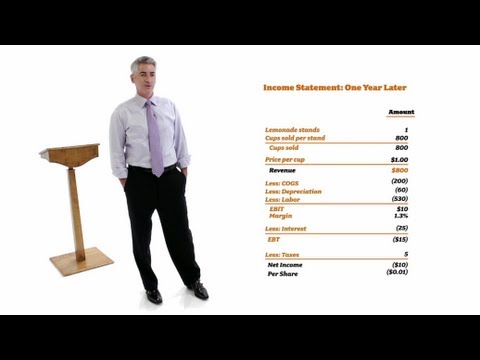
郎奇多 posted on 2013/07/06Ever wondered how to start a company or understand financial statements? This video breaks down investing basics with Bill Ackman, using fun examples like a lemonade stand to explain complex ideas! You'll pick up tons of practical vocabulary that's super useful for young investors and anyone interested in startup financing.
Learn this video on the APP!
The VoiceTube App has more in-depth practice for videos!