
all along
US /ɔl əˈlɔŋ/
UK /ɔ:l əˈlɔŋ/
- Adverb
- From the beginning; all the time.
- Phrase
- In a line parallel to something long.
A2Moreanything other than
US
UK
- Phrase
- Except for; not including
- Different from; not
at last
US /æt læst/
UK /æt lɑ:st/
- Adverb
- Finally; after a long delay.
B1Moreat midnight
US
UK
- Phrase
- At twelve o'clock at night; the middle of the night.
- Used to indicate the time when something will happen or is expected to happen.
A1Moreat some point
US /æt sʌm pɔɪnt/
UK /æt sʌm pɔint/
- Phrase
- At an unspecified time, usually in the future.
A1Moreat that time
US /æt ðæt taɪm/
UK /æt ðæt taim/
- Phrase
- During a specific point in the past.
A1Moreat the same time
US
UK
- Phrase
- Simultaneously; at the identical moment.
- Nevertheless; however; used to introduce a contrasting or qualifying statement.
A1Morebang on
US /bæŋ ɑn/
UK /bæŋ ɔn/
- Phrase
- Exactly (used with numbers, time, for emphasis)
- Phrasal Verb
- To keep talking so it becomes annoying
A2Morebetrayal
US /bɪ'treɪəl/
UK /bɪ'treɪəl/
- Uncountable Noun
- Act of giving knowledge or information to an enemy
B1Morecharitable
US /ˈtʃærɪtəbəl/
UK /ˈtʃærətəbl/
- Adjective
- Concerning helping people who are sick or poor
B2Morechatter
US /ˈtʃætɚ/
UK /ˈtʃætə(r)/
- Intransitive Verb
- To talk a lot in a casual manner
- (As of teeth if cold) to click uncontrollably
- Uncountable Noun
- Continuous rapid talk about matters of little importance.
- A rapid series of short, sharp noises.
C2Morechildhood
US /ˈtʃaɪldˌhʊd/
UK /ˈtʃaɪldhʊd/
- Uncountable Noun
- The time when you are a child
B1Moreclash
US /klæʃ/
UK /klæʃ/
- Intransitive Verb
- To have a disagreement or fight over something
- (Of colors) to not suit or match appealingly
- Noun (Countable/Uncountable)
- A conflict; disagreement
B1Morecome back
US /kʌm bæk/
UK /kʌm bæk/
- Phrasal Verb
- To reply to someone, often forcefully
- To be remembered
A1Morecome from
US /kʌm frʌm/
UK /kʌm frɔm/
- Phrasal Verb
- To have as your native country or city
A1Morecrowd
US /kraʊd/
UK /kraʊd/
- Verb (Transitive/Intransitive)
- To force too many things, people into
- (Lots of people) to meet together in one place
- Noun (Countable/Uncountable)
- Large group of people together in one place
A2Moredare
US /der/
UK /deə(r)/
- Transitive Verb
- To challenge someone to do something that is risky
- To have enough courage to do something
- Noun (Countable/Uncountable)
- A dangerous or risky act people are afraid to do
A2Moredeal with
US /dil wɪð/
UK /di:l wið/
- Verb (Transitive/Intransitive)
- To buy or sell goods or services.
- Phrasal Verb
- To take action to solve a problem or manage a situation.
- To be about; concern.
A1Moredeathly
US /ˈdɛθli/
UK /ˈdeθli/
- Adverb
- Like death; very quiet, pale etc.
- Adjective
- Resembling or suggestive of death.
B1Moredepending on
US
UK
- Phrasal Verb
- To rely on for support (financial or emotional)
- Influenced or determined by.
- Preposition
- Subject to; contingent on
- Relying on someone or something for support or assistance.
A2Moredeprivation
US /ˌdɛprəˈveʃən/
UK /ˌdeprɪˈveɪʃn/
- Uncountable Noun
- State of lacking something needed
- The state of lacking or being denied something considered necessary.
B2Moredespite the fact
US
UK
- Preposition
- In spite of; notwithstanding.
- Conjunction
- Even though; although.
A2Moredown the road
US
UK
- Phrase
- At a future time; in the future.
- Along the street; a short distance away.
A1Moredraws out
US
UK
- Phrasal Verb
- To lengthen (far beyond the normal limits)
- To get someone to tell you their real feelings
A1Moreevil
US /ˈivəl/
UK /'i:vl/
- Countable Noun
- Act considered morally bad
- Adjective
- Morally bad; causing harm to people
- Profoundly immoral and wicked.
A2Moreexpectation
US /ˌɛkspɛkˈteʃən/
UK /ˌekspekˈteɪʃn/
- Noun (Countable/Uncountable)
- Belief or hope that something is going to happen
- A belief that someone should behave in a particular way.
A2TOEICMorefairy
US /ˈfɛri/
UK /'feərɪ/
- Noun
- Small imaginary being that can do magic
B1Morefeel happy
US
UK
- Intransitive Verb
- To experience a sense of joy, pleasure, or contentment.
A1Morefeel like
US
UK
- Intransitive Verb
- To have a desire or inclination for something.
- To have a particular quality or sensation; resemble.
A1Morefilm
US /fɪlm/
UK /fɪlm/
- Noun (Countable/Uncountable)
- Thin layer that covers something
- Movie
- Transitive Verb
- To record moving action with a camera
A2Morefor long
US
UK
- Phrase
- For a considerable period of time.
- For a significant duration in the future.
A1Morefor myself
US /fɚ maɪˈsɛlf/
UK /fə maɪˈself/
- other
- Done for one's own benefit or use.
A1Morefor want of
US /fɚ wɑnt ʌv/
UK /fə wɒnt əv/
- other
- Because of a lack or absence of something necessary.
B2Moreforce for good
US
UK
- Noun
- A person or thing that has a positive and beneficial influence.
B1Morefound out
US
UK
- Phrasal Verb
- To learn or discover something, often after some effort.
- To become known; be revealed.
B2Moregay
US /ɡeɪ/
UK /geɪ/
- Adjective
- Happy and bright
- Attracted to the same sex; homosexual; lesbian
- Noun
- Person attracted to someone of the same sex
B1Morego back to
US /ɡo bæk tu/
UK /ɡəu bæk tu:/
- Phrasal Verb
- To return to a starting point
A1Moregot to
US /ɡɑt tu/
UK /gɔt tu:/
- Verb (Transitive/Intransitive)
- To arrive at some place
- To have the opportunity or permission to do something
- Phrasal Verb
- To appeal to the emotions of; move
- To finally begin to start something after a delay
A1Moregrow up
US /ɡro ʌp/
UK /ɡrəu ʌp/
- Phrasal Verb
- To develop from a child into an adult
A1Morehappy ending
US
UK
- Noun
- A conclusion to a story, play, movie, etc., in which everything turns out well for the protagonists.
- A positive and satisfying resolution to a situation or period of difficulty.
A1Morehave to
US /hæv tu/
UK /ˈhæv tə/
- Auxiliary Verb
- Must do
A1Morein deference to
US
UK
- Phrase
- Out of respect or consideration for someone or something.
in fact
US /ɪn fækt/
UK /in fækt/
- Adverb
- Used to emphasize the truth of a statement, especially one that contrasts with or contradicts something else.
- Used to introduce a more detailed or surprising piece of information.
- Phrase
- Used to emphasize the truth of a statement, especially one that is surprising or contrary to what might be expected.
C1Morein other words
US
UK
- Phrase
- Stating something in a different way, often to make it clearer or more understandable.
in part
US /ɪn pɑrt/
UK /in pɑ:t/
- Adverb
- To some extent; partially.
A1Morein person
US /ɪn ˈpɜːrsn/
UK /in ˈpɜːsn/
- Adverb
- Physically present; not by proxy or remotely.
- Face-to-face; not through electronic communication.
A1Morein retrospect
US /ɪn ˈrɛtrəˌspɛkt/
UK /in ˈretrəspekt/
- Uncountable Noun
- Thinking back on what happened
C1Morein secret
US /ɪn ˈsiːkrət/
UK /in ˈsiːkrət/
- Phrase
- Done or kept in a way that is not known or seen by others.
B1Morein the books
US /ɪn ði bʊks/
UK /ɪn ði bʊks/
- other
- Finished, completed, or officially recorded.
B2Morein the world
US /ɪn ði wɜrld/
UK /in ðə wɜː(r)ld/
- Phrase
- Used to emphasize a question expressing surprise, confusion, disbelief
- Used to indicate the extent or degree of something, often in a superlative sense
A1Morein times
US
UK
- Phrase
- During periods or moments of.
- During a particular era or period in history.
A1Moreindistinctly
US /ˌɪndɪ'stɪŋktlɪ/
UK /ˌɪndɪ'stɪŋktlɪ/
- Adverb
- In a way not easy to hear, see or define
B1Morelaunch
US /lɔntʃ, lɑntʃ/
UK /lɔ:ntʃ/
- Noun
- Starting a new project; introducing new product
- Act of firing rockets into the air
- Transitive Verb
- To start a new project; start selling a product
- To put a rocket into the air
A2TOEICMorelive up
US /liv ʌp/
UK /liv ʌp/
- Phrasal Verb
- To be as good as expected or promised.
A1Moreloathe
US /loð/
UK /ləʊð/
- Transitive Verb
- To dislike someone or something greatly; detest
B2Morelook at
US /lʊk æt/
UK /luk æt/
- Phrasal Verb
- To use your eyes to focus on something
- To focus your eyes on something carefully
A1Morelook away
US /lʊk əˈwe/
UK /luk əˈwei/
- Phrasal Verb
- To turn your eyes in a different direction, especially because you are embarrassed, frightened, or upset.
A2Morelook back
US /lʊk bæk/
UK /luk bæk/
- Phrasal Verb
- To think about past events
A1Moremad
US /mæd/
UK /mæd/
- Adjective
- Very angry
- Enthusiastic about something
A2Moremanuscript
US /ˈmænjəˌskrɪpt/
UK /ˈmænjuskrɪpt/
- Noun (Countable/Uncountable)
- Original piece of writing before it is published
B2Moremarriage
US /ˈmærɪdʒ/
UK /ˈmærɪdʒ/
- Noun
- Relationship between a husband and a wife
- A wedding ceremony
A2Morematch up to
US /mætʃ ʌp tu/
UK /mætʃ ʌp tu:/
- Phrasal Verb
- To be as good as someone or something
A1Moremidnight
US /ˈmɪdˌnaɪt/
UK /ˈmɪdnaɪt/
- Noun
- 12 o'clock at night; the middle of the night
B1Morenarrator
US /ner.eɪ.tɚ/
UK /nəˈreɪtə(r)/
- Noun
- Person or character who tells a story
- A person who provides commentary or narration, especially for a broadcast or performance.
B1Morenext door
US /nɛkst dɔr/
UK /nekst dɔ:/
- Adverb
- Living in the house next to the one mentioned
A1Moreoccur
US /əˈkɚ/
UK /əˈkɜ:(r)/
- Intransitive Verb
- To come to pass or to happen
- To be found to exist; to be present.
A2TOEICMoreodd
US /ɑd/
UK /ɒd/
- Adjective
- Being unmatched with someone or something
- Being a number not able to be divided by two
A2Moreof course
US /ʌv kɔː(r)s/
UK /ɔv kɔː(r)s/
- Adverb
- Sure ; Certainly
- Phrase
- For sure; certainly
A2Moreon television
US /ɑn ˈtɛləvɪʒən/
UK /ɒn ˈtelɪvɪʒən/
- other
- Appearing or broadcast on TV.
A2Moreon the beach
US
UK
- Phrase
- Located on the sandy or pebbly area bordering a body of water.
A1Moreon the door
US /ɑn ðə dɔr/
UK /ɒn ðə dɔ:/
- Preposition
- Situated on the surface or part of a door.
B1Moreon the telephone
US /ɑn ðə ˈtɛləˌfoʊn/
UK /ɒn ðə ˈtɛlɪfəʊn/
- other
- Engaged in a phone call.
A2Moreon the way
US /ɑn ði we/
UK /ɔn ðə wei/
- Phrase
- During the journey to a particular place.
A1Moreother than
US
UK
- Preposition
- Except for; apart from.
- Conjunction
- Different from.
A1Moreout of nowhere
US
UK
- Phrase
- Suddenly and unexpectedly; from an unknown place or source.
park in
US /ˈpɑrk ɪn/
UK /ˈpɑ:k ɪn/
- other
- To drive a vehicle into a parking spot or area.
A2Moreplot
US /plɑt/
UK /plɒt/
- Countable Noun
- Small piece of land for a house growing crops etc.
- Series of events that form the main story
- Transitive Verb
- To mark a path, etc. on a map, using lines or dots
- To devise or develop a dramatic storyline
B1Morepotter
US /'pɑ:tər/
UK /'pɒtə(r)/
- Intransitive Verb
- To spend time, e.g. gardening, without hurrying
- Countable Noun
- Someone who makes pots, bowls etc. out of clay
C2Moreright back
US /raɪt bæk/
UK /rait bæk/
- Interjection
- Said when someone says they will return soon, indicating you expect their prompt return.
- Adverb
- Immediately; very soon after going.
A1Moreright in front
US
UK
- Phrase
- Directly ahead; in a position immediately before someone or something.
- In a position where something is easily visible or obvious.
A2Moresame time
US
UK
- Phrase
- Occurring simultaneously or at the same point in time.
- At the identical time as before; recurring at a fixed hour.
- Noun
- An equal duration or period.
A1Moresclerosis
US /skləˈroʊsɪs/
UK /skləˈrəʊsɪs/
- Uncountable Noun
- (Medical) process in which a soft tissue becomes hard
C1Moresecret of
US
UK
- Phrase
- The key or hidden information that explains something.
- Confidential information about something.
A1Moreshout
US /ʃaʊt/
UK /ʃaʊt/
- Verb (Transitive/Intransitive)
- To speak very loudly to get attention
- Noun
- Speaking loudly so you get attention
A2Moresuch as
US /sʌtʃ æz/
UK /sʌtʃ æz/
- Preposition
- For example; like
A1Moresuppose
US /səˈpoʊz/
UK /sə'pəʊz/
- Verb (Transitive/Intransitive)
- To imagine or guess what might happen
- Conjunction
- What if
A2TOEICMoretake in
US
UK
- Phrasal Verb
- To allow to enter; receive as a guest
- To include or add
- Transitive Verb
- To absorb (liquid).
- To understand or comprehend something.
A1Moretale
US /tel/
UK /teɪl/
- Countable Noun
- Story that is not true
- Story about colorful and imaginary events
A2Moreterrible
US /ˈtɛrəbəl/
UK /ˈterəbl/
- Adjective
- Very bad; horrible
- Causing great fear; frightening
A2TOEICMoreto an extent
US /tə ən ɪkˈstɛnt/
UK /tə ən ikˈstent/
- other
- Partly or in some degree.
B1Moreto do with
US
UK
- Phrasal Verb
- To be about something; concern
A1Moretogether with
US /təˈɡɛðɚ wɪð/
UK /təˈɡeðə wið/
- Preposition
- In addition to; along with.
- Including; as well as.
A1Moretrust
US /trʌst/
UK /trʌst/
- Verb (Transitive/Intransitive)
- To expect confidently
- To have confidence or faith
- Uncountable Noun
- Wealth or property held by one person for another
- The belief that someone is honest
A2TOEICMoretruth
US /truθ/
UK /tru:θ/
- Uncountable Noun
- Real facts about something
A2Moreused to
US /juzd tu/
UK /ˈju:st tə/
- Adjective
- Did regularly before, but don't do now
- Auxiliary Verb
- Have done before, but do not do now
A1Morewalk around
US
UK
- Phrasal Verb
- To stroll or wander in a leisurely way.
- To move about in order to inspect something.
A2Morewith it
US /wɪð ɪt/
UK /wið it/
- Adjective
- Intelligent, alert, and up-to-date.
- Understanding and knowledgeable about current trends or information.
A1Morework on
US /wɚk ɑn/
UK /wə:k ɔn/
- Phrasal Verb
- To devote effort to improve or develop something
- To try to persuade or influence someone.
A1Morewrite in
US
UK
- Phrasal Verb
- To add text to a document or form.
- To vote for a candidate whose name is not printed on the ballot by writing it in.
A1More
Vocabulary
- feel like: To have a desire or inclination for something.
- used to: Did regularly before, but don't do now
- with it: Intelligent, alert, and up-to-date.
- got to: To arrive at some place
- deal with
- at the same time: Simultaneously; at the identical moment.
- same time: Occurring simultaneously or at the same point in time.
- of course: Sure ; Certainly
- have to: Must do
- come back: To reply to someone, often forcefully
- in secret: Done or kept in a way that is not known or seen by others.
- for myself: Done for one's own benefit or use.
- secret of: The key or hidden information that explains something.
- come from: To have as your native country or city
- in part: To some extent; partially.
- down the road: At a future time; in the future.
- together with: In addition to; along with.
- look at: To use your eyes to focus on something
- for long: For a considerable period of time.
- found out: To learn or discover something, often after some effort.
- next door: Living in the house next to the one mentioned
- at that time: During a specific point in the past.
- in times: During periods or moments of.
- in retrospect: Thinking back on what happened
- in deference to: Out of respect or consideration for someone or something.
- look back: To think about past events
- in the books: Finished, completed, or officially recorded.
- in other words: Stating something in a different way, often to make it clearer or more understandable.
- feel happy: To experience a sense of joy, pleasure, or contentment.
- force for good: A person or thing that has a positive and beneficial influence.
- for want of: Because of a lack or absence of something necessary.
- work on: To devote effort to improve or develop something
- match up to: To be as good as someone or something
- to an extent: Partly or in some degree.
- in person: Physically present; not by proxy or remotely.
- at midnight: At twelve o'clock at night; the middle of the night.
- depending on: To rely on for support (financial or emotional)
- in the world: Used to emphasize a question expressing surprise, confusion, disbelief
- on the beach: Located on the sandy or pebbly area bordering a body of water.
- bang on: Exactly (used with numbers, time, for emphasis)
- on the door: Situated on the surface or part of a door.
- on television: Appearing or broadcast on TV.
- in fact: Used to emphasize the truth of a statement, especially one that contrasts with or contradicts something else.
- happy ending: A conclusion to a story, play, movie, etc., in which everything turns out well for the protagonists.
- despite the fact: In spite of; notwithstanding.
- live up: To be as good as expected or promised.
- on the way: During the journey to a particular place.
- out of nowhere: Suddenly and unexpectedly; from an unknown place or source.
- at last: Finally; after a long delay.
- go back to: To return to a starting point
- look away: To turn your eyes in a different direction, especially because you are embarrassed, frightened, or upset.
- anything other than: Except for; not including
- all along: From the beginning; all the time.
- other than: Except for; apart from.
- draws out: To lengthen (far beyond the normal limits)
- grow up: To develop from a child into an adult
- park in: To drive a vehicle into a parking spot or area.
- right in front: Directly ahead; in a position immediately before someone or something.
- take in: To allow to enter; receive as a guest
- at some point: At an unspecified time, usually in the future.
- walk around: To stroll or wander in a leisurely way.
- to do with: To be about something; concern
- such as: For example; like
- write in: To add text to a document or form.
- right back: Said when someone says they will return soon, indicating you expect their prompt return.
- on the telephone: Engaged in a phone call.
- deprivation: State of lacking something needed
- suppose: To imagine or guess what might happen
- expect: To believe something is probably going to happen
- crowd: To force too many things, people into
- expectation: Belief or hope that something is going to happen
- odd: Being unmatched with someone or something
- series: Set of stories or articles on a particular subject
- plot: Small piece of land for a house growing crops etc.
- occur: To come to pass or to happen
- launch: Starting a new project; introducing new product
- dare: To challenge someone to do something that is risky
- film: Thin layer that covers something
- tale: Story that is not true
- fairy: Small imaginary being that can do magic
- clash: To have a disagreement or fight over something
- narrator: Person or character who tells a story
- mad: Very angry
- terrible: Very bad; horrible
- point: An item to be discussed
- person: Man, woman or child
- part: Division of a book
- laugh: To make a happy sound when something is funny
- trust: To expect confidently
- want: To desire or wish for something; hope for a thing
- think: To have an idea about something without certainty
- evil: Act considered morally bad
- manuscript: Original piece of writing before it is published
- betrayal: Act of giving knowledge or information to an enemy
- forest: Large area with many trees
- marriage: Relationship between a husband and a wife
- truth: Real facts about something
- world: All the humans, events, activities on the earth
- feel: To be aware of or experience an emotion, sensation
- life: All the living things e.g. animals, plants, humans
- lot: What happens to a person in life from chance; fate
- happen: To take place or occur
- childhood: The time when you are a child
- shout: To speak very loudly to get attention
- charitable: Concerning helping people who are sick or poor
- chatter: To talk a lot in a casual manner
- loathe: To dislike someone or something greatly; detest
- midnight: 12 o'clock at night; the middle of the night
- sclerosis: (Medical) process in which a soft tissue becomes hard
- indistinctly: In a way not easy to hear, see or define
- potter: To spend time, e.g. gardening, without hurrying
- gay: Happy and bright
- deathly: Like death; very quiet, pale etc.
Get the full experience in the app
Learn anywhere with detailed sentence and usage analysis
01:03
She took a brave step forward, leaving behind her comfort zone to chase her dreams.
Vocabulary
- brave
adj. Having courage
- comfort zone
phr. A familiar situation where one feels safe
Explanation
a brave step is a noun phrase, where brave is an adjective modifying the noun step, meaning "a courageous step".
forward is an adverb modifying step, meaning "ahead".
The whole phrase serves as the object, answering the "what" of took (verb) — she took a brave step forward.
Get the full experience in the app
Look up words anytime with pronunciation, part of speech, and usage
brave
US/brev/
UK/breɪv/
adj.Brave
v.t.To bravely face
A2 Elementary
Get the full experience in the app
Practice speaking anytime and get instant pronunciation feedback
Try this speaking exercise.
Try practicing with this sentence.
80
0
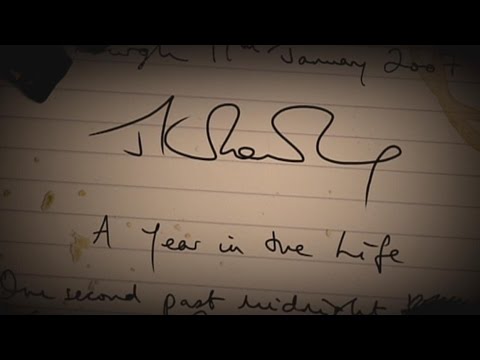
子勻 許 posted on 2017/05/18Ever wondered how J.K. Rowling brought the world of Harry Potter to life, especially during the writing of the final chapters? This documentary gives you a fascinating behind-the-scenes look at her writing process and the book launch of Deathly Hallows, perfect for picking up advanced vocabulary related to author biographies and creative journeys!
Learn this video on the APP!
The VoiceTube App has more in-depth practice for videos!