
afford
US /əˈfɔrd, əˈford/
UK /ə'fɔ:d/
- Transitive Verb
- To make available, to provide
- To have enough money to pay for something
A2TOEICMoreafter all
US /ˈæftɚ ɔl/
UK /ˈɑ:ftə ɔ:l/
- Adverb
- In spite of what was expected; used to introduce a statement that supports a previous statement or explains why it was made
- Considering everything; used to indicate that something is happening or is true despite some difficulty or obstacle
- Phrase
- Despite what was expected or thought; in spite of everything.
- Taking everything into consideration; considering that.
B1Morealigns
US /ə'laɪnz/
UK /ə'laɪnz/
- Transitive Verb
- To arrange (e.g. objects) in line with one another
- Gives support to a person, organization, or cause.
B2Moreask in
US /æsk ɪn/
UK /ɑ:sk ɪn/
- other
- To invite someone to enter one's home or place.
B1Moreat least
US /æt list/
UK /æt li:st/
- Adverb
- As a minimum
- Not less than
- Phrase
- No less than; at the minimum
- Used to indicate that something is positive in a bad situation.
C2Moreat work
US /æt wɚk/
UK /æt wə:k/
- Phrase
- Located at one's place of employment
A1Morebased on
US
UK
- Phrasal Verb
- To use something as the foundation or starting point for something else.
- Preposition
- Using something as the main idea or foundation.
- Relying on something as evidence or justification.
A1Moreblackberry
US /ˈblækˌbɛri/
UK /'blækbərɪ/
- Countable Noun
- Type of black fruit grown on vines with thorns
C1Morecare for
US /kɛr fɔr/
UK /kɛə fɔ:/
- Phrasal Verb
- To want or desire a thing
- To look after someone who is ill, old, or very young.
A1Morecareer
US /kəˈrɪr/
UK /kə'rɪə(r)/
- Noun (Countable/Uncountable)
- Particular occupation in professional life
- The course of a person's life, especially in a particular pursuit or profession.
- Verb (Transitive/Intransitive)
- To move forward very fast and without control
- To advance or make progress rapidly
A2Morecomfort
US /ˈkʌmfət/
UK /'kʌmfət/
- Transitive Verb
- To try to make distressed person feel better
- Uncountable Noun
- Acts or words that reduce pain or sadness
- State of being relaxed, warm or happy
A2Morecommitment
US /kəˈmɪtmənt/
UK /kə'mɪtmənt/
- Noun
- Permanent love or concern for person, thing
- Promise or decision to do something for a purpose
A2Morecommunity
US /kəˈmjunɪti/
UK /kə'mju:nətɪ/
- Noun (Countable/Uncountable)
- Group of people who share a common idea or area
- A feeling of fellowship with others, as a result of sharing common attitudes, interests, and goals.
- Adjective
- Relating to or shared by the people in a particular area.
- Shared or participated in by all members of a group
A2Moreconstitutes
US /'kɒnstɪtju:ts/
UK /'kɒnstɪtju:ts/
- Transitive Verb
- To become a group of
- To establish or form a government, etc.
B1Morecount
US /kaʊnt/
UK /kaʊnt/
- Verb (Transitive/Intransitive)
- To add things together to find the total number
- To matter or be important
- Countable Noun
- Number of things added together, e.g. votes
- With the number of crimes, knockouts, as stated
A2Morecount on
US /kaʊnt ɑn/
UK /kaunt ɔn/
- Phrasal Verb
- To depend on someone
- To be confident of and expect something
A2Morecreature comfort
US
UK
- Noun (Countable/Uncountable)
- Something that makes life more pleasant and comfortable, such as good food and a warm place to live.
B1Moredig into
US
UK
- Phrasal Verb
- To start eating food enthusiastically.
- To investigate or research something thoroughly.
B1Moredisproportionately
US /ˌdɪsprə'pɔ:ʃənətlɪ/
UK /ˌdɪsprə'pɔ:ʃənətlɪ/
- Adverb
- To too great a degree when compared to something
- To an excessive degree; in a way that is not properly balanced.
B2Moreeconomic
US /ˌɛkəˈnɑmɪk, ˌikə-/
UK /ˌi:kəˈnɒmɪk/
- Adjective
- Concerning trade, industry, and money
- Financially worthwhile; profitable.
- Noun
- A system relating to economics
- A factor relating to economics
A2Moreelectricity bill
US
UK
- Noun
- A bill specifying the amount of money owed for electricity consumption.
A2Moreemotional
US /ɪˈmoʃənəl/
UK /ɪˈməʊʃənl/
- Adjective
- Causing, feeling, or appealing to the emotions
- Relating to or characterized by emotion
A2Moreemulate
US /ˈɛmjəˌlet/
UK /ˈemjuleɪt/
- Transitive Verb
- To try to be like; copy; imitate
B2TOEICMoreexceed
US /ɪkˈsid/
UK /ɪk'si:d/
- Transitive Verb
- To be greater in number, degree than something
- To go above or beyond a limit or rule
B1TOEICMorefaith
US /feθ/
UK /feɪθ/
- Uncountable Noun
- Belief in a god or gods; religion
- Belief that that something is true without proof
- Proper Noun
- Person's name
A2TOEICMorefence
US /fɛns/
UK /fens/
- Countable Noun
- Wood, metal structure enclosing an area, land
- The sport of fighting with swords, especially foils, épées, or sabres.
- Transitive Verb
- To enclose an area (with a wall or boundary)
B1TOEICMorefirsthand
US /'fɜ:st'hænd/
UK /'fɜ:st'hænd/
- Adjective
- Received directly from a source
C1Morefit
US /fɪt/
UK /fɪt/
- Adjective
- Good looking; physically attractive
- Having good physical health and strength
- Verb (Transitive/Intransitive)
- To install a machine, equipment etc.
- To adjust or change to the right size or shape
A2Morefit in
US /fɪt ɪn/
UK /fit in/
- Phrasal Verb
- To mix with others so you get on well with them
A2Morefor example
US
UK
- Phrase
- As an illustration or instance.
for the rest
US /fɔr ði rɛst/
UK /fɔ: ðə rest/
- Phrase
- Concerning the remaining people or things.
- During the remaining part of a period of time.
A1Morefor too long
US
UK
- Phrase
- For an excessively extended period.
A1Morefragmented
US
UK
- Verb (Transitive/Intransitive)
- To be broken into pieces
- (Of computer file) to be broken into pieces
- Adjective
- (Of computer file) to be broken into pieces
B1Morego back to
US /ɡo bæk tu/
UK /ɡəu bæk tu:/
- Phrasal Verb
- To return to a starting point
A1Moregrandfather
US /ˈɡrændˌfɑðɚ, ˈɡræn-/
UK /'ɡrænfɑ:ðə(r)/
- Countable Noun
- Your mother's or father's father
B2Moregrandmother
US /ˈɡrændˌmʌðɚ, ˈɡræn-/
UK /ˈgrænmʌðə(r)/
- Noun
- Your mother or father's mother
B2Moregrim
US /ɡrɪm/
UK /ɡrɪm/
- Adjective
- Being very serious or determined
- Causing someone to worry or feel sad or hopeless
B1Moregrow up
US /ɡro ʌp/
UK /ɡrəu ʌp/
- Phrasal Verb
- To develop from a child into an adult
A1Morehealth benefits
US
UK
- Noun (plural)
- Advantages provided by an employer or insurance plan related to healthcare, such as medical, dental, and vision coverage.
- Positive effects on one's physical or mental condition resulting from certain activities or lifestyle choices.
immoral
US /ɪˈmɔ:rəl/
UK /ɪˈmɒrəl/
- Adjective
- Without good moral principles
B2Morein a sense
US /ɪn e sɛns/
UK /in ə sens/
- Phrase
- In one way of thinking; to some extent; in some ways.
B1Morein fact
US /ɪn fækt/
UK /in fækt/
- Adverb
- Used to emphasize the truth of a statement, especially one that contrasts with or contradicts something else.
- Used to introduce a more detailed or surprising piece of information.
- Phrase
- Used to emphasize the truth of a statement, especially one that is surprising or contrary to what might be expected.
C1Morein other words
US
UK
- Phrase
- Stating something in a different way, often to make it clearer or more understandable.
in terms of
US
UK
- Phrase
- With regard to; concerning a particular aspect.
A1Morein the middle of
US
UK
- Phrase
- In the central part or point of something.
- Engaged or occupied with something.
A2Morein the midst of
US
UK
- Phrase
- Surrounded by; in the middle of.
- During; while something is happening.
A1Morein times
US
UK
- Phrase
- During periods or moments of.
- During a particular era or period in history.
A1Moreinvest
US /ɪnˈvɛst/
UK /ɪn'vest/
- Transitive Verb
- To use resources to build for the future
A2TOEICMorelook for
US /lʊk fɔr/
UK /luk fɔ:/
- Phrasal Verb
- To try to find a thing or person that is lost
- To expect or anticipate something.
A1Moreno matter
US
UK
- Conjunction
- Regardless of; it does not matter.
- Adverb
- Regardless of; it is not important
A1Morenonlinear
US /nɑnˈlɪniɚ/
UK /'nɒn'lɪnɪəl/
- Adjective
- Not in a line or straight progression
C2Moreon average
US /ɑn ˈævərɪdʒ/
UK /ɔn ˈævəridʒ/
- Phrase
- Typically; usually; based on an average calculation.
B1Morepicket
US /ˈpɪkɪt/
UK /'pɪkɪt/
- Verb (Transitive/Intransitive)
- To petition or complain, often outside a company
B2Moreplay out
US
UK
- Phrasal Verb
- To use up or exhaust
- To develop or happen in a particular way.
A1Morepoverty
US /ˈpɑvəti/
UK /ˈpɔvəti/
- Uncountable Noun
- State of being poor
- Lack of something necessary
B1Moreprioritize
US /praɪˈɔ:rətaɪz/
UK /praɪˈɒrətaɪz/
- Transitive Verb
- To rank things in importance
B1TOEICMoreprofound
US /prəˈfaʊnd, pro-/
UK /prə'faʊnd/
- Adjective
- Requiring deep thought; difficult to understand
- Showing a lot of deep thought or understanding
B1Moreprolific
US /prəˈlɪfɪk/
UK /prəˈlɪfɪk/
- Adjective
- Producing something in large quantities
B2TOEICMorerather than
US
UK
- Adverb
- More exactly; more correctly
- Preferably; instead
- Preposition
- Instead of
A1Morereach out
US /ritʃ aʊt/
UK /ri:tʃ aut/
- Phrasal Verb
- To attempt to communicate with someone.
- To offer help and support to someone.
B1Morerecession
US /rɪˈsɛʃən/
UK /rɪˈseʃn/
- Uncountable Noun
- Act of moving backward gradually
- Decreased business activity, when work is scarce
- Noun
- a period of low economic activity
- period of economic decline
B2TOEICMorereinvent
US /ˌriɪnˈvɛnt/
UK /ˌri:ɪn'vent/
- Transitive Verb
- To present something in a new and interesting way
- To create again or anew; to remake or renovate completely.
B1Morereject
US /rɪˈdʒɛkt/
UK /rɪˈdʒekt/
- Noun (Countable/Uncountable)
- Goods that are not suitable for sale at full price
- Person others do not like, or refuse to accept
- Transitive Verb
- To decide that something is not good enough
- To refuse, deny to believe, accept, or consider
A2TOEICMoreresearch
US /rɪˈsɚtʃ, ˈriˌsɚtʃ/
UK /rɪ'sɜ:tʃ/
- Verb (Transitive/Intransitive)
- To study in order to discover new ideas and facts
- To study the market relating to marketing products and services.
- Noun (Countable/Uncountable)
- Study done to discover new ideas and facts
- A particular area or topic of study.
A2TOEICMoresecure
US /sɪˈkjʊr/
UK /sɪ'kjʊə(r)/
- Transitive Verb
- To get or achieve something with certainty
- To firmly attach something to something else
- Adjective
- Being attached to something tightly and surely
- (Place that is) locked, guarded and safe
A2TOEICMoresolar cells
US
UK
- Noun (plural)
- Photovoltaic cells that convert sunlight into electricity.
B2Moresteady
US /ˈstɛdi/
UK /'stedɪ/
- Adjective
- Happening or developing at a regular rate
- Continuing without stopping or changing over time
- Transitive Verb
- To make constant, unchanging or staying the same
- To hold something/someone so they stop moving
B2Morestrip away
US /strɪp əˈwe/
UK /strip əˈwei/
- Phrasal Verb
- To gradually reduce the power, rights, or possessions of someone.
C1Morestruggle
US /ˈstrʌɡəl/
UK /'strʌɡl/
- Verb (Transitive/Intransitive)
- To try very hard to do something difficult
- To fight or struggle violently
- Noun (Countable/Uncountable)
- Strong efforts made to do something difficult
- A difficult or challenging situation or task
A2Moresymbol of
US
UK
- Phrase
- Something that represents or stands for something else, especially an object representing an abstract idea.
- A visible sign of something intangible.
B2Morethink about
US /θɪŋk əˈbaʊt/
UK /θiŋk əˈbaut/
- Phrasal Verb
- To consider something carefully.
- To remember or call to mind.
A1Moreto do with
US
UK
- Phrasal Verb
- To be about something; concern
A1Moreto the full
US
UK
- Phrase
- Completely; to the greatest extent possible.
- To the maximum capacity or extent.
A1Moretribute
US /ˈtrɪbjut/
UK /'trɪbju:t/
- Noun
- Something that is said or done to show respect
- Payment, e.g. to another country, for protection
B1Moreuntold
US /ˌʌnˈtoʊld/
UK /ˌʌnˈtəʊld/
- Adjective
- (Of amounts) very large
B1Morevulnerable
US /ˈvʌlnərəbəl/
UK /ˈvʌlnərəbl/
- Adjective
- Being open to attack or damage
- Being easily harmed, hurt, or wounded
B1Morework on
US /wɚk ɑn/
UK /wə:k ɔn/
- Phrasal Verb
- To devote effort to improve or develop something
- To try to persuade or influence someone.
A1More
Vocabulary
- in fact: Used to emphasize the truth of a statement, especially one that contrasts with or contradicts something else.
- count on: To depend on someone
- play out: To use up or exhaust
- look for: To try to find a thing or person that is lost
- after all: In spite of what was expected; used to introduce a statement that supports a previous statement or explains why it was made
- based on: To use something as the foundation or starting point for something else.
- for the rest: Concerning the remaining people or things.
- on average: Typically; usually; based on an average calculation.
- to do with: To be about something; concern
- ask in: To invite someone to enter one's home or place.
- in times: During periods or moments of.
- go back to: To return to a starting point
- at least: As a minimum
- dig into: To start eating food enthusiastically.
- fit in: To mix with others so you get on well with them
- work on: To devote effort to improve or develop something
- in other words: Stating something in a different way, often to make it clearer or more understandable.
- to the full: Completely; to the greatest extent possible.
- in a sense: In one way of thinking; to some extent; in some ways.
- grow up: To develop from a child into an adult
- health benefits: Advantages provided by an employer or insurance plan related to healthcare, such as medical, dental, and vision coverage.
- care for: To want or desire a thing
- no matter: Regardless of; it does not matter.
- symbol of: Something that represents or stands for something else, especially an object representing an abstract idea.
- strip away: To gradually reduce the power, rights, or possessions of someone.
- for example: As an illustration or instance.
- think about: To consider something carefully.
- for too long: For an excessively extended period.
- in terms of
- in the middle of: In the central part or point of something.
- solar cells: Photovoltaic cells that convert sunlight into electricity.
- electricity bill: A bill specifying the amount of money owed for electricity consumption.
- rather than: More exactly; more correctly
- at work: Located at one's place of employment
- creature comfort: Something that makes life more pleasant and comfortable, such as good food and a warm place to live.
- in the midst of: Surrounded by; in the middle of.
- reach out: To attempt to communicate with someone.
- vulnerable: Being open to attack or damage
- struggle: To try very hard to do something difficult
- commitment: Permanent love or concern for person, thing
- profound: Requiring deep thought; difficult to understand
- prioritize: To rank things in importance
- common: Area in a city or town that is open to everyone
- community: Group of people who share a common idea or area
- poverty: State of being poor
- emotional: Causing, feeling, or appealing to the emotions
- career: Particular occupation in professional life
- failure: When things go wrong; lack of function
- afford: To make available, to provide
- faith: Belief in a god or gods; religion
- mean: Average of a set of numbers
- research: To study in order to discover new ideas and facts
- comfort: To try to make distressed person feel better
- recession: Act of moving backward gradually
- secure: To get or achieve something with certainty
- labor: To struggle to do something because it's difficult
- tribute: Something that is said or done to show respect
- fit: Good looking; physically attractive
- count: To add things together to find the total number
- emulate: To try to be like; copy; imitate
- steady: Happening or developing at a regular rate
- invest: To use resources to build for the future
- grim: Being very serious or determined
- single: One run in cricket or a hit baseball
- century: Period of 100 years
- fact: Something that is known or proved to be true
- fail: To be unsuccessful in passing a class or exam
- reject: Goods that are not suitable for sale at full price
- economic: Concerning trade, industry, and money
- question: To ask for or try to get information
- kind: In a caring and helpful manner
- make: To arrange or prepare something e.g. dinner
- build: Your physical shape; physique
- reinvent: To present something in a new and interesting way
- change: To exchange one set of clothes for another
- fence: Wood, metal structure enclosing an area, land
- grow: To get bigger and more mature; make plants do this
- find: To become aware of something that is happening
- exceed: To be greater in number, degree than something
- prolific: Producing something in large quantities
- disproportionately: To too great a degree when compared to something
- fragmented: To be broken into pieces
- immoral: Without good moral principles
- firsthand: Received directly from a source
- constitutes: To become a group of
- untold: (Of amounts) very large
- aligns: To arrange (e.g. objects) in line with one another
- grandmother: Your mother or father's mother
- grandfather: Your mother's or father's father
- picket: To petition or complain, often outside a company
- nonlinear: Not in a line or straight progression
- blackberry: Type of black fruit grown on vines with thorns
Get the full experience in the app
Learn anywhere with detailed sentence and usage analysis
01:03
She took a brave step forward, leaving behind her comfort zone to chase her dreams.
Vocabulary
- brave
adj. Having courage
- comfort zone
phr. A familiar situation where one feels safe
Explanation
a brave step is a noun phrase, where brave is an adjective modifying the noun step, meaning "a courageous step".
forward is an adverb modifying step, meaning "ahead".
The whole phrase serves as the object, answering the "what" of took (verb) — she took a brave step forward.
Get the full experience in the app
Look up words anytime with pronunciation, part of speech, and usage
brave
US/brev/
UK/breɪv/
adj.Brave
v.t.To bravely face
A2 Elementary
Get the full experience in the app
Practice speaking anytime and get instant pronunciation feedback
Try this speaking exercise.
Try practicing with this sentence.
80
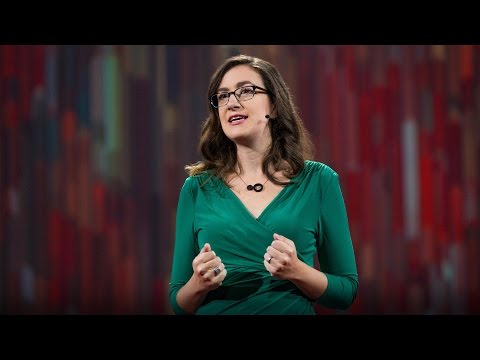
【TED】Courtney E. Martin: The new American Dream (The new American Dream | Courtney Martin)
0
胡舒婷 posted on 2017/05/13Ever wondered what the 'good life' really means in the 21st century? Courtney E. Martin dives into fascinating ideas about work reinvention, the care economy, and new ways of living together, like cohousing. You'll pick up advanced vocabulary and gain insights into cultural shifts that are super relevant today!
Learn this video on the APP!
The VoiceTube App has more in-depth practice for videos!