
as soon as
US /æz sun æz/
UK /æz su:n æz/
- Phrase
- In a short time after (something happens)
- Without any delay; immediately
- Conjunction
- At the moment that, or immediately after.
A1Moreat work
US /æt wɚk/
UK /æt wə:k/
- Phrase
- Located at one's place of employment
A1Morebackyard
US /ˌbækˈjɑ:rd/
UK /ˌbækˈjɑ:d/
- Adjective
- Made in an amateurish or non-professional way
- Local; in one's immediate vicinity.
- Noun
- Yard or garden behind a house
- An area close to one's home or area of expertise.
C2Morebasically
US /ˈbesɪkəli,-kli/
UK /ˈbeɪsɪkli/
- Adverb
- Used before you explain something simply, clearly
- In essence; when you consider the most important aspects of something.
A2Morebill
US /bɪl/
UK /bɪl/
- Noun
- Plan for a new law being discussed by a government
- Sign or poster advertising something
- Transitive Verb
- To request payment by handing over an invoice
A2TOEICMorebunch
US /bʌntʃ/
UK /bʌntʃ/
- Noun (Countable/Uncountable)
- A group of things of the same kind
- A group of people.
- Transitive Verb
- To group people or things closely together
B1Morecashier
US /kæˈʃɪr/
UK /kæ'ʃɪə(r)/
- Noun
- Person whose job is taking money in a store, etc.
B2Morechubby
US /ˈtʃʌbi/
UK /ˈtʃʌbi/
- Adjective
- Somewhat fat
C1Morecome back
US /kʌm bæk/
UK /kʌm bæk/
- Phrasal Verb
- To reply to someone, often forcefully
- To be remembered
A1Moreconquer
US /ˈkɑŋkɚ/
UK /'kɒŋkə(r)/
- Transitive Verb
- To take possession of (land, city) with an army
- To beat something difficult, e.g. a fear; overcome
B2Moreconquer the world
US
UK
- Transitive Verb
- To gain control of the world through military force or other means.
A1Moreconstant battle
US
UK
- Noun
- A continuous and persistent struggle or conflict.
- An internal and never-ending conflict within oneself.
B2Moredefine
US /dɪˈfaɪn/
UK /dɪ'faɪn/
- Transitive Verb
- To explain the meaning of words
- To set or mark the limits of something
A2TOEICMoredoughnut
US /ˈdoˌnʌt,-nət/
UK /'dəʊnʌt/
- Countable Noun
- Piece of sweet, fried bread shaped like a ring
- Something shaped like a doughnut, i.e., a ring shape.
B1Moredress up
US /drɛs ʌp/
UK /dres ʌp/
- Phrasal Verb
- To put on your best clothes, e.g. for a party
- To wear formal or fancy clothes.
- Verb (Transitive/Intransitive)
- To wear formal or fancy clothes.
- To make something more attractive or elaborate.
A1Moreembrace
US /ɛmˈbres/
UK /ɪm'breɪs/
- Noun (Countable/Uncountable)
- Act of holding someone closely
- An act of accepting or supporting something willingly and enthusiastically.
- Transitive Verb
- To hold closely; cuddle, kiss or hug
- To accept something enthusiastically.
B1TOEICMoreengage
US /ɪn'gedʒ/
UK /ɪn'ɡeɪdʒ/
- Transitive Verb
- To start to fight with an enemy
- To hire someone for a task or job
A2TOEICMoreentrepreneur
US /ˌɑntrəprəˈnɚ, -ˈnʊr/
UK /ˌɒntrəprə'nɜ:(r)/
- Noun (Countable/Uncountable)
- Businessperson who develops new businesses
- A person who identifies a need and starts a business to fill it.
B2Morefit
US /fɪt/
UK /fɪt/
- Adjective
- Good looking; physically attractive
- Having good physical health and strength
- Verb (Transitive/Intransitive)
- To install a machine, equipment etc.
- To adjust or change to the right size or shape
A2Morefor example
US
UK
- Phrase
- As an illustration or instance.
for sure
US /fɔr ʃʊr/
UK /fɔ: ʃuə/
- Adverb
- Definitely; certainly; without a doubt.
- Used to emphasize a statement.
- Interjection
- An expression of strong agreement or affirmation.
A2Morefulfill
US /fʊlˈfɪl/
UK /fʊl'fɪl/
- Transitive Verb
- To finish or provide something successfully
- To make real, to bring into effect
B2TOEICMoreget out of
US /ɡɛt aʊt ʌv/
UK /ɡet aut ɔv/
- Phrasal Verb
- To leave or escape responsibilities, troubles
- To leave a small, enclosed vehicle
A1Moregive out
US /ɡɪv aʊt/
UK /ɡiv aut/
- Phrasal Verb
- To be used up; have nothing left; fail
- To publicly state something
A1Morego out
US /ɡo aʊt/
UK /ɡəu aut/
- Phrase
- To leave a building (e.g. a house)
- Phrasal Verb
- (Of a fire) to burn out; be extinguished
- Go out of fashion to stop being fashionable
A1Moregot to
US /ɡɑt tu/
UK /gɔt tu:/
- Verb (Transitive/Intransitive)
- To arrive at some place
- To have the opportunity or permission to do something
- Phrasal Verb
- To appeal to the emotions of; move
- To finally begin to start something after a delay
A1Morehave to
US /hæv tu/
UK /ˈhæv tə/
- Auxiliary Verb
- Must do
A1Morein fact
US /ɪn fækt/
UK /in fækt/
- Adverb
- Used to emphasize the truth of a statement, especially one that contrasts with or contradicts something else.
- Used to introduce a more detailed or surprising piece of information.
- Phrase
- Used to emphasize the truth of a statement, especially one that is surprising or contrary to what might be expected.
C1Morein love with
US //ɪn lʌv wɪð//
UK
- Adjective
- Feeling romantic love for someone.
- Extremely enthusiastic about or fond of something.
A1Morein public
US /ɪn ˈpʌblɪk/
UK /in ˈpʌblik/
- Phrase
- In a place where anyone can see or hear you.
- Adjective
- Relating to the government or the people as a whole.
B1Morein the world
US /ɪn ði wɜrld/
UK /in ðə wɜː(r)ld/
- Phrase
- Used to emphasize a question expressing surprise, confusion, or disbelief.
- Used to indicate the extent or degree of something, often in a superlative sense.
A1Moreinitial
US /ɪˈnɪʃəl/
UK /ɪ'nɪʃl/
- Noun
- First letter of your given name
- The beginning or commencement of something.
- Transitive Verb
- To authorize something by writing your initials
- To mark or sign with one's initials.
A2TOEICMoreinvestment
US /ɪnˈvɛstmənt/
UK /ɪnˈvestmənt/
- Noun (Countable/Uncountable)
- Something purchased hoping its value will increase
- Something you invest in, such as a company, property, etc.
A2TOEICMorejoint
US /dʒɔɪnt/
UK /dʒɔɪnt/
- Noun (Countable/Uncountable)
- Body parts where bones meet and can move together
- Point at which two things meet (e.g. a road)
- Adjective
- Shared; involving working together; in common
A2Morelook for
US /lʊk fɔr/
UK /luk fɔ:/
- Phrasal Verb
- To try to find a thing or person that is lost
- To expect or anticipate something.
A1Moremenacing
US / ˈmɛnɪsɪŋ/
UK /ˈmenəsɪŋ/
- Transitive Verb
- To threaten or alarm someone
B2Moremention
US /ˈmɛnʃən/
UK /'menʃn/
- Transitive Verb
- To refer to or talk or write about something
- Uncountable Noun
- Act of referring to or talking about something
- A formal acknowledgement of something
A2TOEICMoreno matter
US
UK
- Conjunction
- Regardless of; it does not matter.
- Adverb
- Regardless of; it is not important
A1Moreon the door
US /ɑn ðə dɔr/
UK /ɒn ðə dɔ:/
- Preposition
- Situated on the surface or part of a door.
B1Moreon the floor
US
UK
- Phrase
- Located on the ground or bottom surface of a room.
- Actively participating in dancing or other floor-based activities.
A1Moreopportunity
US /ˌɑpɚˈtunɪti, -ˈtju-/
UK /ˌɒpə'tju:nətɪ/
- Noun (Countable/Uncountable)
- Time, situation when a thing might be done; chance
- A favorable time or occasion for doing something.
A2TOEICMoreout of it
US /aʊt ʌv ɪt/
UK /aut ɔv it/
- Adjective
- Unconscious or not completely alert; dazed or confused.
- Not able to think clearly or react quickly; not with it.
A1Moreovercome
US /ˌovɚˈkʌm/
UK /ˌəʊvə'kʌm/
- Transitive Verb
- To succeed in a struggle against; defeat
- Participle
- Past participle of overcome; to have successfully dealt with or controlled a problem or feeling.
A2TOEICMorepublic roast
US
UK
- Noun
- A public event where a person is humorously mocked or insulted with affection.
- A performance or show where someone is publicly made fun of in an affectionate way.
A2Moreput out
US /pʊt aʊt/
UK /put aut/
- Phrasal Verb
- To publish, e.g. a book
- To cause someone to be troubled or inconvenienced
A1Morequit
US /kwɪt/
UK /kwɪt/
- Verb (Transitive/Intransitive)
- To leave a job
- To leave a place
- Intransitive Verb
- To leave a school etc. without finishing
B1Morerefill
US /riˈfɪl/
UK /ˌri:ˈfɪl/
- Transitive Verb
- To make something full again
- Noun (Countable/Uncountable)
- Additional material added to fill something again
- A replacement supply for something that is used up.
B1Morereject
US /rɪˈdʒɛkt/
UK /rɪˈdʒekt/
- Noun (Countable/Uncountable)
- Goods that are not suitable for sale at full price
- Person others do not like, or refuse to accept
- Transitive Verb
- To decide that something is not good enough
- To refuse, deny to believe, accept, or consider
A2TOEICMorerejection
US /rɪˈdʒɛkʃən/
UK /rɪ'dʒekʃn/
- Uncountable Noun
- Decision that something is not good enough
- Act of refusing to consider or believe
B1Moreresearch
US /rɪˈsɚtʃ, ˈriˌsɚtʃ/
UK /rɪ'sɜ:tʃ/
- Verb (Transitive/Intransitive)
- To study in order to discover new ideas and facts
- To study the market relating to marketing products and services.
- Noun (Countable/Uncountable)
- Study done to discover new ideas and facts
- A particular area or topic of study.
A2TOEICMoresit down
US /sit daʊn/
UK /sit daun/
- Phrasal Verb
- To take a seat
A1Morestagnant
US /ˈstæɡnənt/
UK /ˈstægnənt/
- Adjective
- Unmoving; not growing, as of an economy
C1Morestand here
US
UK
- Intransitive Verb
- To remain in or move to this specific location.
stranger
US /ˈstrendʒɚ/
UK /'streɪndʒə(r)/
- Noun
- Someone you do not know
A2Moreteam building
US
UK
- Noun (Countable/Uncountable)
- The action or process of causing a team to work together more effectively.
- A management strategy focused on improving team performance and cohesion.
A2Moreturned upside down
US
UK
- Adjective
- In an inverted position; reversed or disordered.
- Transitive Verb
- To disrupt or throw into disorder; to reverse the normal state of affairs.
A1Moreused to
US /juzd tu/
UK /ˈju:st tə/
- Adjective
- Did regularly before, but don't do now
- Auxiliary Verb
- Have done before, but do not do now
A1Moreversion
US /ˈvɚʒən, -ʃən/
UK /ˈvə:ʃən/
- Noun
- Different way that someone interprets something
- New or different form of something
A2TOEICMoreweird
US /wɪrd/
UK /wɪəd/
- Adjective
- Odd or unusual; surprising; strange
- Eerily strange or disturbing.
B1More
Vocabulary
- have to: Must do
- sit down: To take a seat
- got to: To arrive at some place
- conquer the world: To gain control of the world through military force or other means.
- for example: As an illustration or instance.
- stand here: To remain in or move to this specific location.
- give out: To be used up; have nothing left; fail
- get out of: To leave or escape responsibilities, troubles
- team building: The action or process of causing a team to work together more effectively.
- public roast: A public event where a person is humorously mocked or insulted with affection.
- in public: In a place where anyone can see or hear you.
- in love with: Feeling romantic love for someone.
- in the world: Used to emphasize a question expressing surprise, confusion, or disbelief.
- constant battle: A continuous and persistent struggle or conflict.
- at work: Located at one's place of employment
- for sure: Definitely; certainly; without a doubt.
- go out: To leave a building (e.g. a house)
- look for: To try to find a thing or person that is lost
- out of it: Unconscious or not completely alert; dazed or confused.
- in fact: Used to emphasize the truth of a statement, especially one that contrasts with or contradicts something else.
- no matter: Regardless of; it does not matter.
- turned upside down: In an inverted position; reversed or disordered.
- put out: To publish, e.g. a book
- on the door: Situated on the surface or part of a door.
- dress up: To put on your best clothes, e.g. for a party
- as soon as: In a short time after (something happens)
- on the floor: Located on the ground or bottom surface of a room.
- come back: To reply to someone, often forcefully
- used to: Did regularly before, but don't do now
- weird: Odd or unusual; surprising; strange
- entrepreneur: Businessperson who develops new businesses
- bunch: A group of things of the same kind
- opportunity: Time, situation when a thing might be done; chance
- engage: To start to fight with an enemy
- present: Being in attendance; being there; having turned up
- basically: Used before you explain something simply, clearly
- embrace: Act of holding someone closely
- doubt: Not being sure of something; lack of certainty
- version: Different way that someone interprets something
- fear: Unpleasant feeling caused by being aware of danger
- conquer: To take possession of (land, city) with an army
- initial: First letter of your given name
- mention: To refer to or talk or write about something
- overcome: To succeed in a struggle against; defeat
- research: To study in order to discover new ideas and facts
- define: To explain the meaning of words
- fulfill: To finish or provide something successfully
- investment: Something purchased hoping its value will increase
- fit: Good looking; physically attractive
- company: Good feeling from being with someone else
- pain: Strong feeling of hurt or discomfort
- chubby: Somewhat fat
- joint: Body parts where bones meet and can move together
- public: Owned by the government
- reject: Goods that are not suitable for sale at full price
- learn: To get knowledge or skills by study or experience
- rejection: Decision that something is not good enough
- build: Your physical shape; physique
- stranger: Someone you do not know
- turn: To become (a particular age)
- stagnant: Unmoving; not growing, as of an economy
- change: To exchange one set of clothes for another
- guy: Man; boy; any person
- quit: To leave a job
- bill: Plan for a new law being discussed by a government
- scared: To become frightened
- great: Very good; better than before
- start: First time or place that a thing exists; beginning
- want: To desire or wish for something; hope for a thing
- menacing: To threaten or alarm someone
- backyard: Made in an amateurish or non-professional way
- refill: To make something full again
- cashier: Person whose job is taking money in a store, etc.
- doughnut: Piece of sweet, fried bread shaped like a ring
Get the full experience in the app
Learn anywhere with detailed sentence and usage analysis
01:03
She took a brave step forward, leaving behind her comfort zone to chase her dreams.
Vocabulary
- brave
adj. Having courage
- comfort zone
phr. A familiar situation where one feels safe
Explanation
a brave step is a noun phrase, where brave is an adjective modifying the noun step, meaning "a courageous step".
forward is an adverb modifying step, meaning "ahead".
The whole phrase serves as the object, answering the "what" of took (verb) — she took a brave step forward.
Get the full experience in the app
Look up words anytime with pronunciation, part of speech, and usage
brave
US/brev/
UK/breɪv/
adj.Brave
v.t.To bravely face
A2 Elementary
Get the full experience in the app
Practice speaking anytime and get instant pronunciation feedback
Try this speaking exercise.
Try practicing with this sentence.
80
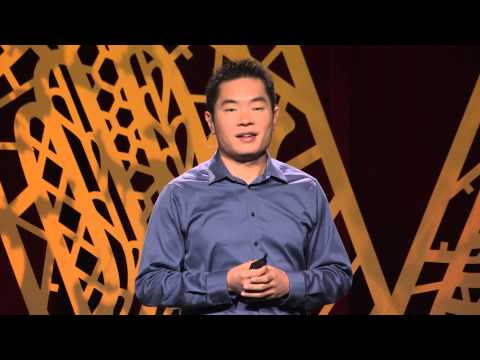
【TEDx】The hidden opportunity behind every rejection | Jia Jiang | TEDxMtHood
0
zhixingheyi posted on 2017/05/02Ever wondered how to turn rejection into a superpower? This inspiring TEDx talk dives into a fascinating social experiment called 'rejection therapy' that can boost your resilience and even help your entrepreneurial dreams take flight! You'll pick up practical phrases for everyday situations and learn how to bounce back stronger from any setback.
Learn this video on the APP!
The VoiceTube App has more in-depth practice for videos!