
abnormal
US /æbˈnɔ:rml/
UK /æbˈnɔ:ml/
- Adjective
- Not normal, not typical, not usual, not regular
- Relating to behavior that deviates from the norm.
B1Morealgorithm
US /ˈælɡəˌrɪðəm/
UK /'ælɡərɪðəm/
- Noun
- A step-by-step problem-solving feature
B2Moreartificial
US /ˌɑrtəˈfɪʃəl/
UK /ˌɑ:tɪ'fɪʃl/
- Adjective
- Dishonest, to seem fake, not sincere
- (Something) made by people; not created by nature
B1TOEICMoreartificially
US /ˌɑrtəˈfɪʃəlɪ/
UK /ˌɑ:tɪ'fɪʃəlɪ/
- Adverb
- Not naturally; made by people
B1Moreassembly
US /əˈsɛmbli/
UK /ə'semblɪ/
- Noun (Countable/Uncountable)
- Process of putting the parts of something together
- Group of people gathered for a purpose
B1TOEICMoreassume
US /əˈsum/
UK /ə'sju:m/
- Transitive Verb
- To act in a false manner to mislead others
- To believe, based on the evidence; suppose
A2TOEICMoreautonomous
US /ɔ:ˈtɑ:nəməs/
UK /ɔ:ˈtɒnəməs/
- Adjective
- Able to control or decide matters by itself
B2Morebrand
US /brænd/
UK /brænd/
- Noun
- A mark burned on an animal to show who owns it
- Product made or designed by a named company
- Transitive Verb
- To burn a mark on an animal to show who owns it
- To describe someone as a liar, coward, etc.
A2TOEICMorecancer
US /ˈkænsɚ/
UK /'kænsə(r)/
- Noun
- Any growth caused by abnormal cell division
B1Morecarpet
US /ˈkɑ:rpɪt/
UK /ˈkɑ:pɪt/
- Noun (Countable/Uncountable)
- Colored floor covering made of wool, etc.
- Transitive Verb
- To cover a surface with, e.g. many flowers
B1Morecheck out
US /tʃɛk aʊt/
UK /tʃek aut/
- Phrase
- Phrasal Verb
- To find out information about something
- To take books out of a library
A1Moreclassification
US /ˌklæsəfɪˈkeʃən/
UK /ˌklæsɪfɪˈkeɪʃn/
- Uncountable Noun
- Putting similar items into groups or sets
B1Moreclassify
US /ˈklæsəˌfaɪ/
UK /'klæsɪfaɪ/
- Transitive Verb
- To arrange things into groups of similar items
- To keep some information secret from the public
B2Morecurrent
US /ˈkɚrənt, ˈkʌr-/
UK /'kʌrənt/
- Uncountable Noun
- Electricity flowing through wires
- Movement of water in a river, or air in the sky
- Adjective
- Happening or being in the present time
- In general use or accepted by most people.
A2Moredetermine
US /dɪˈtɚmɪn/
UK /dɪ'tɜ:mɪn/
- Transitive Verb
- To control exactly how something will be or act
- To establish the facts about; discover
A2TOEICMorediagnose
US /ˌdaɪəgˈnoʊs/
UK /ˈdaɪəgnəʊz/
- Transitive Verb
- To determine the cause of an illness or problem
B1Morediagnosis
US /ˌdaɪəgˈnoʊsɪs/
UK /ˌdaɪəgˈnəʊsɪs/
- Noun (plural)
- Judgments by a doctor about a person's illness
- Noun
- The identification of a disease or condition.
B1Moredrunk driving
US
UK
- Noun
- The act of operating a vehicle while under the influence of alcohol.
efficient
US /ɪˈfɪʃənt/
UK /ɪˈfɪʃnt/
- Adjective
- Able to produce results without waste
- Capable of producing desired results with little or no waste (of time, energy, or other resources).
A2TOEICMoreeventually
US /ɪˈvɛntʃuəli/
UK /ɪˈventʃuəli/
- Adverb
- After a long time; after many attempts; in the end
- At some later time; in the future
A2Moreflamingo
US /fləˈmɪŋgoʊ/
UK /fləˈmɪŋgəʊ/
- Noun
- Large pink to scarlet web-footed wading bird
C1Morefulfillment
US /fʊlˈfɪlmənt/
UK /fʊl'fɪlmənt/
- Uncountable Noun
- Feeling of satisfaction from achieving something
- The act of doing something that is necessary or that someone has asked you to do.
B2TOEICMoregym
US /dʒɪm/
UK /dʒɪm/
- Noun (Countable/Uncountable)
- Physical education taught as a class in school
- Building used for physical activities or sports
C2Morehave on
US /hæv ɑn/
UK /hæv ɔn/
- Phrasal Verb
- To be wearing something.
- To deceive or trick someone, often in a playful way.
A1Morein the field
US
UK
- Phrase
- Working or doing research in a real-world environment, not in a classroom or laboratory.
- Located on the playing area of a sports ground.
A1Moreinflatable
US /ɪnˈfletəbəl/
UK /ɪnˈfleɪtəbl/
- Adjective
- Designed to be filled with air or gas
B1Moreinitially
US /ɪˈnɪʃəli/
UK /ɪˈnɪʃəli/
- Adverb
- At first; originally
- In the first stage of a process or development.
A2TOEICMoreintelligence
US /ɪnˈtɛlədʒəns/
UK /ɪn'telɪdʒəns/
- Uncountable Noun
- Collection of secret information about something
- Ability to learn things or to consider situations
- Adjective
- Of the spying services; acting in secrecy
A2TOEICMoreintelligent
US /ɪnˈtɛlədʒənt/
UK /ɪnˈtelɪdʒənt/
- Adjective
- Smart; able to think and reason
- Having a good understanding or a high mental capacity; quick to comprehend.
A2Moreiron
US /ˈaɪərn/
UK /ˈaɪən/
- Noun (Countable/Uncountable)
- Heavy metal device heated to smooth clothes
- Golf club with a metal head
- Transitive Verb
- To use a hot flat-based machine to smooth clothes
B1Morelook after
US /lʊk ˈæftɚ/
UK /luk ˈɑ:ftə/
- Phrasal Verb
- To take care of someone or something
A1Morenegative
US /ˈnɛɡətɪv/
UK /'neɡətɪv/
- Noun
- The opposite to a positive electrical charge
- In grammar, containing words such as 'no' or 'not'
- Adjective
- Being harmful, unwanted or unhelpful
- In mathematics, being less than zero
A2Moreneural
US /ˈnʊrəl, ˈnjʊr-/
UK /ˈnjuərəl/
- Adjective
- About the nerves or nervous system
B2Moreof a sudden
US
UK
- Phrase
- Quickly and unexpectedly; suddenly.
B2Moreout of work
US /aʊt ʌv wɚk/
UK /aut ɔv wə:k/
- Phrase
- Adjective
- Unemployed; without a job
A1Moreprofessional
US /prəˈfɛʃənəl/
UK /prə'feʃənl/
- Adjective
- Of jobs such as doctor, lawyer, accountant, etc.
- Acting/done properly as a qualified person would
- Noun
- Highly qualified person, e.g. lawyer or doctor
- One who plays a sport or similar activity as a job
A2TOEICMorepump
US /pʌmp/
UK /pʌmp/
- Verb (Transitive/Intransitive)
- To make liquid or gas flow in a particular direction
- To make water/other liquid move using a machine
- Noun
- A device more moving liquids
- Light woman's shoe
B1Moreput out
US /pʊt aʊt/
UK /put aut/
- Phrasal Verb
- To publish, e.g. a book
- To cause someone to be troubled or inconvenienced
A1Moreresearch
US /rɪˈsɚtʃ, ˈriˌsɚtʃ/
UK /rɪ'sɜ:tʃ/
- Verb (Transitive/Intransitive)
- To study in order to discover new ideas and facts
- To study the market relating to marketing products and services.
- Noun (Countable/Uncountable)
- Study done to discover new ideas and facts
- A particular area or topic of study.
A2TOEICMorerobot
US /ˈroʊbɑ:t/
UK /ˈrəʊbɒt/
- Countable Noun
- Machine able perform more tasks that people can
- A person who acts in a mechanical or unemotional way.
B1Moreset out
US /sɛt aʊt/
UK /set aut/
- Phrasal Verb
- To arrange something in an orderly fashion
- To give in detail in writing
A1Moreshrink
US /ʃrɪŋk/
UK /ʃrɪŋk/
- Intransitive Verb
- To become smaller
- Noun
- A rude name for a psychiatrist
B1Morestraight
US /stret/
UK /streɪt/
- Adjective
- Not having curves, bends, or angles
- Not gay; heterosexual
- Adverb
- in a line; immediately; honestly and directly
- In a straight line; directly.
A2TOEICMoresudden
US /ˈsʌdn/
UK /ˈsʌdn/
- Adjective
- Happening or done quickly or unexpectedly
B1Moretake over
US /tek ˈovɚ/
UK /teik ˈəuvə/
- Phrasal Verb
- To gain control of (a company) from someone else
- To assume control or possession of something.
A1Moretask
US /tæsk/
UK /tɑ:sk/
- Noun (Countable/Uncountable)
- Big or small piece of work someone has to do
- Transitive Verb
- To be given something to do, e.g. wash dishes
A2TOEICMoretheoretically
US /ˌθiəˈretɪkli/
UK /ˌθɪə'retɪklɪ/
- Adverb
- As regards ideas that could be true
B2Morevariety
US /vəˈraɪɪti/
UK /və'raɪətɪ/
- Noun
- Particular type of thing or person
- The quality or state of being different or diverse; the absence of uniformity, sameness, or monotony.
A2TOEICMorework in
US /wɚk ɪn/
UK /wə:k in/
- Phrasal Verb
- To make an opening for something in your schedule
- To fit person/thing into a schedule or sequence
A1Morework on
US /wɚk ɑn/
UK /wə:k ɔn/
- Phrasal Verb
- To devote effort to improve or develop something
- To try to persuade or influence someone.
A1More
Vocabulary
- take over: To gain control of (a company) from someone else
- out of work
- put out: To publish, e.g. a book
- in the field: Working or doing research in a real-world environment, not in a classroom or laboratory.
- work in: To make an opening for something in your schedule
- set out: To arrange something in an orderly fashion
- of a sudden: Quickly and unexpectedly; suddenly.
- work on: To devote effort to improve or develop something
- drunk driving: The act of operating a vehicle while under the influence of alcohol.
- have on: To be wearing something.
- look after: To take care of someone or something
- check out
- assume: To act in a false manner to mislead others
- eventually: After a long time; after many attempts; in the end
- straight: Not having curves, bends, or angles
- improve: To make, or become, something better
- determine: To control exactly how something will be or act
- negative: The opposite to a positive electrical charge
- intelligence: Collection of secret information about something
- current: Electricity flowing through wires
- variety: Particular type of thing or person
- brand: A mark burned on an animal to show who owns it
- task: Big or small piece of work someone has to do
- field: Area of study, such as physics or biology
- artificial: Dishonest, to seem fake, not sincere
- shrink: To become smaller
- perform: To carry out an action well or successfully
- research: To study in order to discover new ideas and facts
- efficient: Able to produce results without waste
- initially: At first; originally
- intelligent: Smart; able to think and reason
- neural: About the nerves or nervous system
- compare: To consider how similar and different things are
- professional: Of jobs such as doctor, lawyer, accountant, etc.
- algorithm: A step-by-step problem-solving feature
- suggest: To mention something that could be done; propose
- carpet: Colored floor covering made of wool, etc.
- fulfillment: Feeling of satisfaction from achieving something
- economy: Using money, resources in a careful, effective way
- allow: To admit the validity or truth of something
- diagnose: To determine the cause of an illness or problem
- public: Owned by the government
- autonomous: Able to control or decide matters by itself
- theoretically: As regards ideas that could be true
- noggin: A human head
- sudden: Happening or done quickly or unexpectedly
- point: An item to be discussed
- assembly: Process of putting the parts of something together
- deep: Complex and important
- pick: Sharp tool used for breaking the ground
- diagnosis: Judgments by a doctor about a person's illness
- pack: Bag carried on the back of donkey, etc.
- drive: A person's ambition and motivation to do something
- university: High-level educational institution; college
- pump: To make liquid or gas flow in a particular direction
- classify: To arrange things into groups of similar items
- iron: Heavy metal device heated to smooth clothes
- cancer: Any growth caused by abnormal cell division
- abnormal: Not normal, not typical, not usual, not regular
- gym: Physical education taught as a class in school
- robot: Machine able perform more tasks that people can
- artificially: Not naturally; made by people
- inflatable: Designed to be filled with air or gas
- classification: Putting similar items into groups or sets
- flamingo: Large pink to scarlet web-footed wading bird
Get the full experience in the app
Learn anywhere with detailed sentence and usage analysis
01:03
She took a brave step forward, leaving behind her comfort zone to chase her dreams.
Vocabulary
- brave
adj. Having courage
- comfort zone
phr. A familiar situation where one feels safe
Explanation
a brave step is a noun phrase, where brave is an adjective modifying the noun step, meaning "a courageous step".
forward is an adverb modifying step, meaning "ahead".
The whole phrase serves as the object, answering the "what" of took (verb) — she took a brave step forward.
Get the full experience in the app
Look up words anytime with pronunciation, part of speech, and usage
brave
US/brev/
UK/breɪv/
adj.Brave
v.t.To bravely face
A2 Elementary
Get the full experience in the app
Practice speaking anytime and get instant pronunciation feedback
Try this speaking exercise.
Try practicing with this sentence.
80
Should We Let Robots Take Our Jobs?
0
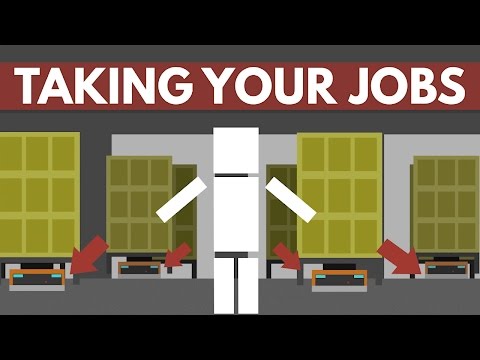
Mickey posted on 2017/04/22Ever wonder if robots will steal your job? This video dives into the fascinating world of AI and automation, exploring how they're changing the workplace and what it means for us. You'll pick up some awesome new vocabulary related to the future of work and even learn about cool AI applications like detecting skin cancer!
Learn this video on the APP!
The VoiceTube App has more in-depth practice for videos!