
along with
US /əˈlɔŋ wɪð/
UK /əˈlɔŋ wið/
- Preposition
- In addition to; together with.
- Adverb
- In company or together with someone or something.
- Including; in addition to.
A2Moreat home
US /æt hom/
UK /æt həum/
- Phrase
- In one's own residence or country.
- Adjective
- Feeling comfortable and relaxed.
at least
US /æt list/
UK /æt li:st/
- Adverb
- As a minimum
- Not less than
- Phrase
- No less than; at the minimum
- Used to indicate that something is positive in a bad situation.
C2Moreat night
US /æt naɪt/
UK /æt nait/
- Phrase
- During the night; in the nighttime.
A1Moreat work
US /æt wɚk/
UK /æt wə:k/
- Phrase
- Located at one's place of employment
A1Moreawful
US /ˈɔfəl/
UK /ˈɔ:fl/
- Adjective
- Very bad; horrible; terrible
A2Moreback at you
US /bæk æt ju/
UK /bæk æt ju/
- other
- An informal way to return a greeting or compliment.
B1Morebobby
US /ˈbɑ:bi/
UK /ˈbɒbi/
- Noun
- Police officer (UK slang)
- Proper Noun
- Person's name
C1Morecarry on
US /ˈkæri ɑn/
UK /ˈkæri ɔn/
- Phrasal Verb
- To engage in an activity, e.g. a conversation
- To continue or keep doing something
- Verb (Transitive/Intransitive)
- To continue doing something
A1Moreconfidence
US /ˈkɑnfɪdəns/
UK /'kɒnfɪdəns/
- Uncountable Noun
- Feeling that you can do well at something
- Feeling you can trust someone
A2Moreconfident
US /ˈkɑnfɪdənt/
UK /ˈkɒnfɪdənt/
- Adjective
- Feeling that you can do well at something
- Having a strong belief in the truth or certainty of something.
- Noun
- A person who is self-assured and believes in their abilities.
A2Morecookie
US /ˈkʊki/
UK /'kʊkɪ/
- Countable Noun
- A flat, round sweet baked food
B1Morecriticism
US /ˈkrɪtɪˌsɪzəm/
UK /ˈkrɪtɪsɪzəm/
- Noun (Countable/Uncountable)
- Article or essay that judges quality
- Negative judgment of something
A2Morecross it
US
UK
- Transitive Verb
- To cancel or eliminate something from a list or plan.
- Intransitive Verb
- To hope for good luck or a positive outcome.
A1Morecute
US /kjut/
UK /kju:t/
- Adjective
- Attractive in a pretty or endearing way
B2Moredepending on
US
UK
- Phrasal Verb
- To rely on for support (financial or emotional)
- Influenced or determined by.
- Preposition
- Subject to; contingent on
- Relying on someone or something for support or assistance.
A2Moreexpression
US /ɪkˈsprɛʃən/
UK /ɪk'spreʃn/
- Noun (Countable/Uncountable)
- Act of making your thoughts and feelings known
- Group of words that have a specific meaning
A2TOEICMoreeyelash
US /ˈaɪˌlæʃ/
UK /ˈaɪlæʃ/
- Countable Noun
- Short hairs that grow along the edges of the eyes
C1Morefeel like
US
UK
- Intransitive Verb
- To have a desire or inclination for something.
- To have a particular quality or sensation; resemble.
A1Morefor example
US
UK
- Phrase
- As an illustration or instance.
fortune
US /ˈfɔrtʃən/
UK /'fɔ:tʃu:n/
- Noun (Countable/Uncountable)
- What might happen to you in the future
- Chance or luck, particularly good luck
- Transitive Verb
- To bring good fortune to.
B1TOEICMorego on
US /ɡo ɑn/
UK /ɡəu ɔn/
- Phrasal Verb
- To continue doing something
- To happen (usually negative)
- Interjection
- Used to encourage someone
A1Morego out
US /ɡo aʊt/
UK /ɡəu aut/
- Phrase
- To leave a building (e.g. a house)
- Phrasal Verb
- (Of a fire) to burn out; be extinguished
- Go out of fashion to stop being fashionable
A1Moregorgeous
US /ˈɡɔrdʒəs/
UK /'ɡɔ:dʒəs/
- Adjective
- Extremely attractive; richly beautiful
- Delightfully enjoyable or pleasant.
B1Moregot to
US /ɡɑt tu/
UK /gɔt tu:/
- Verb (Transitive/Intransitive)
- To arrive at some place
- To have the opportunity or permission to do something
- Phrasal Verb
- To appeal to the emotions of; move
- To finally begin to start something after a delay
A1Moregrab
US /ɡræb/
UK /ɡræb/
- Transitive Verb
- To take and hold something quickly
A2Morehave to
US /hæv tu/
UK /ˈhæv tə/
- Auxiliary Verb
- Must do
A1Moreignore
US /ɪɡˈnɔr, -ˈnor/
UK /ɪɡ'nɔ:(r)/
- Transitive Verb
- To not listen to, look at, or pay attention to
A2TOEICMorein writing
US
UK
- Phrase
- Expressed or presented in written form, rather than spoken.
- Officially recorded in a written document, especially for legal purposes.
A1Moreinstead of
US /ɪnˈstɛd ʌv/
UK /inˈsted ɔv/
- Preposition
- When one thing is replaced by another
- Adverb
- As a substitute or alternative.
A1Moreknow about
US /noʊ əˈbaʊt/
UK /nəʊ əˈbaut/
- Phrasal Verb
- To have information or understanding of a subject or situation.
lack
US /læk/
UK /læk/
- Verb (Transitive/Intransitive)
- To not have, or not have enough, of something
- Uncountable Noun
- The state of not having or not having enough of
A2TOEICMorelet it happen
US
UK
- Verb (Transitive/Intransitive)
- To allow something to occur without interference or resistance.
A2Morelift up
US /lɪft ʌp/
UK /lift ʌp/
- Phrasal Verb
- To raise something to a higher position.
- To improve someone's mood or spirits; to encourage.
look at
US /lʊk æt/
UK /luk æt/
- Phrasal Verb
- To use your eyes to focus on something
- To focus your eyes on something carefully
A1Moremargarita
US
UK
- Countable Noun
- Cocktail made of tequila, triple sec and lime
C2Morenegative
US /ˈnɛɡətɪv/
UK /'neɡətɪv/
- Noun
- The opposite to a positive electrical charge
- In grammar, containing words such as 'no' or 'not'
- Adjective
- Being harmful, unwanted or unhelpful
- In mathematics, being less than zero
A2Morenighttime
US /'naɪtˌtaɪm/
UK /'naɪttaɪm/
- Uncountable Noun
- Time after sunset and before sunrise
C2Moreout there
US /aʊt ðɛr/
UK /aut ðɛə/
- Adverb
- In or to a place that is far away
- Existing in the universe
- Adjective
- Unconventional; strange; avant-garde
- Existing or available.
A1Morepractice
US /ˈpræktɪs/
UK /'præktɪs/
- Noun
- The office and place for legal or medical work
- Doing something many times to become better at it
- Verb (Transitive/Intransitive)
- To work as a doctor or lawyer
- To live according to the teachings of a religion
A2TOEICMorepresentation
US /ˌprɛzənˈteʃən, ˌprizən-/
UK /ˌpreznˈteɪʃn/
- Noun (Countable/Uncountable)
- Act of giving a formal talk about something
- Way in which something is displayed or shown
A2Morepronunciation
US /prəˌnʌnsiˈeʃən/
UK /prəˌnʌnsiˈeɪʃn/
- Noun (Countable/Uncountable)
- How a word is said; how a word sounds
- The manner in which someone utters a word.
B1Morerecite
US /rɪˈsaɪt/
UK /rɪˈsaɪt/
- Verb (Transitive/Intransitive)
- To speak aloud a passage from memory
- To relate facts or information from memory
B2Moreresearch
US /rɪˈsɚtʃ, ˈriˌsɚtʃ/
UK /rɪ'sɜ:tʃ/
- Verb (Transitive/Intransitive)
- To study in order to discover new ideas and facts
- To study the market relating to marketing products and services.
- Noun (Countable/Uncountable)
- Study done to discover new ideas and facts
- A particular area or topic of study.
A2TOEICMorerespect
US /rɪˈspɛkt/
UK /rɪ'spekt/
- Transitive Verb
- To follow the established rules
- To think very highly of another person
- Noun
- Behavior that follows the established rules
- Regard or admiration for someone or something
A2TOEICMoreslow down
US /slo daʊn/
UK /sləu daun/
- Phrasal Verb
- To reduce the speed
- To become less active or busy.
A1Morestand here
US
UK
- Intransitive Verb
- To remain in or move to this specific location.
straight
US /stret/
UK /streɪt/
- Adjective
- Not having curves, bends, or angles
- Not gay; heterosexual
- Adverb
- in a line; immediately; honestly and directly
- In a straight line; directly.
A2TOEICMoretalking about
US
UK
- Phrasal Verb
- To discuss a particular topic.
- To be constantly mentioning or bringing up a subject.
A1Morethink about
US /θɪŋk əˈbaʊt/
UK /θiŋk əˈbaut/
- Phrasal Verb
- To consider something carefully.
- To remember or call to mind.
A1Morethumbs up
US
UK
- Noun
- A gesture of approval or agreement, indicated by holding a fist with the thumb extended upwards.
- A positive rating or vote on social media or online platforms.
- Noun (plural)
- Multiple gestures of approval or agreement made by extending the thumbs upward.
A1Moreto the good
US /tu ðə ɡʊd/
UK /tu ðə ɡʊd/
- other
- An advantage or credit that one has.
C2Moreunique
US /juˈnik/
UK /jʊ'ni:k/
- Adjective
- Unlike other things; being the only one like it
- Remarkably special or unusual.
A2TOEICMorework on
US /wɚk ɑn/
UK /wə:k ɔn/
- Phrasal Verb
- To devote effort to improve or develop something
- To try to persuade or influence someone.
A1More
Vocabulary
- have to: Must do
- look at: To use your eyes to focus on something
- talking about: To discuss a particular topic.
- for example: As an illustration or instance.
- instead of: When one thing is replaced by another
- at work: Located at one's place of employment
- at least: As a minimum
- go out: To leave a building (e.g. a house)
- in writing: Expressed or presented in written form, rather than spoken.
- thumbs up: A gesture of approval or agreement, indicated by holding a fist with the thumb extended upwards.
- go on: To continue doing something
- let it happen: To allow something to occur without interference or resistance.
- know about: To have information or understanding of a subject or situation.
- at home: In one's own residence or country.
- feel like: To have a desire or inclination for something.
- depending on: To rely on for support (financial or emotional)
- out there: In or to a place that is far away
- think about: To consider something carefully.
- stand here: To remain in or move to this specific location.
- cross it: To cancel or eliminate something from a list or plan.
- at night: During the night; in the nighttime.
- along with: In addition to; together with.
- carry on: To engage in an activity, e.g. a conversation
- to the good: An advantage or credit that one has.
- work on: To devote effort to improve or develop something
- back at you: An informal way to return a greeting or compliment.
- got to: To arrive at some place
- lift up: To raise something to a higher position.
- slow down: To reduce the speed
- pronunciation: How a word is said; how a word sounds
- expression: Act of making your thoughts and feelings known
- grab: To take and hold something quickly
- straight: Not having curves, bends, or angles
- practice: The office and place for legal or medical work
- gorgeous: Extremely attractive; richly beautiful
- negative: The opposite to a positive electrical charge
- confidence: Feeling that you can do well at something
- fear: Unpleasant feeling caused by being aware of danger
- confident: Feeling that you can do well at something
- unique: Unlike other things; being the only one like it
- awful: Very bad; horrible; terrible
- presentation: Act of giving a formal talk about something
- brain: To strike someone forcefully on the head
- lack: To not have, or not have enough, of something
- ignore: To not listen to, look at, or pay attention to
- criticism: Article or essay that judges quality
- research: To study in order to discover new ideas and facts
- respect: To follow the established rules
- fortune: What might happen to you in the future
- pretty: Being attractive to the eye in a simple way
- record: Highest or most extreme level achieved
- recite: To speak aloud a passage from memory
- company: Good feeling from being with someone else
- important: Having power or authority
- language: Words or signs used to communicate messages
- learn: To get knowledge or skills by study or experience
- information: Collection of facts and details about something
- person: Man, woman or child
- wrong: Action that is harmful, unjust or illegal
- stand: To be a candidate in an election
- perfect: So good it cannot be improved
- daily: Happening every day
- prepare: To make something ready for use
- eyelash: Short hairs that grow along the edges of the eyes
- cute: Attractive in a pretty or endearing way
- nighttime: Time after sunset and before sunrise
- cookie: A flat, round sweet baked food
- margarita: Cocktail made of tequila, triple sec and lime
- bobby: Police officer (UK slang)
Get the full experience in the app
Learn anywhere with detailed sentence and usage analysis
01:03
She took a brave step forward, leaving behind her comfort zone to chase her dreams.
Vocabulary
- brave
adj. Having courage
- comfort zone
phr. A familiar situation where one feels safe
Explanation
a brave step is a noun phrase, where brave is an adjective modifying the noun step, meaning "a courageous step".
forward is an adverb modifying step, meaning "ahead".
The whole phrase serves as the object, answering the "what" of took (verb) — she took a brave step forward.
Get the full experience in the app
Look up words anytime with pronunciation, part of speech, and usage
brave
US/brev/
UK/breɪv/
adj.Brave
v.t.To bravely face
A2 Elementary
Get the full experience in the app
Practice speaking anytime and get instant pronunciation feedback
Try this speaking exercise.
Try practicing with this sentence.
80
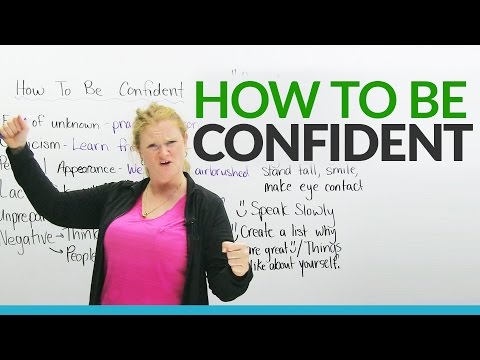
How to be CONFIDENT!
0
HQQ posted on 2017/04/11Feeling nervous before a presentation or job interview? This video is packed with practical tips and techniques to boost your speaking confidence, from mastering body language to practicing effectively. You'll learn simple yet powerful strategies to feel more comfortable and shine in any situation!
Learn this video on the APP!
The VoiceTube App has more in-depth practice for videos!