
addict
US /əˈdɪkt/
UK /ˈædɪkt/
- Noun
- Person who can’t control their overuse of a thing
B1Moreadmit
US /ædˈmɪt/
UK /əd'mɪt/
- Transitive Verb
- To acknowledge that something is true or right
- To allow someone to enter
A2TOEICMoreamusing
US /əˈmjuzɪŋ/
UK /əˈmju:zɪŋ/
- Transitive Verb
- To make someone laugh by entertaining them
- Adjective
- Making someone laugh or feel happy
B2Moreaspire
US /əˈspaɪr/
UK /əˈspaɪə(r)/
- Intransitive Verb
- To have a great ambition or goal
B2Moreat the risk of
US /ət ðə ˈrɪsk ʌv/
UK /ət ðə ˈrɪsk əv/
- other
- Used to introduce a statement that may offend or be criticized.
B2Moreavoid
US /əˈvɔɪd/
UK /ə'vɔɪd/
- Transitive Verb
- To prevent from happening
- To stay away from
A2TOEICMorebanter
US /ˈbæntɚ/
UK /'bæntə(r)/
- Uncountable Noun
- Type of friendly, joking talk
- Intransitive Verb
- To talk in a friendly, joking way
C1TOEICMorebinge
US /bɪndʒ/
UK /bɪndʒ/
- Verb (Transitive/Intransitive)
- To eat or drink too much at one time
C1Moreblend of
US
UK
- Noun
- A mixture of different things combined together.
- A combination of different qualities or elements.
A1Moreborderline
US /ˈbɔrdɚˌlaɪn/
UK /'bɔ:dəlaɪn/
- Noun
- Line dividing two areas or categories
- Adjective
- Almost being; nearly (something specified)
C1Moreby no means
US
UK
- Phrase
- Certainly not; in no way.
A1Morecalculus
US /ˈkælkjələs/
UK /ˈkælkjələs/
- Uncountable Noun
- Branch of math dealing with rates of change, etc.
C1Moreclueless
US /ˈklulɪs/
UK /'klu:ləs/
- Adjective
- Totally uninformed about what is going on
B1Morecome from
US /kʌm frʌm/
UK /kʌm frɔm/
- Phrasal Verb
- To have as your native country or city
A1Morecomplete with
US /kəmˈplit wɪð/
UK /kəmˈpli:t wið/
- Phrase
- Having something as an extra part or feature.
A1Moreconform
US /kənˈfɔrm/
UK /kən'fɔ:m/
- Verb (Transitive/Intransitive)
- To agree or be compatible with something else
- To behave according to socially acceptable conventions or standards.
B1Moreconfrontation
US /ˌkɑ:nfrənˈteɪʃn/
UK /ˌkɒnfrʌnˈteɪʃn/
- Noun
- A disagreement or argument
B1Moreconfused
US /kənˈfjuzd/
UK /kənˈfju:zd/
- Transitive Verb
- To make something unclear or hard to understand
- Adjective
- Being hard to understand
A2Moreconscious
US /ˈkɑnʃəs/
UK /ˈkɒnʃəs/
- Adjective
- Aware of what is going on around you
- Intentionally done; deliberate.
A2Morecontrary
US /ˈkɑnˌtrɛri/
UK /'kɒntrərɪ/
- Adjective
- (Of weather) difficult; likely to cause trouble
- Going against authority, a parent, or the rules
- Adverb
- In opposition to.
B1Morecontrary to
US /ˈkɑnˌtrɛri tu/
UK /ˈkɔntrəri tu:/
- Preposition
- In opposition to; against.
- Differing from; not in agreement with.
A1Morecontroversial
US /ˌkɑntrəˈvɚʃəl, -siəl/
UK /ˌkɔntrəˈvə:ʃəl/
- Adjective
- Causing a great deal of argument, or conflict
B1Moreculture
US /ˈkʌltʃɚ/
UK /'kʌltʃə(r)/
- Noun (Countable/Uncountable)
- Beliefs and customs of a particular group
- The customs, beliefs, art, and all the other things that a group of people share and consider important.
- Transitive Verb
- To grow cells, tissues, bacteria, etc. in a controlled environment.
A2Moredeal with
US /dil wɪð/
UK /di:l wið/
- Verb (Transitive/Intransitive)
- To buy or sell goods or services.
- Phrasal Verb
- To take action to solve a problem or manage a situation.
- To be about; concern.
A1Moredegrading
US /dɪˈɡredɪŋ/
UK /dɪˈgreɪdɪŋ/
- Transitive Verb
- To reduce in amount or strength
B2Moredespise
US /dɪˈspaɪz/
UK /dɪ'spaɪz/
- Transitive Verb
- To have no respect whatsoever for a person/thing
B2Moreemphasize
US /ˈɛmfəˌsaɪz/
UK /'emfəsaɪz/
- Transitive Verb
- To stress the items that are important
B2TOEICMoreexotic
US /ɪɡ'zɑ:tɪk/
UK /ɪɡ'zɒtɪk/
- Adjective
- Being very different or unusual
- Strange because from a different area of the world
B1Morefever
US /ˈfivɚ/
UK /'fi:və(r)/
- Noun (Countable/Uncountable)
- A high body temperature, indicating illness
- State of excited emotion or activity
- Transitive Verb
- To cause to have a fever.
B1Morefigure out
US /ˈfɪɡjɚ aʊt/
UK /ˈfiɡə aut/
- Phrasal Verb
- To understand the behavior of someone
- To think through logically to find a solution
- Verb (Transitive/Intransitive)
- To understand or find an answer to something.
- To find a solution to a problem or understand something.
A1Morefit in
US /fɪt ɪn/
UK /fit in/
- Phrasal Verb
- To mix with others so you get on well with them
A2Morefor myself
US /fɚ maɪˈsɛlf/
UK /fə maɪˈself/
- other
- Done for one's own benefit or use.
A1Moreforeign
US /ˈfɔ:rən/
UK /ˈfɒrən/
- Adjective
- Being of a different place or country
- Strange; different from ones found at home
A2TOEICMorego straight
US /ɡo stret/
UK /ɡəu streit/
- Intransitive Verb
- To continue in the same direction without turning.
- To start living an honest and law-abiding life.
A1Morehardworking
US /'hɑ:d'wɜ:kɪŋ/
UK /hɑ:d'wɜ:kɪŋ/
- Adjective
- Tending to work hard; putting in a lot of effort
B2Moreheritage
US /ˈhɛrɪtɪdʒ/
UK /'herɪtɪdʒ/
- Noun (Countable/Uncountable)
- Traditional beliefs or customs of a culture
B1Morehorrendous
US /hɔˈrɛndəs, hə-/
UK /hɒˈrendəs/
- Adjective
- Causing horror; awful; very bad
C1Moreidentify
US /aɪˈdɛntəˌfaɪ/
UK /aɪ'dentɪfaɪ/
- Transitive Verb
- To indicate who or what someone or something is
- To say exactly what something is
B1TOEICMoreidentity
US /aɪˈdɛntɪti/
UK /aɪ'dentətɪ/
- Noun (Countable/Uncountable)
- Collection of qualities that makes a person
- Who someone is; the name of a person
B1Morein with
US /ɪn wɪð/
UK /in wið/
- Phrase
- Fashionable or popular at the moment.
- Having influence or favor with someone.
- Phrasal Verb
- To introduce or bring something new into a system or organization.
A1Moreinstead of
US /ɪnˈstɛd ʌv/
UK /inˈsted ɔv/
- Preposition
- When one thing is replaced by another
- Adverb
- As a substitute or alternative.
A1Morekeep the peace
US /kip ði pis/
UK /ki:p ðə pi:s/
- Verb (Transitive/Intransitive)
- To maintain order and prevent conflict or disturbance.
- Phrase
- To avoid causing trouble or arguments; maintain order.
A2Moreknow about
US /noʊ əˈbaʊt/
UK /nəʊ əˈbaut/
- Phrasal Verb
- To have information or understanding of a subject or situation.
laughter
US /ˈlæftɚ, ˈlɑf-/
UK /ˈlɑ:ftə(r)/
- Uncountable Noun
- Action or sound of laughing
- The feeling of amusement that makes you laugh.
A2Morelive on
US /lɪv ɒn/
UK /lɪv ɒn/
- Phrasal Verb
- To continue to exist or be remembered.
- To eat a particular type of food as the main thing.
B2Morelongest time
US
UK
- Phrase
- The greatest duration of time.
- A very long period.
A1Moremainstream
US /ˈmenˌstrim/
UK /ˈmeɪnstri:m/
- Noun
- Prevailing current of thought
- Adjective
- considered normal, and having or using ideas, beliefs, etc. that are accepted by most people
- Considered normal because it reflects what is done or accepted by most people
C2Moremake up
US /mek ʌp/
UK /meik ʌp/
- Phrasal Verb
- To invent or create a story
- To add up to
- Verb (Transitive/Intransitive)
- To invent a story, excuse, etc.
- To compensate for something lost, missed, or deficient.
A1Moremansion
US /ˈmænʃən/
UK /ˈmænʃn/
- Noun (Countable/Uncountable)
- Very large, expensive home
- Historically, the main residence of a lord or wealthy person.
B2Moreno matter
US
UK
- Conjunction
- Regardless of; it does not matter.
- Adverb
- Regardless of; it is not important
A1Morenorm
US /nɔ:rm/
UK /nɔ:m/
- Noun (Countable/Uncountable)
- Standard or regular way of doing something
- An established standard of performance or behavior
- Transitive Verb
- To make something average (statistics)
B1Moreoffend
US /əˈfɛnd/
UK /ə'fend/
- Verb (Transitive/Intransitive)
- To break a rule or do something wrong
- To upset, as by hurting someone's feelings
B1Moreoftentimes
US /ˈɔfənˌtaɪmz, ˈɔftən-, ˈɑfən-, ˈɑftən-/
UK /ˈɒfntaɪmz/
- Adverb
- Mainly US many times; at short intervals
C2Moreout there
US /aʊt ðɛr/
UK /aut ðɛə/
- Adverb
- In or to a place that is far away
- Existing in the universe
- Adjective
- Unconventional; strange; avant-garde
- Existing or available.
A1Morepiano
US /piˈæno, ˈpjæno/
UK /piˈænəʊ/
- Noun
- Keyboard instrument used for playing music
- Adverb
- In a soft and quiet manner (on the piano)
A2Morepit
US /pɪt/
UK /pɪt/
- Transitive Verb
- To use your strength, skill or wit to beat another
- To make holes or marks on a surface
- Noun
- Hole in the ground
- Garage area for racing cars on a circuit
B1Morepretend
US /prɪˈtɛnd/
UK /prɪ'tend/
- Verb (Transitive/Intransitive)
- To act as if something is true when it is not
- Adjective
- Not real; imaginary.
A2TOEICMoreput it away
US
UK
- Phrasal Verb
- To return something to its proper location; to tidy up.
- To save something, especially money, for future use.
A1Morerace
US /res/
UK /reɪs/
- Noun (Countable/Uncountable)
- Speed contest between people, animals or vehicles
- People who share physical features or culture
- Intransitive Verb
- To take part in a running or swimming competition
- To move or go at a very fast pace
A2Moreracial
US /ˈreʃəl/
UK /ˈreɪʃl/
- Adjective
- Of or relating to race
B2Moreracism
US /ˈreˌsɪzəm/
UK /ˈreɪsɪzəm/
- Noun (Countable/Uncountable)
- Belief that people of other races are bad/inferior
- Prejudice, discrimination, or antagonism directed against a person or people on the basis of their membership in a particular racial or ethnic group, typically one that is a minority or marginalized.
B2Moreracist
US /'reɪsɪst/
UK /'reɪsɪst/
- Adjective
- Believing that people of other races are inferior
- Noun
- Person who judges others negatively based on race
B2Morereconcile
US /ˈrɛkənˌsaɪl/
UK /'rekənsaɪl/
- Transitive Verb
- To balance the accounts
- To make two things both be true or compatible
B2TOEICMorereject
US /rɪˈdʒɛkt/
UK /rɪˈdʒekt/
- Noun (Countable/Uncountable)
- Goods that are not suitable for sale at full price
- Person others do not like, or refuse to accept
- Transitive Verb
- To decide that something is not good enough
- To refuse, deny to believe, accept, or consider
A2TOEICMoresafe
US /sef/
UK /seɪf/
- Adjective
- Highly likely
- Being out of danger
- Countable Noun
- Metal box with a lock to keep valuable things in
A2Moresociety
US /səˈsaɪɪti/
UK /sə'saɪətɪ/
- Noun (Countable/Uncountable)
- A group who meet to share values or interests
- Group of people living together
A2TOEICMorespeak out
US /spik aʊt/
UK /spi:k aut/
- Phrasal Verb
- To express your opinion frankly and publicly, especially about something that you disagree with.
A1Morestart off
US /stɑrt ɔf/
UK /stɑ:t ɔf/
- Phrasal Verb
- To begin or commence something.
- To begin a journey.
B2Morestereotype
US /ˈstɛriəˌtaɪp, ˈstɪr-/
UK /'sterɪətaɪp/
- Noun
- False categorization of people as all the same
- Transitive Verb
- To wrongly categorize people as all the same
B2Morestick with
US /stɪk wɪð/
UK /stik wið/
- Phrasal Verb
- To continue to support or stay loyal to someone or something.
- To continue doing or using something; to persevere.
A1Morestraight
US /stret/
UK /streɪt/
- Adjective
- Not having curves, bends, or angles
- Not gay; heterosexual
- Adverb
- in a line; immediately; honestly and directly
- In a straight line; directly.
A2TOEICMorestrip away
US /strɪp əˈwe/
UK /strip əˈwei/
- Phrasal Verb
- To gradually reduce the power, rights, or possessions of someone.
C1Moretalking about
US
UK
- Phrasal Verb
- To discuss a particular topic.
- To be constantly mentioning or bringing up a subject.
A1Moreto do with
US
UK
- Phrasal Verb
- To be about something; concern
A1Moretruth
US /truθ/
UK /tru:θ/
- Uncountable Noun
- Real facts about something
A2Moreunrealistic
US /ˌʌnri:əˈlɪstɪk/
UK /ˌʌnrɪəˈlɪstɪk/
- Adjective
- Not seeing or interpreting things as they are
B1Moreused to
US /juzd tu/
UK /ˈju:st tə/
- Adjective
- Did regularly before, but don't do now
- Auxiliary Verb
- Have done before, but do not do now
A1More
Vocabulary
- used to: Did regularly before, but don't do now
- come from: To have as your native country or city
- speak out: To express your opinion frankly and publicly, especially about something that you disagree with.
- make up: To invent or create a story
- figure out: To understand the behavior of someone
- start off: To begin or commence something.
- blend of: A mixture of different things combined together.
- longest time: The greatest duration of time.
- deal with
- contrary to: In opposition to; against.
- live on: To continue to exist or be remembered.
- stick with: To continue to support or stay loyal to someone or something.
- talking about: To discuss a particular topic.
- go straight: To continue in the same direction without turning.
- out there: In or to a place that is far away
- no matter: Regardless of; it does not matter.
- complete with: Having something as an extra part or feature.
- put it away: To return something to its proper location; to tidy up.
- for myself: Done for one's own benefit or use.
- by no means: Certainly not; in no way.
- to do with: To be about something; concern
- fit in: To mix with others so you get on well with them
- in with: Fashionable or popular at the moment.
- strip away: To gradually reduce the power, rights, or possessions of someone.
- keep the peace: To maintain order and prevent conflict or disturbance.
- at the risk of: Used to introduce a statement that may offend or be criticized.
- know about: To have information or understanding of a subject or situation.
- instead of: When one thing is replaced by another
- conscious: Aware of what is going on around you
- pretend: To act as if something is true when it is not
- controversial: Causing a great deal of argument, or conflict
- straight: Not having curves, bends, or angles
- stereotype: False categorization of people as all the same
- identify: To indicate who or what someone or something is
- admit: To acknowledge that something is true or right
- binge: To eat or drink too much at one time
- society: A group who meet to share values or interests
- heritage: Traditional beliefs or customs of a culture
- exotic: Being very different or unusual
- norm: Standard or regular way of doing something
- bit: Device put in a horse's mouth to control it
- mean: Average of a set of numbers
- avoid: To prevent from happening
- similar: Nearly the same; alike
- identity: Collection of qualities that makes a person
- emphasize: To stress the items that are important
- racist: Believing that people of other races are inferior
- race: Speed contest between people, animals or vehicles
- contrary: (Of weather) difficult; likely to cause trouble
- culture: Beliefs and customs of a particular group
- guess: To give an answer without knowing if it is correct
- racism: Belief that people of other races are bad/inferior
- foreign: Being of a different place or country
- single: One run in cricket or a hit baseball
- favorite: A thing that someone likes best or enjoys most
- addict: Person who can’t control their overuse of a thing
- unrealistic: Not seeing or interpreting things as they are
- clueless: Totally uninformed about what is going on
- confused: To make something unclear or hard to understand
- reject: Goods that are not suitable for sale at full price
- offend: To break a rule or do something wrong
- sound: Sensible, dependable and reliable
- mainstream: Prevailing current of thought
- reconcile: To balance the accounts
- mansion: Very large, expensive home
- fever: A high body temperature, indicating illness
- step: Movement done as part of a particular dance
- despise: To have no respect whatsoever for a person/thing
- pit: To use your strength, skill or wit to beat another
- part: Division of a book
- aspire: To have a great ambition or goal
- racial: Of or relating to race
- think: To have an idea about something without certainty
- laughter: Action or sound of laughing
- confrontation: A disagreement or argument
- design: To plan in a particular way to fulfill a purpose
- begin: To do the first part of an action; to start
- truth: Real facts about something
- degrading: To reduce in amount or strength
- horrendous: Causing horror; awful; very bad
- conform: To agree or be compatible with something else
- work: The product of some artistic or literary endeavor
- live: To be alive
- story: One of many floors or levels in a building
- amusing: To make someone laugh by entertaining them
- banter: Type of friendly, joking talk
- oftentimes: Mainly US many times; at short intervals
- borderline: Line dividing two areas or categories
- calculus: Branch of math dealing with rates of change, etc.
- safe: Highly likely
- piano: Keyboard instrument used for playing music
- hardworking: Tending to work hard; putting in a lot of effort
Get the full experience in the app
Learn anywhere with detailed sentence and usage analysis
01:03
She took a brave step forward, leaving behind her comfort zone to chase her dreams.
Vocabulary
- brave
adj. Having courage
- comfort zone
phr. A familiar situation where one feels safe
Explanation
a brave step is a noun phrase, where brave is an adjective modifying the noun step, meaning "a courageous step".
forward is an adverb modifying step, meaning "ahead".
The whole phrase serves as the object, answering the "what" of took (verb) — she took a brave step forward.
Get the full experience in the app
Look up words anytime with pronunciation, part of speech, and usage
brave
US/brev/
UK/breɪv/
adj.Brave
v.t.To bravely face
A2 Elementary
Get the full experience in the app
Practice speaking anytime and get instant pronunciation feedback
Try this speaking exercise.
Try practicing with this sentence.
80
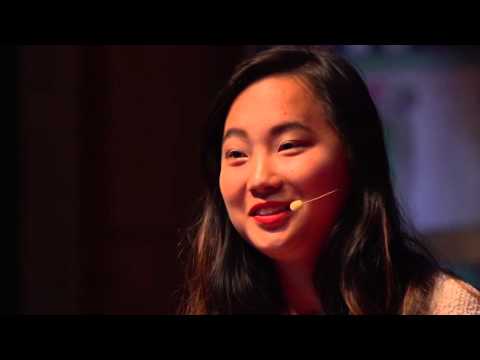
【TEDx】I Am Not Your Asian Stereotype | Canwen Xu | TEDxBoise
0
林靜如 posted on 2017/04/07Ever felt like you don't fit the stereotype? Canwen Xu shares her powerful personal story about navigating Asian American identity and challenging the 'model minority' myth. You'll gain cultural insights and hear real-life examples that make learning English feel super relevant!
Learn this video on the APP!
The VoiceTube App has more in-depth practice for videos!