
admit
US /ædˈmɪt/
UK /əd'mɪt/
- Transitive Verb
- To acknowledge that something is true or right
- To allow someone to enter
A2TOEICMoreall bets are off
US /ɔl bɛts ɑr ɔf/
UK /ɔ:l bets ɑ: ɔf/
- other
- Used to say that no plans or predictions can be relied upon.
B2Moreall over the place
US
UK
- Phrase
- In a state of disorder; scattered everywhere.
- In many different locations; widely distributed.
- Adjective
- Mentally or emotionally disorganized; confused or erratic.
A1Moreapplause
US /əˈplɔz/
UK /ə'plɔ:z/
- Noun (Countable/Uncountable)
- The sound made by clapping a performance or speech
B1Moreat the same time
US
UK
- Phrase
- Simultaneously; at the identical moment.
- Nevertheless; however; used to introduce a contrasting or qualifying statement.
A1Moreat work
US /æt wɚk/
UK /æt wə:k/
- Phrase
- Located at one's place of employment
A1Morebad idea
US
UK
- Phrase
- An unwise or imprudent course of action.
A2Morebear
US /bɛr/
UK /bɛː/
- Transitive Verb
- To accept (responsibilities or duties)
- To give birth to a child; to produce fruit
- Countable Noun
- Large brown animal with fur that lives in forests
- Someone who expects stock market to fall
A2Morebecome popular
US
UK
- Phrase
- To start to be liked by many people.
A2Morebooster
US /ˈbustɚ/
UK /'bu:stə(r)/
- Noun (Countable/Uncountable)
- Person who backs a politician or a team etc.
- Something that increases strength or effectiveness.
B1Moreby accident
US /baɪ ˈæksɪdənt/
UK /bai ˈæksidənt/
- Phrase
- Without intending to; unintentionally.
circle back
US /ˈsɝkl bæk/
UK /ˈsɜ:kl bæk/
- other
- To return to a previous topic or point in conversation.
B2Morecompel
US /kəmˈpɛl/
UK /kəm'pel/
- Transitive Verb
- To force someone to do something
B1TOEICMoredecide
US /dɪˈsaɪd/
UK /dɪ'saɪd/
- Verb (Transitive/Intransitive)
- To make a choice or choose after thinking about it
- To make a legal judgment in court
A2TOEICMoredepend
US /dɪˈpend/
UK /dɪˈpend/
- Verb (Transitive/Intransitive)
- Be controlled or determined by (someone/something)
- To rely on someone or something for support, help, or existence.
B1TOEICMoredepending on
US
UK
- Phrasal Verb
- To rely on for support (financial or emotional)
- Influenced or determined by.
- Preposition
- Subject to; contingent on
- Relying on someone or something for support or assistance.
A2Moredisagree with
US /ˌdɪsəˈɡri wɪð/
UK /ˌdisəˈɡri: wið/
- Phrasal Verb
- To have a different opinion from someone else.
- Intransitive Verb
- To cause someone to feel ill or uncomfortable.
A1Moredisease
US /dɪˈziz/
UK /dɪˈzi:z/
- Noun (Countable/Uncountable)
- Illness that affects a person, animal, or plant
- A disorder of structure or function in a plant, especially one caused by a pathogen.
- Transitive Verb
- To affect with disease; to corrupt or sicken.
A2TOEICMoredna
US
UK
- Noun (Countable/Uncountable)
- Chemical in living cells with genetic information
B2Moreembryo
US /ˈɛmbriˌo/
UK /ˈembriəʊ/
- Noun
- Tiny plant stored inside a seed
- Early form of an unborn human or animal
B2Moreexact
US /ɪɡˈzækt/
UK /ɪɡ'zækt/
- Adjective
- Completely correct; accurate; specific
- Transitive Verb
- To get something, sometimes using force
A2TOEICMorefertilization
US /ˌfɚtlɪˈzeʃən/
UK /ˌfɜ:təlaɪ'zeɪʃn/
- Uncountable Noun
- Process of a sperm entering an egg in reproduction
- The act or process of adding fertilizer to soil or land.
B1Morefor example
US
UK
- Phrase
- As an illustration or instance.
forget about
US /fɚˈɡɛt əˈbaʊt/
UK /fəˈɡet əˈbaut/
- Phrasal Verb
- To stop thinking about something; to ignore something.
A1Moregeneration
US /ˌdʒɛnəˈreʃən/
UK /ˌdʒenəˈreɪʃn/
- Noun (Countable/Uncountable)
- Act or process of producing or causing something
- People born and living at about the same time
A2TOEICMoregenetic
US /dʒəˈnɛtɪk/
UK /dʒəˈnetɪk/
- Adjective
- Of, relating to, or controlled by genes
- Relating to genes or heredity.
B1Moregenetically
US /dʒə'netɪklɪ/
UK /dʒə'netɪklɪ/
- Adverb
- Caused or controlled, or by genes
- By means of genes or genetic engineering.
B1Moregenetics
US /dʒəˈnɛtɪks/
UK /dʒəˈnetɪks/
- Noun (plural)
- Studies of how things develop between generations
- Uncountable Noun
- The study of heredity and the variation of inherited characteristics.
B1Morego on
US /ɡo ɑn/
UK /ɡəu ɔn/
- Phrasal Verb
- To continue doing something
- To happen (usually negative)
- Interjection
- Used to encourage someone
A1Morego out
US /ɡo aʊt/
UK /ɡəu aut/
- Phrase
- To leave a building (e.g. a house)
- Phrasal Verb
- (Of a fire) to burn out; be extinguished
- Go out of fashion to stop being fashionable
A1Moregoal
US /ɡol/
UK /ɡəʊl/
- Noun (Countable/Uncountable)
- Something you try to do or achieve; an aim
- (Sports) net into which you put a ball to score
A2TOEICMoregoing on
US /ˈɡoɪŋ ɑn/
UK /ˈgəʊɪŋ ɔn/
- Phrasal Verb
- To continue doing something
- To happen (usually negative)
A1Morehave to
US /hæv tu/
UK /ˈhæv tə/
- Auxiliary Verb
- Must do
A1Moreheartbroken
US /ˈhɑrtˌbrokən/
UK /ˈhɑ:tˌbrəʊkən/
- Adjective
- Very sad, e.g. because you broke up with someone
- Overwhelmed by sorrow; deeply distressed.
C1Morehiv
US
UK
- Noun
- Infection by the human immunodeficiency virus
B1Morehold on
US /hold ɑn/
UK /həuld ɔn/
- Phrasal Verb
- To wait for someone (e.g. on a phone call)
- To wait for a short time.
A1Morehome in
US /ˈhoʊm ɪn/
UK /ˈhəum ɪn/
- other
- Move or direct toward a specific target or goal.
B2Morein essence
US /ɪn ˈɛsəns/
UK /in ˈesns/
- Phrase
- Used to summarize the main point.
- Relating to the most important aspect of something.
A1Morein fact
US /ɪn fækt/
UK /in fækt/
- Adverb
- Used to emphasize the truth of a statement, especially one that contrasts with or contradicts something else.
- Used to introduce a more detailed or surprising piece of information.
- Phrase
- Used to emphasize the truth of a statement, especially one that is surprising or contrary to what might be expected.
C1Morein hand
US /ɪn hænd/
UK /in hænd/
- Phrase
- In one's possession or control.
in mind
US /ɪn maɪnd/
UK /in maind/
- Phrase
- Being aware of or considering something.
- To remember or consider something.
A2Morein on
US
UK
- Phrase
- To be involved in a secret or plan.
- To be aware of something that is secret or not generally known.
A1Morein public
US /ɪn ˈpʌblɪk/
UK /in ˈpʌblik/
- Phrase
- In a place where anyone can see or hear you.
- Adjective
- Relating to the government or the people as a whole.
B1Morein terms of
US
UK
- Phrase
- With regard to; concerning a particular aspect.
A1Morein the past
US
UK
- Phrase
- During a former period of time; previously.
A1Morein the world
US /ɪn ði wɜrld/
UK /in ðə wɜː(r)ld/
- Phrase
- Used to emphasize a question expressing surprise, confusion, disbelief
- Used to indicate the extent or degree of something, often in a superlative sense
A1Morein theory
US /ɪn ˈθiəri/
UK /in ˈθiəri/
- Adverb
- According to the stated ideas or principles
- Phrase
- According to the theoretical possibilities rather than actual practice.
B2Moreinstead of
US /ɪnˈstɛd ʌv/
UK /inˈsted ɔv/
- Preposition
- When one thing is replaced by another
- Adverb
- As a substitute or alternative.
A1Moreknow about
US /noʊ əˈbaʊt/
UK /nəʊ əˈbaut/
- Phrasal Verb
- To have information or understanding of a subject or situation.
lab
US /læb/
UK /læb/
- Noun (Countable/Uncountable)
- Short for 'laboratory'
B1Moreliterally
US /ˈlɪtərəli/
UK
- Adverb
- In a literal manner or sense; exactly as stated.
- Used for emphasis to describe something that is actually true, often to highlight surprise or intensity.
B1Morelook at
US /lʊk æt/
UK /luk æt/
- Phrasal Verb
- To use your eyes to focus on something
- To focus your eyes on something carefully
A1Morelook down on
US
UK
- Phrasal Verb
- To show you think others are not as good as you
A1Moremagnifying
US
UK
- Transitive Verb
- To increase the importance or seriousness of
- To make something larger, louder, or greater
B2Moremake for
US /mek fɔr/
UK /meik fɔ:/
- Phrasal Verb
- To go to or toward something/someone for a reason
- To result in; cause
A1Moremodification
US /mɒdɪfɪˈkeɪʃ(ə)/
UK /ˌmɒdɪfɪˈkeɪʃn/
- Noun (Countable/Uncountable)
- A small change to a machine, system, or plan
- The act of adjusting or adapting something.
B1TOEICMoremodify
US /ˈmɑ:dɪfaɪ/
UK /ˈmɒdɪfaɪ/
- Transitive Verb
- To make minor change to something
B1Morenarcissism
US /ˈnɑrsɪˌsɪzəm/
UK /ˈnɑ:sɪsɪzəm/
- Uncountable Noun
- Being in love with yourself, your own appearance
- In psychoanalytic theory, self-centeredness arising from failure to distinguish the self from external objects, either in early infancy or as a feature of mental disorder.
C1TOEICMorenext door
US /nɛkst dɔr/
UK /nekst dɔ:/
- Adverb
- Living in the house next to the one mentioned
A1Morenext to
US /nɛkst tu/
UK /nekst tu:/
- Preposition
- Being located along side another
- In comparison with
- Adverb
- Almost; nearly
A1Moreon the carpet
US /ɑn ðə ˈkɑrpɪt/
UK /ɒn ðə ˈkɑ:pɪt/
- other
- Called for a reprimand or formal criticism.
B2Moreon the scene
US /ɑn ði sin/
UK /ɔn ðə si:n/
- Phrase
- Present at a location, especially where something has happened.
- Involved or active in a particular area or activity.
B1Moreout of control
US /aʊt ʌv kənˈtrol/
UK /aut ɔv kənˈtrəul/
- Adjective
- Impossible to manage or control.
- Not able to be directed or steered.
A1Morepretend
US /prɪˈtɛnd/
UK /prɪ'tend/
- Verb (Transitive/Intransitive)
- To act as if something is true when it is not
- Adjective
- Not real; imaginary.
A2TOEICMorereality
US /riˈælɪti/
UK /rɪ'ælətɪ/
- Noun (Countable/Uncountable)
- What is true, as opposed to what is imagined
- The state of things as they actually exist, rather than as they may appear or might be imagined.
A2Moreresearch
US /rɪˈsɚtʃ, ˈriˌsɚtʃ/
UK /rɪ'sɜ:tʃ/
- Verb (Transitive/Intransitive)
- To study in order to discover new ideas and facts
- To study the market relating to marketing products and services.
- Noun (Countable/Uncountable)
- Study done to discover new ideas and facts
- A particular area or topic of study.
A2TOEICMorerevolution
US /ˌrɛvəˈluʃən/
UK /ˌrevə'lu:ʃn/
- Noun
- When a group overthrows an existing government
- Sudden or significant change in something
B1Moreroute
US /rut, raʊt/
UK /ru:t/
- Noun (Countable/Uncountable)
- Way to get from one place to another place; path
- Path or way that people often use
- Transitive Verb
- To send along a particular path or way
A2TOEICMorerun with
US /rʌn wɪð/
UK /rʌn wið/
- Phrasal Verb
- To take and work with an idea, plan as your own
A1Moresame time
US
UK
- Phrase
- Occurring simultaneously or at the same point in time.
- At the identical time as before; recurring at a fixed hour.
- Noun
- An equal duration or period.
A1Morescene
US /sin/
UK /si:n/
- Noun
- Incident where someone behaves angrily, badly
- View that looks like a picture
A2TOEICMorescience
US /ˈsaɪəns/
UK /'saɪəns/
- Uncountable Noun
- Study of the physical world, based on facts
A2TOEICMoreseductive
US /sɪˈdʌktɪv/
UK /sɪˈdʌktɪv/
- Adjective
- Having the ability to attract someone sexually
- Making someone do or want something (often bad)
B2Morespot
US /spɑt/
UK /spɒt/
- Noun
- A certain place or area
- A difficult time; awkward situation
- Transitive Verb
- To see someone or something by chance
A2TOEICMorestuffy
US /ˈstʌfi/
UK /'stʌfɪ/
- Adjective
- (Nose) blocked
- Old fashioned; sticking to the rules; too formal
C1Moreswing
US /swɪŋ/
UK /swɪŋ/
- Noun
- Movement in a curved motion
- Flowing, curved movement, e.g. of the arm
- Verb (Transitive/Intransitive)
- To move something in a back and forth motion
- To move in a back and forth motion, while hanging
A2Moretalking about
US
UK
- Phrasal Verb
- To discuss a particular topic.
- To be constantly mentioning or bringing up a subject.
A1Moretechnology
US /tɛkˈnɑlədʒi/
UK /tek'nɒlədʒɪ/
- Uncountable Noun
- Use or knowledge of science in industry etc.
- Machinery and equipment developed from scientific knowledge.
A2TOEICMorethink about
US /θɪŋk əˈbaʊt/
UK /θiŋk əˈbaut/
- Phrasal Verb
- To consider something carefully.
- To remember or call to mind.
A1Moreto some extent
US /tu sʌm ɪkˈstɛnt/
UK /tu: sʌm iksˈtent/
- Phrase
- Partially; not completely.
A1Moreubiquitous
US /juˈbɪkwɪtəs/
UK /ju:ˈbɪkwɪtəs/
- Adjective
- Found everywhere; found in many places
C2TOEICMoreunsettling
US
UK
- Transitive Verb
- To upset; making someone feel uneasy
B2Moreused to
US /juzd tu/
UK /ˈju:st tə/
- Adjective
- Did regularly before, but don't do now
- Auxiliary Verb
- Have done before, but do not do now
A1Morewith it
US /wɪð ɪt/
UK /wið it/
- Adjective
- Intelligent, alert, and up-to-date.
- Understanding and knowledgeable about current trends or information.
A1Morework in
US /wɚk ɪn/
UK /wə:k in/
- Phrasal Verb
- To make an opening for something in your schedule
- To fit person/thing into a schedule or sequence
A1More
Vocabulary
- talking about: To discuss a particular topic.
- in fact: Used to emphasize the truth of a statement, especially one that contrasts with or contradicts something else.
- think about: To consider something carefully.
- next to: Being located along side another
- used to: Did regularly before, but don't do now
- on the scene: Present at a location, especially where something has happened.
- going on: To continue doing something
- have to: Must do
- look at: To use your eyes to focus on something
- depending on: To rely on for support (financial or emotional)
- make for: To go to or toward something/someone for a reason
- bad idea: An unwise or imprudent course of action.
- look down on: To show you think others are not as good as you
- next door: Living in the house next to the one mentioned
- on the carpet: Called for a reprimand or formal criticism.
- know about: To have information or understanding of a subject or situation.
- run with: To take and work with an idea, plan as your own
- go on: To continue doing something
- to some extent: Partially; not completely.
- in theory: According to the stated ideas or principles
- in on: To be involved in a secret or plan.
- home in: Move or direct toward a specific target or goal.
- in hand: In one's possession or control.
- at the same time: Simultaneously; at the identical moment.
- same time: Occurring simultaneously or at the same point in time.
- work in: To make an opening for something in your schedule
- at work: Located at one's place of employment
- instead of: When one thing is replaced by another
- with it: Intelligent, alert, and up-to-date.
- forget about: To stop thinking about something; to ignore something.
- by accident: Without intending to; unintentionally.
- for example: As an illustration or instance.
- become popular: To start to be liked by many people.
- in essence: Used to summarize the main point.
- all bets are off: Used to say that no plans or predictions can be relied upon.
- in terms of
- in the past: During a former period of time; previously.
- out of control: Impossible to manage or control.
- go out: To leave a building (e.g. a house)
- in mind: Being aware of or considering something.
- in public: In a place where anyone can see or hear you.
- hold on: To wait for someone (e.g. on a phone call)
- disagree with: To have a different opinion from someone else.
- circle back: To return to a previous topic or point in conversation.
- all over the place: In a state of disorder; scattered everywhere.
- in the world: Used to emphasize a question expressing surprise, confusion, disbelief
- literally: In a literal manner or sense; exactly as stated.
- sort: To organize things by putting them into groups
- pretend: To act as if something is true when it is not
- applause: The sound made by clapping a performance or speech
- scene: Incident where someone behaves angrily, badly
- disease: Illness that affects a person, animal, or plant
- spot: A certain place or area
- exact: Completely correct; accurate; specific
- reality: What is true, as opposed to what is imagined
- admit: To acknowledge that something is true or right
- imagine: To think creatively about; form mental picture of
- ubiquitous: Found everywhere; found in many places
- research: To study in order to discover new ideas and facts
- decision: Choice made after thinking; final judgment
- generation: Act or process of producing or causing something
- introduce: To open an essay to set the scene
- genetic: Of, relating to, or controlled by genes
- route: Way to get from one place to another place; path
- social: Involving activity with people, e.g. in free time
- revolution: When a group overthrows an existing government
- goal: Something you try to do or achieve; an aim
- interest: Best or most advantageous thing for someone
- technology: Use or knowledge of science in industry etc.
- science: Study of the physical world, based on facts
- century: Period of 100 years
- important: Having power or authority
- bear: To accept (responsibilities or duties)
- depend: Be controlled or determined by (someone/something)
- swing: Movement in a curved motion
- decide: To make a choice or choose after thinking about it
- fact: Something that is known or proved to be true
- genetically: Caused or controlled, or by genes
- public: Owned by the government
- narcissism: Being in love with yourself, your own appearance
- kind: In a caring and helpful manner
- compel: To force someone to do something
- modify: To make minor change to something
- embryo: Tiny plant stored inside a seed
- think: To have an idea about something without certainty
- seductive: Having the ability to attract someone sexually
- human: A person; a man, woman or child
- world: All the humans, events, activities on the earth
- genetics: Studies of how things develop between generations
- lab: Short for 'laboratory'
- modification: A small change to a machine, system, or plan
- unsettling: To upset; making someone feel uneasy
- stuffy: (Nose) blocked
- fertilization: Process of a sperm entering an egg in reproduction
- booster: Person who backs a politician or a team etc.
- magnifying: To increase the importance or seriousness of
- heartbroken: Very sad, e.g. because you broke up with someone
- dna: Chemical in living cells with genetic information
- hiv: Infection by the human immunodeficiency virus
Get the full experience in the app
Learn anywhere with detailed sentence and usage analysis
01:03
She took a brave step forward, leaving behind her comfort zone to chase her dreams.
Vocabulary
- brave
adj. Having courage
- comfort zone
phr. A familiar situation where one feels safe
Explanation
a brave step is a noun phrase, where brave is an adjective modifying the noun step, meaning "a courageous step".
forward is an adverb modifying step, meaning "ahead".
The whole phrase serves as the object, answering the "what" of took (verb) — she took a brave step forward.
Get the full experience in the app
Look up words anytime with pronunciation, part of speech, and usage
brave
US/brev/
UK/breɪv/
adj.Brave
v.t.To bravely face
A2 Elementary
Get the full experience in the app
Practice speaking anytime and get instant pronunciation feedback
Try this speaking exercise.
Try practicing with this sentence.
80
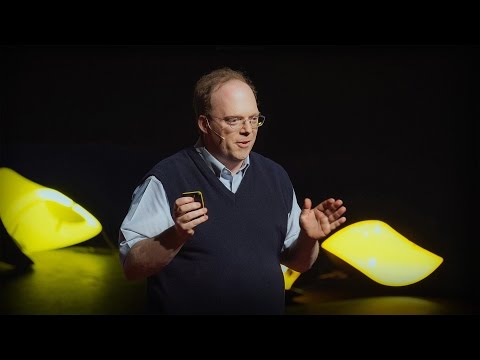
【TED】Paul Knoepfler: The ethical dilemma of designer babies (The ethical dilemma of designer babies | Paul Knoepfler)
0
yucyan posted on 2017/04/06Ever wondered about 'designer babies' and the science behind them? This fascinating TED talk dives into the ethical dilemmas surrounding CRISPR technology and what a future with genetic modification might look like. You'll pick up some advanced vocabulary related to bioethics and genetics while exploring a really thought-provoking topic!
Learn this video on the APP!
The VoiceTube App has more in-depth practice for videos!