
at least
US /æt list/
UK /æt li:st/
- Adverb
- As a minimum
- Not less than
- Phrase
- No less than; at the minimum
- Used to indicate that something is positive in a bad situation.
C2Moreattempt
US /əˈtɛmpt/
UK /ə'tempt/
- Verb (Transitive/Intransitive)
- To try to do something challenging or difficult
- Noun
- Effort made to try to do or accomplish something
A2TOEICMorebasically
US /ˈbesɪkəli,-kli/
UK /ˈbeɪsɪkli/
- Adverb
- Used before you explain something simply, clearly
- In essence; when you consider the most important aspects of something.
A2Morebeak
US /bik/
UK /bi:k/
- Noun
- Hard pointed parts of a bird's mouth; bill
B2Morecare of
US /kɛr ʌv/
UK /kɛə ɔv/
- Preposition
- Used in an address to indicate the person who will receive the mail for someone else.
A2Moreconfusing
US /kənˈfjuzɪŋ/
UK /kənˈfju:zɪŋ/
- Transitive Verb
- To make something unclear or hard to understand
- Adjective
- Being hard to understand
A2Morecrow
US /kroʊ/
UK /krəʊ/
- Noun (Countable/Uncountable)
- Large black bird
- Intransitive Verb
- To make a high loud sound, e.g. like a rooster
- To be very proud of something and talk about it
B2Moreembarrassing
US /ɪmˈbærəsɪŋ/
UK /ɪmˈbærəsɪŋ/
- Transitive Verb
- To cause someone to feel ashamed
- Adjective
- Causing shame
- Causing embarrassment.
A2Moreenglish speaker
US
UK
- Noun
- A person who speaks English.
- A person with fluency in English.
A2Morefocus
US /ˈfokəs/
UK /'fəʊkəs/
- Verb (Transitive/Intransitive)
- To see clearly by adjusting your eyes or a camera
- To keep your attention, concentration on one thing
- Noun (Countable/Uncountable)
- Main purpose or center of interest or activity
- The clarity of an image produced by a lens.
A2TOEICMorefor example
US
UK
- Phrase
- As an illustration or instance.
for that matter
US /fɔr ðæt ˈmætɚ/
UK /fɔ: ðæt ˈmætə/
- Phrase
- Used to emphasize that something is true or likely to happen, or to introduce a related point.
- Used to introduce a statement that supports or strengthens a previous statement.
A2Morefrustrating
US /frʌˈstretɪŋ/
UK /frʌˈstreɪtɪŋ/
- Transitive Verb
- To make annoyed because things don't go well
- To prevent (someone) from accomplishing something.
- Adjective
- Annoying because things don't go the way you want
- Serving to frustrate.
B1Moregist
US /dʒɪst/
UK /dʒɪst/
- Noun
- Main points of something
B1TOEICMoregive up
US /ɡɪv ʌp/
UK /ɡiv ʌp/
- Phrasal Verb
- To lose hope or admit defeat
- To decide to not start to try solving a problem
A1Moregoing on
US /ˈɡoɪŋ ɑn/
UK /ˈgəʊɪŋ ɔn/
- Phrasal Verb
- To continue doing something
- To happen (usually negative)
A1Moregot to
US /ɡɑt tu/
UK /gɔt tu:/
- Verb (Transitive/Intransitive)
- To arrive at some place
- To have the opportunity or permission to do something
- Phrasal Verb
- To appeal to the emotions of; move
- To finally begin to start something after a delay
A1Moregrammatically
US /ɡrə'mætɪklɪ/
UK /ɡrə'mætɪklɪ/
- Adverb
- Correctly; as expected in correct grammar
B2Moregym
US /dʒɪm/
UK /dʒɪm/
- Noun (Countable/Uncountable)
- Physical education taught as a class in school
- Building used for physical activities or sports
C2Morehave to
US /hæv tu/
UK /ˈhæv tə/
- Auxiliary Verb
- Must do
A1Morehousehold
US /ˈhaʊsˌhold/
UK /'haʊshəʊld/
- Adjective
- Being in everyday use; common
- Relating to a house or home.
- Noun (Countable/Uncountable)
- Concerning a home
- Family or other group living together in a house
B1Moreimperative
US /ɪmˈpɛrətɪv/
UK /ɪm'perətɪv/
- Noun
- The state of demanding notice or attention
- Adjective
- Absolutely necessary; that must be done
B2TOEICMoreimply
US /ɪmˈplaɪ/
UK /ɪmˈplaɪ/
- Transitive Verb
- To suggest something, without saying it directly
- To involve or indicate by inference, association, or necessary consequence rather than by direct statement
A2TOEICMorein a word
US /ɪn e wɚd/
UK /in ə wə:d/
- Phrase
- Briefly; in short.
A1Morein detail
US /ɪn dɪˈtel/
UK /in ˈdi:teil/
- Phrase
- Thoroughly and completely; giving full particulars.
A2Moreindividual
US /ˌɪndəˈvɪdʒuəl/
UK /ˌɪndɪˈvɪdʒuəl/
- Countable Noun
- Single person, looked at separately from others
- A single thing or item, especially when part of a set or group.
- Adjective
- Made for use by one single person
- Having a distinct manner different from others
A2Moreinitially
US /ɪˈnɪʃəli/
UK /ɪˈnɪʃəli/
- Adverb
- At first; originally
- In the first stage of a process or development.
A2TOEICMorejar
US /dʒɑr/
UK /dʒɑ:(r)/
- Verb (Transitive/Intransitive)
- To have a harsh or unsettling effect on someone
- To make a harsh sound to the ears
- Countable Noun
- Glass container for foods
B2Morejog
US /dʒɑɡ/
UK /dʒɒɡ/
- Intransitive Verb
- To run at a steady, slow pace
- Noun (Countable/Uncountable)
- A small, light knock or push
- A knock or push on something lightly
B1Morelaunch
US /lɔntʃ, lɑntʃ/
UK /lɔ:ntʃ/
- Noun
- Starting a new project; introducing new product
- Act of firing rockets into the air
- Transitive Verb
- To start a new project; start selling a product
- To put a rocket into the air
A2TOEICMoremetro
US /ˈmetroʊ/
UK /ˈmetrəʊ/
- Noun
- Underground railway or subway
B2Morenative
US /ˈnetɪv/
UK /ˈneɪtɪv/
- Noun (Countable/Uncountable)
- Someone from or born in a specific country
- Original inhabitant, e.g. before others
- Adjective
- Caused by natural ability; innate
A2Moreparagraph
US /ˈpærəgræf/
UK /ˈpærəgrɑ:f/
- Noun (Countable/Uncountable)
- Section of writing dealing with one point
- A section or clause in a legal document.
- Transitive Verb
- To organize a written work into paragraphs
B1TOEICMorepractise
US /ˈpræktɪs/
UK /ˈpræktɪs/
- Verb (Transitive/Intransitive)
- To work as a doctor or lawyer
- To do something many times to improve a skill
A2Morepronounce
US /prəˈnaʊns/
UK /prə'naʊns/
- Transitive Verb
- To state something in a legal or official way
- To give your opinion or decision about something
B1Morepronunciation
US /prəˌnʌnsiˈeʃən/
UK /prəˌnʌnsiˈeɪʃn/
- Noun (Countable/Uncountable)
- How a word is said; how a word sounds
- The manner in which someone utters a word.
B1Morerealistic
US /ˌriəˈlɪstɪk/
UK /ˌri:əˈlɪstɪk/
- Adjective
- Looks or appears real; like things really are
- Having or showing a practical awareness of things as they are
A2Moreregularly
US /ˈregjələrli/
UK /ˈregjələli/
- Adverb
- At the usual time each day, week, or month
- In a normal or customary way.
B1TOEICMorerelate
US /rɪˈlet/
UK /rɪ'leɪt/
- Transitive Verb
- To demonstrate a logical relationship between
- To understand or sympathize with, e.g. a problem
A2TOEICMoresilent
US /ˈsaɪlənt/
UK /'saɪlənt/
- Adjective
- Without making any noise; soundless
- Usually speaking very little
B1Moresilent letters
US
UK
- Noun (plural)
- Letters in a word that are not pronounced.
specific
US /spɪˈsɪfɪk/
UK /spəˈsɪfɪk/
- Adjective
- Precise; particular; just about that thing
- Concerning one particular thing or kind of thing
A2Moresweetheart
US /ˈswi:thɑ:rt/
UK /ˈswi:thɑ:t/
- Noun
- Person loved by another person
B2Moretake out
US /tek aʊt/
UK /teik aut/
- Phrasal Verb
- To apply for and get a license
- To take someone on a date
- Uncountable Noun
- Food purchased at a restaurant to eat elsewhere.
A1Morethird one
US
UK
- Pronoun
- The item that is in the third position in a sequence.
- Noun
- The third option or choice from a set of possibilities.
A1Morethirsty
US /ˈθɚsti/
UK /'θɜ:stɪ/
- Adjective
- Having a powerful desire or need for something
- Needing to drink something
B1Moretopic
US /ˈtɑpɪk/
UK /'tɒpɪk/
- Noun (Countable/Uncountable)
- Subject or issue people talk or write about
A2TOEICMoreunclear
US /ˌʌnˈklɪr/
UK /ˌʌnˈklɪə(r)/
- Adjective
- Not easy to understand; not obvious
B1Moreused to
US /juzd tu/
UK /ˈju:st tə/
- Adjective
- Did regularly before, but don't do now
- Auxiliary Verb
- Have done before, but do not do now
A1Morewanna
US /ˈwɑnə/
UK /'wɒnə/
- Verb (Transitive/Intransitive)
- Shortened form of 'want to'. Used only in speaking
B2More
Vocabulary
- in a word: Briefly; in short.
- for example: As an illustration or instance.
- silent letters: Letters in a word that are not pronounced.
- used to: Did regularly before, but don't do now
- english speaker: A person who speaks English.
- going on: To continue doing something
- take out: To apply for and get a license
- got to: To arrive at some place
- have to: Must do
- give up: To lose hope or admit defeat
- for that matter: Used to emphasize that something is true or likely to happen, or to introduce a related point.
- in detail: Thoroughly and completely; giving full particulars.
- third one: The item that is in the third position in a sequence.
- at least: As a minimum
- care of: Used in an address to indicate the person who will receive the mail for someone else.
- specific: Precise; particular; just about that thing
- individual: Single person, looked at separately from others
- pronunciation: How a word is said; how a word sounds
- mindset: Way someone things about something
- basically: Used before you explain something simply, clearly
- native: Someone from or born in a specific country
- attempt: To try to do something challenging or difficult
- general: Widespread, normal or usual
- sentence: (Of a judge) to decide the punishment of
- imperative: The state of demanding notice or attention
- pronounce: To state something in a legal or official way
- frustrating: To make annoyed because things don't go well
- initially: At first; originally
- form: Sports team or person's current winning record
- apply: To spread a substance or liquid over a surface
- launch: Starting a new project; introducing new product
- reason: To think and make conclusions in a logical manner
- equal: Same in shape, size, or number
- realistic: Looks or appears real; like things really are
- topic: Subject or issue people talk or write about
- household: Being in everyday use; common
- relate: To demonstrate a logical relationship between
- embarrassing: To cause someone to feel ashamed
- paragraph: Section of writing dealing with one point
- wanna: Shortened form of 'want to'. Used only in speaking
- detail: Small part of something; tiny fact
- silent: Without making any noise; soundless
- important: Having power or authority
- regularly: At the usual time each day, week, or month
- imply: To suggest something, without saying it directly
- kind: In a caring and helpful manner
- learn: To get knowledge or skills by study or experience
- sound: Sensible, dependable and reliable
- fill: To make something full
- wrong: Action that is harmful, unjust or illegal
- pick: Sharp tool used for breaking the ground
- focus: To see clearly by adjusting your eyes or a camera
- jar: To have a harsh or unsettling effect on someone
- confusing: To make something unclear or hard to understand
- grammatically: Correctly; as expected in correct grammar
- gist: Main points of something
- thirsty: Having a powerful desire or need for something
- gym: Physical education taught as a class in school
- crow: Large black bird
- practise: To work as a doctor or lawyer
- metro: Underground railway or subway
- unclear: Not easy to understand; not obvious
- beak: Hard pointed parts of a bird's mouth; bill
- jog: To run at a steady, slow pace
- sweetheart: Person loved by another person
Get the full experience in the app
Learn anywhere with detailed sentence and usage analysis
01:03
She took a brave step forward, leaving behind her comfort zone to chase her dreams.
Vocabulary
- brave
adj. Having courage
- comfort zone
phr. A familiar situation where one feels safe
Explanation
a brave step is a noun phrase, where brave is an adjective modifying the noun step, meaning "a courageous step".
forward is an adverb modifying step, meaning "ahead".
The whole phrase serves as the object, answering the "what" of took (verb) — she took a brave step forward.
Get the full experience in the app
Look up words anytime with pronunciation, part of speech, and usage
brave
US/brev/
UK/breɪv/
adj.Brave
v.t.To bravely face
A2 Elementary
Get the full experience in the app
Practice speaking anytime and get instant pronunciation feedback
Try this speaking exercise.
Try practicing with this sentence.
80
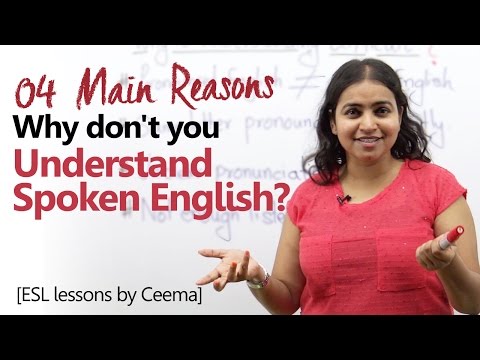
Why don't you understand Spoken English? Learn English the right way - Speak English Fluently
0
Kuao Tom posted on 2017/03/24Struggling to understand spoken English? This video dives into why that happens and gives you practical tips to improve your listening skills, focusing on connected speech and silent letters. You'll learn how to practice daily with just 15 minutes to boost your fluency!
Learn this video on the APP!
The VoiceTube App has more in-depth practice for videos!