
ability
US /əˈbɪlɪti/
UK /ə'bɪlətɪ/
- Noun (Countable/Uncountable)
- The power, resources or skill to do something
- A particular skill or talent.
A2TOEICMoreacquire
US /əˈkwaɪr/
UK /ə'kwaɪə(r)/
- Transitive Verb
- To get or earn something by thinking or working
- To develop or learn a skill, habit, or quality.
A2TOEICMoreamplify
US /ˈæmpləˌfaɪ/
UK /'æmplɪfaɪ/
- Transitive Verb
- To increase the effect of something
- To add more details to a story or something said
B2Morearound the world
US /əˈraʊnd ði wɜrld/
UK /əˈraund ðə wɜː(r)ld/
- Phrase
- In or to many countries.
- In various places throughout the world.
A2Morebacteria
US /bækˈtɪriə/
UK /bæk'tɪərɪə/
- Noun (plural)
- The very small creatures that can cause disease
B2Morebacterium
US /bækˈtɪriəm/
UK /bæk'tɪərɪəm/
- Countable Noun
- The very small creatures that can cause disease
B2Morebreak in
US /brek ɪn/
UK /breik in/
- Phrasal Verb
- To wear new (shoes, etc.) to make them comfortable
- To interrupt someone's conversation, task
- Verb (Transitive/Intransitive)
- To interrupt a conversation or activity.
- To wear something new until it becomes comfortable.
A1Morechromosome
US /ˈkroʊməsoʊm/
UK /ˈkrəʊməsəʊm/
- Noun
- Cell structures that carry the genetic material
C2Morecircular
US /ˈsɜ:rkjələ(r)/
UK /ˈsɜ:kjələ(r)/
- Adjective
- Shaped like a circle or part of a circle
- Noun
- Paper with news, ads, etc. sent round to people
B2Morecleavage
US /ˈklivɪdʒ/
UK /ˈkli:vɪdʒ/
- Noun
- The narrow space between a woman's breasts, that is seen when she wears a piece of clothing that does not cover the top of them
B2Moreclose by
US /kloz baɪ/
UK /kləuz bai/
- Adverb
- Near in distance; nearby.
- Phrase
- In a position or location that is near.
A2Morecome up with
US /kʌm ʌp wɪð/
UK /kʌm ʌp wið/
- Phrasal Verb
- To think of an idea or solution; produce
A1Morecomponent
US /kəmˈponənt/
UK /kəmˈpəʊnənt/
- Noun (Countable/Uncountable)
- One of the parts that something is made up of
- A constituent part; ingredient.
- Adjective
- Being a part of something
A2Morecut out
US /kʌt aʊt/
UK /kʌt aut/
- Phrasal Verb
- To leave out of something, e.g. a social event
- To cut something from, e.g. a picture from a book
- Verb (Transitive/Intransitive)
- To stop doing or using something.
- To be naturally suited or fitted for something.
A1Moredatum
US /ˈdetəm, ˈdætəm, ˈdɑtəm/
UK /ˈdeɪtəm/
- Noun
- Item of factual information
B1Moredirect
US /dɪˈrɛkt, daɪ-/
UK /də'rekt/
- Transitive Verb
- To tell someone in a very clear way to do something
- To show the way by conducting or leading
- Adverb
- Coming straight from something
A2TOEICMoredisease
US /dɪˈziz/
UK /dɪˈzi:z/
- Noun (Countable/Uncountable)
- Illness that affects a person, animal, or plant
- A disorder of structure or function in a plant, especially one caused by a pathogen.
- Transitive Verb
- To affect with disease; to corrupt or sicken.
A2TOEICMoreengineering
US /ˌendʒɪˈnɪrɪŋ/
UK /ˌendʒɪˈnɪərɪŋ/
- Uncountable Noun
- The practical application of science to industry
B1Moreenzyme
US /ˈɛnzaɪm/
UK /ˈenzaɪm/
- Noun
- A protein made by cells
B2TOEICMoreexperiment
US /ɪkˈspɛrəmənt/
UK /ɪk'sperɪmənt/
- Noun (Countable/Uncountable)
- Test performed to assess new ideas or theories
- A course of action tentatively adopted without being sure of the eventual outcome.
- Verb (Transitive/Intransitive)
- To create and perform tests to research something
- To try something new that you haven't tried before
A2TOEICMoreexplosion
US /ɪkˈsploʒən/
UK /ɪkˈspləʊʒn/
- Noun (Countable/Uncountable)
- Loud and sudden expression of emotion
- Sudden increase of something
B1Morefight off
US /faɪt ɔf/
UK /fait ɔf/
- Phrasal Verb
- To defend a position, often violently
- To resist or struggle to get rid of an illness or negative feeling.
A1Morefigure out
US /ˈfɪɡjɚ aʊt/
UK /ˈfiɡə aut/
- Phrasal Verb
- To understand the behavior of someone
- To think through logically to find a solution
- Verb (Transitive/Intransitive)
- To understand or find an answer to something.
- To find a solution to a problem or understand something.
A1Morefor example
US
UK
- Phrase
- As an illustration or instance.
function
US /ˈfʌŋkʃən/
UK /'fʌŋkʃn/
- Noun
- Social event, or party such as a wedding
- Mathematical operation used in calculations
- Intransitive Verb
- To serve a certain purpose or role
- To be operating, working or achieving its purpose
A2TOEICMoregenetic
US /dʒəˈnɛtɪk/
UK /dʒəˈnetɪk/
- Adjective
- Of, relating to, or controlled by genes
- Relating to genes or heredity.
B1Moregenetic information
US /dʒəˈnɛtɪk ˌɪnfɚˈmeʃən/
UK /dʒiˈnetik ˌɪnfəˈmeiʃən/
- Uncountable Noun
- Hereditary information encoded in the genetic material (DNA or RNA) of an organism.
genome
US /ˈdʒi:noʊm/
UK /ˈdʒi:nəʊm/
- Noun
- Complete set of genetic material in an organism
B2Moregoing on
US /ˈɡoɪŋ ɑn/
UK /ˈgəʊɪŋ ɔn/
- Phrasal Verb
- To continue doing something
- To happen (usually negative)
A1Morehypothesis
US /haɪˈpɑθɪsɪs/
UK /haɪˈpɒθəsɪs/
- Noun
- A theory trying to explain something
- A supposition or proposed explanation made on the basis of limited evidence as a starting point for further investigation.
B1Moreimmune
US /ɪˈmjoon/
UK /ɪˈmju:n/
- Adjective
- Having a special protection from, e.g. the law
- Protected against a particular disease or condition because of antibodies or vaccination.
B1Morein fact
US /ɪn fækt/
UK /in fækt/
- Adverb
- Used to emphasize the truth of a statement, especially one that contrasts with or contradicts something else.
- Used to introduce a more detailed or surprising piece of information.
- Phrase
- Used to emphasize the truth of a statement, especially one that is surprising or contrary to what might be expected.
C1Morein red
US /ɪn rɛd/
UK /in red/
- Phrase
- Marked or written using the colour red.
- Adjective
- Operating at a financial loss; in debt.
in the first place
US
UK
- Phrase
- To begin with; as the first point or consideration.
- From the beginning; initially.
A1Morein the future
US /ɪn ði ˈfjutʃɚ/
UK /in ðə ˈfju:tʃə/
- Phrase
- At a later time; in times to come.
A1Moreincubation
US /ˌɪnkjəˈbeʃən, ˌɪŋ-/
UK /ˌɪŋkjuˈbeɪʃn/
- Uncountable Noun
- Development in a particular environment
- Keeping eggs warm until hatched
B2Moreinstead of
US /ɪnˈstɛd ʌv/
UK /inˈsted ɔv/
- Preposition
- When one thing is replaced by another
- Adverb
- As a substitute or alternative.
A1Moreintegrate
US /ˈɪntɪˌɡret/
UK /ˈɪntɪgreɪt/
- Transitive Verb
- To combine together; make into one thing
- To bring (people or groups with particular characteristics or needs) into equal participation in or membership of a social group or institution.
A2Moreinteract with
US /ˌɪntɚˈækt wɪð/
UK /ˌɪntərˈækt wið/
- Phrase
- Verb (Transitive/Intransitive)
- To engage in communication or action involving mutual or reciprocal influence.
- To use a computer interface to achieve a specific goal.
A2Moreinterfere
US /ˌɪntɚˈfɪr/
UK /ˌɪntə'fɪə(r)/
- Intransitive Verb
- To get involved in something not your business
- Transitive Verb
- To prevent a process or activity from continuing or being carried out properly.
B1TOEICMoreinvolve
US /ɪnˈvɑlv/
UK /ɪn'vɒlv/
- Transitive Verb
- To have or be included as a part of something
- To cause (a person or group) to take part in an event or activity.
A2TOEICMoreknow about
US /noʊ əˈbaʊt/
UK /nəʊ əˈbaut/
- Phrasal Verb
- To have information or understanding of a subject or situation.
lab
US /læb/
UK /læb/
- Noun (Countable/Uncountable)
- Short for 'laboratory'
B1Morelaboratory
US /ˈlæbrəˌtɔri, -ˌtori/
UK /lə'bɒrətrɪ/
- Noun (Countable/Uncountable)
- A place to do scientific experiments
- A place where tests are done for medical diagnosis.
B1Morelead to
US /lid tu/
UK /li:d tu:/
- Phrasal Verb
- To result in some action
- Verb (Transitive/Intransitive)
- To have something as a consequence or result.
A1Morelook at
US /lʊk æt/
UK /luk æt/
- Phrasal Verb
- To use your eyes to focus on something
- To focus your eyes on something carefully
A1Moremolecular
US /məˈlɛkjəlɚ/
UK /mə'lekjələ(r)/
- Adjective
- About or caused by molecules
B2Moremolecule
US /ˈmɑlɪˌkjul/
UK /ˈmɒlɪkju:l/
- Noun
- Two or more atoms chemically combined
B2Moremultiple
US /ˈmʌltəpəl/
UK /ˈmʌltɪpl/
- Adjective
- Having or involving more than one of something
- Having or involving several parts, elements, or members.
- Countable Noun
- Number produced by multiplying a smaller number
- A number of identical circuit elements connected in parallel or series.
B1Moremutation
US /mjuˈteʃən/
UK /mju:'teɪʃn/
- Noun
- Change that changes genetic structure
B2Morenext to
US /nɛkst tu/
UK /nekst tu:/
- Preposition
- Being located along side another
- In comparison with
- Adverb
- Almost; nearly
A1Morenifty
US /ˈnɪfti/
UK /'nɪftɪ/
- Adjective
- Very good or useful; clever; effective
C1Moreof course
US /ʌv kɔː(r)s/
UK /ɔv kɔː(r)s/
- Adverb
- Sure ; Certainly
- Phrase
- For sure; certainly
A2Moreof interest
US /əv ˈɪntrɪst/
UK /əv ˈɪntrəst/
- other
- Relevant or important to someone or something.
B2Moreon the horizon
US
UK
- Idiom
- About to happen; approaching.
A1Moreorganism
US /ˈɔrɡəˌnɪzəm/
UK /'ɔ:ɡənɪzəm/
- Noun
- Living thing, often one that is small
- System with many parts that function as a whole
B2Moreout of date
US /aʊt ʌv det/
UK /aut ɔv deit/
- Adjective
- Expired; too old to be used
- Not fashionable; old fashioned
C2Moreprogrammable
US /ˈproʊɡræməbl/
UK /ˈprəʊgræməbl/
- Adjective
- Able to be written in computer code
B1Moreprotein
US /ˈprəʊˌtiːn/
UK /ˈprəʊti:n/
- Noun (Countable/Uncountable)
- Group of molecules made from amino acids
B1Morereaction
US /riˈækʃən/
UK /rɪ'ækʃn/
- Noun
- Bodily response to a drug or something eaten
- Feeling or action in response to something
A2Morerecognition
US /ˌrɛkəɡˈnɪʃən/
UK /ˌrekəgˈnɪʃn/
- Uncountable Noun
- Accepting that something is true or that it exists
- Considering something as important or special
B1TOEICMorerecognize
US /ˈrek.əɡ.naɪz/
UK /ˈrek.əɡ.naɪz/
- Transitive Verb
- To accept the truth or reality of something
- To consider something as important or special
A2TOEICMorerely
US /rɪˈlaɪ/
UK /rɪ'laɪ/
- Intransitive Verb
- Depend on with full trust or confidence
- To trust or have confidence in someone.
B2TOEICMorerely on
US /rɪˈlaɪ ɑn/
UK /riˈlai ɔn/
- Phrasal Verb
- To depend on someone or something
A2Morerequire
US /rɪˈkwaɪr/
UK /rɪ'kwaɪə(r)/
- Transitive Verb
- To demand that someone does something
- To need to do something, to make it necessary
A2TOEICMoreresearch
US /rɪˈsɚtʃ, ˈriˌsɚtʃ/
UK /rɪ'sɜ:tʃ/
- Verb (Transitive/Intransitive)
- To study in order to discover new ideas and facts
- To study the market relating to marketing products and services.
- Noun (Countable/Uncountable)
- Study done to discover new ideas and facts
- A particular area or topic of study.
A2TOEICMoresequence
US /ˈsikwəns, -ˌkwɛns/
UK /'si:kwəns/
- Noun
- Part of a movie showing one part of the story
- A particular order in which related events, movements, or things follow each other.
- Transitive Verb
- To arrange things in an order they should happen
A2TOEICMorestrand
US /strænd/
UK /strænd/
- Countable Noun
- Long part of a rope, someone's hair, etc.
- Transitive Verb
- To cause to be stuck or trapped somewhere
B2Morestructure
US /ˈstrʌk.tʃɚ/
UK /ˈstrʌk.tʃə/
- Noun (Countable/Uncountable)
- The way in which the parts of a system or object are arranged or organized, or a system arranged in this way
- A building or other man-made object.
- Transitive Verb
- To plan, organize, or arrange the parts of something
A2TOEICMoretogether with
US /təˈɡɛðɚ wɪð/
UK /təˈɡeðə wið/
- Preposition
- In addition to; along with.
- Including; as well as.
A1Moreturn into
US /tɚn ˈɪntu/
UK /tə:n ˈɪntuː/
- Phrasal Verb
- To change to become something else
- To change your direction to go into a place
A1Moreused to
US /juzd tu/
UK /ˈju:st tə/
- Adjective
- Did regularly before, but don't do now
- Auxiliary Verb
- Have done before, but do not do now
A1Moreviral
US /ˈvaɪrəl/
UK /ˈvaɪrəl/
- Adjective
- Of or caused by a virus
- Becoming very popular by circulating quickly from person to person, especially through the Internet.
B2Morevirus
US /ˈvaɪrəs/
UK /'vaɪrəs/
- Noun
- File secretly put on computers to cause harm
- Living organism that causes disease or sickness
B1Morework on
US /wɚk ɑn/
UK /wə:k ɔn/
- Phrasal Verb
- To devote effort to improve or develop something
- To try to persuade or influence someone.
A1More
Vocabulary
- together with: In addition to; along with.
- in red: Marked or written using the colour red.
- around the world: In or to many countries.
- going on: To continue doing something
- of course: Sure ; Certainly
- fight off: To defend a position, often violently
- in fact: Used to emphasize the truth of a statement, especially one that contrasts with or contradicts something else.
- come up with: To think of an idea or solution; produce
- figure out: To understand the behavior of someone
- used to: Did regularly before, but don't do now
- next to: Being located along side another
- interact with
- break in: To wear new (shoes, etc.) to make them comfortable
- lead to: To result in some action
- genetic information: Hereditary information encoded in the genetic material (DNA or RNA) of an organism.
- for example: As an illustration or instance.
- in the first place: To begin with; as the first point or consideration.
- rely on: To depend on someone or something
- instead of: When one thing is replaced by another
- look at: To use your eyes to focus on something
- know about: To have information or understanding of a subject or situation.
- cut out: To leave out of something, e.g. a social event
- out of date: Expired; too old to be used
- work on: To devote effort to improve or develop something
- turn into: To change to become something else
- close by: Near in distance; nearby.
- of interest: Relevant or important to someone or something.
- on the horizon: About to happen; approaching.
- in the future: At a later time; in times to come.
- recognize: To accept the truth or reality of something
- figure: To appear in a game, play or event
- immune: Having a special protection from, e.g. the law
- multiple: Having or involving more than one of something
- acquire: To get or earn something by thinking or working
- structure: The way in which the parts of a system or object are arranged or organized, or a system arranged in this way
- experiment: Test performed to assess new ideas or theories
- integrate: To combine together; make into one thing
- disease: Illness that affects a person, animal, or plant
- molecule: Two or more atoms chemically combined
- protein: Group of molecules made from amino acids
- interfere: To get involved in something not your business
- ability: The power, resources or skill to do something
- bacteria: The very small creatures that can cause disease
- viral: Of or caused by a virus
- field: Area of study, such as physics or biology
- component: One of the parts that something is made up of
- hypothesis: A theory trying to explain something
- function: Social event, or party such as a wedding
- mutation: Change that changes genetic structure
- sequence: Part of a movie showing one part of the story
- research: To study in order to discover new ideas and facts
- involve: To have or be included as a part of something
- require: To demand that someone does something
- direct: To tell someone in a very clear way to do something
- reaction: Bodily response to a drug or something eaten
- introduce: To open an essay to set the scene
- genetic: Of, relating to, or controlled by genes
- break: To create a new record e.g. running the 100m dash
- project: To predict what will happen in the future
- recognition: Accepting that something is true or that it exists
- organism: Living thing, often one that is small
- enzyme: A protein made by cells
- rely: Depend on with full trust or confidence
- single: One run in cricket or a hit baseball
- notice: To become aware by sight, touch, or hearing
- system: Set of organized, planned ideas that work together
- program: To make someone act or think in a certain way
- amplify: To increase the effect of something
- basic: At the most important or easiest (beginner) level
- virus: File secretly put on computers to cause harm
- information: Collection of facts and details about something
- simple: Not hard to understand or do; not complex
- bacterium: The very small creatures that can cause disease
- explosion: Loud and sudden expression of emotion
- laboratory: A place to do scientific experiments
- know: To be familiar with a person or place, thing
- strand: Long part of a rope, someone's hair, etc.
- interesting: Taking your attention; making you want to know
- nifty: Very good or useful; clever; effective
- cleavage: The narrow space between a woman's breasts, that is seen when she wears a piece of clothing that does not cover the top of them
- side: To decide to agree with one point, not the other
- chromosome: Cell structures that carry the genetic material
- genome: Complete set of genetic material in an organism
- lab: Short for 'laboratory'
- molecular: About or caused by molecules
- circular: Shaped like a circle or part of a circle
- incubation: Development in a particular environment
- engineering: The practical application of science to industry
- datum: Item of factual information
- programmable: Able to be written in computer code
Get the full experience in the app
Learn anywhere with detailed sentence and usage analysis
01:03
She took a brave step forward, leaving behind her comfort zone to chase her dreams.
Vocabulary
- brave
adj. Having courage
- comfort zone
phr. A familiar situation where one feels safe
Explanation
a brave step is a noun phrase, where brave is an adjective modifying the noun step, meaning "a courageous step".
forward is an adverb modifying step, meaning "ahead".
The whole phrase serves as the object, answering the "what" of took (verb) — she took a brave step forward.
Get the full experience in the app
Look up words anytime with pronunciation, part of speech, and usage
brave
US/brev/
UK/breɪv/
adj.Brave
v.t.To bravely face
A2 Elementary
Get the full experience in the app
Practice speaking anytime and get instant pronunciation feedback
Try this speaking exercise.
Try practicing with this sentence.
80
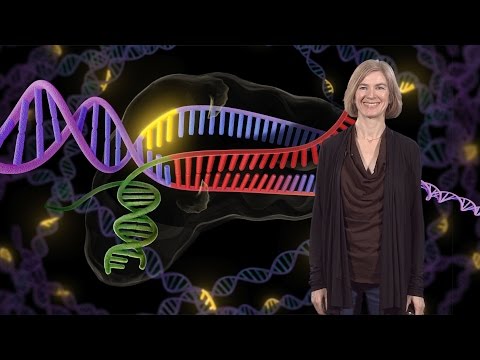
Jennifer Doudna (UC Berkeley / HHMI): Genome Engineering with CRISPR-Cas9
0
小吳 posted on 2017/03/20Ever wondered how scientists can edit DNA? This fascinating talk by Nobel laureate Jennifer Doudna dives deep into the revolutionary CRISPR-Cas9 technology, explaining its genome engineering power and incredible biotech applications. You'll pick up advanced vocabulary and complex sentence structures used in cutting-edge science!
Learn this video on the APP!
The VoiceTube App has more in-depth practice for videos!