
average
US /ˈævərɪdʒ, ˈævrɪdʒ/
UK /'ævərɪdʒ/
- Noun (Countable/Uncountable)
- Total of numbers divided by the number of items
- Transitive Verb
- To add numbers then divide by the number of items
A2TOEICMorebrand
US /brænd/
UK /brænd/
- Noun
- A mark burned on an animal to show who owns it
- Product made or designed by a named company
- Transitive Verb
- To burn a mark on an animal to show who owns it
- To describe someone as a liar, coward, etc.
A2TOEICMorecareer
US /kəˈrɪr/
UK /kə'rɪə(r)/
- Noun (Countable/Uncountable)
- Particular occupation in professional life
- The course of a person's life, especially in a particular pursuit or profession.
- Verb (Transitive/Intransitive)
- To move forward very fast and without control
- To advance or make progress rapidly
A2Morechronic
US /ˈkrɑnɪk/
UK /'krɒnɪk/
- Adjective
- Always or often doing something, e.g. lying
- (Of disease) over a long time; serious
B1Moreconcussion
US /kənˈkʌʃən/
UK /kənˈkʌʃn/
- Noun
- Injury to the brain caused by a blow
C2Morecoordination
US /koʊˌɔ:rdɪˈneɪʃn/
UK /kəʊˌɔ:dɪˈneɪʃn/
- Uncountable Noun
- When parts of your body work well together
- Planning to meet a shared goal
B1Moredepression
US /dɪˈprɛʃən/
UK /dɪ'preʃn/
- Noun (Countable/Uncountable)
- Medical condition of a lack of vitality
- Period of unemployment and low economic activity
B2Morediabetes
US /ˌdaɪəˈbitɪs, -tiz/
UK /ˌdaɪəˈbi:ti:z/
- Noun (Countable/Uncountable)
- Illness where there is too much sugar in the blood
- A form of diabetes, usually diagnosed in children and young adults, in which the body does not produce insulin.
B2Moredisease
US /dɪˈziz/
UK /dɪˈzi:z/
- Noun (Countable/Uncountable)
- Illness that affects a person, animal, or plant
- A disorder of structure or function in a plant, especially one caused by a pathogen.
- Transitive Verb
- To affect with disease; to corrupt or sicken.
A2TOEICMoredue to
US /du tu/
UK /dju: tu:/
- Preposition
- Because of; owing to
- Adjective
- Attributable to; caused by.
A1Moreevident
US /ˈɛvɪdənt/
UK /ˈevɪdənt/
- Adjective
- Clearly the case; plain; apparent
B1TOEICMorefracture
US /ˈfræktʃɚ/
UK /'fræktʃə(r)/
- Noun (Countable/Uncountable)
- Break in a bone, usually small
- A break down in a relationship
- Verb (Transitive/Intransitive)
- To break something hard, usually a bone
- To cause a break down in a relationship
B2Moregrab
US /ɡræb/
UK /ɡræb/
- Transitive Verb
- To take and hold something quickly
A2Moregreasy
US /ˈɡrisi, -zi/
UK /ˈgri:si/
- Adjective
- Containing an unusual amount of grease or oil
B2Morehike
US /haɪk/
UK /haɪk/
- Noun
- Large and unexpected increase in price, level etc.
- A long walk in mountains, etc. for exercise
- Intransitive Verb
- To make a large and unexpected increase in a price
- To take a long walk in mountains etc. for exercise
B1Moreissue
US /ˈɪʃu/
UK /'ɪʃu:/
- Transitive Verb
- To make something available to be used or sold
- To deliver a statement, etc. in an official manner
- Noun (Countable/Uncountable)
- Important topic discussed, debated or argued over
- Single edition of a magazine
A2TOEICMorelifestyle
US /ˈlaɪfˌstaɪl/
UK /ˈlaɪfstaɪl/
- Noun
- The type of life that you have; the way you live
B1TOEICMorelocation
US /loʊˈkeɪʃn/
UK /ləʊˈkeɪʃn/
- Noun (Countable/Uncountable)
- Particular position or area of place, event, etc.
- A place away from a studio where film or television shots are made.
B1TOEICMorelook at
US /lʊk æt/
UK /luk æt/
- Phrasal Verb
- To use your eyes to focus on something
- To focus your eyes on something carefully
A1Moremass
US /mæs/
UK /mæs/
- Noun (Countable/Uncountable)
- Religious ceremony in some Christian churches
- Large amount or number of something
- Transitive Verb
- To gather people or things into a large group
B1Moremental
US /ˈmɛntl/
UK /ˈmentl/
- Adjective
- Concerning the mind
A2TOEICMoremetabolic
US /ˌmetə'bɒlɪk/
UK /ˌmetə'bɒlɪk/
- Adjective
- Concerning the body's metabolism
- Relating to the rate at which metabolism occurs.
B2Moreobesity
US /oˈbisɪti/
UK /əʊ'bi:sətɪ/
- Uncountable Noun
- State of being so fat it can harm your health
- The state of being far too heavy; corpulence.
B2Moreoccur
US /əˈkɚ/
UK /əˈkɜ:(r)/
- Intransitive Verb
- To come to pass or to happen
- To be found to exist; to be present.
A2TOEICMoreorganic
US /ɔrˈɡænɪk/
UK /ɔ:ˈgænɪk/
- Adjective
- Developing naturally and without a set structure
- Concerning food made with few or no chemicals
B1Morephysical
US /ˈfɪzɪkəl/
UK /ˈfɪzɪkl/
- Countable Noun
- Health check at the doctors' or hospital
- Adjective
- Concerning the body of a person
- Concerning things that can be seen or touched
A2Morepotentially
US /pəˈtɛnʃəlɪ/
UK /pə'tenʃəlɪ/
- Adverb
- That could happen or become reality
B1Morepressure
US /ˈprɛʃɚ/
UK /'preʃə(r)/
- Noun (Countable/Uncountable)
- Anxiety caused by difficult problems
- Force, weight when pressing against a thing
- Transitive Verb
- To apply force to something
- To persuade or force someone to do something
A2TOEICMoreprevent
US /prɪˈvɛnt/
UK /prɪ'vent/
- Transitive Verb
- To stop something from happening or existing
A2TOEICMoreprone
US /proʊn/
UK /prəʊn/
- Adjective
- Lying flat with your head facing the ground
- Likely to have, do or be (usually something bad)
B2TOEICMoreroot for
US /rut fɔr/
UK /ru:t fɔ:/
- Phrasal Verb
- To support a sports team
A2Morerough
US /rʌf/
UK /rʌf/
- Adjective
- Causing or involving violence, force, and harm
- (Of situations) tough; difficult to get through
- Adverb
- In a manner that is difficult, or violent
A2Moreskull
US /skʌl/
UK /skʌl/
- Noun
- Structure of bones forming the face and head
B2Moreslim
US /slɪm/
UK /slɪm/
- Adjective
- Being thin in an appealing way
- Being narrow in width
- Intransitive Verb
- To eat less in order to become thinner
B1Moreslim down
US
UK
- Phrasal Verb
- To become thinner, usually by dieting or exercising.
- Verb (Transitive/Intransitive)
- To reduce the size or scope of something.
A1Morespan
US /spæn/
UK /spæn/
- Noun (Countable/Uncountable)
- Distance between two supports of a bridge
- Period of time that something continues for
- Verb (Transitive/Intransitive)
- To go across a certain distance between things
- To cover or extend over a time period
B1TOEICMorespot
US /spɑt/
UK /spɒt/
- Noun
- A certain place or area
- A difficult time; awkward situation
- Transitive Verb
- To see someone or something by chance
A2TOEICMoresuffer
US / ˈsʌfɚ/
UK /'sʌfə(r)/
- Verb (Transitive/Intransitive)
- To experience pain, illness, or injury
- To allow or permit something, especially something unpleasant.
A2Moresuffer from
US /ˈsʌfɚ frʌm/
UK /ˈsʌfə frɔm/
- Intransitive Verb
- To experience pain or distress; to be badly affected by.
A1Moresupportive
US /səˈpɔ:rtɪv/
UK /səˈpɔ:tɪv/
- Adjective
- Providing help and support to someone or something
B1TOEICMoresyndrome
US /ˈsɪnˌdrom/
UK /'sɪndrəʊm/
- Noun
- A group of signs and symptoms of a disease
B1Moretalking about
US
UK
- Phrasal Verb
- To discuss a particular topic.
- To be constantly mentioning or bringing up a subject.
A1Moretend
US /tɛnd/
UK /tend/
- Intransitive Verb
- To move or act in a certain manner
- Transitive Verb
- To take care of
A2Moretraumatic
US /traʊˈmætɪk/
UK /trɔ:ˈmætɪk/
- Adjective
- Causing upsetting emotional effects over time
- Causing an injury
B2Moreupper
US /ˈʌpɚ/
UK /ˈʌpə(r)/
- Noun (Countable/Uncountable)
- Drug that improves mood or increases energy
- Something happy or encouraging
- Adjective
- Located above others of the same kind
- Being the northern part of a region
B1Moreupper body
US
UK
- Noun
- The part of the body above the waist, including the chest, back, shoulders, and arms.
A1Moreused to
US /juzd tu/
UK /ˈju:st tə/
- Adjective
- Did regularly before, but don't do now
- Auxiliary Verb
- Have done before, but do not do now
A1Morewarrior
US /ˈwɔriɚ,ˈwɑr-/
UK /'wɒrɪə(r)/
- Countable Noun
- Courageous or skilled fighter in a battle or war
B1More
Vocabulary
- talking about: To discuss a particular topic.
- look at: To use your eyes to focus on something
- upper body: The part of the body above the waist, including the chest, back, shoulders, and arms.
- due to: Because of; owing to
- suffer from: To experience pain or distress; to be badly affected by.
- used to: Did regularly before, but don't do now
- slim down: To become thinner, usually by dieting or exercising.
- root for: To support a sports team
- chronic: Always or often doing something, e.g. lying
- mental: Concerning the mind
- depression: Medical condition of a lack of vitality
- grab: To take and hold something quickly
- average: Total of numbers divided by the number of items
- obesity: State of being so fat it can harm your health
- physical: Health check at the doctors' or hospital
- diabetes: Illness where there is too much sugar in the blood
- tend: To move or act in a certain manner
- common: Area in a city or town that is open to everyone
- potentially: That could happen or become reality
- disease: Illness that affects a person, animal, or plant
- career: Particular occupation in professional life
- spot: A certain place or area
- force: Group of persons trained for military action; army
- develop: To explain something in steps and in detail
- issue: To make something available to be used or sold
- brand: A mark burned on an animal to show who owns it
- traumatic: Causing upsetting emotional effects over time
- increase: To make or become larger in size or amount
- prone: Lying flat with your head facing the ground
- pressure: Anxiety caused by difficult problems
- field: Area of study, such as physics or biology
- wonder: Surprise caused by experiencing something amazing
- brain: To strike someone forcefully on the head
- prevent: To stop something from happening or existing
- suffer: To experience pain, illness, or injury
- mean: Average of a set of numbers
- syndrome: A group of signs and symptoms of a disease
- occur: To come to pass or to happen
- rough: Causing or involving violence, force, and harm
- risk: To do something potentially dangerous or foolish
- compare: To consider how similar and different things are
- metabolic: Concerning the body's metabolism
- due: When something is required or expected
- mass: Religious ceremony in some Christian churches
- span: Distance between two supports of a bridge
- record: Highest or most extreme level achieved
- skull: Structure of bones forming the face and head
- organic: Developing naturally and without a set structure
- greasy: Containing an unusual amount of grease or oil
- noggin: A human head
- concussion: Injury to the brain caused by a blow
- head: To hit a ball with your head in a game
- wear: To have clothes, glasses, shoes etc. on your body
- fracture: Break in a bone, usually small
- coordination: When parts of your body work well together
- warrior: Courageous or skilled fighter in a battle or war
- supportive: Providing help and support to someone or something
- slim: Being thin in an appealing way
- evident: Clearly the case; plain; apparent
- location: Particular position or area of place, event, etc.
- upper: Drug that improves mood or increases energy
- hike: Large and unexpected increase in price, level etc.
- lifestyle: The type of life that you have; the way you live
Get the full experience in the app
Learn anywhere with detailed sentence and usage analysis
01:03
She took a brave step forward, leaving behind her comfort zone to chase her dreams.
Vocabulary
- brave
adj. Having courage
- comfort zone
phr. A familiar situation where one feels safe
Explanation
a brave step is a noun phrase, where brave is an adjective modifying the noun step, meaning "a courageous step".
forward is an adverb modifying step, meaning "ahead".
The whole phrase serves as the object, answering the "what" of took (verb) — she took a brave step forward.
Get the full experience in the app
Look up words anytime with pronunciation, part of speech, and usage
brave
US/brev/
UK/breɪv/
adj.Brave
v.t.To bravely face
A2 Elementary
Get the full experience in the app
Practice speaking anytime and get instant pronunciation feedback
Try this speaking exercise.
Try practicing with this sentence.
80
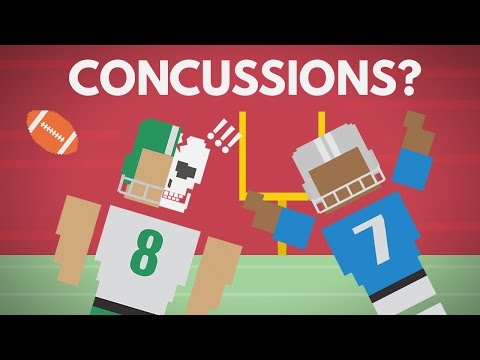
The Life-Threatening Effects Of Football On The Body
0
洪胤祐 posted on 2017/02/23Ever wondered about the real toll American football takes on the body? This video dives deep into the serious health effects, from concussions to metabolic syndrome, and you'll pick up some advanced vocabulary along the way! It's a fascinating look at sports injuries and the science behind them.
Learn this video on the APP!
The VoiceTube App has more in-depth practice for videos!