
accuse
US /əˈkjuz/
UK /ə'kju:z/
- Transitive Verb
- To claim that someone has done something wrong
A2Moreadmit
US /ædˈmɪt/
UK /əd'mɪt/
- Transitive Verb
- To acknowledge that something is true or right
- To allow someone to enter
A2TOEICMoreagenda
US /əˈdʒɛndə/
UK /ə'dʒendə/
- Noun (Countable/Uncountable)
- Plan or policy to achieve your goal or intentions
- Outcome you want to happen but do not reveal
B1TOEICMoreanticipate
US /ænˈtɪsəˌpet/
UK /æn'tɪsɪpeɪt/
- Transitive Verb
- To expect or look ahead to something positively
- To be aware of something that might happen
B1TOEICMoreapprove
US /əˈpruv/
UK /əˈpru:v/
- Transitive Verb
- To formally accept something or grant permission
- To have a positive opinion of someone or something
A2TOEICMoreas one
US
UK
- Adverb
- Acting or moving together at the same time.
- In complete agreement or unity.
- Phrase
- With a single voice or opinion; unanimously.
- In perfect harmony or unison.
A1Moreassure
US /əˈʃʊr/
UK /əˈʃʊə(r)/
- Transitive Verb
- To confirm; state with certainty something is so
- To make sure that something happens
A2TOEICMoreback out
US /bæk aʊt/
UK /bæk aut/
- Phrasal Verb
- To say you will now not do something you promised
A1Moreban
US /bæn/
UK /bæn/
- Transitive Verb
- To make something illegal or not allowed
- To prohibit someone from participating in a particular online community or game.
- Noun (Countable/Uncountable)
- Official action preventing something happening
- A prohibition from participating in a particular online community or game.
B1Morebear
US /bɛr/
UK /bɛː/
- Transitive Verb
- To accept (responsibilities or duties)
- To give birth to a child; to produce fruit
- Countable Noun
- Large brown animal with fur that lives in forests
- Someone who expects stock market to fall
A2Morebrutally
US /ˈbrutl:ɪ/
UK /'bru:təlɪ/
- Adverb
- In a very violent or mean way
B1Morechaos
US /ˈkeˌɑs/
UK /'keɪɒs/
- Noun (plural)
- State of utter confusion or disorder
- Uncountable Noun
- Complete disorder and confusion.
- Behavior so unpredictable as to appear random, owing to great sensitivity to small changes in conditions.
B1Morecheck out
US /tʃɛk aʊt/
UK /tʃek aut/
- Phrase
- Phrasal Verb
- To find out information about something
- To take books out of a library
A1Morecommunist
US /ˈkɑmjənɪst/
UK /ˈkɒmjənɪst/
- Adjective
- Believer in communism
- Noun
- A person who supports or believes in communism.
B1Moreconstitution
US /ˌkɑnstɪˈtuʃən, -ˈtju-/
UK /ˌkɔnstiˈtju:ʃən/
- Noun (Countable/Uncountable)
- Statement of fundamental principles of a country
- Condition of your health
B1Morecrack down
US /kræk daʊn/
UK /kræk daun/
- Phrasal Verb
- To act forcefully in order to reduce crime, etc.
B1Morecrush
US /krʌʃ/
UK /krʌʃ/
- Noun
- Strong attraction to someone
- Transitive Verb
- To break something into small pieces by pressing
- To defeat someone or something (in a game)
B1TOEICMoredemocracy
US /dɪˈmɑkrəsi/
UK /dɪ'mɒkrəsɪ/
- Noun (Countable/Uncountable)
- System of government in which everyone is equal
- Principles of social equality and respect for the individual within a society.
B1Moredemocratic
US /ˌdɛməˈkrætɪk/
UK /ˌdeməˈkrætɪk/
- Adjective
- (Of government) giving the people power, a vote
- Based on the principle that all members have equal rights.
B2Moredetain
US /dɪˈten/
UK /dɪ'teɪn/
- Transitive Verb
- To keep someone somewhere, e.g. in jail
B2Moredetention
US /dɪˈtɛnʃən/
UK /dɪ'tenʃn/
- Uncountable Noun
- Act of keeping someone in jail or similar
B2Moredirect
US /dɪˈrɛkt, daɪ-/
UK /də'rekt/
- Transitive Verb
- To tell someone in a very clear way to do something
- To show the way by conducting or leading
- Adverb
- Coming straight from something
A2TOEICMoredisconnect
US /ˌdɪskəˈnɛkt/
UK /ˌdɪskəˈnekt/
- Transitive Verb
- To separate something from something else
- Noun
- State of being separated from something else
B2Moreestate
US /ɪˈstet/
UK /ɪˈsteɪt/
- Noun (Countable/Uncountable)
- A large piece of land, usually with a large house
- Group of houses all built at the same time
A2TOEICMoreexperiment
US /ɪkˈspɛrəmənt/
UK /ɪk'sperɪmənt/
- Noun (Countable/Uncountable)
- Test performed to assess new ideas or theories
- A course of action tentatively adopted without being sure of the eventual outcome.
- Verb (Transitive/Intransitive)
- To create and perform tests to research something
- To try something new that you haven't tried before
A2TOEICMorefaction
US /ˈfækʃən/
UK /ˈfækʃn/
- Countable Noun
- Group within a larger group, with a different aim
B2TOEICMorefantasy
US /ˈfæntəsi, -zi/
UK /'fæntəsɪ/
- Noun (Countable/Uncountable)
- Something imagined and very different from reality
- Work of literature set in an unreal world
B1Morefishy
US /ˈfɪʃi/
UK /ˈfɪʃi/
- Adjective
- Strange; suspicious; probably untrue
B2Morefor some reason
US /fɔr sʌm ˈrizən/
UK /fɔ: sʌm ˈri:zən/
- Phrase
- For a reason that is not known or not easily explained.
A1Moreforeign
US /ˈfɔ:rən/
UK /ˈfɒrən/
- Adjective
- Being of a different place or country
- Strange; different from ones found at home
A2TOEICMoregive up
US /ɡɪv ʌp/
UK /ɡiv ʌp/
- Phrasal Verb
- To lose hope or admit defeat
- To decide to not start to try solving a problem
A1Moregoing on
US /ˈɡoɪŋ ɑn/
UK /ˈgəʊɪŋ ɔn/
- Phrasal Verb
- To continue doing something
- To happen (usually negative)
A1Moreharmony
US /ˈhɑrməni/
UK /'hɑ:mənɪ/
- Noun (Countable/Uncountable)
- Pleasing, attractive combination of parts, things
- When musical notes sound pleasing together
B1TOEICMorehave to
US /hæv tu/
UK /ˈhæv tə/
- Auxiliary Verb
- Must do
A1Morein fact
US /ɪn fækt/
UK /in fækt/
- Adverb
- Used to emphasize the truth of a statement, especially one that contrasts with or contradicts something else.
- Used to introduce a more detailed or surprising piece of information.
- Phrase
- Used to emphasize the truth of a statement, especially one that is surprising or contrary to what might be expected.
C1Morein power
US /ɪn ˈpaʊɚ/
UK /in ˈpauə/
- Adjective
- Having control of a country or organization.
- Phrase
- During a period of holding authority or control.
B1Morein prison
US /ɪn ˈprɪzən/
UK /in ˈprizən/
- Phrase
- Confined in a prison; incarcerated.
in some places
US
UK
- Phrase
- In certain locations or areas, but not all.
A1Morein the face of
US //ɪn ðə feɪs ɑv//
UK
- Phrase
- When confronted with something difficult or challenging.
- Despite; in defiance of; when confronted with.
A1Morein the first place
US
UK
- Phrase
- To begin with; as the first point or consideration.
- From the beginning; initially.
A1Morein the world
US /ɪn ði wɜrld/
UK /in ðə wɜː(r)ld/
- Phrase
- Used to emphasize a question expressing surprise, confusion, or disbelief.
- Used to indicate the extent or degree of something, often in a superlative sense.
A1Morein trouble
US /ɪn ˈtrʌbəl/
UK /in ˈtrʌbl/
- Adjective
- Experiencing difficulties, problems, or legal issues.
- other
- In serious trouble or difficulty.
A1Moreinstead of
US /ɪnˈstɛd ʌv/
UK /inˈsted ɔv/
- Preposition
- When one thing is replaced by another
- Adverb
- As a substitute or alternative.
A1Moremediocre
US /ˌmidiˈokɚ/
UK /ˌmi:diˈəʊkə(r)/
- Adjective
- Average; not outstanding; not very good
B2TOEICMoremobilize
US /ˈmobəˌlaɪz/
UK /'məʊbəlaɪz/
- Verb (Transitive/Intransitive)
- To come together for an action or purpose
B2TOEICMoreoddly
US /ˈɑ:dli/
UK /ˈɒdli/
- Adverb
- In an unusual manner
A2Moreon the street
US /ɑn ði strit/
UK /ɔn ðə stri:t/
- Phrase
- Located on or along a public road in a town or city.
- Available or circulating, especially illegally or unofficially.
A1Morepesky
US /ˈpɛski/
UK /ˈpeski/
- Adjective
- Causing irritation or annoyance
C2Morepolitical
US /pəˈlɪtɪkəl/
UK /pəˈlɪtɪkl/
- Adjective
- Being active or interested in government matters
- Diplomatic
A2Moreprotest
US /ˈproʊtɛst/
UK /'prəʊtest/
- Verb (Transitive/Intransitive)
- To argue against something in a forceful way
- To express a strong objection or dislike
- Noun
- Forceful argument against something
- Objection to something
A2Morerefer
US /rɪˈfɚ/
UK /rɪ'fɜ:(r)/
- Verb (Transitive/Intransitive)
- To talk about or write about something
- To give information about something
A2TOEICMorerestore
US /rɪˈstɔr, -ˈstor/
UK /rɪˈstɔ:(r)/
- Transitive Verb
- To return a thing to its original condition
B1Moreriot
US /ˈraɪət/
UK /'raɪət/
- Noun
- Person, thing, or event that is extremely funny
- When there is a lot of something, e.g. color
- Intransitive Verb
- (Of a crowd) to protest and try to take control
B2Morestir
US /stɚ/
UK /stɜ:(r)/
- Transitive Verb
- To arouse (attention or interest)
- To mix e.g. food by making circular movements
- Uncountable Noun
- Attention or interest aroused by an event
B1Morethreaten
US /ˈθrɛtn/
UK /ˈθretn/
- Transitive Verb
- To cause something potential harm, or put at risk
- To say you may harm or hurt someone
A2Moretoad
US /tod/
UK /təʊd/
- Countable Noun
- Small amphibian animal very similar to a frog
- A person you don't like or have respect for
B2Moreultimately
US /ˈʌltəmɪtli/
UK /ˈʌltɪmətli/
- Adverb
- Done or considered as the final and most important
- Fundamentally; at the most basic level.
B1TOEICMoreundermine
US /ˌʌndərˈmaɪn/
UK /ˌʌndəˈmaɪn/
- Transitive Verb
- To weaken or destroy secretly and usually slowly
- To excavate the foundation or supporting material of (a building, cliff, etc.).
B2TOEICMoreunprecedented
US /ʌnˈprɛsɪˌdɛntɪd/
UK /ʌnˈpresɪdentɪd/
- Adjective
- Not having happened before, or to such a degree
B1Moreunrest
US /ʌnˈrɛst, ˈʌnˌrɛst/
UK /ʌn'rest/
- Uncountable Noun
- Disturbance, e.g. of crowd in protest against
B2Morevillage
US /ˈvɪlɪdʒ/
UK /'vɪlɪdʒ/
- Noun
- Small town in the country
- A close-knit community or group of people.
A2More
Vocabulary
- instead of: When one thing is replaced by another
- in some places: In certain locations or areas, but not all.
- in the face of: When confronted with something difficult or challenging.
- back out: To say you will now not do something you promised
- in prison: Confined in a prison; incarcerated.
- for some reason: For a reason that is not known or not easily explained.
- going on: To continue doing something
- crack down: To act forcefully in order to reduce crime, etc.
- as one: Acting or moving together at the same time.
- give up: To lose hope or admit defeat
- in power: Having control of a country or organization.
- in fact: Used to emphasize the truth of a statement, especially one that contrasts with or contradicts something else.
- in trouble: Experiencing difficulties, problems, or legal issues.
- in the first place: To begin with; as the first point or consideration.
- on the street: Located on or along a public road in a town or city.
- check out
- have to: Must do
- in the world: Used to emphasize a question expressing surprise, confusion, or disbelief.
- ultimately: Done or considered as the final and most important
- experiment: Test performed to assess new ideas or theories
- unprecedented: Not having happened before, or to such a degree
- sentence: (Of a judge) to decide the punishment of
- chaos: State of utter confusion or disorder
- crush: Strong attraction to someone
- admit: To acknowledge that something is true or right
- state: Region within a country, with its own government
- political: Being active or interested in government matters
- anticipate: To expect or look ahead to something positively
- democracy: System of government in which everyone is equal
- direct: To tell someone in a very clear way to do something
- refer: To talk about or write about something
- mediocre: Average; not outstanding; not very good
- protest: To argue against something in a forceful way
- stir: To arouse (attention or interest)
- democratic: (Of government) giving the people power, a vote
- reason: To think and make conclusions in a logical manner
- agenda: Plan or policy to achieve your goal or intentions
- harmony: Pleasing, attractive combination of parts, things
- undermine: To weaken or destroy secretly and usually slowly
- communist: Believer in communism
- estate: A large piece of land, usually with a large house
- riot: Person, thing, or event that is extremely funny
- constitution: Statement of fundamental principles of a country
- fantasy: Something imagined and very different from reality
- moment: Very short or brief period of time
- allow: To admit the validity or truth of something
- foreign: Being of a different place or country
- brutally: In a very violent or mean way
- detention: Act of keeping someone in jail or similar
- threaten: To cause something potential harm, or put at risk
- arrest: To attract someone's attention and hold interest
- bear: To accept (responsibilities or duties)
- ban: To make something illegal or not allowed
- accuse: To claim that someone has done something wrong
- restore: To return a thing to its original condition
- control: A device designed to operate a machine
- assure: To confirm; state with certainty something is so
- promise: To say you will certainly do something
- unrest: Disturbance, e.g. of crowd in protest against
- guy: Man; boy; any person
- approve: To formally accept something or grant permission
- village: Small town in the country
- oddly: In an unusual manner
- secretary: Office worker who makes appointments, etc.
- think: To have an idea about something without certainty
- land: Region or country
- mobilize: To come together for an action or purpose
- back: Farthest from the front e.g. in a classroom
- real: Actually existing or happening, not imagined
- pesky: Causing irritation or annoyance
- people: Persons sharing culture, country, background, etc.
- detain: To keep someone somewhere, e.g. in jail
- disconnect: To separate something from something else
- toad: Small amphibian animal very similar to a frog
- fishy: Strange; suspicious; probably untrue
- faction: Group within a larger group, with a different aim
Get the full experience in the app
Learn anywhere with detailed sentence and usage analysis
01:03
She took a brave step forward, leaving behind her comfort zone to chase her dreams.
Vocabulary
- brave
adj. Having courage
- comfort zone
phr. A familiar situation where one feels safe
Explanation
a brave step is a noun phrase, where brave is an adjective modifying the noun step, meaning "a courageous step".
forward is an adverb modifying step, meaning "ahead".
The whole phrase serves as the object, answering the "what" of took (verb) — she took a brave step forward.
Get the full experience in the app
Look up words anytime with pronunciation, part of speech, and usage
brave
US/brev/
UK/breɪv/
adj.Brave
v.t.To bravely face
A2 Elementary
Get the full experience in the app
Practice speaking anytime and get instant pronunciation feedback
Try this speaking exercise.
Try practicing with this sentence.
80
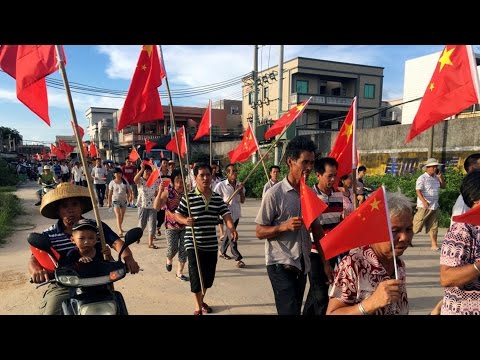
Democracy Crushed in China... Again | China Uncensored
0
Darren posted on 2017/02/18Ever wondered about democracy experiments in China? This episode of China Uncensored dives into the Wukong Model and what happened when village elections clashed with land seizures and riot police. You'll get a fascinating look at political satire while picking up key vocabulary related to protests and governance!
Learn this video on the APP!
The VoiceTube App has more in-depth practice for videos!